

The Summer Shift: The Side of Toronto Neighbourhoods You Don’t Usually See
Most people think they understand a neighbourhood after a quick drive through it or a few listings online. But what you’re actually seeing in those moments is a very controlled version of it - quiet streets, parked cars, and homes doing nothing in particular.
Summer changes that, not by transforming neighbourhoods, but by revealing how people actually live in them when daily life moves outside. And once you notice it, you start to realize that what defines a neighbourhood isn’t just the buildings, it’s how space is used in everyday life.

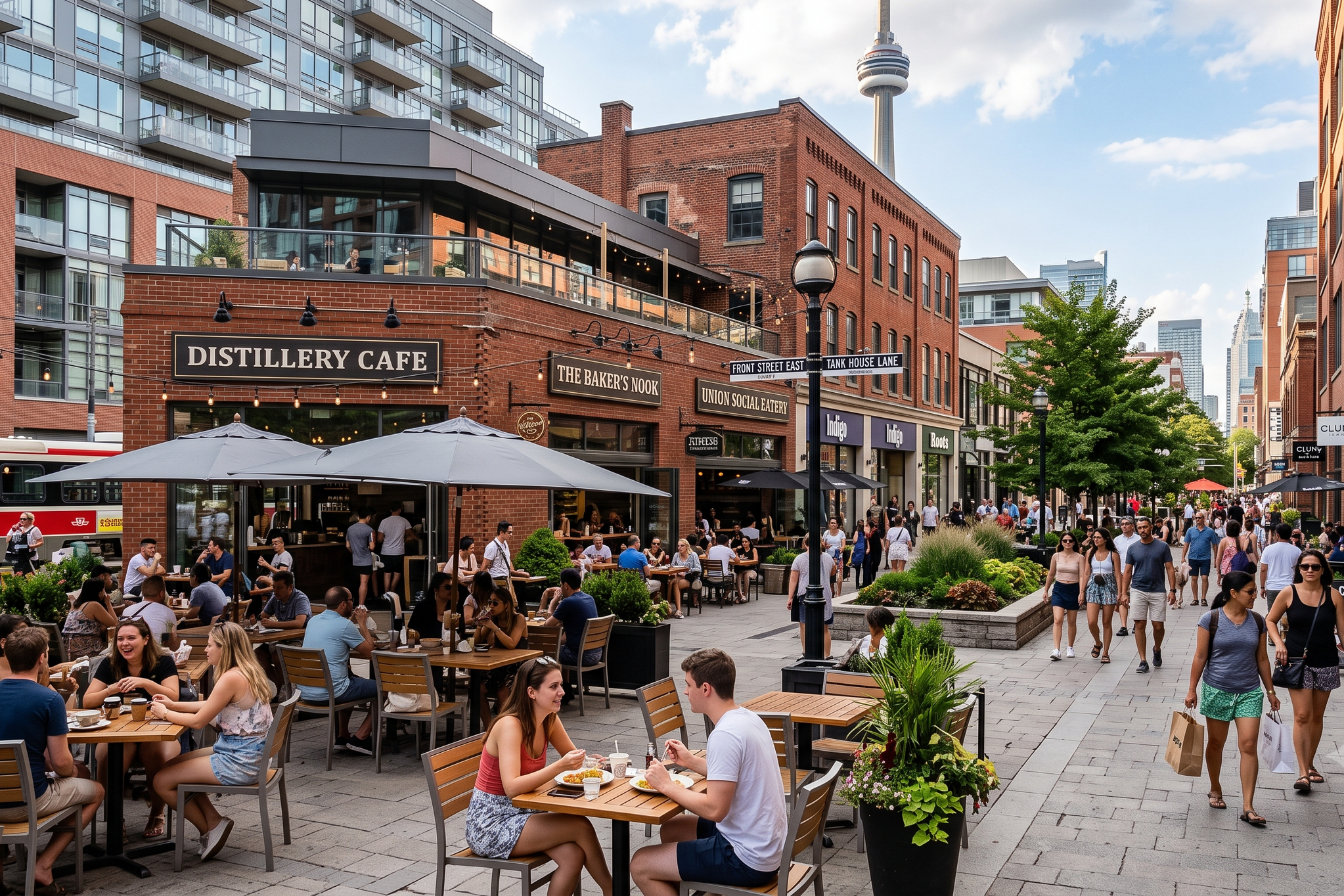
You Realize How Much You Actually Rely on Walking Distance
In summer, people naturally spend more time outside their homes - and that’s when walkability stops being a concept and becomes a daily habit.
Suddenly things like grabbing coffee, running quick errands, or meeting friends feel either effortless or slightly inconvenient. Neighbourhoods that seemed “close to everything” start to feel very different depending on how you actually move through them day to day.
It’s usually only in summer that this becomes obvious in practice, not on paper.
Your Idea of “Good Location” Starts to Shift
Most people think of location in terms of proximity - downtown, transit, restaurants, parks.
But in summer, location becomes more about how often you actually use your surroundings. Some neighbourhoods naturally pull you out of the house. Others require intention to engage with them, even if they’re technically central.
That difference starts to matter more than distance alone.
Photo credit: The Vendry
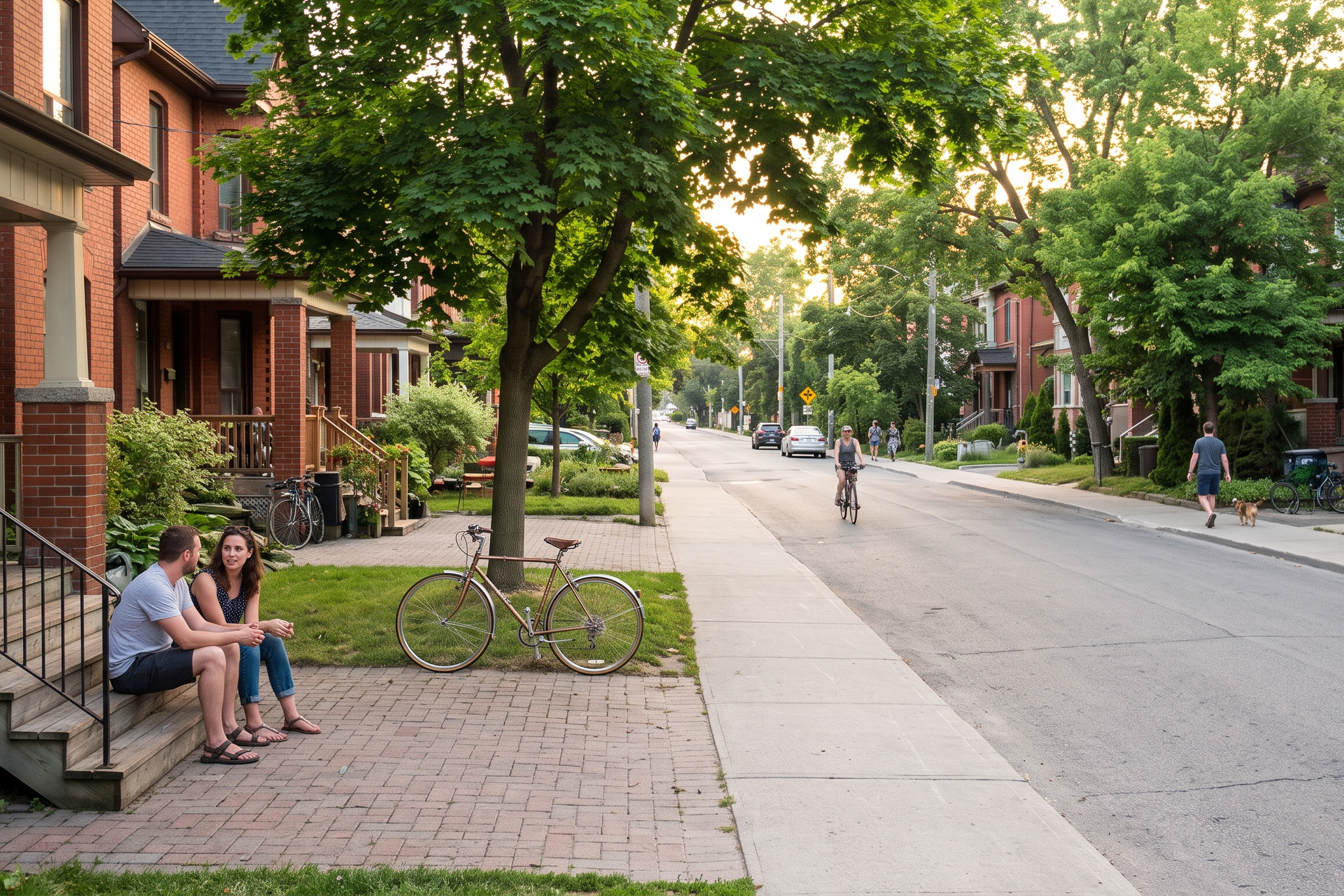
You Notice Whether Your Lifestyle Actually Expands Outside Your Home
In some neighbourhoods, summer living extends your lifestyle - your world gets bigger because more is happening nearby.
In others, your life stays mostly contained within your home, with occasional outings rather than a natural flow in and out of the neighbourhood.
It’s not about being busy or quiet, it’s about whether your lifestyle feels like it expands or stays fixed.
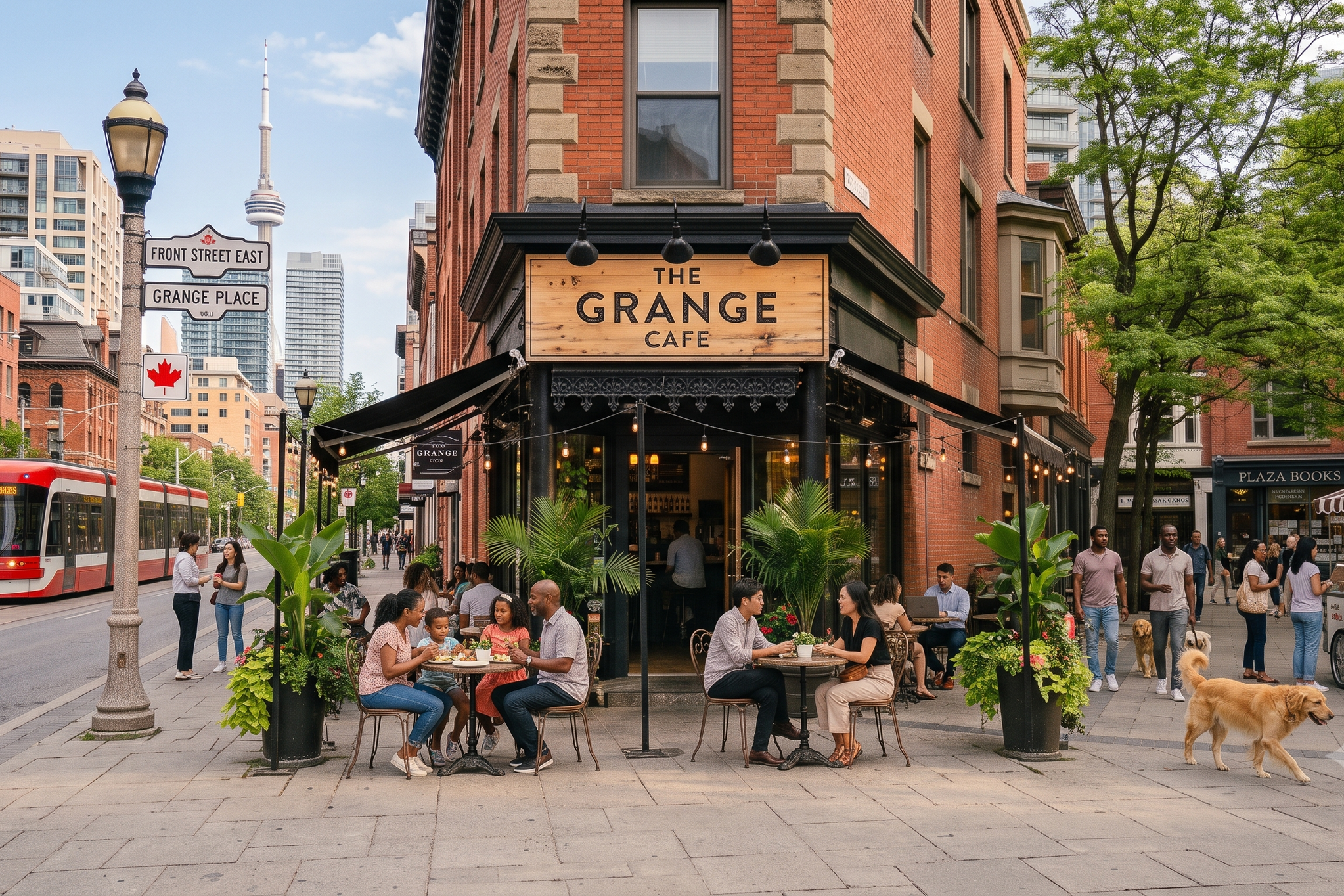
You See How Often You’d Realistically Use Local Spots
Listings can tell you what’s nearby, but summer is when you realize what you’d actually use.
Some areas have cafés, parks, and local spots that become part of your routine almost immediately. Others have amenities that are close but not naturally integrated into how people spend their time.
That gap between “available” and “used” becomes very clear in summer.

You Instinctively Know Where You’d Actually Spend Your Time
This is the most honest part of summer neighbourhood shopping.
When you’re in an area during peak season, you don’t just assess it, you imagine your real day unfolding there. Where you’d walk, where you’d stop, what your evenings would look like.
And that reaction is usually immediate and surprisingly accurate.
Summer doesn’t change what neighbourhoods are, it changes how clearly you can understand them. When daily life naturally moves outside, it becomes easier to see how a place actually functions beyond listings, maps, or quick visits.
What stands out most isn’t any single feature, but whether a neighbourhood fits the way you already want to live - how you move through your day, what you reach for locally, and how naturally your surroundings become part of your routine.
For anyone considering a move, this is often the moment things become clearer.
