

How to Brighten Your Home (and Your Mood) This Winter
Light plays a quiet but powerful role in how a home is experienced. It affects how rooms feel throughout the day, how materials read, and how welcoming a space feels the moment you walk in. Thoughtful lighting choices can subtly enhance comfort, clarity, and atmosphere, without changing a single finish or piece of furniture. Here are five ways to use light intentionally to enhance your home and how it’s perceived.
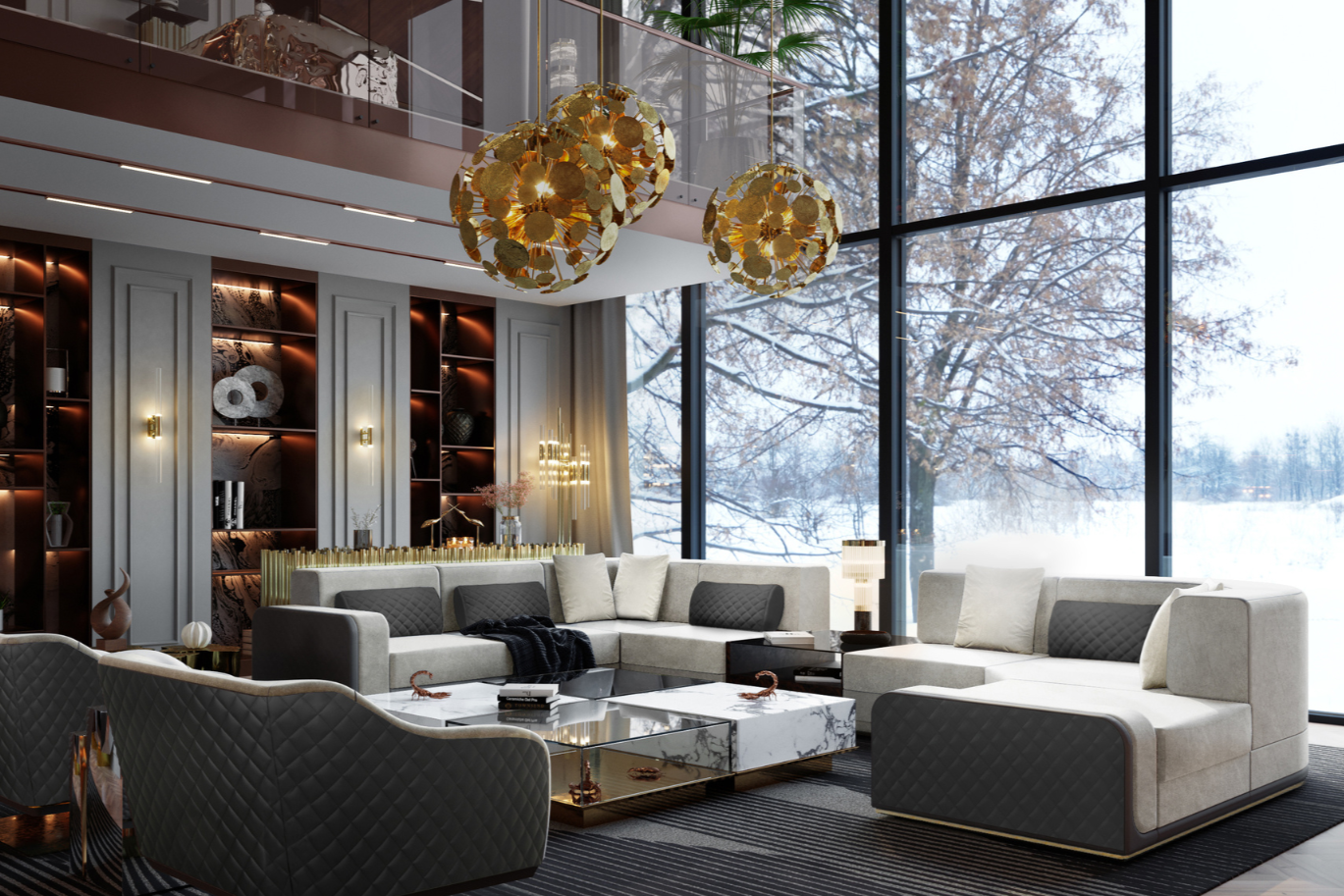
1. Treat Natural Light as a Design Feature
Natural light should be treated as something to work with, not around. Keep windows visually open by limiting heavy window treatments, and pay attention to how light moves through your home at different times of day. Even small adjustments, such as pulling furniture slightly away from windows or choosing lighter fabrics nearby, can improve how daylight travels through a room. Homes that maximize available natural light tend to feel more open and more refined, regardless of size.
Photo credit: Boca do Lobo
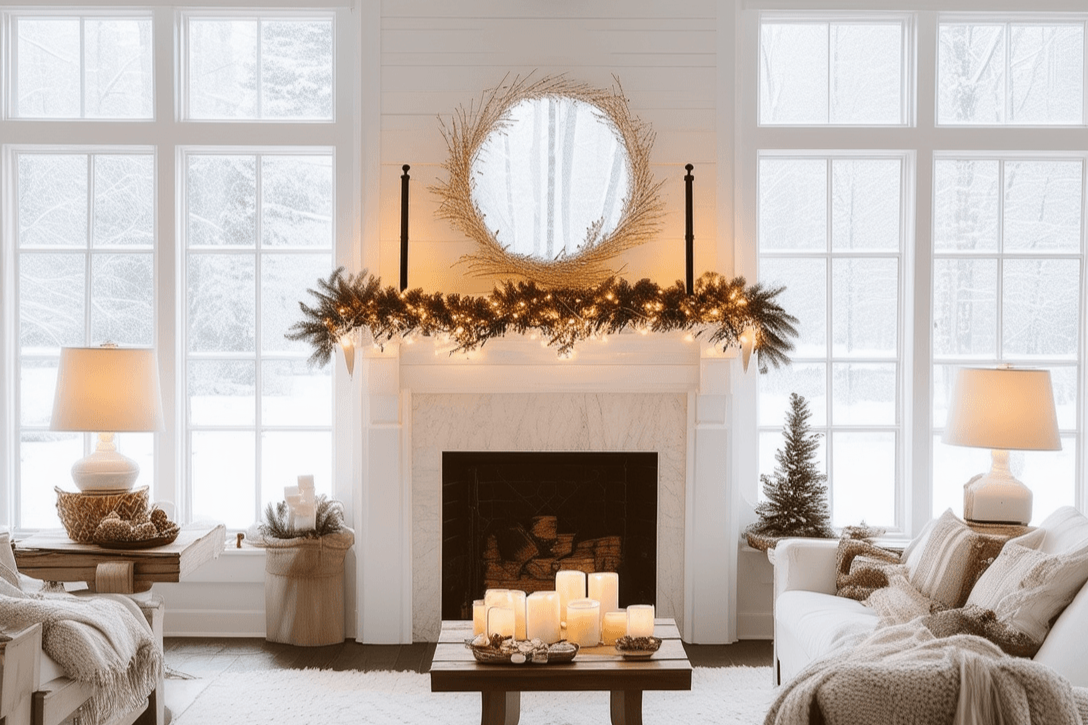
2. Use Multiple Light Sources to Shape the Space
Relying on a single overhead fixture flattens a room. Introducing multiple light sources allows you to shape how the space feels and functions at different times of day. Floor lamps, table lamps, and discreet wall lighting help define areas within a room and add depth without clutter. This approach creates visual interest and gives the home flexibility, allowing spaces to transition seamlessly from daytime use to evening settings.
Photo credit: DecorMatters
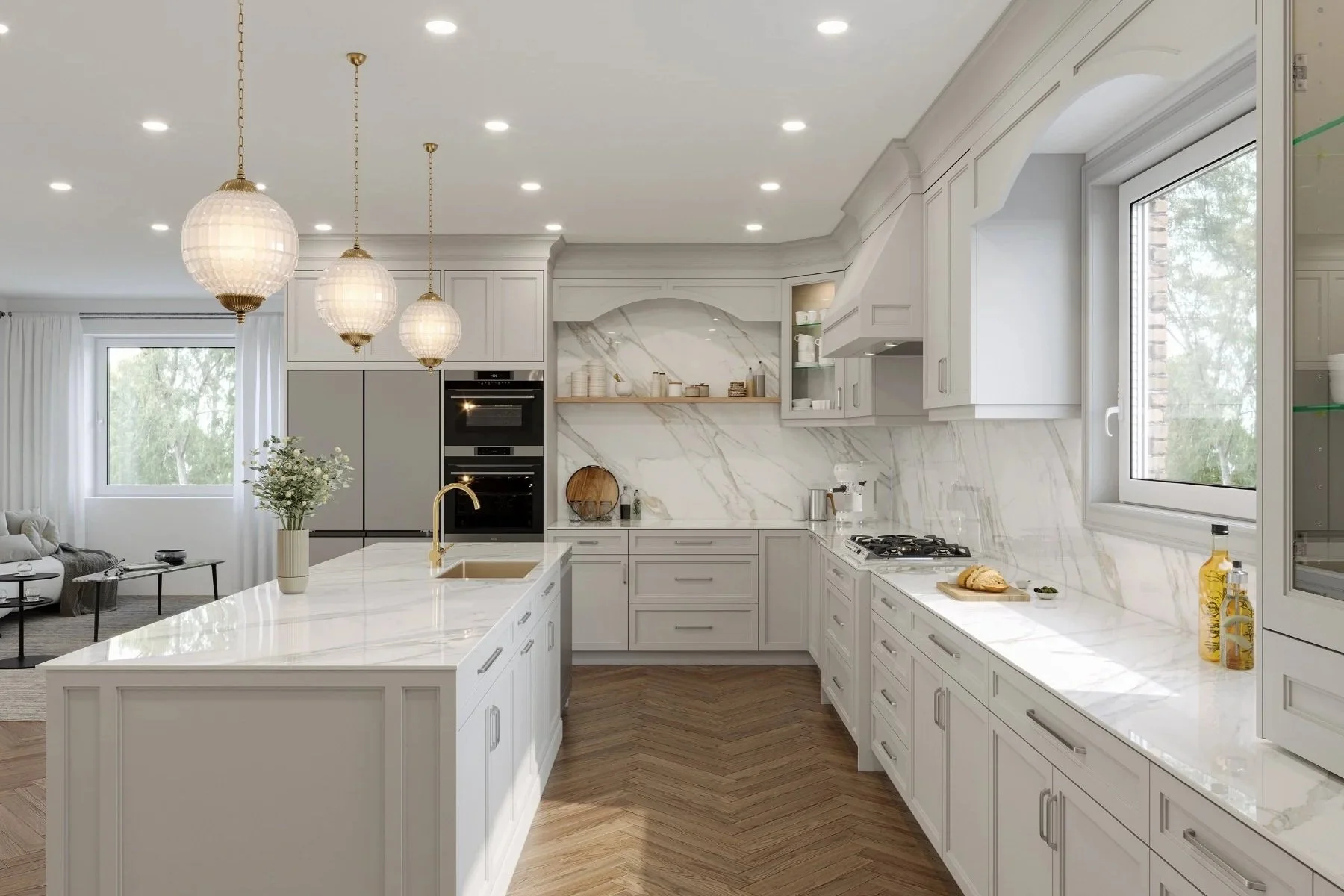
3. Pay Attention to Light Temperature
The tone of light matters just as much as its placement. Warmer temperatures tend to soften interiors and bring out natural materials, while cooler tones feel sharper and more modern. Being intentional about where each is used can elevate the entire home. Warmer light works well in living areas and bedrooms, while slightly cooler light can be effective in kitchens or workspaces. Consistency within each area keeps the home feeling cohesive rather than mismatched.
Photo credit: LX Hausys
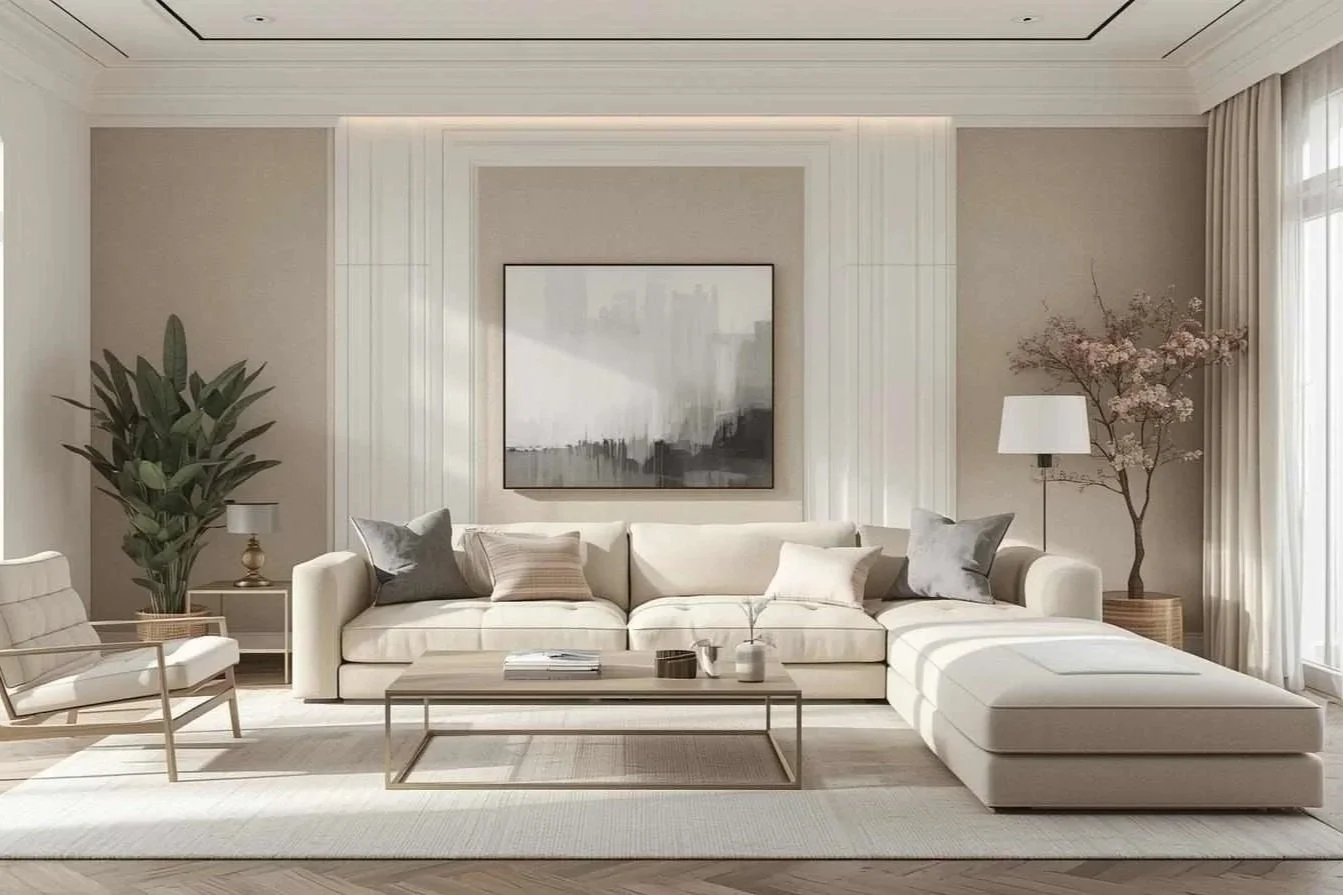
4. Highlight What Makes the Home Distinct
Lighting can quietly draw attention to architectural details that might otherwise go unnoticed. This could include ceiling height, wall texture, millwork, or art. Accent lighting adds dimension and helps guide the eye, reinforcing what makes a home feel special. When done subtly, it enhances character without overpowering the space, allowing the home’s features to speak for themselves.
Photo credit: Simpolo
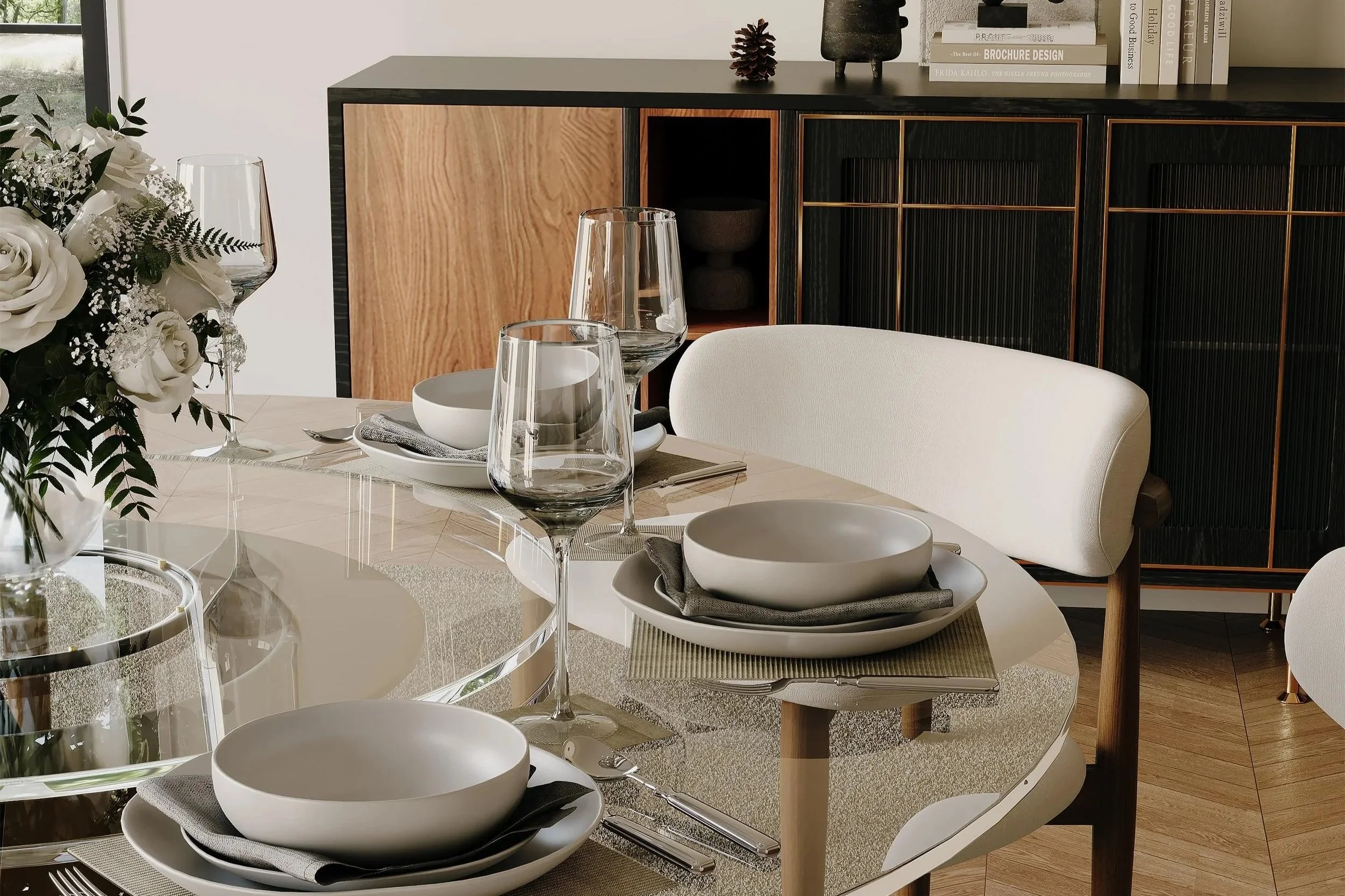
5. Use Reflection to Extend Light
Reflective surfaces help light travel further through a space. Mirrors, glass, polished stone, or subtle metallic finishes can bounce light and increase brightness without adding additional fixtures. When placed intentionally, reflection enhances openness and gives rooms a more layered, finished feel. This technique is especially effective in smaller or interior-facing spaces where natural light is limited.
Photo credit: Amazon
Light is one of the few elements that can change how a home feels without changing the home itself. When used thoughtfully, it brings clarity to spaces, enhances materials, and shapes the way rooms are experienced throughout the day. These are the kinds of details that quietly define well-considered interiors and make them a pleasure to live in.
