

The New Luxury: Privacy, Proximity & the Art of Living Well in the City
For generations, luxury has been expressed through architectural presence - grand entrances, soaring ceilings, intricate millwork, and statement chandeliers that anchor a room. These elements endure for a reason. They reflect craftsmanship, permanence, and a sense of arrival.
Today, however, the most exceptional homes offer more than visual impact. True luxury lies in how seamlessly that architectural scale supports daily life - in the balance between openness and privacy, elegance and comfort, presence and practicality. The most compelling properties are those where grandeur and livability coexist - where impressive design enhances experience rather than overwhelming it. Certain qualities consistently define that balance.
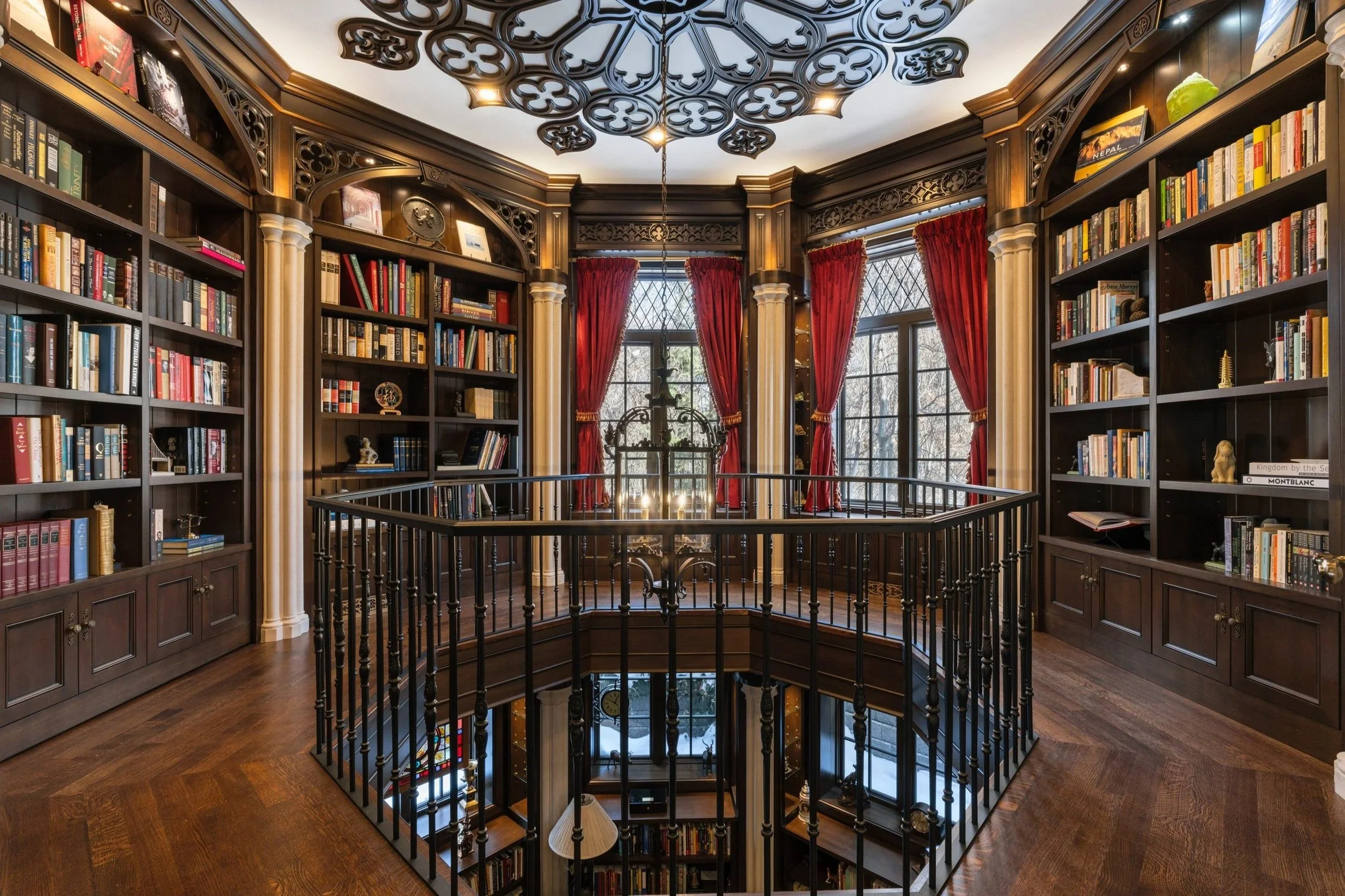
Privacy That Feels Intentional, Not Isolated
Privacy is one of the most valued elements in residential design, particularly in an urban setting. In a well-designed home, privacy is achieved through considered architecture - strategic window placement, layered landscaping, intelligent floorplans, and separation between public and private areas of the house.
A home can be centrally located while still feeling removed from the pace of the street. That balance - access paired with discretion - is where lasting value is often found.
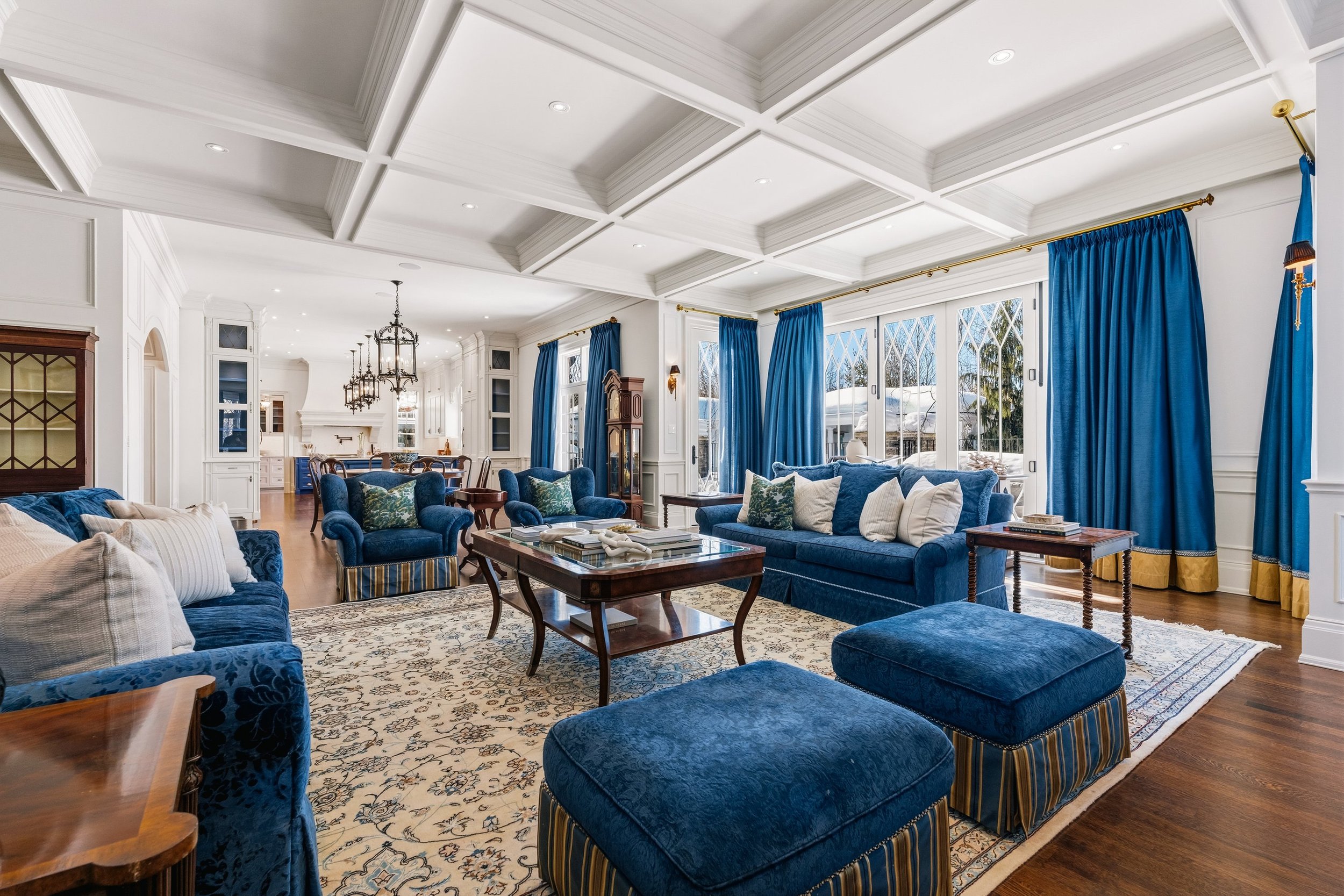
Proximity That Enhances Daily Life
Location has always mattered, but proximity today is about more than prestige. It’s about practicality.
Being close to parks, schools, dining, cultural institutions, and business districts reduces friction in everyday life. Less time commuting means more time at home, more flexibility in the day, and greater ease in hosting or meeting friends spontaneously.
In established neighbourhoods throughout Toronto, proximity isn’t a trend - it’s a long-standing driver of demand and enduring property value.
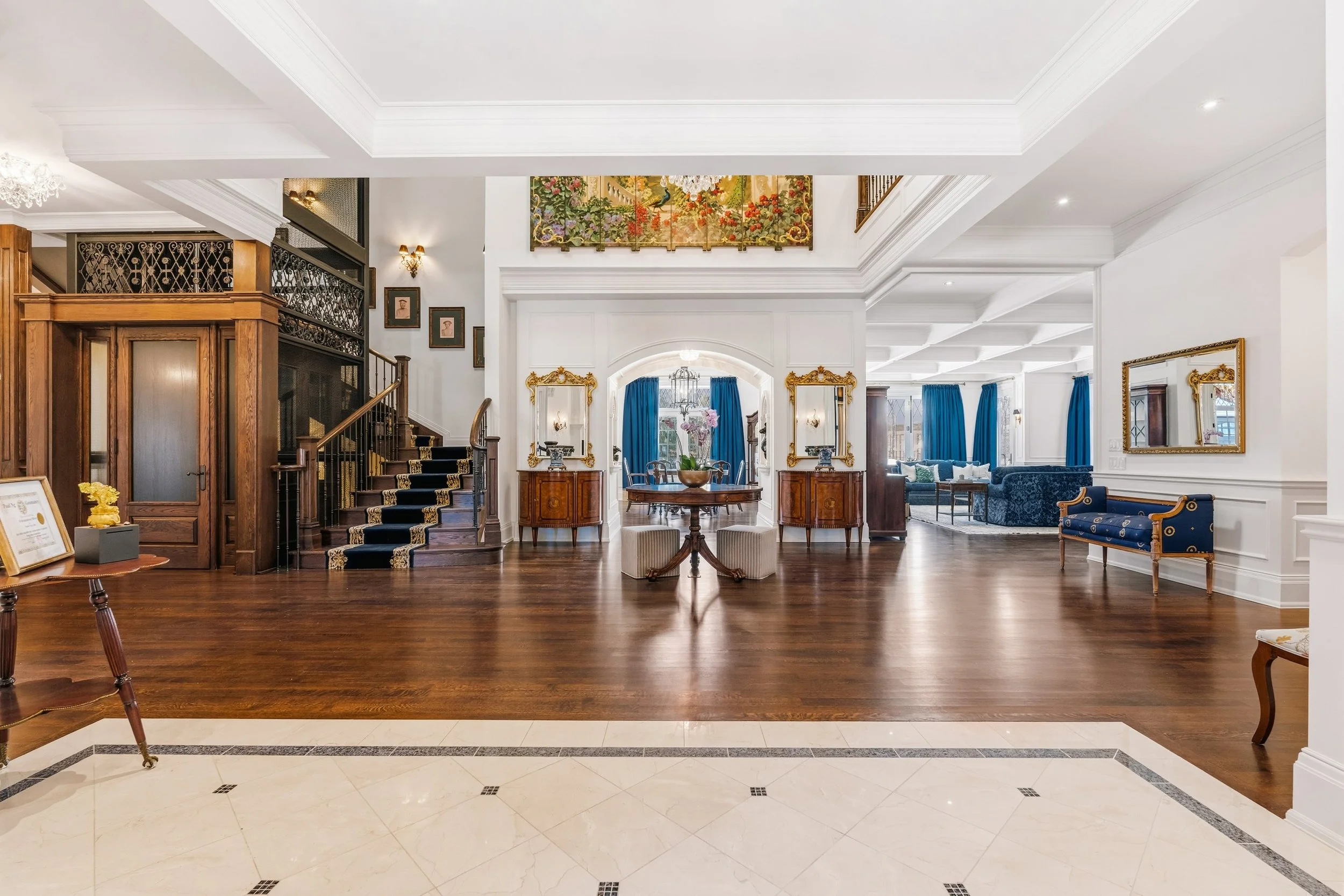
Architecture That Prioritizes Light, Flow & Proportion
Beyond finishes and materials, the most memorable homes are defined by their structure. Natural light, ceiling height, sightlines, and the relationship between rooms all influence how a space feels.
A well-proportioned home allows movement to feel effortless. Transitions between kitchen, dining, and living areas support gathering without congestion. Private quarters remain separate from entertaining spaces.
These architectural fundamentals tend to outlast design trends - and they are often what distinguish a truly exceptional property.
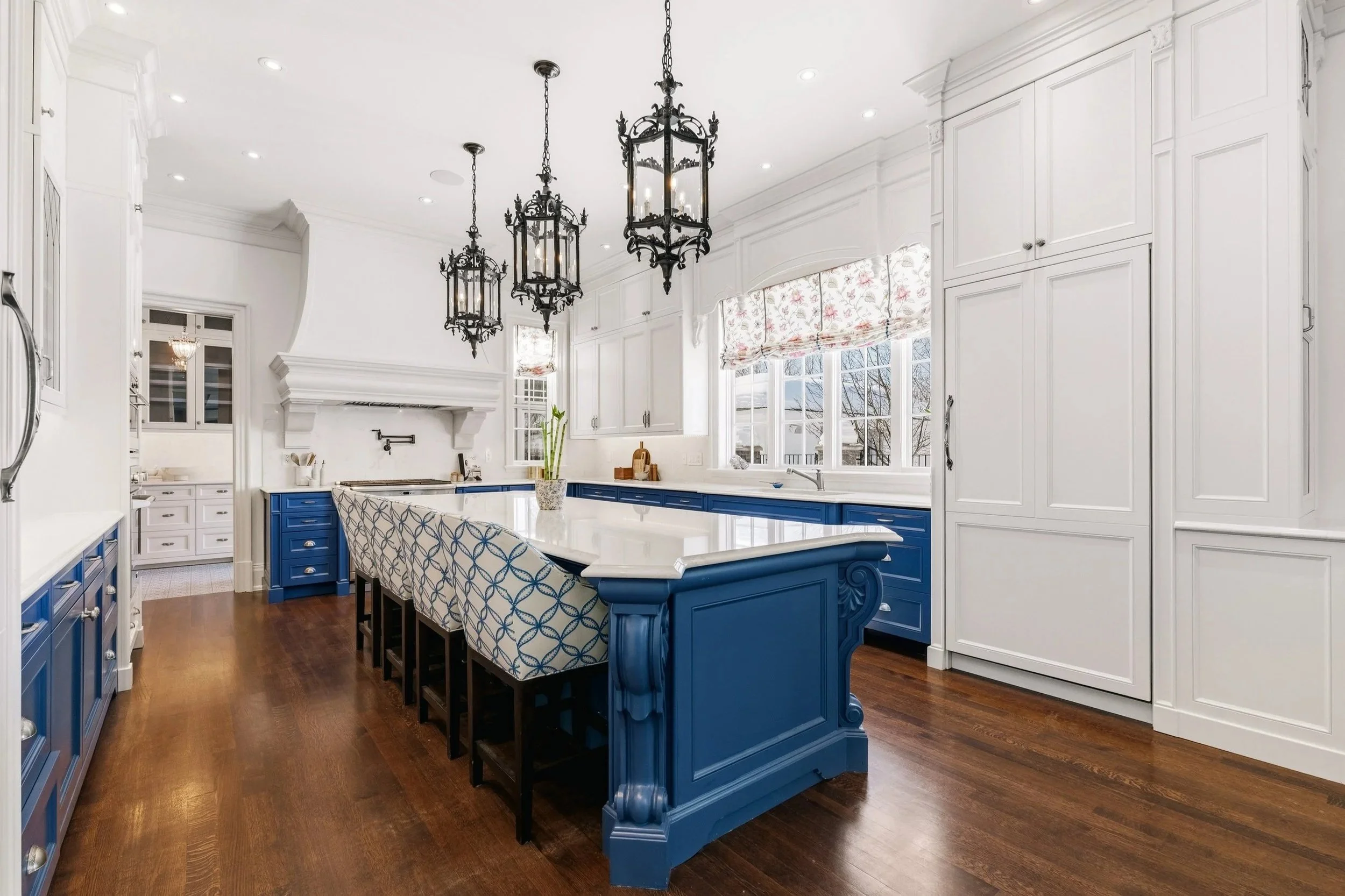
Spaces Designed With Purpose
Luxury does not necessarily mean more rooms; it often means better-considered ones.
A primary suite that functions as a retreat.
A kitchen designed for both daily living and hosting.
A home office positioned for focus and quiet.
When each space has clarity of purpose, the entire home operates more efficiently. Thoughtful planning reduces underused square footage and enhances daily comfort.
The Neighbourhood as an Extension of the Home
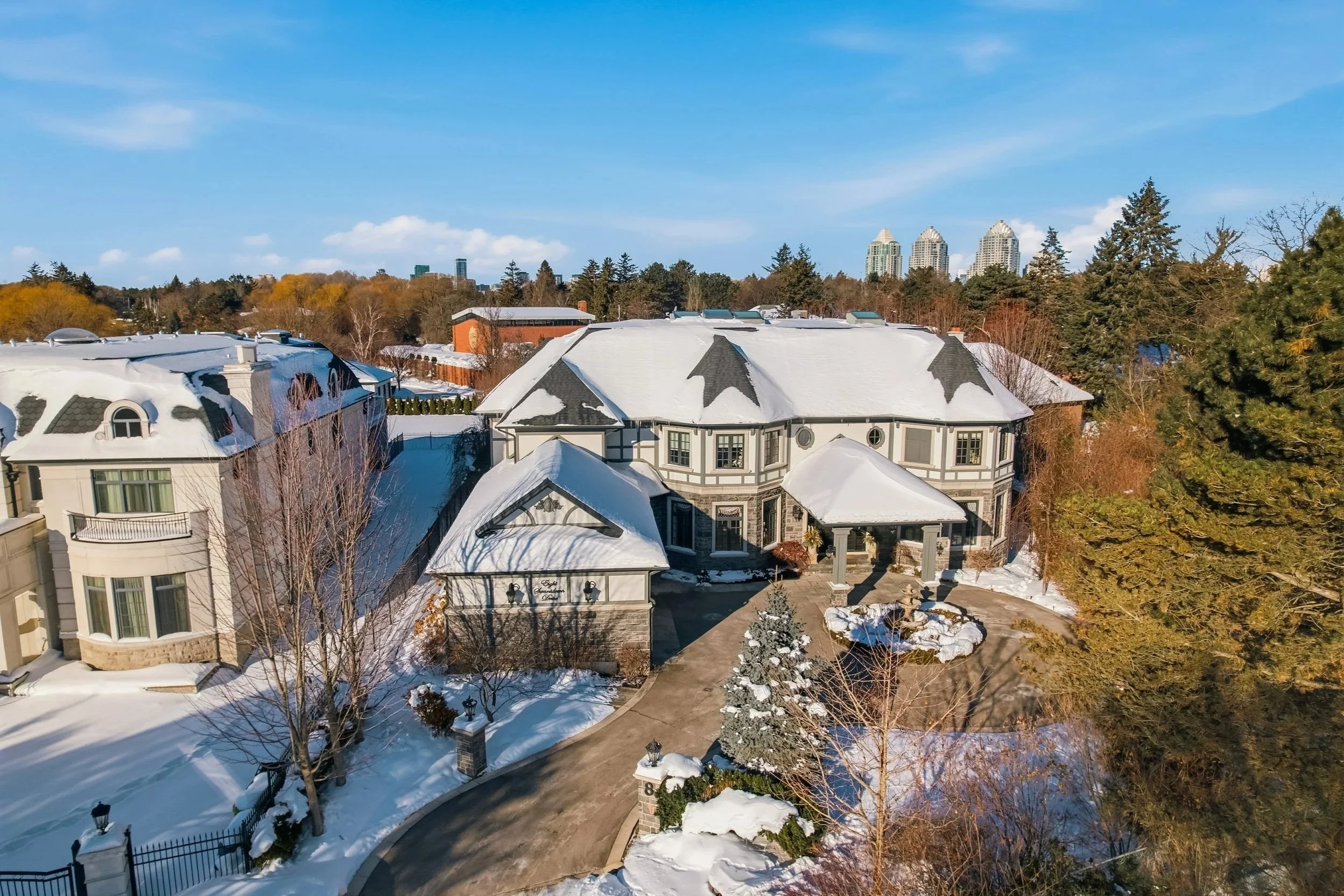
A home does not exist in isolation. Its surroundings shape the experience of living there.
Tree-lined streets, access to green space, established architecture, and a cohesive streetscape contribute to a sense of permanence. Nearby amenities - whether cultural institutions, independent retailers, or recreational spaces - extend the livability of the property beyond its walls.
In this way, the neighbourhood becomes part of the home’s value proposition, supporting both lifestyle and long-term desirability.
The modern expression of luxury is measured less by scale and more by intention. It is found in homes that balance privacy with connectivity, architectural integrity with comfort, and central location with everyday ease. In a city like Toronto, properties that embody these principles tend to remain compelling across market cycles, not because they are the largest, but because they are designed to support how people truly live.
