

The Difference Between a Beautiful Home and a Smart Investment
When buying a home, it's easy to focus on what catches your eye first: a beautifully renovated kitchen, designer finishes, a spectacular backyard, or a magazine-worthy interior. These features can make a property memorable, but they aren't always what determines its long-term value.
A truly smart real estate investment is about looking beyond what is impressive today and understanding the qualities that continue to create desirability over time.
The homes that hold their value are often defined by a combination of factors - some visible, some less obvious - that influence how people live, what buyers are willing to pay, and how a property performs years down the road.
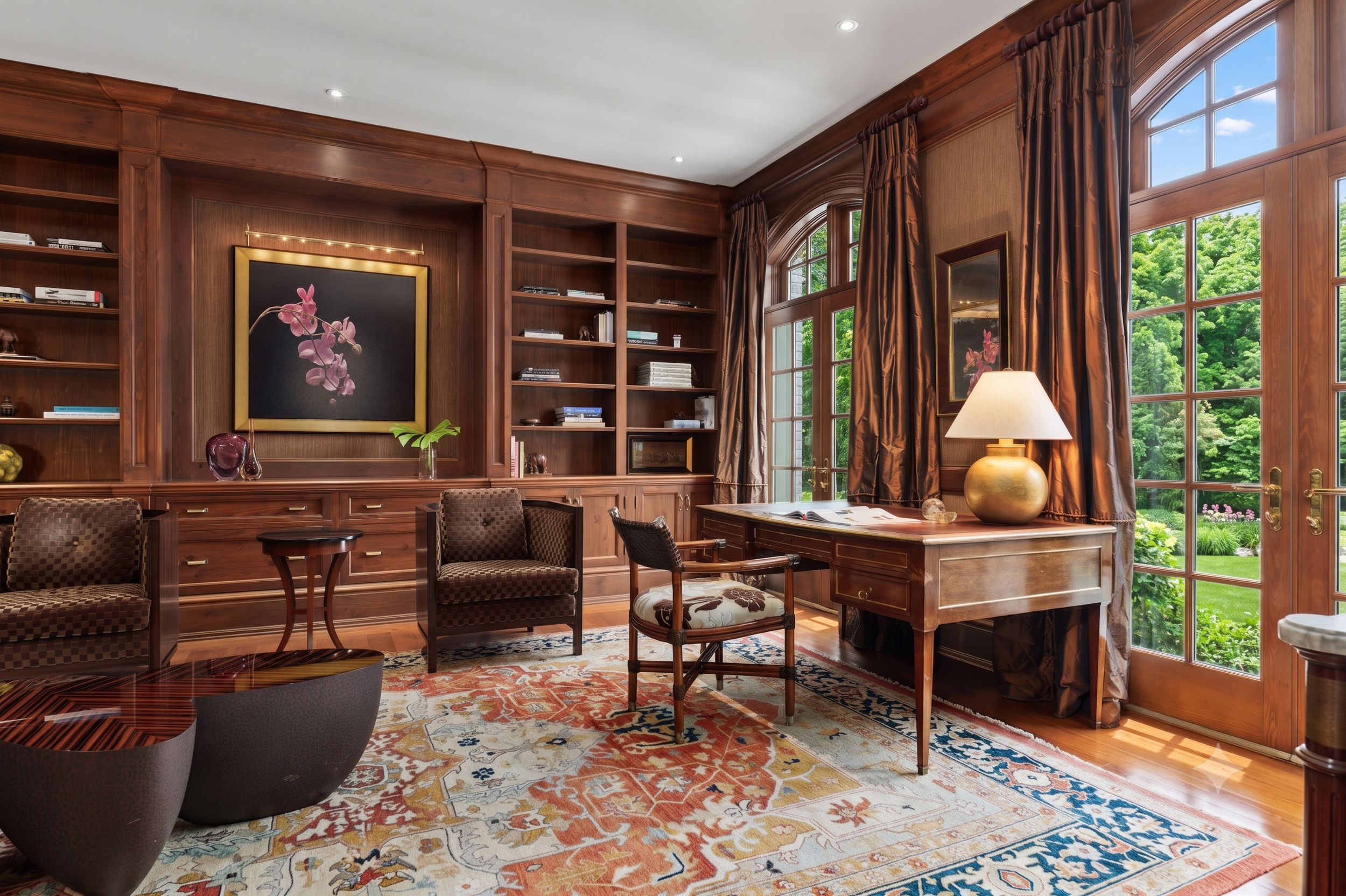
1. The Most Expensive Upgrades Aren't Always the Most Valuable
A common misconception is that investing more into a renovation automatically increases a home's value. While thoughtful improvements can make a significant difference, not every upgrade delivers the same return.
A high-end kitchen renovation may be appealing, but factors like the home's layout, neighbourhood, and overall functionality often have a greater impact on long-term desirability. The best improvements are those that enhance how people experience the home - not simply those with the highest price tag.
A smart investment isn't about creating the most expensive version of a home; it's about creating the most desirable one.
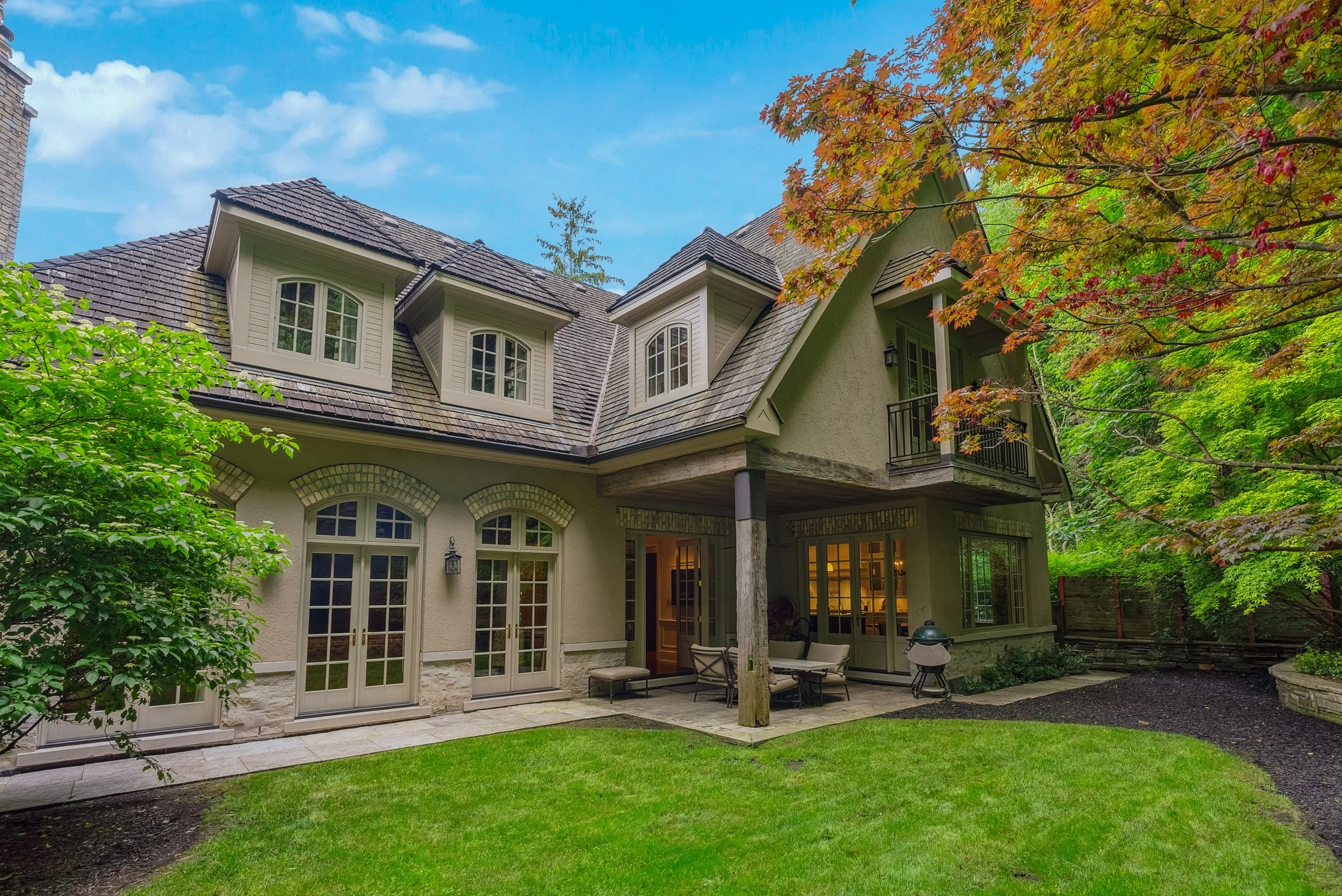
2. Location Is More Than an Address
"Location, location, location" is one of the oldest phrases in real estate, but its meaning goes far beyond a postal code.
The most desirable locations tend to offer qualities that cannot be replicated:
Walkability
Access to parks and green space
Community character
Strong neighbourhood identity
Proximity to amenities, schools, and transportation
While interiors can be changed, the surrounding environment shapes daily life in ways that are difficult to replace.
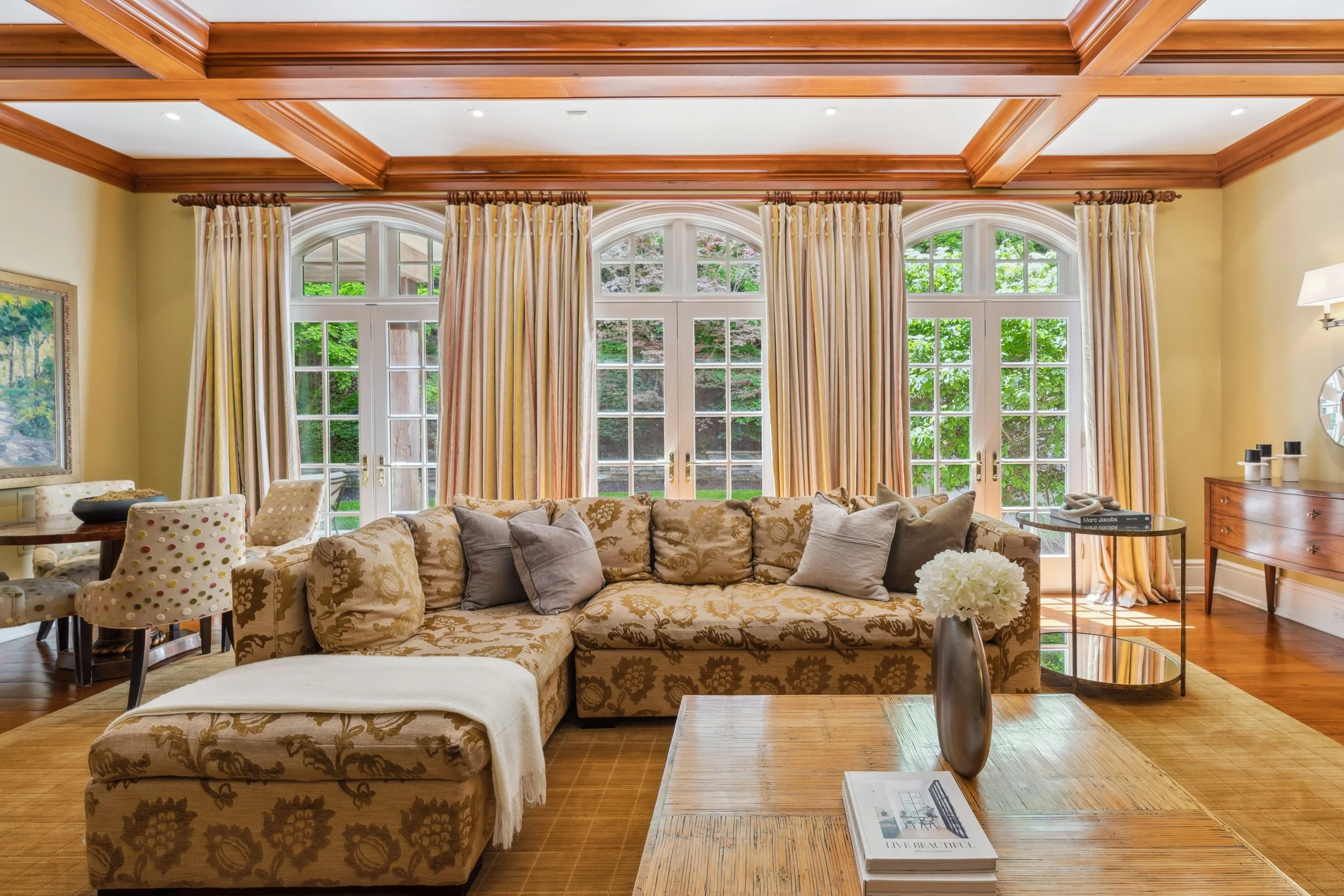
3. Flexibility Creates Long-Term Value
The way we use our homes continues to evolve. A room that functions as a home office today may become a nursery, guest room, or creative space in the future.
Properties that adapt to changing lifestyles often maintain stronger appeal because they can meet the needs of a wider range of buyers.
Thoughtful layouts, functional spaces, and homes that allow people to imagine different possibilities often stand the test of time.
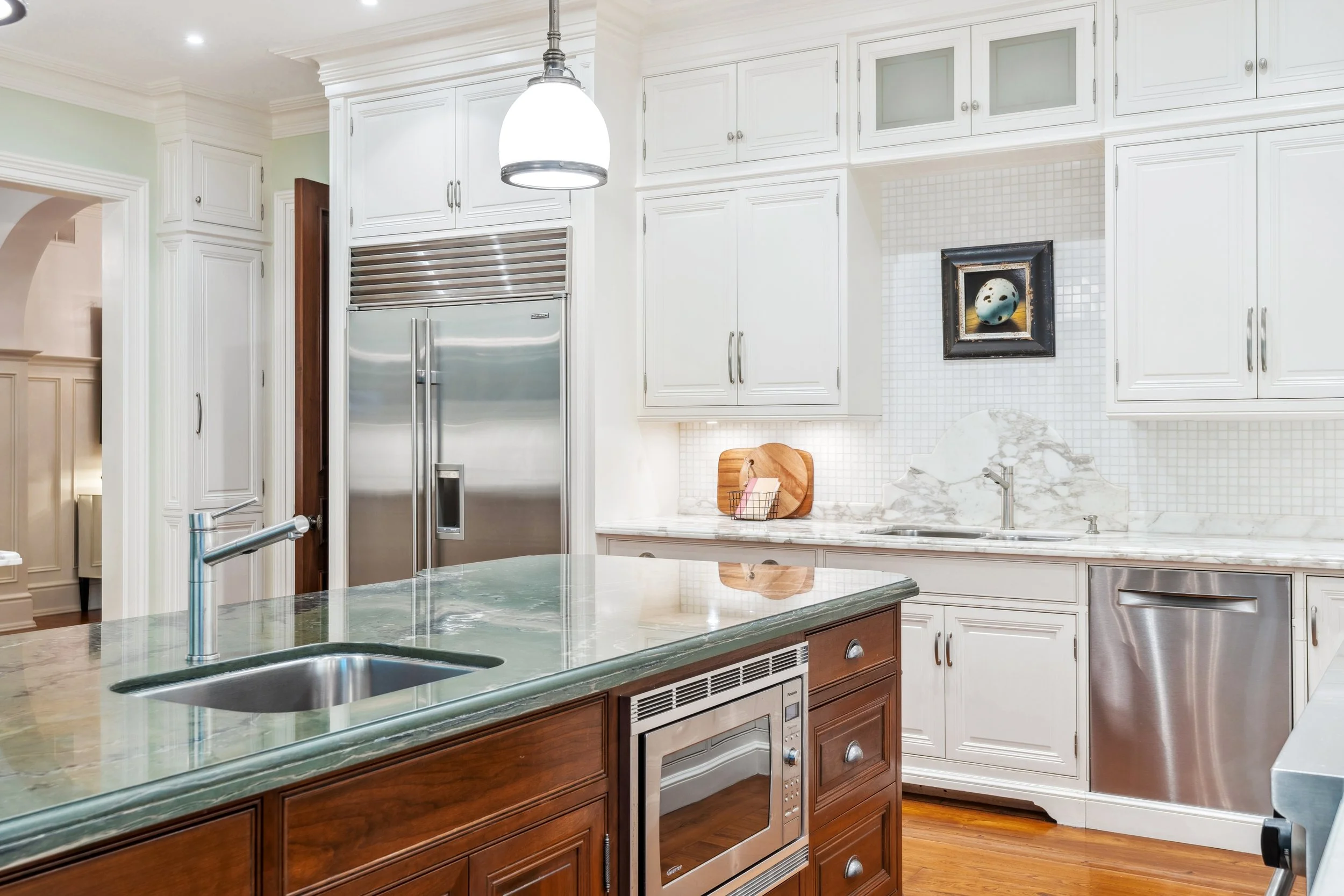
4. Emotional Appeal and Financial Value Go Hand in Hand
Real estate is both an emotional and financial decision.
Buyers don't simply purchase square footage - hey purchase a lifestyle. The feeling of a home, the ease of everyday living, and the connection someone feels to a property all influence decision-making.
A home with strong fundamentals creates the opportunity for emotional connection. And when multiple buyers feel that same connection, demand naturally follows.
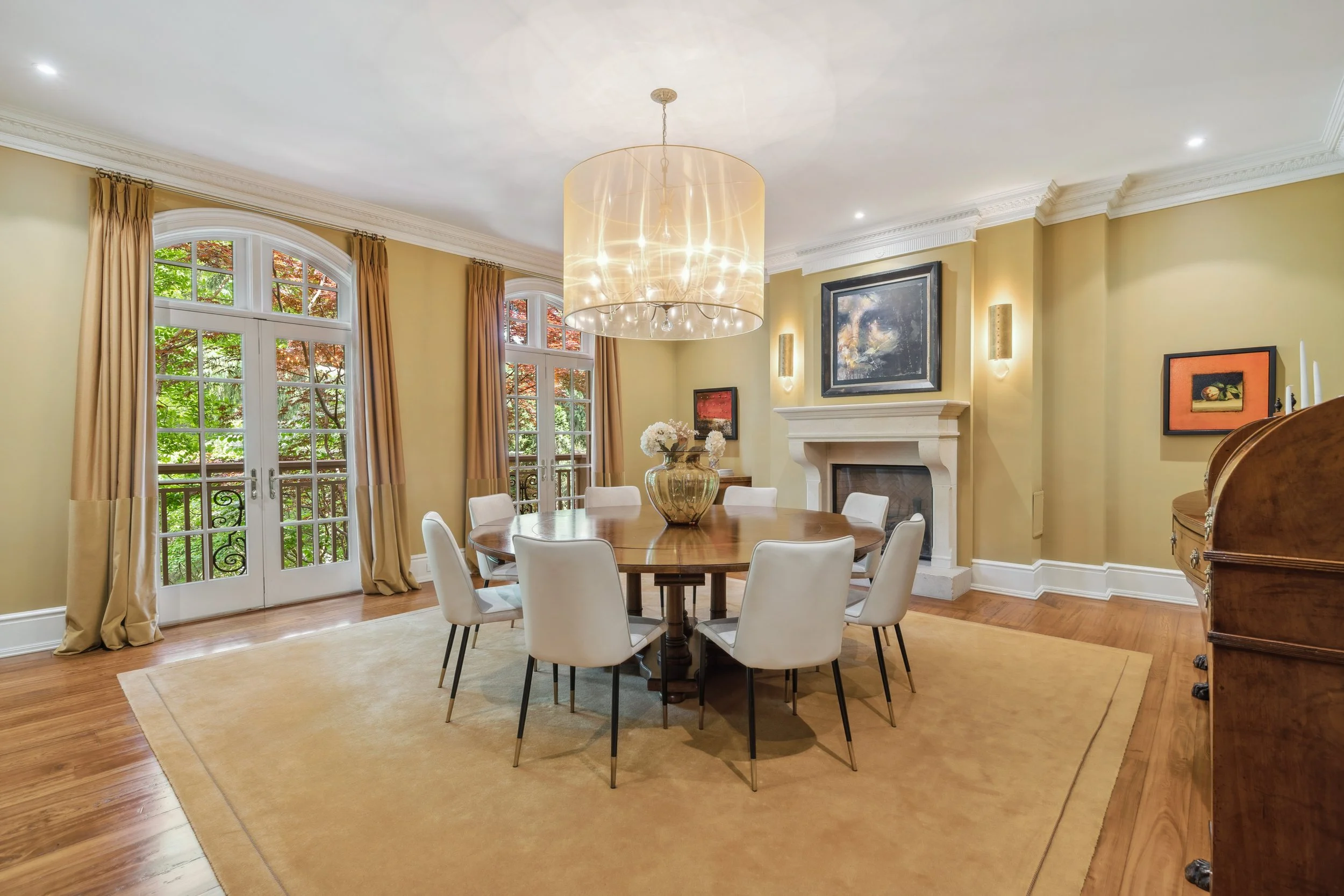
5. The Best Investments Are Often the Ones That Stand the Test of Time
Trends come and go, but certain qualities consistently remain valuable: thoughtful architecture, quality construction, desirable locations, and homes designed around how people actually live.
A smart investment isn't necessarily the home with the newest finishes or the biggest footprint. It is the home with qualities that will continue to matter years from now.
A beautiful home can capture attention, but a smart investment creates lasting value.
Understanding the difference comes down to looking beyond surface-level features and recognizing the elements that make a property desirable over time. The strongest real estate decisions consider both the experience of living in a home today and its potential to remain valuable tomorrow.
