

The New Art of Downsizing: Why Less Space Doesn’t Necessarily Mean Less Life
Downsizing has traditionally been framed as a practical decision: fewer rooms to maintain, fewer stairs to climb, less upkeep and, ultimately, less house. But for many Toronto homeowners today, the decision to move into a smaller property is becoming something much more intentional.
As lifestyles change, so do the things we value in a home. The large house that made perfect sense when children were young may feel unnecessarily demanding once they have moved out. A sprawling property may become less appealing when travel, dining, culture and time with family take priority. And suddenly, being closer to the things you love can feel more valuable than having more rooms you rarely use.
The new approach to downsizing isn't necessarily about having less. It's about making more room for the life you want next.
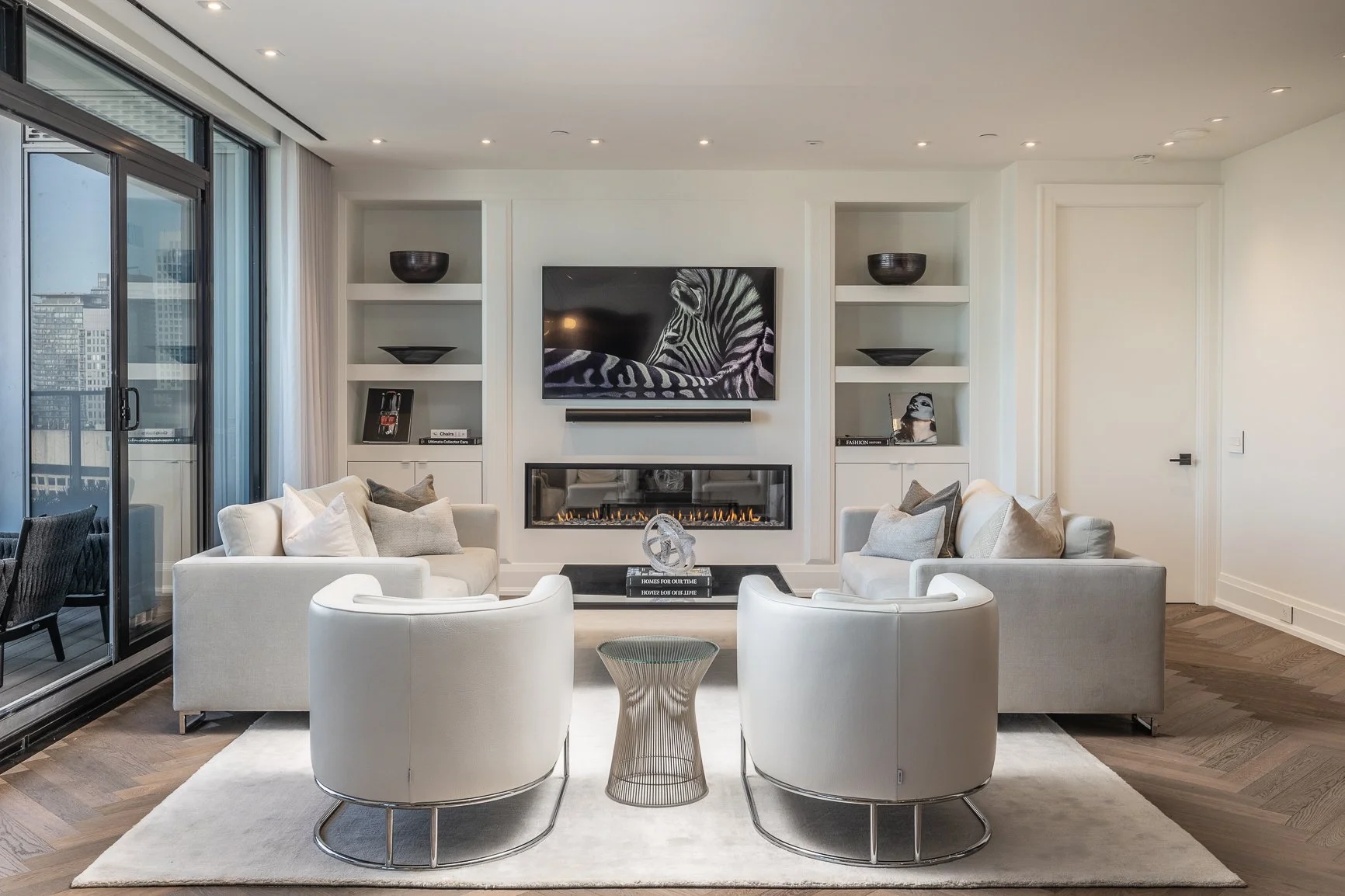
Downsizing Doesn't Have to Mean Giving Up the Things You Love
One of the biggest misconceptions about downsizing is that it requires a dramatic reduction in lifestyle. In reality, the right move can be about becoming more selective rather than simply having less.
A homeowner might move from a large detached property into a beautifully designed condominium or a smaller home while gaining something equally valuable in return: less maintenance, greater convenience and more freedom to spend time elsewhere.
The goal isn't necessarily to find the smallest property possible. It's to identify what you genuinely use and value, then find a home that supports those priorities without the excess.
That might mean keeping a generous entertaining space while giving up three unused bedrooms. Or prioritizing a beautiful kitchen and outdoor terrace over a large basement. Downsizing works best when it is tailored to the person, rather than defined by a particular number of square feet.
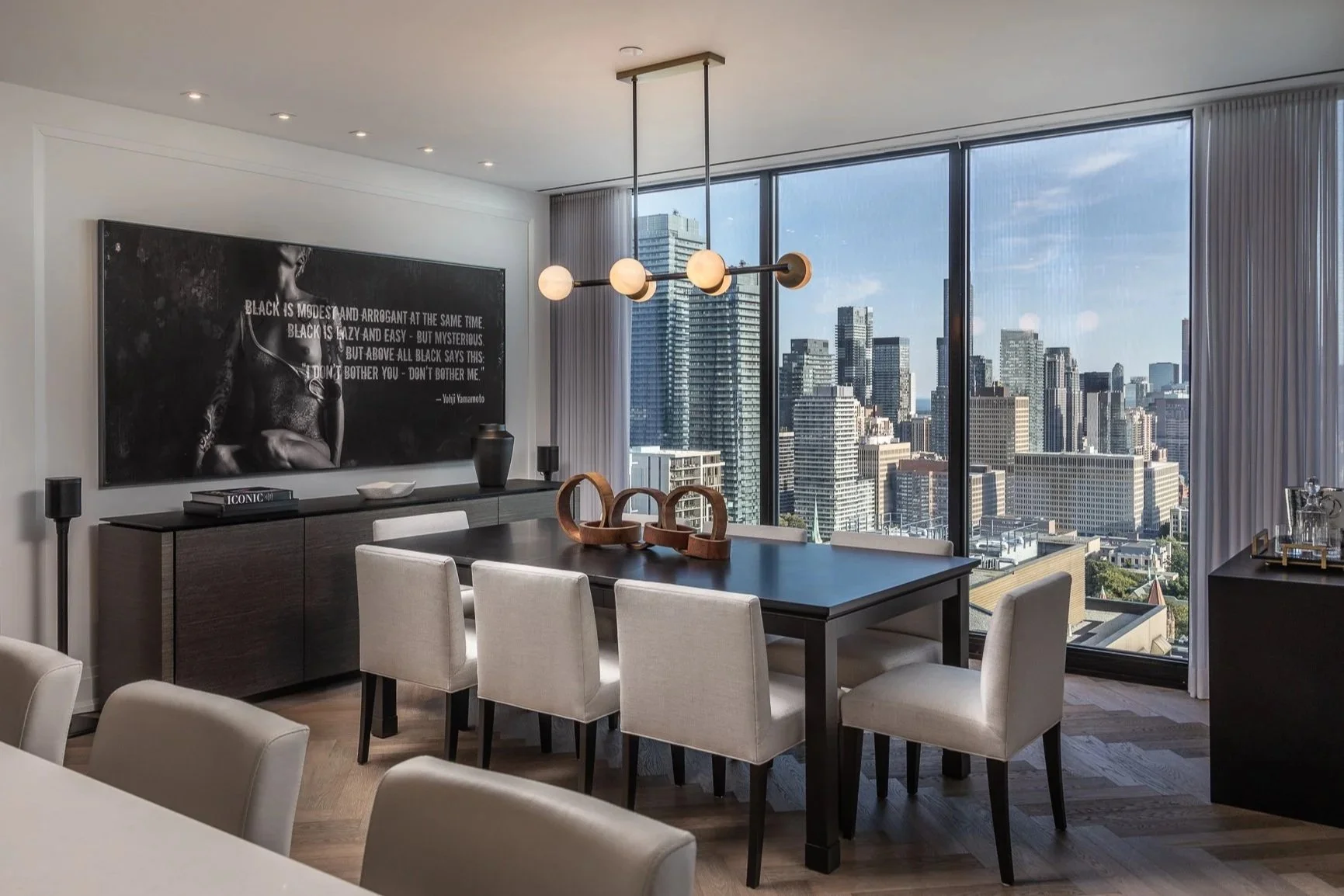
Location Can Become More Valuable Than Space
As life changes, the importance of location can change with it.
A large home may have once been worth the longer commute, the dependence on a car or the distance from restaurants and cultural amenities. But later in life, being able to walk to dinner, meet friends for coffee, visit a gallery or spend an afternoon in the park can become far more appealing.
This is where downsizing in Toronto can offer an unexpected advantage. Moving into a more central, walkable neighbourhood can replace private space with access to more of the city.
Instead of asking, “How much house am I giving up?” it can be more useful to ask, “What am I gaining by living here?”
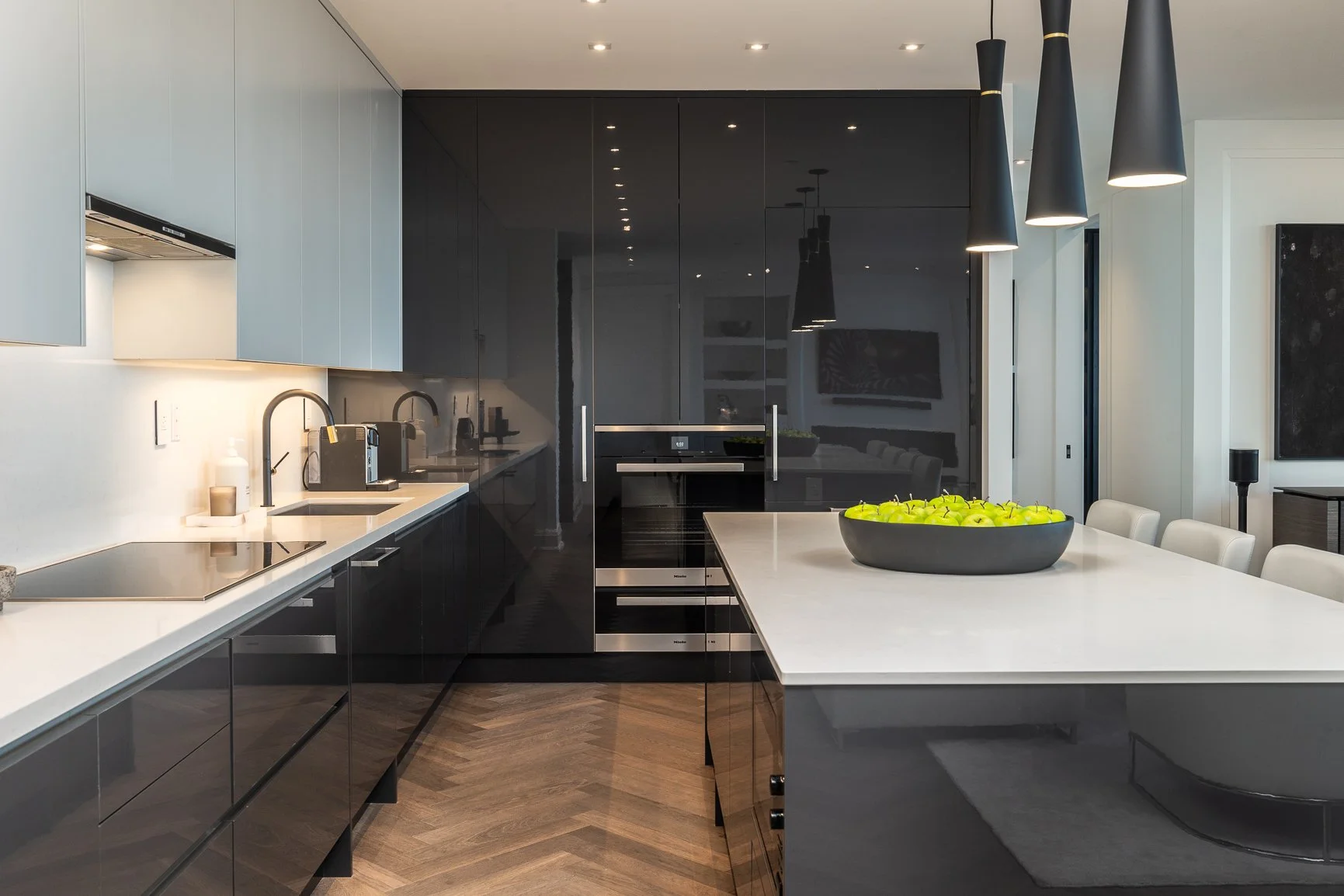
Less Maintenance Can Mean More Freedom
There is a less visible cost to owning a large property: the amount of time and energy required to maintain it.
Gardens need tending. Roofs need replacing. Snow needs clearing. Rooms need cleaning, furnished spaces need updating and larger properties inevitably come with more things that require attention.
For some homeowners, that responsibility is part of the pleasure of owning a house. For others, there comes a point when it starts competing with the things they would rather be doing.
A smaller, lower-maintenance property can create a different kind of luxury - the luxury of not having to think about your home quite so much.
That can mean more spontaneous travel, more weekends spent with family, or simply more time enjoying the city rather than maintaining a property within it.
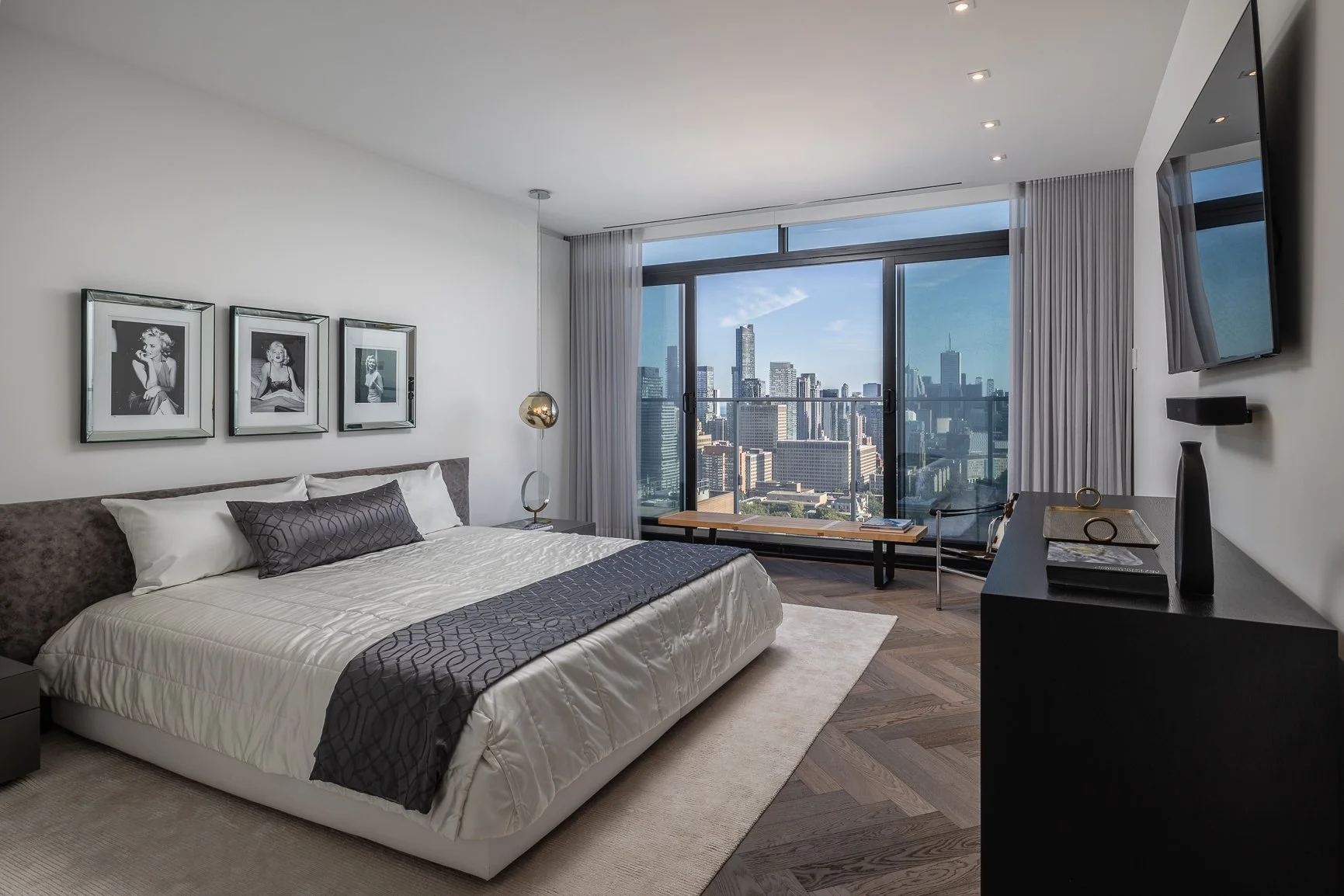
The Emotional Side of Downsizing Is Often Harder Than the Practical Side
For many homeowners, the most difficult part of downsizing isn't finding the next property. It's deciding what to leave behind.
A home can hold decades of memories: children's artwork, family photographs, furniture passed down through generations, holiday traditions and countless small reminders of the life that happened there. Letting go of possessions can therefore feel like letting go of a piece of that history.
But downsizing doesn't mean erasing those memories.
It can mean becoming more intentional about what comes with you. The dining table where generations gathered may be worth keeping. So might the artwork you've collected over the years or the chair that has followed you through several homes. Other things may simply no longer have a place in the life you're creating.
In that sense, downsizing can become less about what you're losing and more about deciding what is worth carrying forward.
The Right Home Should Reflect Your Next Chapter
Perhaps the most important shift is to stop thinking about downsizing as a final destination.
Your next home doesn't need to be the home you stay in forever. It simply needs to make sense for the chapter you're entering.
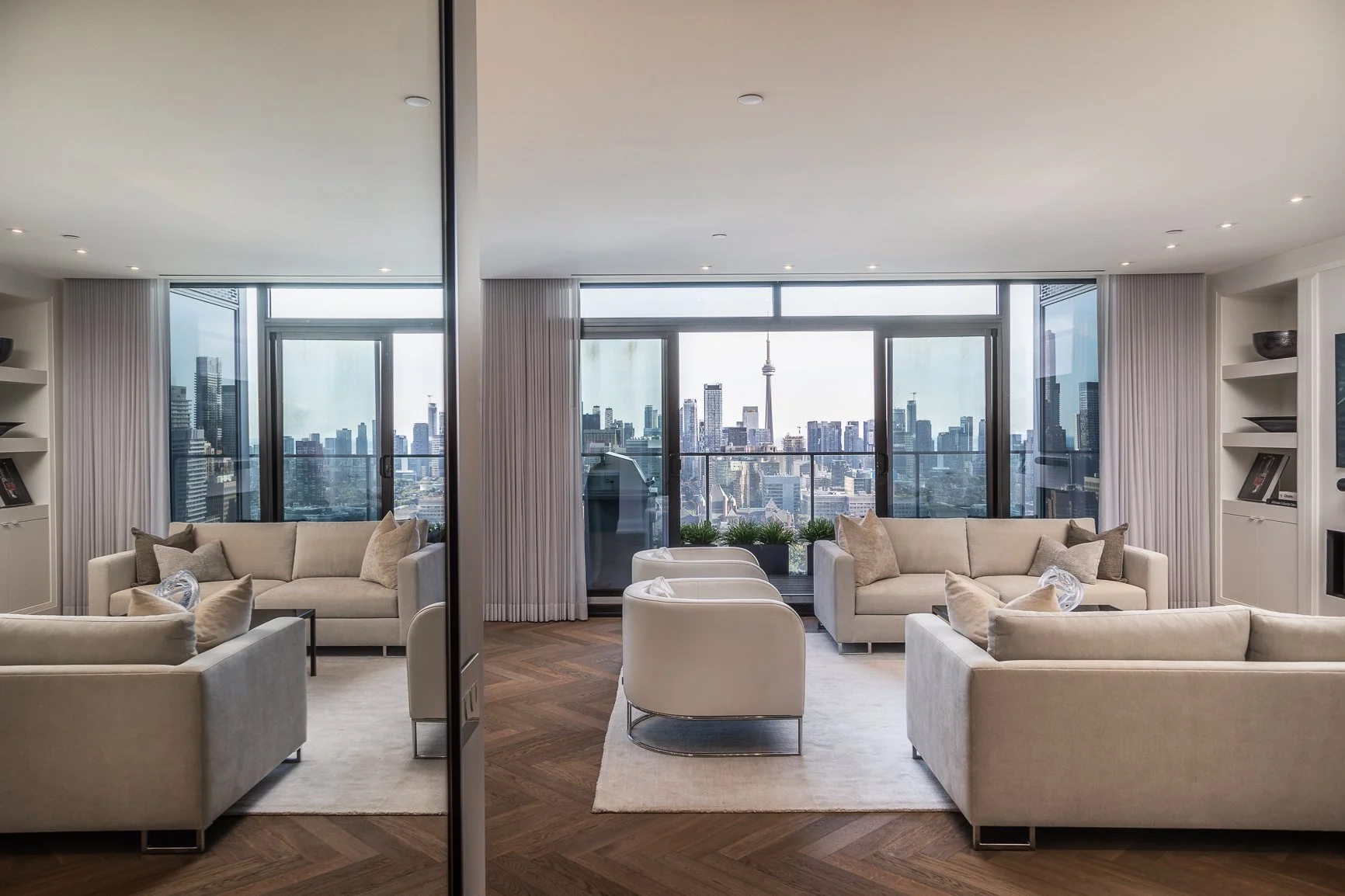
That might mean a condominium with exceptional amenities and concierge services. It could be a smaller detached home in a neighbourhood where everything is within walking distance. Or it could mean moving closer to family, friends or the cultural life you enjoy.
The best downsizing decisions aren't driven by a desire to have less. They're driven by a clearer understanding of how you want to spend your time.
And that is ultimately what makes downsizing so much more than a real estate decision.
A home should evolve as your life does. The property that was right for raising a family may not be the property that makes the most sense when your priorities shift - and recognizing that isn't a compromise. It can be an opportunity.
The new art of downsizing is about being intentional: choosing space that serves you, a location that gives you more access to the things you enjoy and a home that allows you to spend less time maintaining your surroundings and more time living in them.
