


Chaplin Estates vs Forest Hill: Which Midtown Toronto Neighbourhood Is Right for You?
Paul Maranger and Christian Vermast, Sotheby's International Realty Canada
The Short Answer
Chaplin Estates and Forest Hill are adjacent midtown Toronto neighbourhoods that share a great deal; 1920s and 1930s heritage architecture, leafy streets, and access to some of the city's best schools.
They are so similar in character that buyers regularly weigh one against the other. The decision usually comes down to this: choose Forest Hill if you want the prestige address, the private schools within the neighbourhood, and a walkable village core; choose Chaplin Estates if you want comparable heritage architecture and school access at a meaningfully more attainable price - typically 15 to 25 percent below comparable Forest Hill homes.
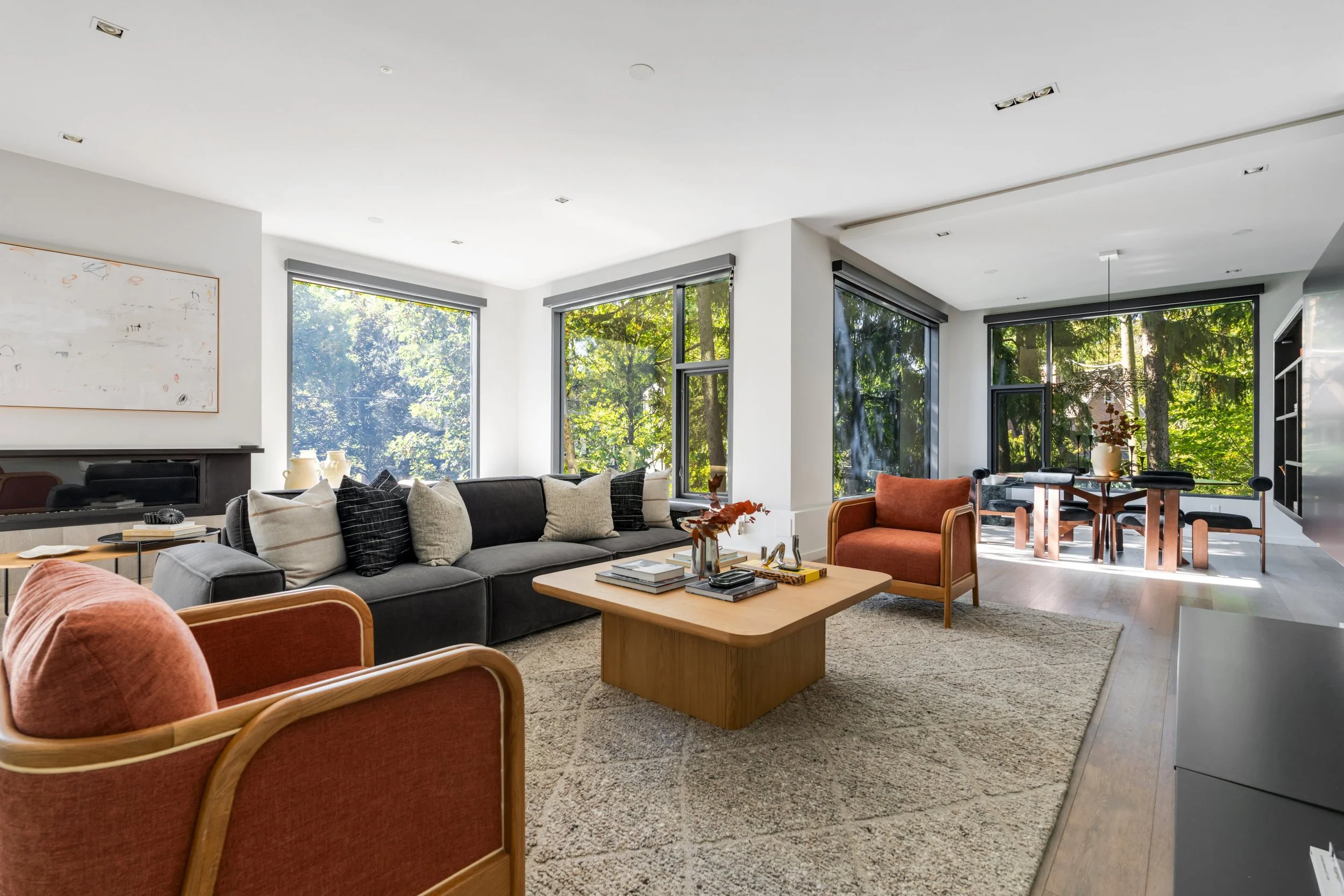
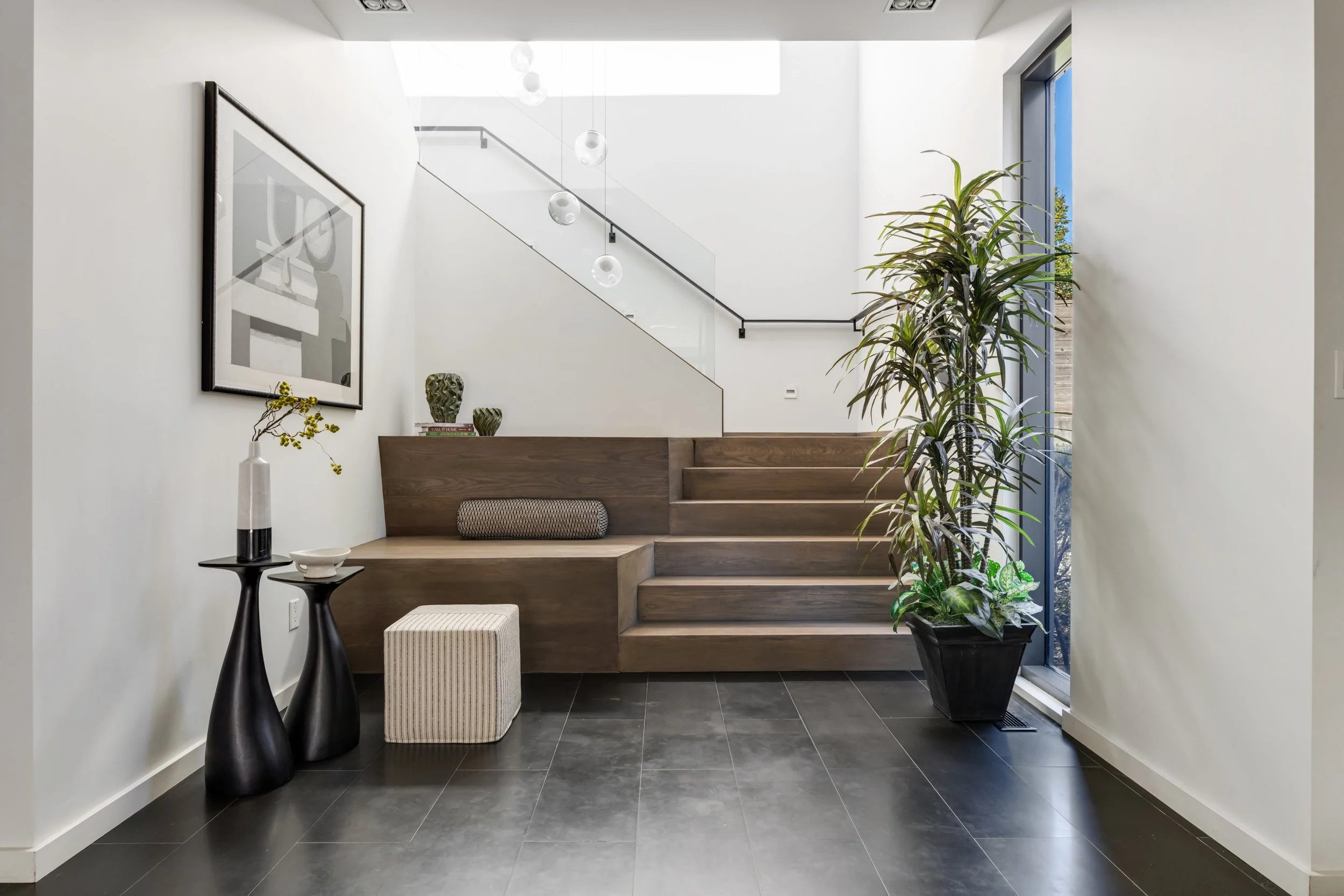
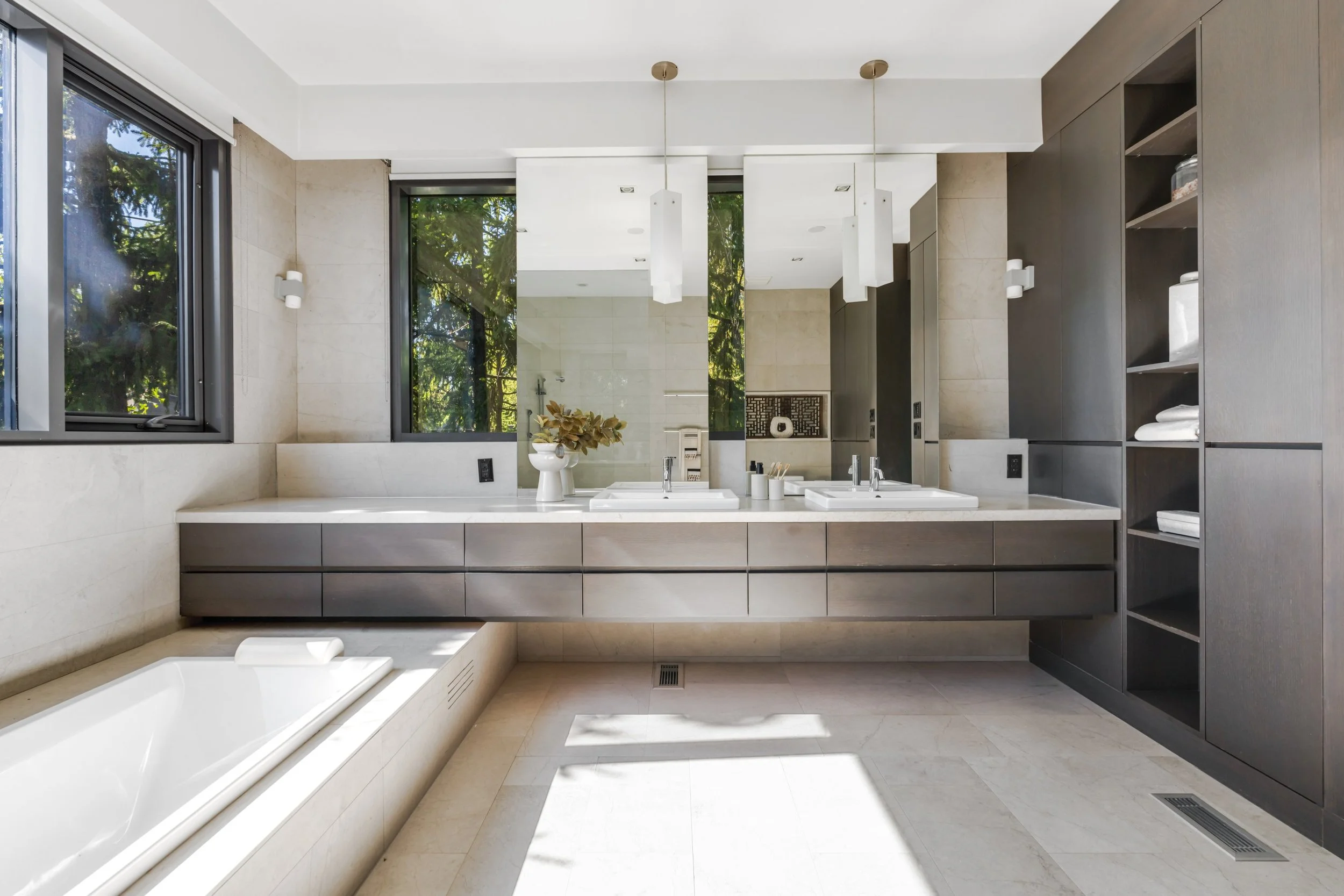
Quick Snapshot: Chaplin Estates and Forest Hill
Forest Hill is a larger, prestigious, family-luxury neighbourhood with marquee private schools inside its boundaries and a genuine village core. Chaplin Estates is a smaller, quieter, more architecturally uniform neighbourhood directly to the east, offering similar heritage character and school access at a lower price point. Both are midtown, both are family-oriented, both are anchored in 1920s-30s architecture - the core difference is prestige and price versus cohesion and value.
Forest Hill in one line: Buyers who want the prestige address, in-neighbourhood private schools, and a walkable village.
Chaplin Estates in one line: Buyers who want comparable heritage and school access at a more attainable price.
| Chaplin Estates | Forest Hill | |
|---|---|---|
| Best known for | Cohesive 1920s-30s architecture, value | Private schools (UCC, BSS), prestige, village |
| Architecture | Near-uniform Tudor, Georgian, English Cottage | Georgian, Tudor, English Cottage + contemporary infill |
| Scale | Small, intimate | Larger, with distinct submarkets |
| Price tier | ~15-25% below comparable Forest Hill | Among Toronto's highest |
| Schools | Oriole Park, North Toronto Collegiate; private nearby | UCC and BSS within the neighbourhood |
| Retail | Yonge-Eglinton, The Eglinton Way | Forest Hill Village |
| Green space | Eglinton Park, Beltline Trail | Tree-lined streets, Beltline access |
| Typical buyer | Value-conscious heritage families | Prestige-and-school-driven families |
Chaplin Estates Overview
-
Located between Forest Hill and Davisville Village, Chaplin Estates is characterized by tree-lined streets, large front lawns, and quiet residential streets centred on Chaplin Crescent, the curving signature street that gives the neighbourhood part of its identity. Most Chaplin Estates homes are detached, with private driveways - a distinguishing feature in midtown Toronto - alongside a smaller share of semi-detached homes and condominiums near the corridors.
-
Schools are a major draw. Oriole Park Junior School serves elementary students and North Toronto Collegiate Institute is the secondary school, both well-regarded public options. For private education, Bishop Strachan School, Upper Canada College, and St. Clement's School are all within reasonable distance in adjacent Forest Hill. The neighbourhood is anchored by Eglinton Park - with two baseball diamonds, soccer fields, tennis courts, the North Toronto Community Centre (indoor and outdoor pools, exercise rooms), and the Neshama Playground designed for children with disabilities - plus direct access to the Kay Gardner Beltline Trail.
-
Chaplin Estates' defining market characteristic is value relative to Forest Hill: comparable heritage homes typically price 15 to 25 percent below their Forest Hill equivalents. The average sale price sits around $2,545,571, with homes appreciating approximately 12.4% year-over-year, selling at about 1% over list price, within an average of 58 days.
Forest Hill Overview
-
![]()
The Enduring Appeal of Forest Hill
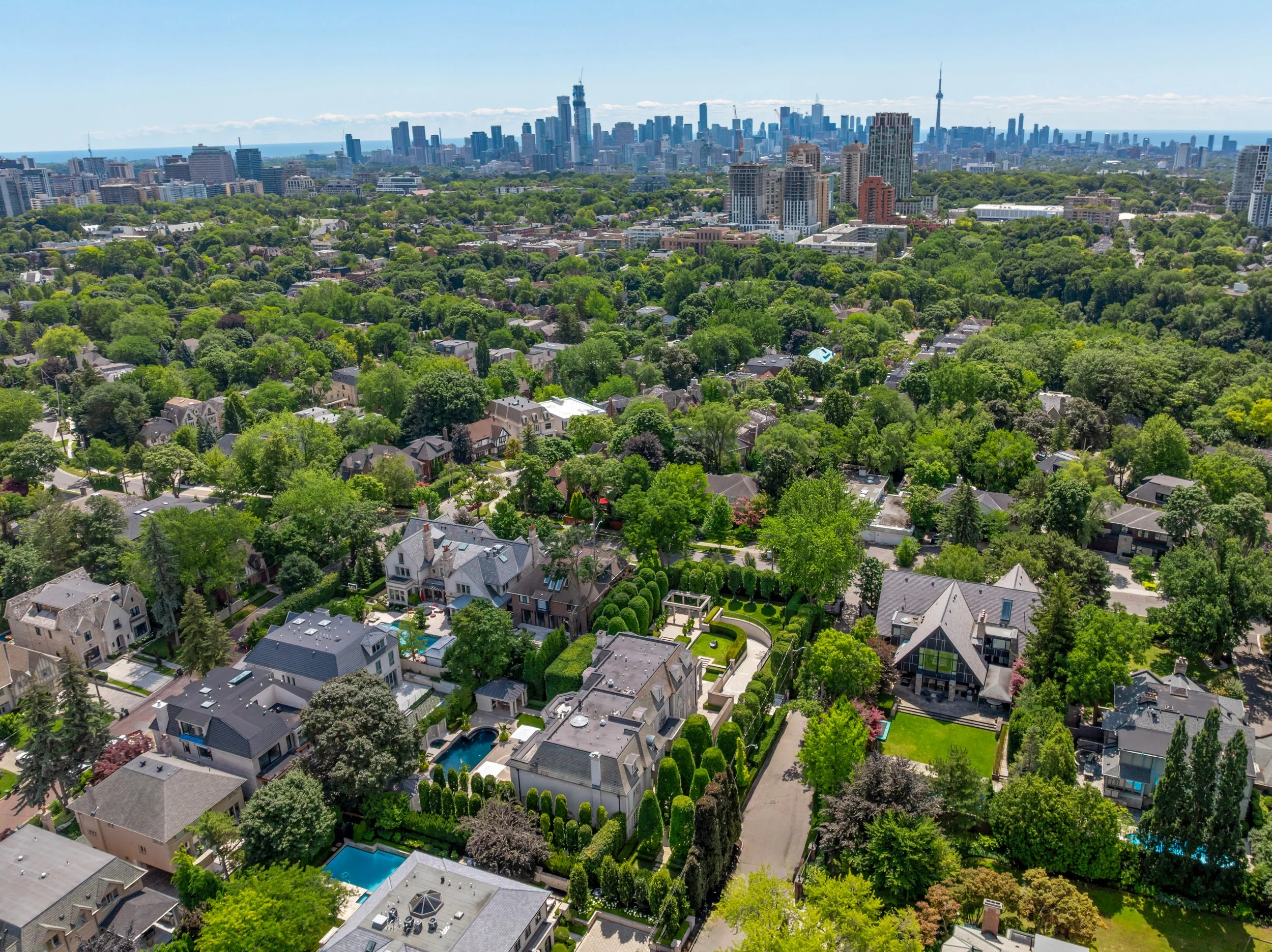
Forest Hill is one of Toronto’s most established luxury neighbourhoods, known for its prestigious schools, distinguished homes, and strong sense of identity. While it shares Chaplin Estates’ heritage character and midtown location, Forest Hill offers a larger, more varied market with higher price points, a walkable village, and direct access to some of Canada’s best-known private schools. -
![]()
Toronto’s Flagship Luxury Neighbourhood
Forest Hill is the larger and more prestigious of the two - one of Toronto's flagship family-luxury neighbourhoods. It is best known for its schools: Upper Canada College (boys) and Bishop Strachan School (girls), two of Canada's most prestigious private schools, sit within the neighbourhood itself. This in-neighbourhood access to marquee private schools is Forest Hill's single biggest differentiator from Chaplin Estates. -
![]()
Village Living & Architecture
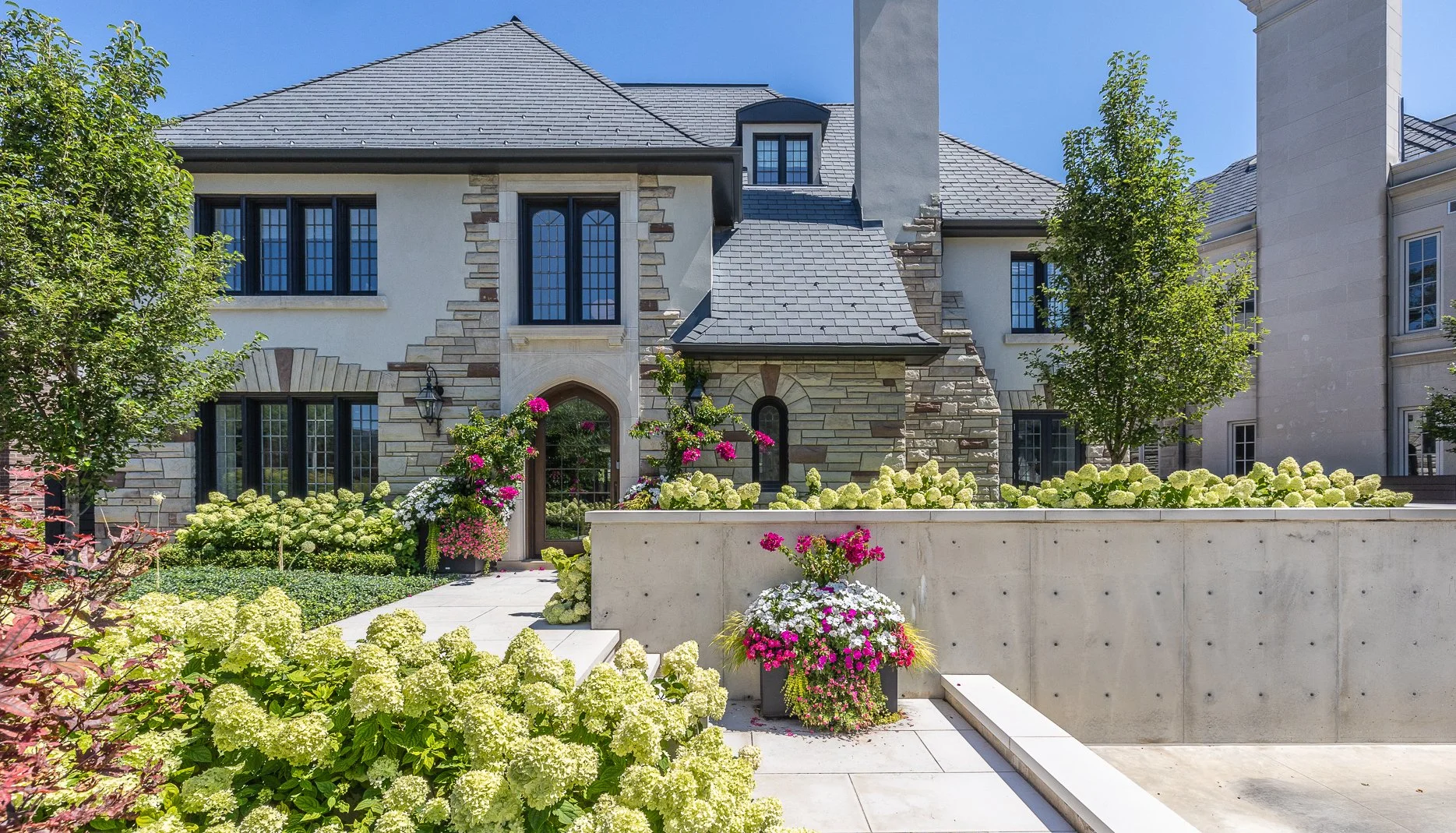
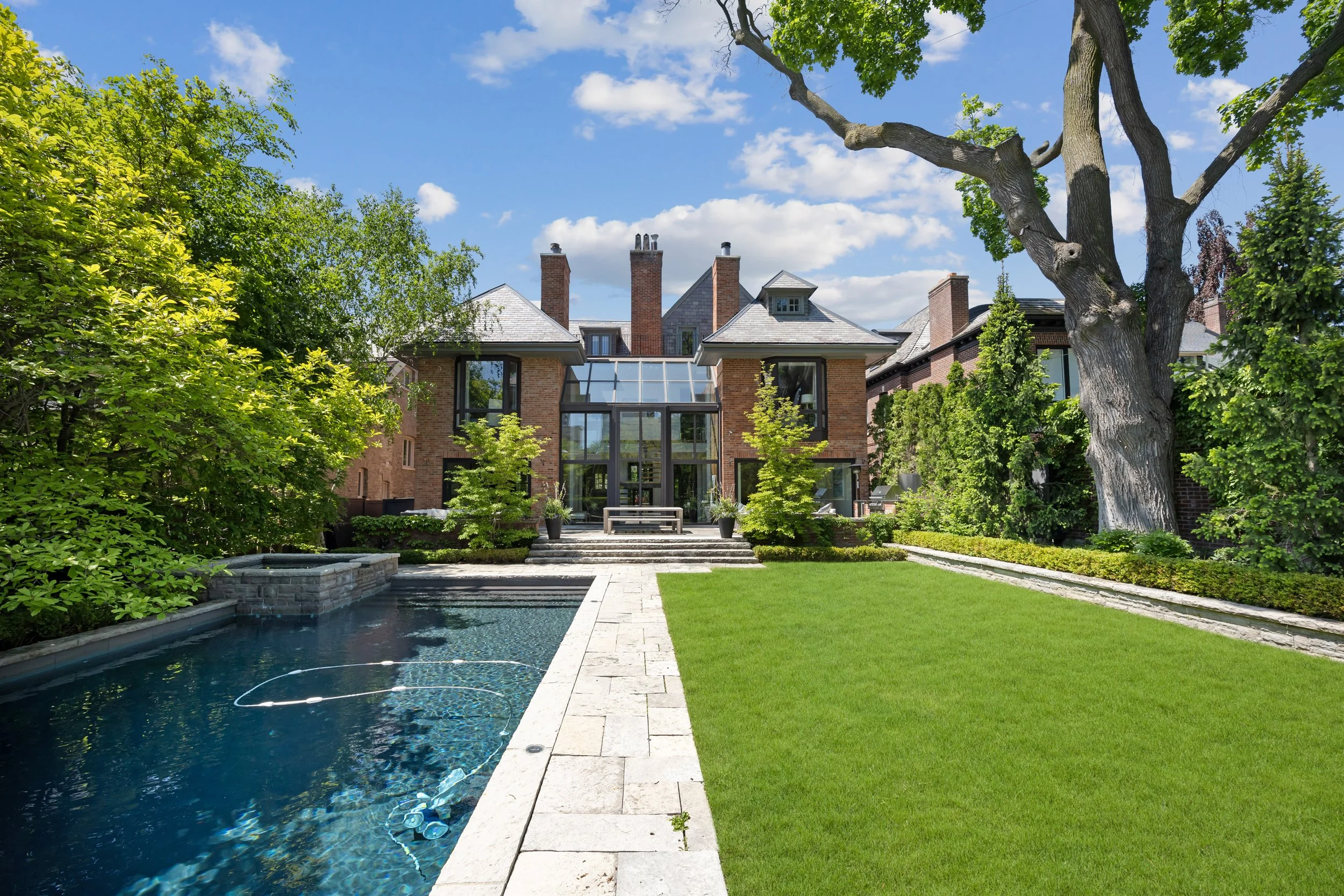
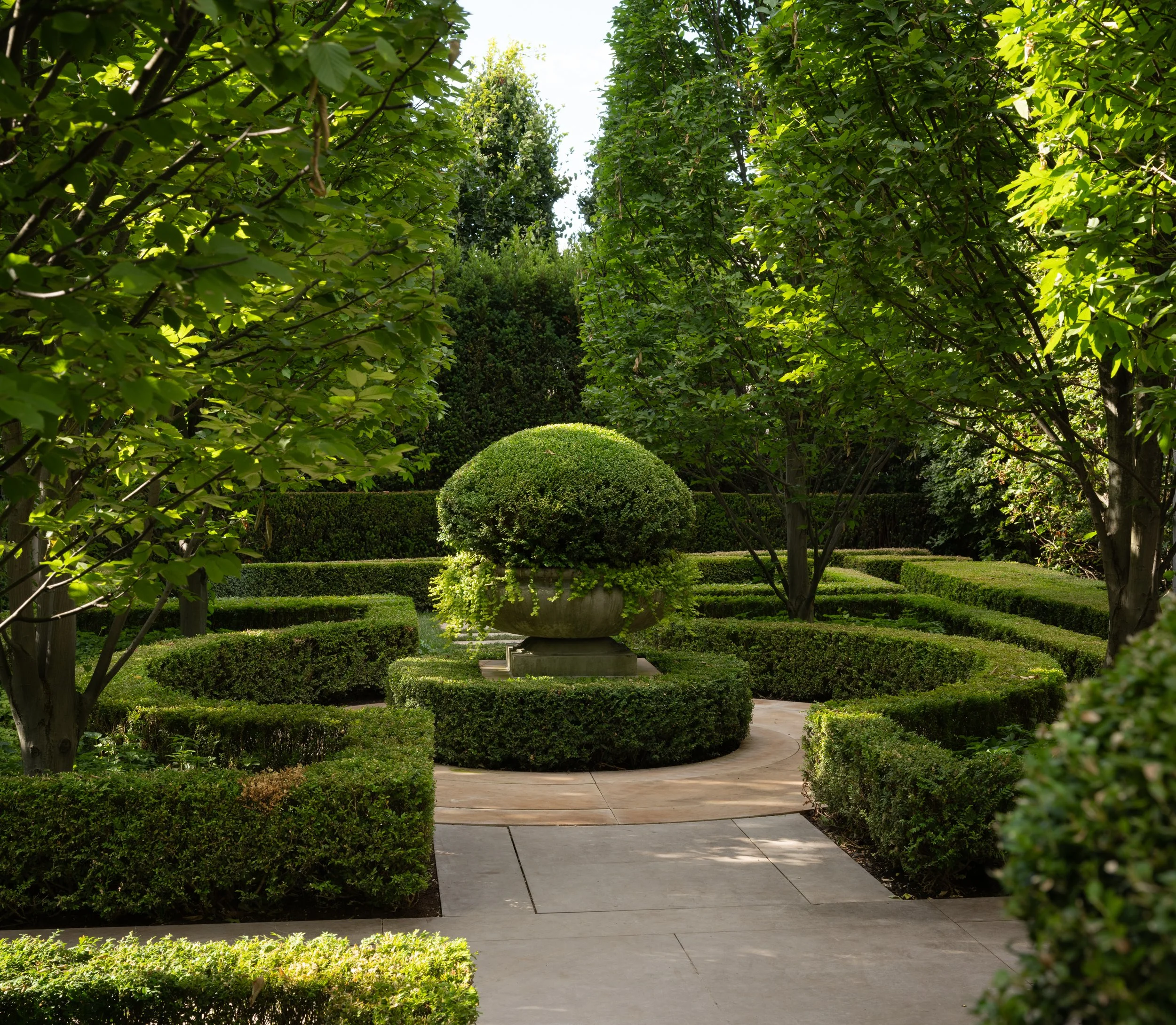
Forest Hill is built around Forest Hill Village, a walkable small-town shopping district with gourmet food shops, restaurants, and boutiques. Its architecture spans Georgian, Tudor, and English Cottage heritage homes - similar in era to Chaplin Estates - but with a more varied mix that includes substantial contemporary infill and architect-designed modern homes, particularly in the priciest submarket of Forest Hill South. The neighbourhood is larger than Chaplin Estates, with distinct submarkets at different price points, and carries prices among the highest in Toronto. -
![]()
Who Forest Hill Suits
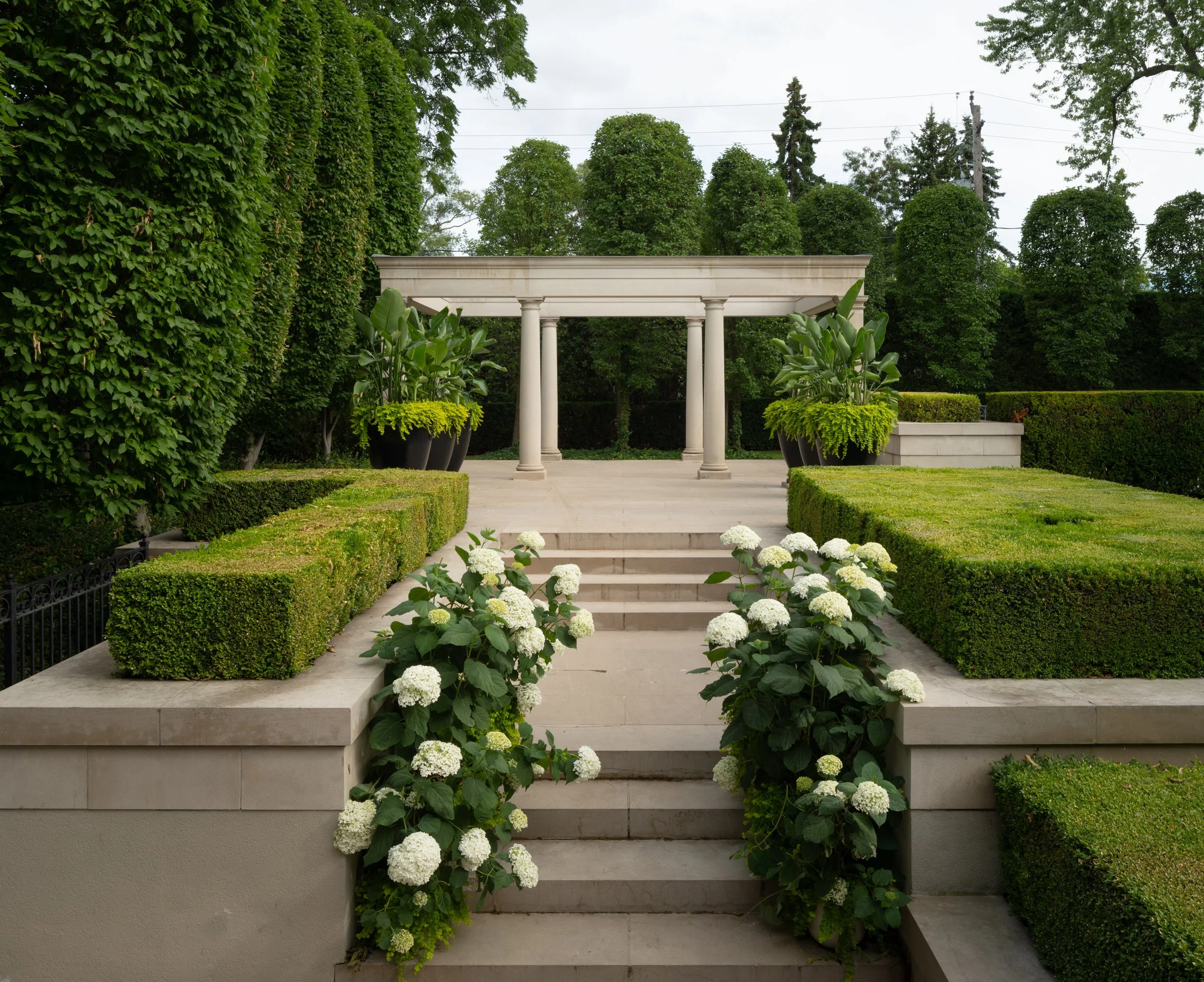
Forest Hill suits buyers for whom the prestige address and in-neighbourhood private school access justify the premium - and who want the walkable village and the architectural variety the larger neighbourhood offers.
The Differences That Actually Matter
-
In our opinion and experience, this is the heart of the comparison. Chaplin Estates homes typically price 15 to 25 percent below comparable Forest Hill properties - same era, similar architecture, comparable school access, at a meaningfully lower entry point. For buyers who love the Forest Hill aesthetic but find its pricing a stretch, Chaplin Estates delivers much of the same experience for less. This value gap is the single most common reason buyers choose Chaplin Estates over Forest Hill.
Advantage: Chaplin Estates for value.
-
Both neighbourhoods access excellent schools, but the relationship differs. Forest Hill has Upper Canada College and Bishop Strachan School within the neighbourhood - walking distance, in-neighbourhood prestige. Chaplin Estates accesses those same private schools through proximity (they're a short distance away in Forest Hill), while its own catchment is strong public schools: Oriole Park Junior and North Toronto Collegiate Institute. For families set on UCC or BSS specifically, Forest Hill's in-neighbourhood location is a genuine edge. For families who want strong public catchments plus private access nearby, Chaplin Estates delivers nearly the same menu at a lower price.
Advantage: Forest Hill for in-neighbourhood private school prestige; Chaplin Estates for public-catchment-plus-private-proximity at better value.
-
Chaplin Estates is more architecturally uniform - a near-continuous streetscape of intact 1920s and 1930s Tudor, Georgian, and English Cottage homes, which gives the neighbourhood a cohesive heritage character. Forest Hill has similar heritage stock but a more varied mix, including significant contemporary infill and modern architect-designed homes. Buyers who specifically want intact period architecture and streetscape consistency lean Chaplin Estates; buyers who want variety or the option of a contemporary home lean Forest Hill.
Advantage: Chaplin Estates for cohesion; Forest Hill for variety.
-
Chaplin Estates is small - an intimate, tightly defined neighbourhood where the community feel is concentrated. Forest Hill is larger, with distinct submarkets (Forest Hill North, South, and Lower) and a broader range of streets, price points, and housing types. Some buyers prefer the intimacy and consistency of Chaplin Estates' smaller scale; others prefer the range and prestige of Forest Hill's larger footprint.
Advantage: depends on preference - Chaplin Estates for intimacy, Forest Hill for range.
-
Forest Hill has Forest Hill Village, a dedicated walkable village core with gourmet food shops and boutiques at its centre. Chaplin Estates' retail is oriented toward the Yonge-Eglinton corridor and "The Eglinton Way" shopping district nearby, rather than a central village within the neighbourhood. Forest Hill offers village-at-your-door convenience; Chaplin Estates offers walking-distance access to a larger commercial corridor.
Advantage: Forest Hill for the village core; roughly even on overall retail access given Chaplin Estates' Yonge-Eglinton proximity.
Schools for Families: The Full Picture
Because both neighbourhoods are so school-driven, it's worth laying out the complete picture. Chaplin Estates' public catchment is genuinely strong; Oriole Park Junior School for elementary and North Toronto Collegiate Institute for secondary, both well-regarded. The private schools that define Forest Hill - Upper Canada College, Bishop Strachan School, and St. Clement's School - are all within reasonable distance of Chaplin Estates, just across the neighbourhood boundary.
So the practical question for a family is: do you need to be in the private-school neighbourhood, or is being a short distance away acceptable? For families whose children will attend UCC or BSS and who value walking-distance proximity and the prestige of the Forest Hill address, Forest Hill justifies its premium. For families who will use the strong public catchments, or who are fine with a short commute to the private schools, Chaplin Estates offers nearly identical access at a 15-to-25-percent lower price. That trade-off is what we've seen in the entire decision for many buyers.

Transit and Getting Downtown
Both neighbourhoods sit in midtown with comparable transit. Davisville and Eglinton subway stations are within walking distance of Chaplin Estates, and the Eglinton Crosstown LRT improves east-west access across the city. Forest Hill has similar access via the St. Clair and Eglinton corridors. From either neighbourhood, residents can reach downtown in roughly 15 minutes by car (Union Station is about a 15-minute drive from Chaplin Estates), with the subway providing a reliable transit alternative. Neither neighbourhood has a meaningful transit advantage over the other - both are well-connected midtown locations.
Green Space and Recreation
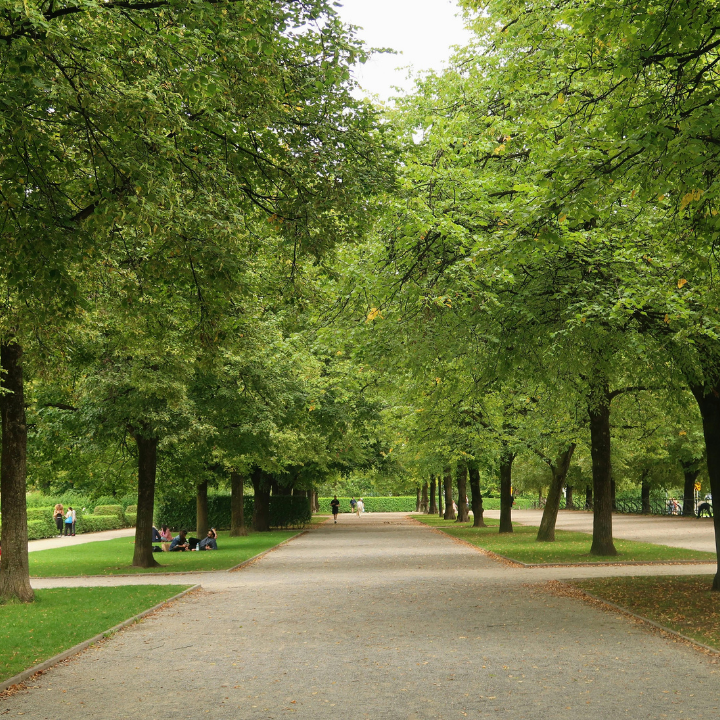
Both neighbourhoods access the Kay Gardner Beltline Trail, the 9-kilometre walking and cycling path that runs through midtown Toronto. Chaplin Estates is particularly well-served by Eglinton Park, which offers two baseball diamonds, soccer fields, tennis courts, the North Toronto Community Centre (with indoor and outdoor pools and exercise rooms), and the Neshama Playground designed for children with disabilities. Sunnybrook Park, with its bike trails and sports fields, is also within reach. Forest Hill's green character comes more from its tree-lined streets and Beltline access than from a single major park. For families who value organized recreational facilities, Chaplin Estates' Eglinton Park is a genuine asset.
Which Should You Choose?
Choose Forest Hill if:
Upper Canada College or Bishop Strachan School is central to your decision and you want to be in the neighbourhood
The prestige of the Forest Hill address matters to you
You want a walkable village core with gourmet shops at your door
You value architectural variety, including the option of a contemporary home
The price premium is comfortable for your budget
Choose Chaplin Estates if:
You love 1920s-30s heritage architecture and want streetscape cohesion
You want comparable school access at a meaningfully lower price (15-25% below Forest Hill)
Strong public catchments plus private-school proximity works for your family
You prefer a smaller, more intimate neighbourhood
Value matters and you'd rather not pay the Forest Hill prestige premium
Questions to Ask Yourself:
Do your children need to be in the private-school neighbourhood, or is proximity enough?
How much is the Forest Hill prestige address worth to you in real dollars?
Do you want architectural cohesion (Chaplin Estates) or variety (Forest Hill)?
Does a 15-to-25-percent price difference change which homes you can afford?
For a great many buyers, the honest answer is that Chaplin Estates delivers most of what they love about Forest Hill for meaningfully less; and the premium for Forest Hill is really a premium for the marquee schools being inside the boundary and for the prestige of the name. Whether that premium is worth it is a personal calculation, and it's exactly the conversation worth having before you decide.

Meet the Real Estate Specialists: Paul Maranger & Christian Vermast
Paul Maranger and Christian Vermast co-founded Paul & Christian Associates and have represented buyers and sellers across both Forest Hill and Chaplin Estates for two decades, backed by $1 billion in career sales and the Sotheby's International Realty global network. Because they work both neighbourhoods, they can give you an honest read on whether the Forest Hill premium is worth it for your situation - or whether Chaplin Estates gets you most of the way there for less.
Start Your Toronto Luxury Home Search
Whether you are buying, selling, or comparing neighbourhoods before you decide, we are happy to talk. We do not run discovery calls as sales pitches. They are working conversations about what you want and which neighbourhoods make sense.
Frequently Asked Questions: Chaplin Estates vs Forest Hill
-
Yes. Comparable heritage homes in Chaplin Estates typically price 15 to 25 percent below their Forest Hill equivalents - same era, similar Tudor/Georgian/English Cottage architecture, comparable school access, at a lower entry point. Chaplin Estates' average sale price sits around $2,545,571, while Forest Hill prices range higher across its submarkets. The gap reflects Forest Hill's prestige premium and its in-neighbourhood private schools rather than any difference in home quality.
-
No. Chaplin Estates and Forest Hill are adjacent but distinct neighbourhoods. Chaplin Estates sits directly east of Forest Hill, between Forest Hill and Davisville Village. They share architectural character and overlap in school access, but they are separate neighbourhoods with separate identities and meaningfully different price tiers.
-
Both have excellent school access, but the relationship differs. Forest Hill has Upper Canada College and Bishop Strachan School within the neighbourhood. Chaplin Estates accesses those same private schools through proximity (they're a short distance away) while its own catchment includes strong public schools - Oriole Park Junior School and North Toronto Collegiate Institute. Families set on UCC or BSS with in-neighbourhood proximity lean Forest Hill; families using strong public catchments plus nearby private access get better value in Chaplin Estates.
-
Chaplin Estates is known for its cohesive heritage architecture - Tudor, Georgian, and English Cottage homes, most built between 1920 and 1940, with steeply pitched roofs, leaded glass windows, and stucco and brick exteriors. The neighbourhood is more architecturally uniform than Forest Hill, which has similar heritage stock alongside more contemporary infill and modern homes.
-
The most common reason is value: Chaplin Estates offers comparable 1920s-30s heritage architecture and similar school access at 15 to 25 percent below Forest Hill pricing. Buyers also choose Chaplin Estates for its architectural cohesion, its quieter and more intimate scale, and its strong public-school catchments. For families who don't require the marquee private schools to be inside their neighbourhood, Chaplin Estates delivers much of the Forest Hill experience for less.
-
Forest Hill's advantages are its in-neighbourhood private schools (Upper Canada College and Bishop Strachan School), the prestige of the Forest Hill address, its walkable village core with gourmet shops, its architectural variety including contemporary options, and its larger scale with a broader range of streets and homes. For families set on the marquee private schools or who value the prestige and village, Forest Hill justifies its premium.
-
Yes - they're directly adjacent. Forest Hill's eastern edge runs into Chaplin Estates' western edge, so the two neighbourhoods are a short walk apart. This proximity is part of why they're so often compared: a buyer can access many of the same amenities, schools, and the Beltline Trail from either neighbourhood, with the main differences being price, architectural cohesion, and scale.
-
Chaplin Estates is known for its cohesive 1920s and 1930s heritage architecture (Tudor, Georgian, and English Cottage homes), its quiet tree-lined streets centred on Chaplin Crescent, its strong school access, Eglinton Park and the Kay Gardner Beltline Trail, and its value relative to neighbouring Forest Hill. It's often described as one of midtown Toronto's best-kept secrets for buyers who want heritage character without Forest Hill's premium.

Explore Both Neighbourhoods in Depth
Here are more details on both neighbourhoods:
Chaplin Estates Real Estate Guide - the architecture, the streets, the schools, and the market
Forest Hill Real Estate Guide - schools, village, submarkets, and the market
All Toronto Luxury Neighbourhoods - compare across the full set
Working with Paul & Christian Associates
Whether you are buying, selling, or comparing neighbourhoods before you decide, we are happy to talk. We do not run discovery calls as sales pitches - they are working conversations about what you want and how Chaplin Estates or Forest Hill fits.
Get a custom valuation for your home - most useful if you are considering selling within 12 months
Start your home search in Chaplin Estates or Forest Hill with us - for buyers actively looking
Read Paul Maranger and Christian Vermast's full bio - to understand how the team operates