

Chaplin Estates Real Estate: A Buyer and Seller's Guide to One of Midtown Toronto's Best-Kept Secrets
Paul Maranger and Christian Vermast, Brokers and Executive Vice Presidents of Sales, Sotheby's International Realty Canada
Who Sells Homes in Chaplin Estates?
Chaplin Estates is one of midtown Toronto's most cohesive and architecturally consistent neighbourhoods; block after block of 1920s and 1930s Tudor, Georgian, and English Cottage homes on tree-lined streets, with strict heritage character that has made it a value alternative to neighbouring Forest Hill for families who want the same architecture and school access at a different price tier.
Selling here requires understanding what authentic 1920s heritage architecture commands, how the Forest Hill-adjacent positioning shapes buyer expectations, and how to price with precision in a market where accurately priced inventory moves quickly and mispriced homes sit.
Inside the Chaplin Estates Market
Paul & Christian Associates have specialized in midtown Toronto for two decades, with both Paul and Christian representing buyers and sellers throughout Chaplin Estates and the surrounding neighbourhoods. Backed by $1 billion in career sales and the Sotheby's International Realty global network, we help sellers position heritage homes for the right family buyer pool and help buyers navigate one of midtown Toronto's most cohesive and architecturally distinct neighbourhoods.
What is Chaplin Estates Known For?
-
Chaplin Estates takes its name from the Chaplin family, who owned the land that became the neighbourhood. Development began in the 1910s, with the bulk of the heritage housing stock built during the 1920s and 1930s for Toronto's professional and merchant class. The neighbourhood was deliberately planned with consistent setbacks, generous lot sizes by midtown standards, and an architectural standard that favoured Tudor and Georgian Revival styles.
The result is one of Toronto's most uniformly architecturally cohesive neighbourhoods; a defining characteristic that distinguishes it from larger, more mixed neighbourhoods like Lawrence Park or The Annex.
-
Much of Chaplin Estates is recognized for its heritage character, with portions of the neighbourhood subject to heritage conservation guidelines that protect the architectural cohesion. The heritage protections reflect what makes the neighbourhood distinctive - the 1920s and 1930s Tudor, Georgian, and English Cottage homes that define its streetscape exist in concentration that cannot be replicated elsewhere in the city. For buyers, the heritage designation means understanding what can and cannot be modified on a given property; for sellers, it means the architectural authenticity of an intact heritage home is a meaningful value driver.
-
Chaplin Estates sits in central midtown Toronto, generally bounded by Yonge Street to the east, Avenue Road to the west, Eglinton Avenue to the north, and the streets approaching Davisville to the south. The neighbourhood sits directly adjacent to Forest Hill, with Forest Hill's eastern boundary forming much of Chaplin Estates' western edge. This adjacency is central to how the market functions; buyers comparing the two often see Chaplin Estates as offering the same 1920s-1930s heritage architecture and school access at a more accessible price point than Forest Hill proper.
-
Chaplin Estates is genuinely the neighbourhood families settle in when Forest Hill's price tier stretches too far. The architectural pedigree is comparable — Tudor, Georgian, English Cottage homes built in the same 1920s-1930s era, often by the same builders and architects. The school access is functional - Bishop Strachan School, Upper Canada College, and St. Clement's School are all within reasonable distance.
The streetscape is similarly tree-lined and residential. What differs is the price tier: Chaplin Estates typically transacts 15-25% below comparable Forest Hill properties, which makes it one of midtown Toronto's most compelling family-luxury choices for buyers who want heritage character without Forest Hill's premium.
Chaplin Estates is known for its rare architectural cohesion; block after block of 1920s and 1930s Tudor, Georgian, and English Cottage homes on quiet, tree-lined streets in central midtown Toronto. It is one of the city's most consistently family-luxury neighbourhoods, anchored by strong public and private school access, the Kay Gardner Beltline Trail running through it, and direct walking distance to the Yonge and Eglinton corridor's premium shopping and dining.
Chaplin Estates serves families who want Forest Hill's character and school proximity at a meaningfully different price point.
Architecture and Home Styles in Chaplin Estates
-
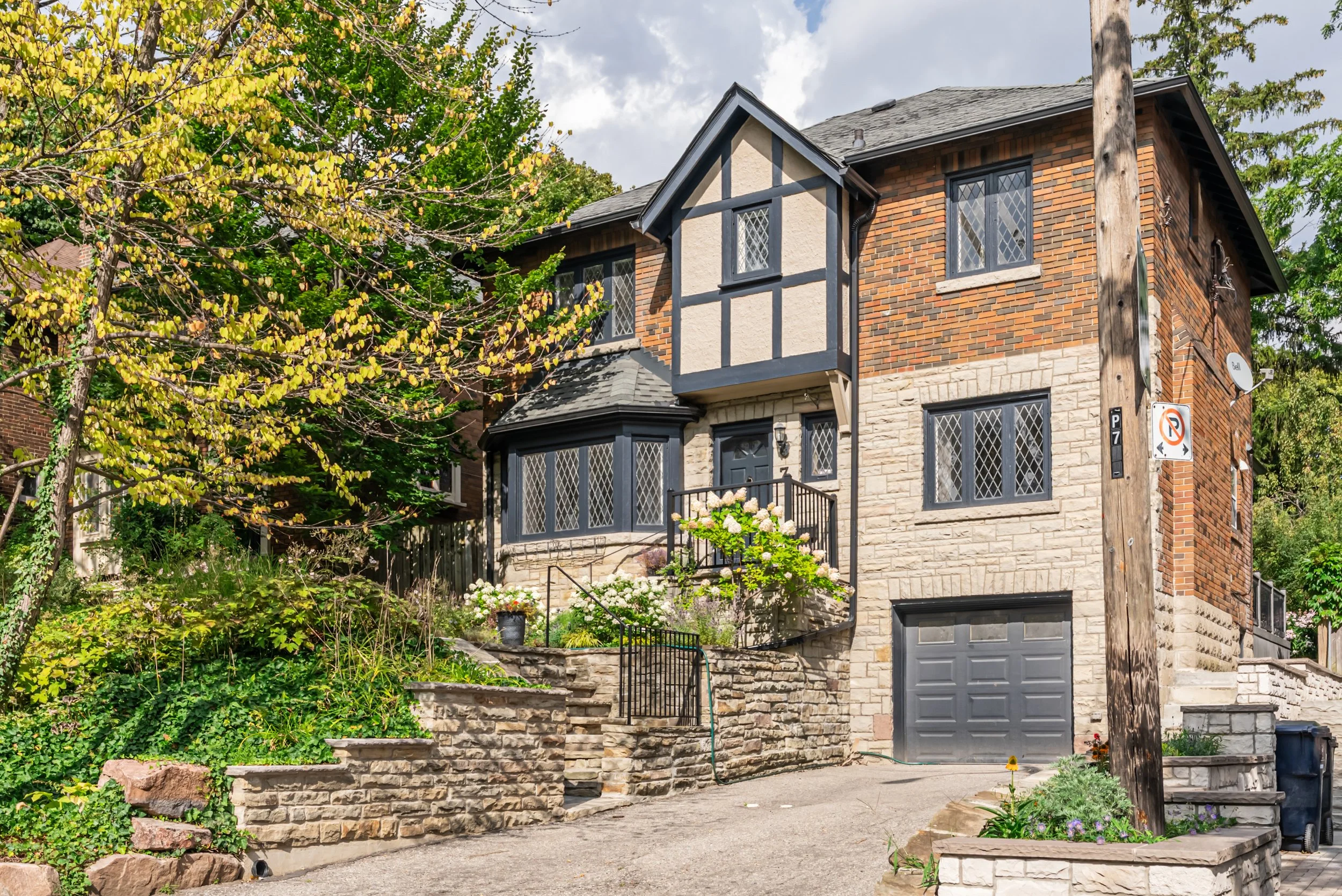
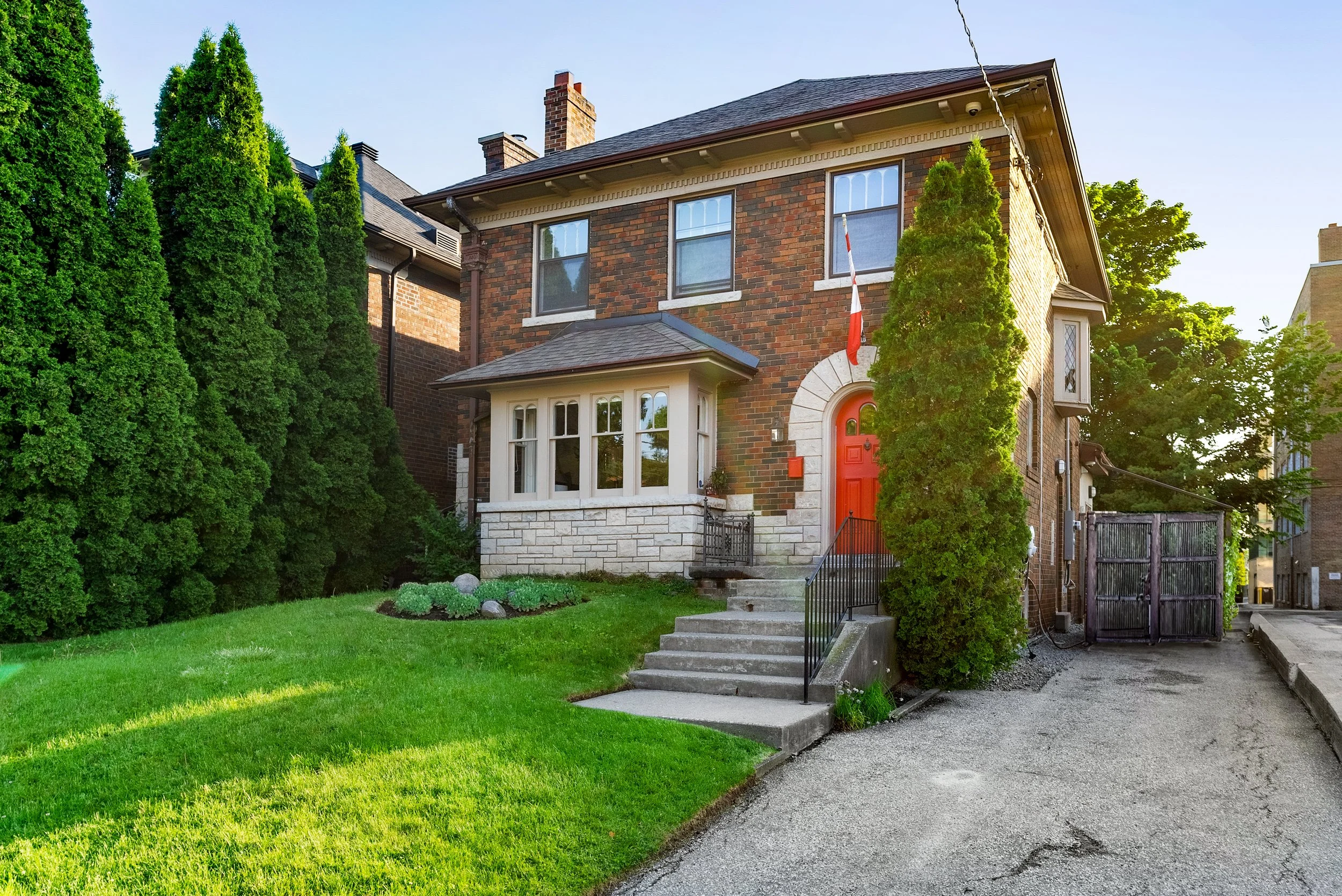
The dominant architectural styles in Chaplin Estates are English Cottage and Tudor Revival, built during the neighbourhood's peak development era of the 1920s and 1930s. These are two and three storey detached homes, typically of brick or stone construction, with steeply pitched roofs, half-timbering, leaded glass windows, and the irregular massing that defines the styles.
Many sit on premium lots with private driveways - a distinguishing feature that not every midtown Toronto neighbourhood can claim. The English Cottage homes in particular are concentrated in pockets that read as continuously preserved heritage streetscape, which is part of what makes the neighbourhood feel architecturally unified.
-
A second meaningful share of Chaplin Estates' housing stock consists of Georgian Revival and Colonial Revival homes from the same 1920s-1930s era. These homes are typically larger and more formally proportioned than the English Cottages, with symmetrical facades and more classical detailing. Georgian Revival homes are most prominent on the streets closer to Eglinton Avenue and on some of the wider, deeper lots. They appeal to buyers who want heritage character with somewhat more contemporary interior proportions.
-
A small share of Chaplin Estates' inventory consists of contemporary infill homes built since roughly 1995, where buyers acquired older properties and built new. Within heritage-protected pockets, infill development is constrained by conservation guidelines that protect the streetscape. Outside those pockets, contemporary builds appear but tend to be architect-designed and built to a standard consistent with the surrounding heritage character. Renovations of original 1920s and 1930s homes are common and substantial; many Chaplin Estates homes now combine heritage exteriors with extensively updated interiors.
Chaplin Estates' defining characteristic is its architectural cohesion. Most homes were built in the 1920s and 1930s, with Tudor, Georgian, and English Cottage styles dominating the streetscape.
Heritage Considerations and What the HCD Means for Buyers
For buyers, the heritage character of much of Chaplin Estates carries practical implications. Front facades, visible architectural details, and streetscape elements are generally protected and cannot be substantially altered. Interior renovation, rear additions within specified envelopes, and modernization of kitchens, bathrooms, and mechanical systems are generally permitted. Buyers planning major renovations should engage an architect with Chaplin Estates experience before submitting an offer; understanding what can be changed and what cannot is essential to a successful purchase.
The Chaplin Estates Streets and Pockets That Matter
-
![The Chaplin Crescent Core]()
The Chaplin Crescent Core
The streets along and surrounding Chaplin Crescent, the curving signature street that gives the neighbourhood part of its identity, carry the strongest address premium and the most intact heritage architecture. Properties here, particularly those on Chaplin Crescent itself, command meaningful premiums over otherwise comparable Chaplin Estates homes one or two streets over.
-
![The Streets Near the Beltline]()
The Streets Near the Beltline
The streets bordering the Kay Gardner Beltline Trail offer something most Chaplin Estates homes cannot: direct access to a green corridor running through the heart of central Toronto. Lots adjacent to the Beltline command additional premiums for the direct trail access, the open vista, and the quieter back-of-property experience.
-
![The Forest Hill-Adjacent Edge]()
The Forest Hill-Adjacent Edge
The streets along Chaplin Estates' western boundary, transitioning toward Forest Hill, mix the architectural character of Chaplin Estates with the address halo of Forest Hill proximity. These streets often see strong buyer competition because they offer both; Chaplin Estates pricing with Forest Hill walkability.

Schools in Chaplin Estates
Chaplin Estates' school access is one of the primary reasons families choose the neighbourhood. The public and private school options together cover most family needs.
Public School Catchments
The primary public schools serving Chaplin Estates include Oriole Park Junior School and North Toronto Collegiate Institute, both well-regarded TDSB catchments. Oriole Park serves the elementary years, while North Toronto Collegiate Institute is a strong secondary catchment. The public schools in Chaplin Estates receive high ratings from the Fraser Institute, making them a desirable choice for families who route their children through public education.
Private School Access
Parents in Chaplin Estates often choose private schooling for their children due to the impressive options available within walking or short driving distance. Bishop Strachan School (girls) and Upper Canada College (boys) sit in adjacent Forest Hill, making them practical options for Chaplin Estates families. St. Clement's School (girls), one of Canada's most established private girls' schools, is similarly proximate. Several other private school options are within reasonable distance, giving families a deep menu of private education choices.
The Catchment Effect on Pricing
The combination of strong public catchments and proximity to private school options is a primary driver of Chaplin Estates pricing. Family buyers, who make up the largest share of the market, pay meaningfully for school positioning, particularly homes that combine the Oriole Park or North Toronto Collegiate catchments with walking distance to Bishop Strachan School or St. Clement's School. This school-access premium is one of the structural reasons Chaplin Estates holds value well even as broader Toronto markets fluctuate.

Bishop Strachan School
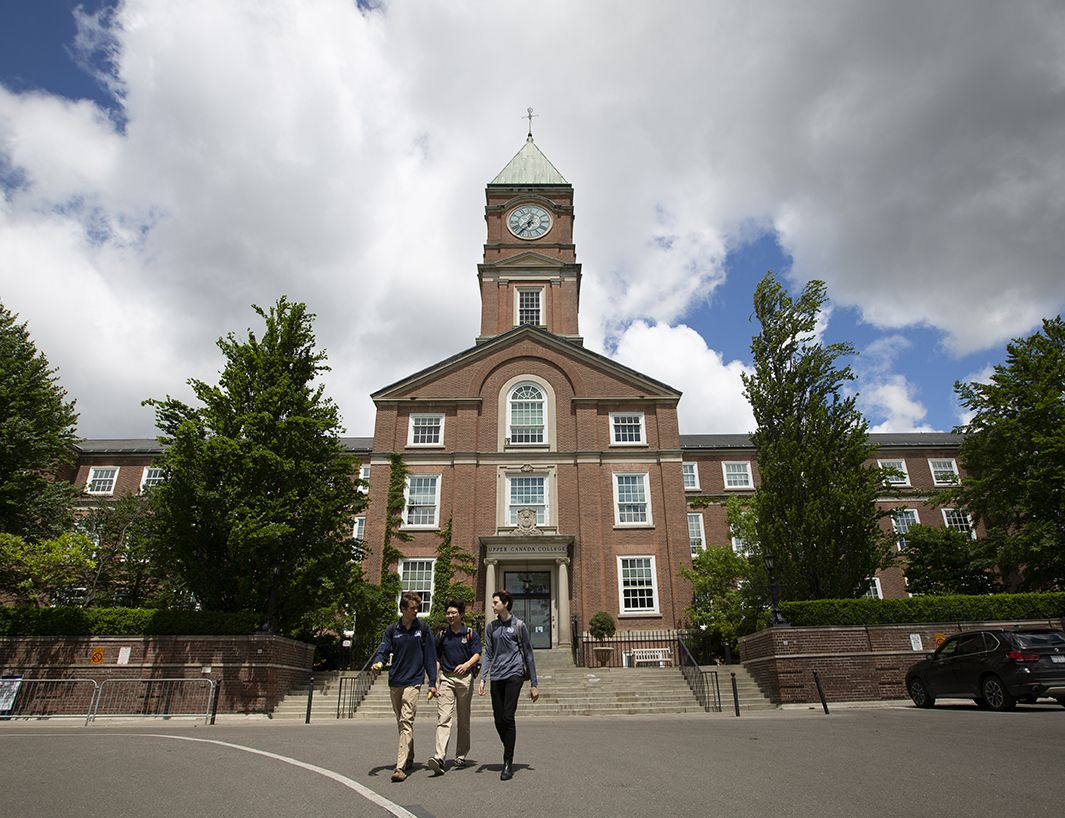
Upper Canada College
Lifestyle, Amenities, and What Daily Life Looks Like
Chaplin Estates' lifestyle combines quiet residential character with direct walking distance to one of midtown Toronto's strongest retail and dining corridors.
The Kay Gardner Beltline Trail
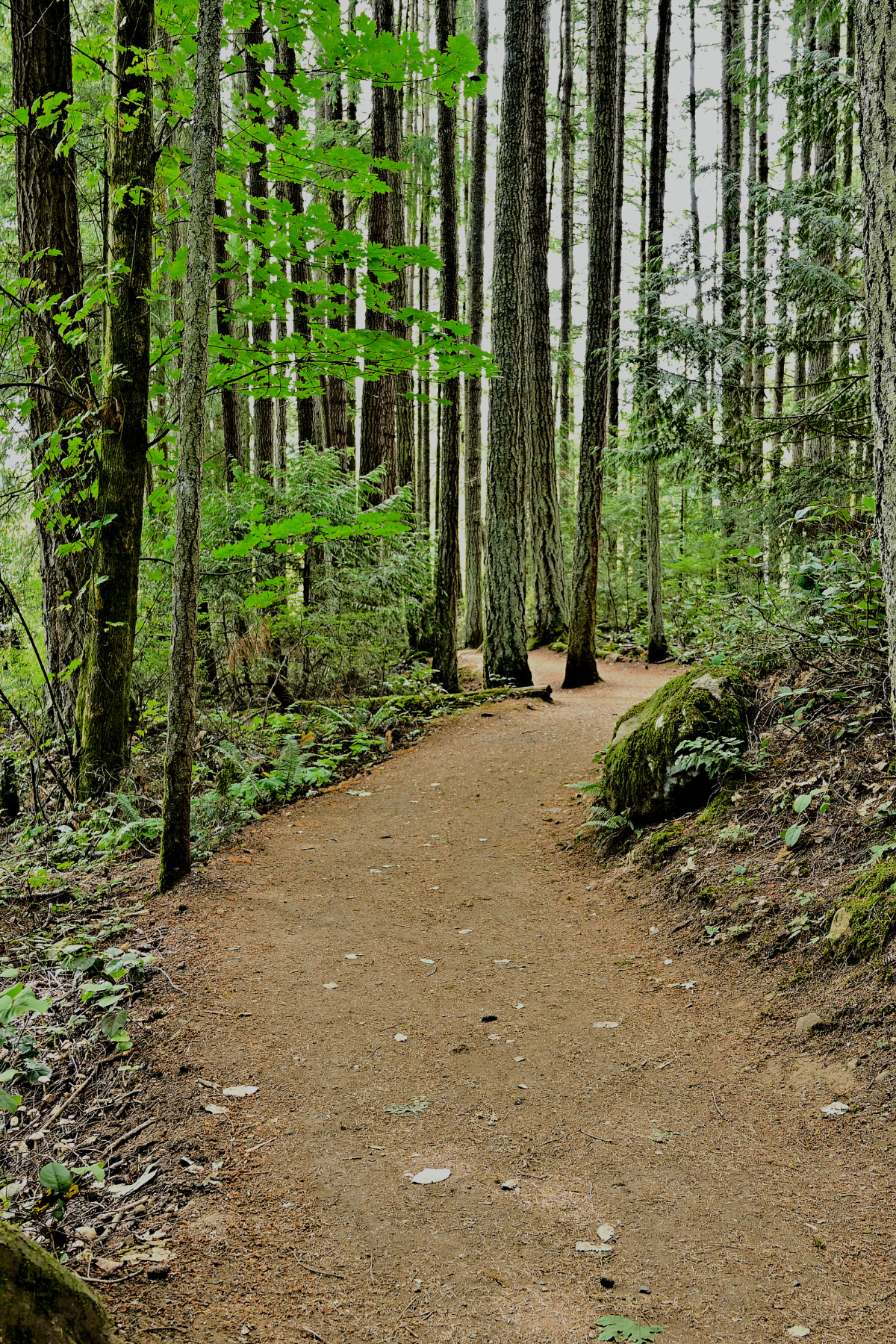
The 9-kilometer Kay Gardner Beltline Trail runs directly through Chaplin Estates, providing residents with direct access to a green corridor ideal for walking and cycling. The Beltline is built on the former Belt Line railway line and connects Chaplin Estates to Forest Hill, Moore Park, and the broader Toronto ravine network. For Chaplin Estates residents, the Beltline is a daily-use amenity - a walking and cycling route that connects to the neighbourhood's parks, schools, and retail without requiring car travel.
Yonge Street, Eglinton, and the Retail Corridors
Chaplin Estates sits within walking distance of the Yonge and Eglinton corridor, known for its premium shopping and dining options. Residents enjoy access to "The Eglinton Way," a shopping district featuring high-end fashion boutiques, gourmet food shops, restaurants, cafes, and a movie theatre. The neighbourhood is also a short distance from the Yonge and St. Clair retail strip to the south, giving residents access to two distinct commercial corridors within walking range. This walkable retail access is part of what makes Chaplin Estates a genuinely complete neighbourhood for family life.

Parks and Green Space
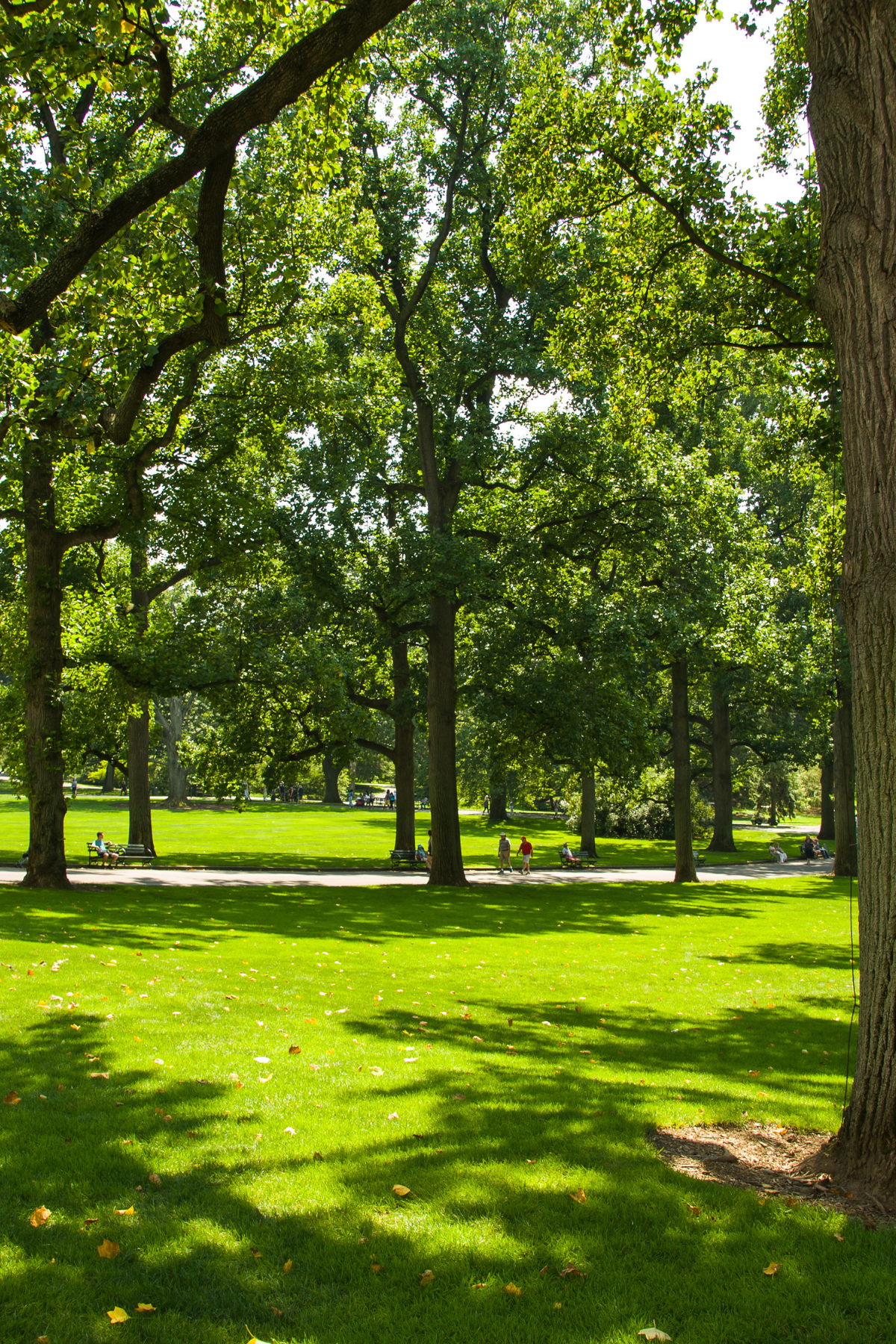
Beyond the Beltline, Chaplin Estates benefits from several substantial parks. Eglinton Park, adjacent to the North Toronto Memorial Community Centre, includes a baseball diamond, tennis courts, a wading pool, and an artificial ice hockey rink - providing year-round recreational facilities for families. Oriole Park, near the school of the same name, offers additional green space for daily use. Together with the Beltline, the parks system gives Chaplin Estates an unusually deep green-space network for its compact size.
Walkability, Transit, and the Eglinton Crosstown LRT
Chaplin Estates is well-served by transit, with both the existing Eglinton subway and bus services and the Eglinton Crosstown LRT providing access across the city. The North Toronto Memorial Community Centre, located at 200 Eglinton Avenue East, offers an indoor and outdoor pool, gymnasium, and exercise rooms for residents. The neighbourhood is walkable to retail and schools, while the LRT makes downtown and east-west commutes meaningfully more efficient. The transit improvements have strengthened Chaplin Estates' positioning and are expected to support continued property value growth.

Chaplin Estates Real Estate Market Data in 2026
Market data is updated quarterly. For the full current figures including transaction volume by housing type and street-level pricing, see Paul & Christian's Market Snapshot.

Average & Benchmark Home Prices
Chaplin Estates' market reflects sustained demand for its 1920s and 1930s detached heritage homes. The 12-month rolling average price sits at approximately $2,724,333, with year-over-year appreciation of approximately 12.4%. The average sale price in April 2026 was approximately $2,545,571, reflecting a 5.4% year-over-year increase. Properties typically sell at approximately 1% over list price, with an average of 58 days on the market.
These figures should be treated as directional, and the Chaplin Estates market mixes detached heritage homes (which command the highest prices) with condominium inventory near the corridors (which transact at lower price points). Verify current pricing against TRREB data for a specific property type before making decisions.

Year-Over-Year Trends
The broader Toronto market corrected modestly through 2025, but Chaplin Estates has shown meaningful strength - outperforming the city average due to the limited inventory of authentic 1920s and 1930s heritage homes, the strong school catchment positioning, and the value-tier appeal relative to Forest Hill. Property values are expected to continue increasing at an above-average pace given the transit improvements from the Eglinton Crosstown LRT and the neighbourhood's desirability relative to nearby elite neighbourhoods.

Days on Market & Sale-to-List Ratio
Chaplin Estates is currently experiencing a highly active seller's market, driven by low inventory, premium status, and high demand for the 1920s and 1930s detached properties. Properties typically sell within 58 days, with accurately priced inventory often moving faster. Pricing with precision is critical for sellers; mispriced homes in this market sit longer than they should, while accurately priced homes often see competitive activity within the first few weeks.
Who Are the Buyers in Chaplin Estates?
-
The largest buyer pool in Chaplin Estates is families who considered Forest Hill and chose Chaplin Estates for the price-tier difference at comparable architectural quality. These buyers typically want the heritage character, the school access (often targeting Bishop Strachan School, UCC, or St. Clement's combined with strong public catchments), and the walkable midtown lifestyle. Chaplin Estates lets them achieve all of that at meaningfully more accessible pricing than Forest Hill proper.
-
A meaningful share of Chaplin Estates buyers come specifically for the architecture - the genuinely intact concentration of 1920s and 1930s Tudor, Georgian, and English Cottage homes. These buyers often have a clear architectural preference (English Cottage or authentic Tudor in particular) and are willing to wait for the right property. They prize architectural authenticity over location flexibility.
-
A third buyer profile, particularly common in Chaplin Estates given the low turnover, is the long-term hold owner. The neighbourhood's character, school stability, and architectural cohesion all reward long ownership; families frequently hold Chaplin Estates homes for 15-25 years through their children's school years. This long-hold pattern is part of why inventory is so consistently constrained.
Three distinct buyer profiles dominate Chaplin Estates' market.
Recent Notable Chaplin Estates Sales by Paul & Christian Associates
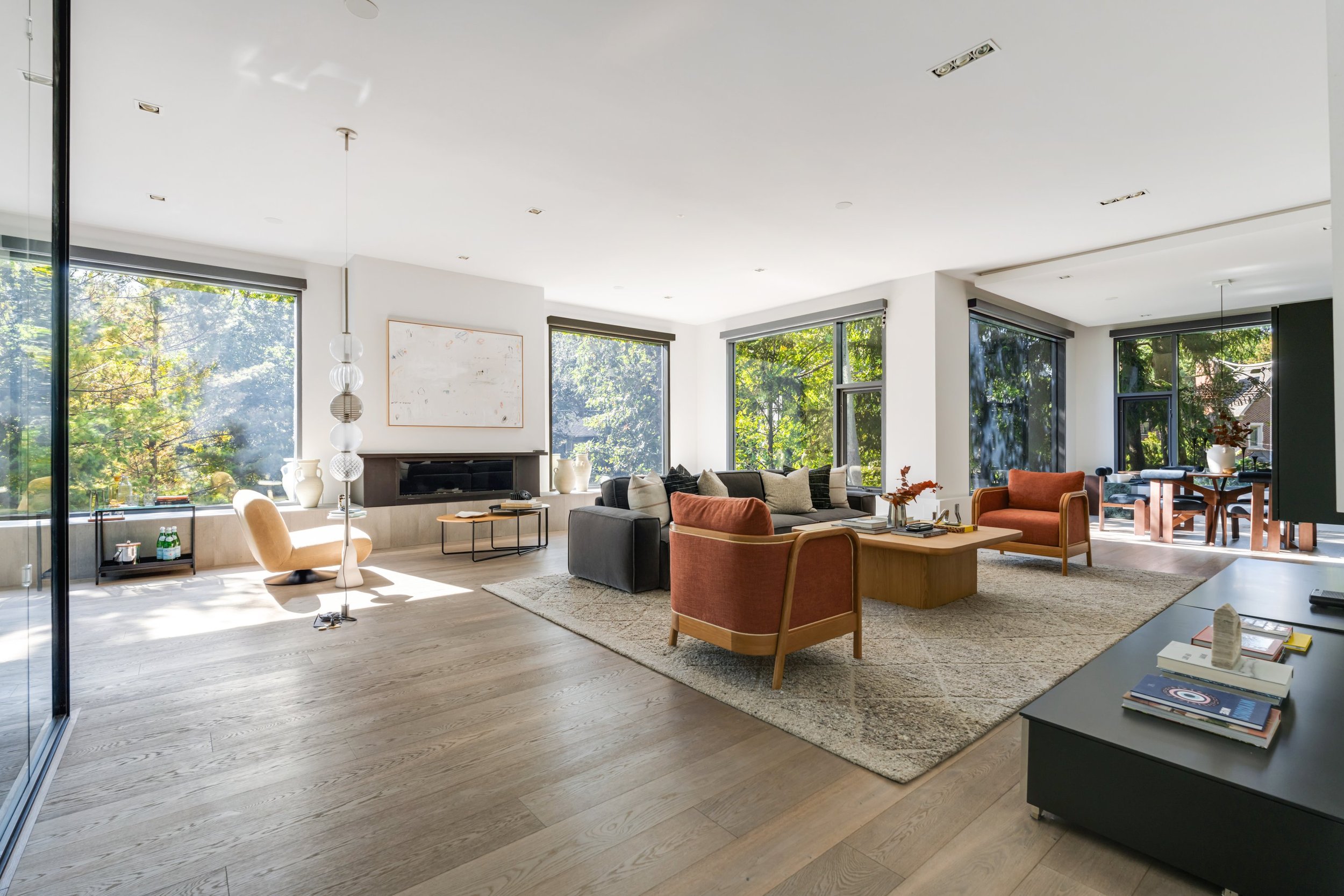
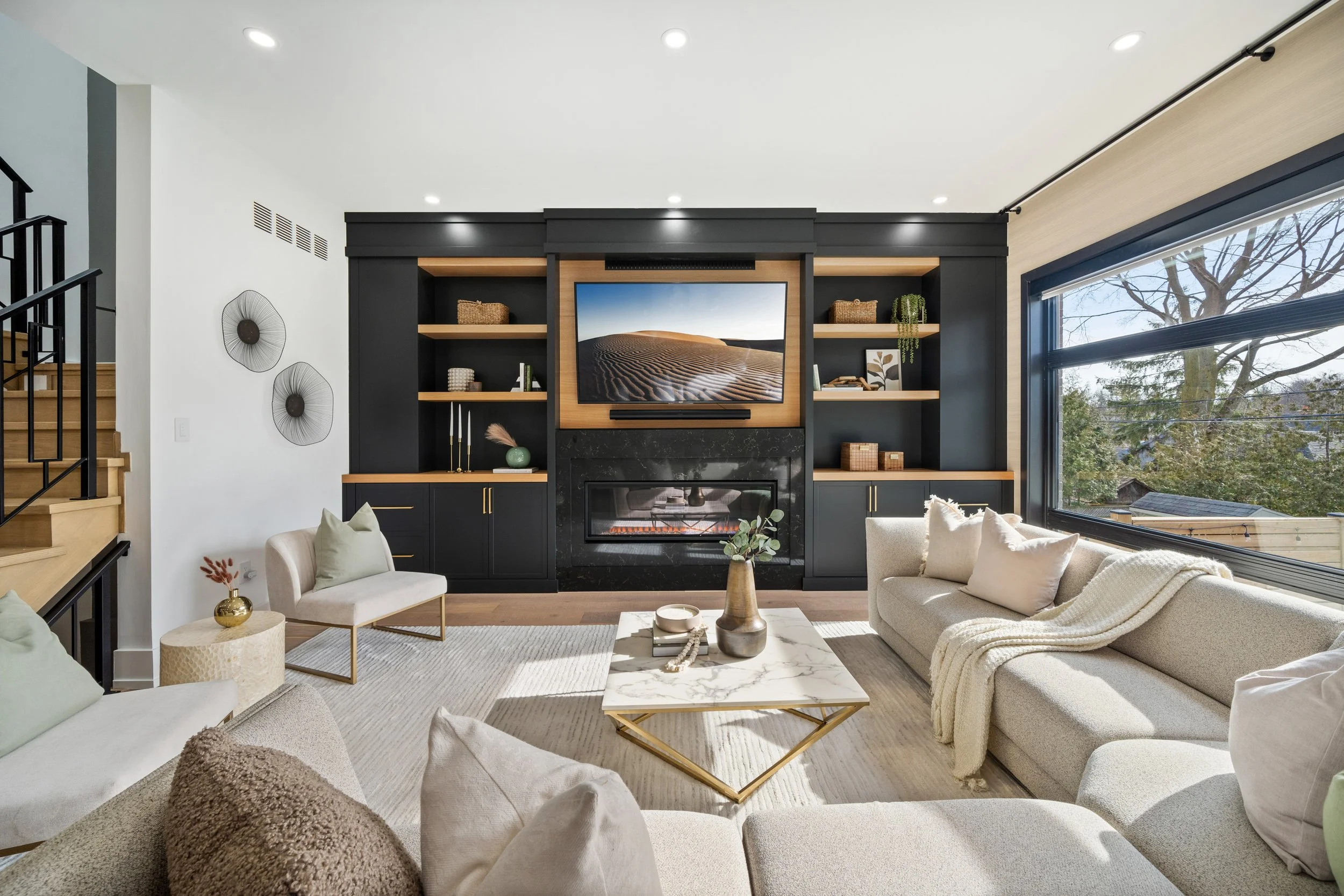
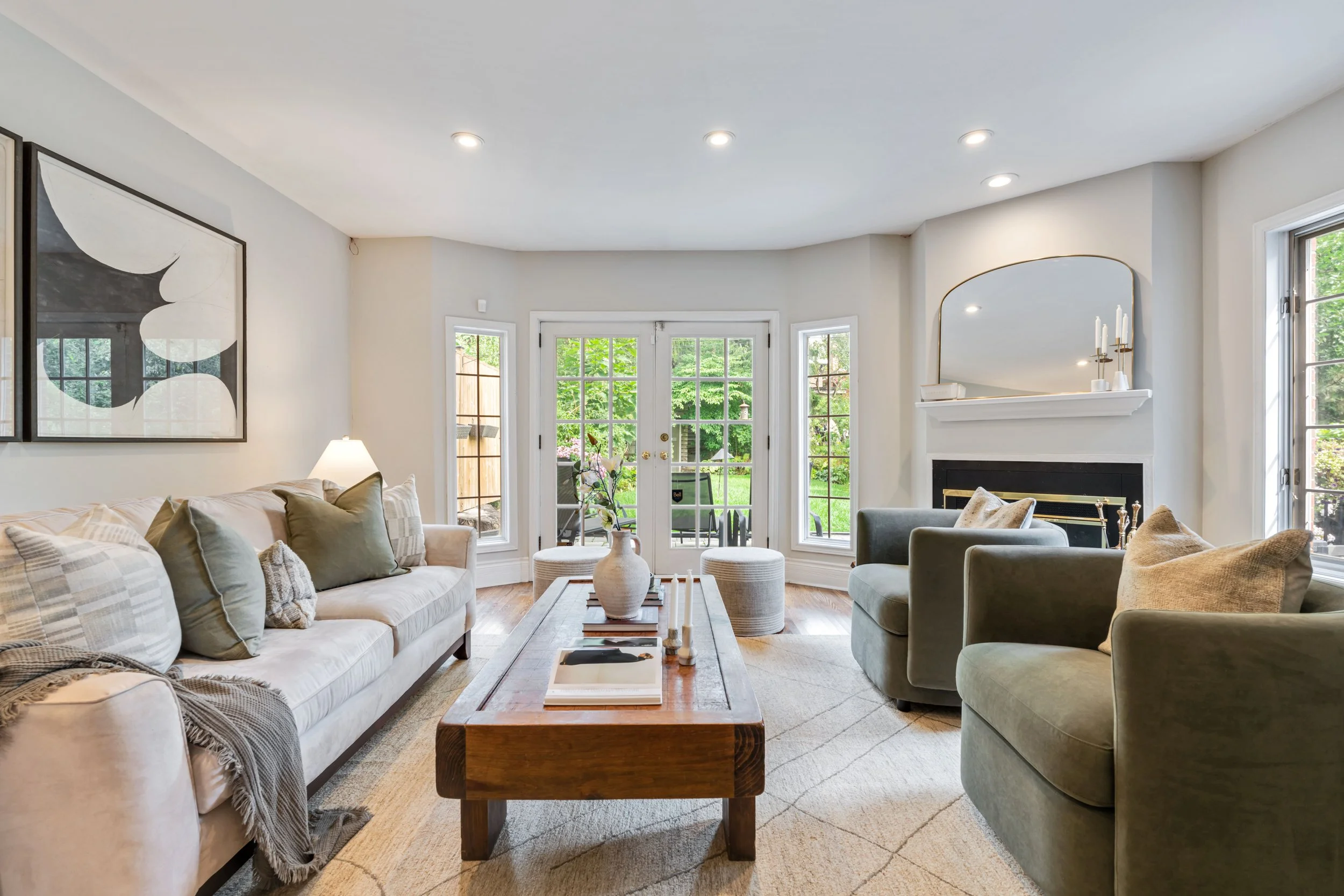
Across the past 24 months, our team has represented sellers and buyers on Chaplin Estates transactions spanning original heritage homes, renovated 1920s properties, and Beltline-adjacent estates. Three representative examples:
-
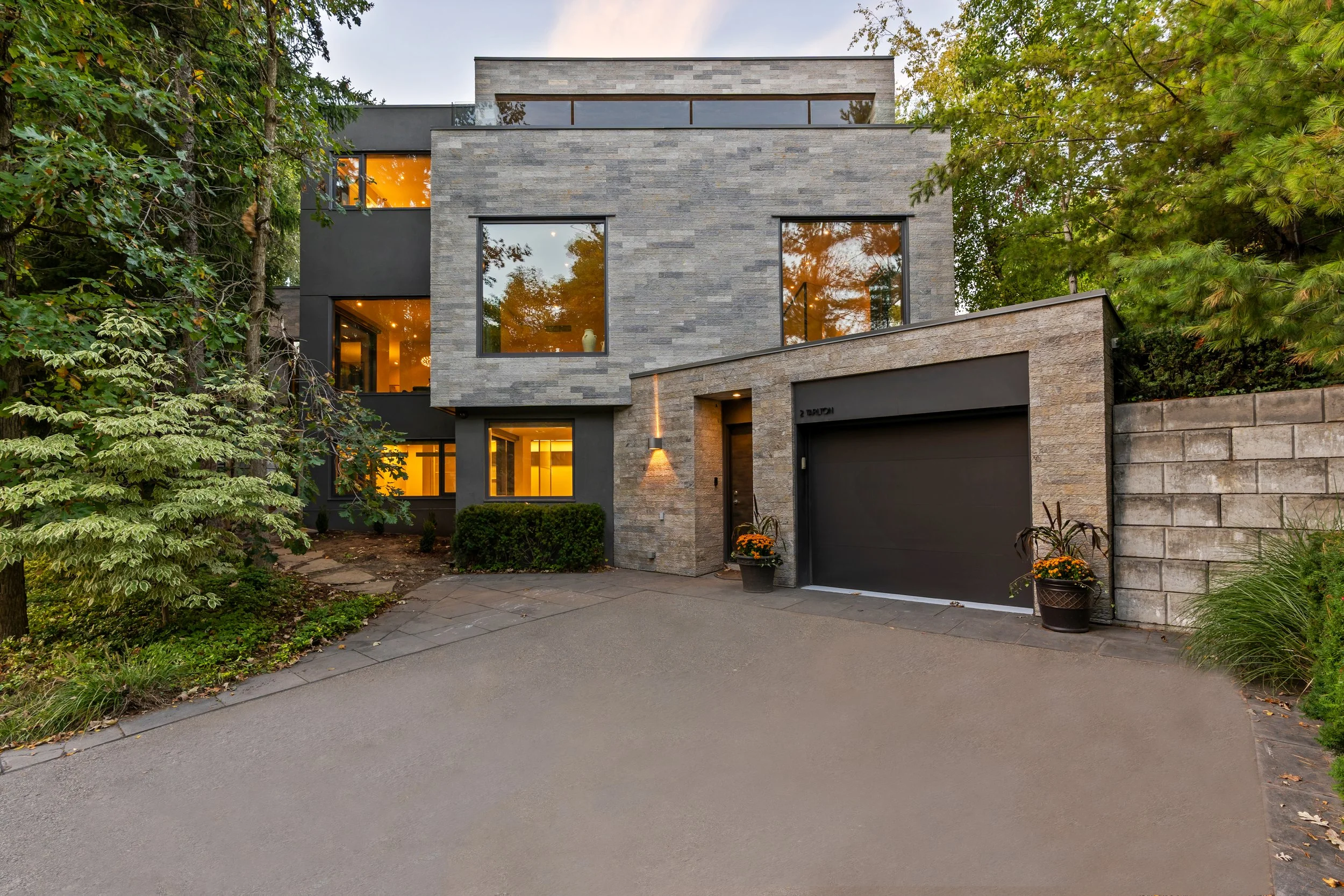
A striking contemporary home defined by its architectural design, exceptional craftsmanship, and light-filled interiors. Spanning more than 5,200 square feet, the residence combined sophisticated living spaces with a functional layout designed for both everyday living and entertaining.
-
A well-maintained centre-hall residence offering a classic and functional family layout, featuring over 2,200 square feet of above-grade living space plus a finished lower level. With elegant principal rooms, a spacious family room addition, and four bedrooms, the home combined character, comfort, and practical design in a highly livable format.
-
A distinguished period residence that balanced historic character with thoughtful modern updates, offering a versatile and well-proportioned layout across multiple levels. The home featured gracious principal rooms, expanded family living spaces, and a finished lower level, creating a refined yet highly livable environment suited to both entertaining and everyday living.
For the full significant sales archive, see our Significant Sales Page here.

Meet the Chaplin Estates Specialists: Paul Maranger & Christian Vermast
Paul Maranger and Christian Vermast co-founded Paul & Christian Associates and together lead the team's representation across midtown Toronto's heritage family-luxury neighbourhoods, including Chaplin Estates. Paul brings an MBA, Harvard Business School negotiation training, and over 28 years of Toronto luxury experience. Christian brings a Strasbourg law degree, multilingual fluency, and deep experience with heritage transactions and the buyer-side dynamics of the Forest Hill-Chaplin Estates corridor. Together they have been featured in Forbes, Barron's, The Globe and Mail, Toronto Life, and other publications on Toronto's luxury market.
Start Your Toronto Luxury Home Search
Whether you are buying, selling, or comparing neighbourhoods before you decide, we are happy to talk. We do not run discovery calls as sales pitches. They are working conversations about what you want and which neighbourhoods make sense.
Frequently Asked Questions About Chaplin Estates Real Estate
-
Chaplin Estates is known for its architectural cohesion - block after block of 1920s and 1930s Tudor, Georgian, and English Cottage homes on quiet, tree-lined streets in central midtown Toronto. It is one of the city's most consistent family-luxury neighbourhoods, anchored by strong public and private school access, the Kay Gardner Beltline Trail running through it, and direct walking distance to the Yonge and Eglinton retail corridor.
-
Chaplin Estates takes its name from the Chaplin family, who owned the land that became the neighbourhood. Development began in the 1910s, with most of the heritage housing stock built during the 1920s and 1930s. The neighbourhood was deliberately planned with consistent setbacks, generous lot sizes by midtown standards, and an architectural standard favouring Tudor and Georgian Revival styles.
-
The 12-month rolling average price in Chaplin Estates sits at approximately $2,724,333, with year-over-year appreciation of approximately 12.4%. The average sale price in April 2026 was approximately $2,545,571, a 5.4% year-over-year increase. Properties typically sell at about 1% over list price, with an average of 58 days on the market. The market mixes detached heritage homes (which command the highest prices) with condominium inventory near the corridors.
-
No. Chaplin Estates and Forest Hill are adjacent but distinct neighbourhoods. Forest Hill sits to the west, and its eastern boundary forms much of Chaplin Estates' western edge. The two neighbourhoods share architectural character (both have substantial 1920s-1930s Tudor and Georgian homes) and overlap in school access, but they are separate neighbourhoods with separate identities and meaningfully different price tiers.
-
Chaplin Estates has appreciated meaningfully over the past two decades and continues to show strong year-over-year growth. The neighbourhood's limited inventory of authentic 1920s and 1930s heritage homes, the strong school catchment positioning, and the value-tier appeal relative to Forest Hill all support sustained demand. Property values are expected to continue increasing at an above-average pace given the Eglinton Crosstown LRT improvements and the neighbourhood's positioning. Chaplin Estates rewards long-term holds rather than short-term strategies.
-
The premier streets in Chaplin Estates are along and surrounding Chaplin Crescent — the curving signature street that gives the neighbourhood part of its identity. These streets carry the strongest address premium and the most intact heritage architecture. Streets bordering the Kay Gardner Beltline Trail command additional premiums for direct trail access. The western edge of Chaplin Estates, transitioning toward Forest Hill, offers Chaplin Estates pricing with Forest Hill walkability and sees particularly strong buyer competition.
-
Chaplin Estates is one of midtown Toronto's strongest family neighbourhoods. The combination of strong public catchments (Oriole Park Junior School and North Toronto Collegiate Institute), proximity to top private schools (Bishop Strachan School, Upper Canada College, St. Clement's School), the Beltline Trail, Eglinton Park's recreational facilities, and walkable retail makes it a complete family environment. The architecture, lot sizes, and quiet streetscape support family life, and the long-hold ownership pattern means many homes have been in the same family for 15-25 years.
-
Most of Chaplin Estates' housing stock was built in the 1920s and 1930s, the neighbourhood's peak development era. Development began in the 1910s and continued through the 1940s, with the bulk of the heritage homes — predominantly Tudor, Georgian, and English Cottage styles - built during the interwar period. A small share of post-war and contemporary infill homes round out the housing stock.
-
Chaplin Estates offers excellent public and private school options. The primary public catchment schools are Oriole Park Junior School and North Toronto Collegiate Institute, both well-regarded TDSB schools that receive high ratings from the Fraser Institute. For private school families, Bishop Strachan School, Upper Canada College, and St. Clement's School are all within reasonable distance, giving Chaplin Estates families an unusually deep menu of educational options.
-
Yes. Approximately 34% of properties in Chaplin Estates are condominiums, with detached homes accounting for roughly 57% of the housing stock. Condo and apartment inventory is concentrated near the Yonge and Eglinton corridors, while the residential interior of the neighbourhood is dominated by detached heritage homes. The condo market in Chaplin Estates is smaller than in adjacent Yonge-Eglinton condo nodes but offers walking distance to the heritage core.
-
Chaplin Estates is walkable for daily life. The Yonge and Eglinton retail corridor, "The Eglinton Way" shopping district, the Beltline Trail, schools, parks, and community facilities are all within walking distance for most residents. Transit access through the Eglinton subway, the Eglinton Crosstown LRT, and bus service supplements the walkability. Chaplin Estates is more walkable than the Bridle Path or estate-tier neighbourhoods, while remaining a quiet residential setting.
-
Chaplin Estates is known for its concentration of Tudor Revival, Georgian Revival, and English Cottage homes built in the 1920s and 1930s. These are two and three storey detached homes, typically of brick or stone construction, with steeply pitched roofs, half-timbering on Tudor examples, symmetrical proportions on Georgian examples, and irregular massing on English Cottage examples. The architectural cohesion across the neighbourhood is one of its defining characteristics.
-
Chaplin Estates' residents are predominantly families with school-age children, established professionals, and long-tenured residents who have held their homes for multiple decades. The neighbourhood has a higher share of larger homes with 4+ bedrooms, reflecting its family-buyer profile. Many residents are Bay Street professionals, medical and legal professionals, and members of nearby private school communities. The long-hold ownership pattern means turnover is genuinely low.
-
Portions of Chaplin Estates carry heritage character protected by conservation guidelines. The heritage protections reflect the neighbourhood's architectural cohesion — the 1920s and 1930s Tudor, Georgian, and English Cottage homes that define its streetscape. For buyers, the heritage designation generally protects front facades, visible architectural details, and streetscape elements, while permitting interior renovation and rear additions within specified envelopes. Major renovations should be planned with an architect familiar with the heritage guidelines.
-
Chaplin Estates homes typically sell within 58 days on average, with properly priced inventory often moving faster. The neighbourhood is currently experiencing a highly active seller's market, with properties selling at approximately 1% over list price. Pricing with precision is critical - accurately priced homes often see competitive activity within the first few weeks, while mispriced homes can sit considerably longer.
-
Chaplin Estates is among Toronto's safer residential neighbourhoods. The residential character of the streets, the family demographic, the engaged community of long-tenured residents, and the absence of significant commercial intrusion within the neighbourhood interior all contribute to consistently low crime rates. Residents typically describe Chaplin Estates as quiet, family-oriented, and safe at any time of day.
-
Chaplin Estates and Forest Hill are adjacent neighbourhoods that share architectural character (both have substantial 1920s-1930s Tudor and Georgian heritage stock) and overlap in school access, but they differ meaningfully. Forest Hill is larger, more architecturally varied (with more contemporary infill alongside heritage), and carries a higher price tier - typically 15-25% above comparable Chaplin Estates properties. Chaplin Estates is more architecturally cohesive (almost entirely 1920s-1930s heritage), smaller, and offers the same school and Beltline access at a different price tier.
-
Chaplin Estates and Lawrence Park are both family-oriented Toronto luxury neighbourhoods with strong architectural identity, but they differ. Lawrence Park is larger, was designed as Canada's first planned garden suburb in 1907, and is anchored by Lawrence Park Collegiate Institute - a top TDSB secondary school. Chaplin Estates is smaller, more architecturally cohesive (almost entirely 1920s-1930s English Cottage and Tudor), and typically priced lower than Lawrence Park. Families often consider both before deciding.
-
The Kay Gardner Beltline Trail is a 9-kilometer multi-use trail built on the former Belt Line railway corridor. It runs directly through Chaplin Estates, connecting the neighbourhood to Forest Hill, Moore Park, and the broader Toronto ravine network. The Beltline is ideal for walking and cycling and provides Chaplin Estates residents with daily green-space access. Streets bordering the Beltline command meaningful lot premiums for the direct trail access.
-
The completion of the Eglinton Crosstown LRT meaningfully strengthened Chaplin Estates' transit access by providing improved east-west connectivity along Eglinton Avenue. The transit improvements have supported continued property value growth and are expected to drive above-average appreciation given the neighbourhood's combination of heritage character, school access, and now-stronger transit.
Explore Related Toronto Neighbourhoods
Chaplin Estates sits among Toronto's most desirable midtown neighbourhoods. Buyers comparing Chaplin Estates against alternatives most often look at:
Forest Hill - adjacent, similar architecture, higher price tier
Lawrence Park - Canada's first garden suburb, family-focused, larger scale
Rosedale - heritage architecture, ravine system, higher tier
The Annex - heritage Victorian/Edwardian, university-adjacent
Summerhill - walkable midtown, mixed housing, smaller scale
For the full list, see our Toronto luxury neighbourhoods guide.
Working with Paul & Christian Associates in Chaplin Estates
Whether you are buying, selling, or comparing neighbourhoods before you decide, we are happy to talk. We do not run discovery calls as sales pitches - they are working conversations about what you want and how Chaplin Estates fits.
Get a custom valuation for your home in Chaplin Estates - most useful if you are considering selling within 12 months
Start your home search in Chaplin Estates with us - for buyers actively looking
Read Paul Maranger and Christian Vermast's full bio - to understand how the team operates