

Lawrence Park Real Estate: A Buyer and Seller's Guide to Canada's First Planned Garden Suburb
Paul Maranger and Christian Vermast, Brokers and Executive Vice Presidents of Sales, Sotheby's International Realty Canada
Who Sells Homes in Lawrence Park?
Lawrence Park real estate is a specialist market. The housing stock combines original 1910s and 1920s English Cottage and Tudor Revival homes with substantial 2000s-era infill rebuilds, the school catchments meaningfully drive demand, and the buyer pool is informed - buyers here will hesitate on properties priced even slightly above recent comparable sales.
Selling here requires an agent who understands the catchment economics, the architectural value of original heritage homes, and the specific submarket within Lawrence Park where each property competes.
Inside the Lawrence Park Market
Paul & Christian Associates have specialized in Lawrence Park for two decades. With $1 billion in career sales, deep relationships across the Lawrence Park Collegiate, Bedford Park, and Blythwood school communities, and the Sotheby's International Realty Canada global network, we represent both sellers seeking the right buyer for their family home and buyers comparing Lawrence Park against Forest Hill, Chaplin Estates, and Lytton Park.
What is Lawrence Park Known For?
Lawrence Park is one of Toronto's most established luxury family neighbourhoods, designed in 1907 as Canada's first planned garden suburb. The neighbourhood is defined by gently rolling hills, curved residential streets, mature tree canopy, and a deliberate departure from Toronto's grid pattern. The area is described as one of Toronto's most exclusive and family-centric neighborhoods, with high property values often exceeding $3 million.
Lawrence Park is anchored by some of the city's strongest public school catchments, including Lawrence Park Collegiate Institute, and continues to attract executives raising families who want a quieter, leafier alternative to Forest Hill while staying close to top tier schools and the Yonge subway line.
-
Lawrence Park's status as Canada's first planned garden suburb is more than a historical curiosity - it shapes the neighbourhood's character to this day. The garden suburb concept, imported from England by planners like Walter Brooke who designed Lawrence Park, prioritized curved streets that follow the topography, generous lot setbacks, mature tree canopy, and a deliberate absence of commercial intrusion within residential blocks.
Most Toronto neighbourhoods are built on a strict grid; Lawrence Park's curves, cul-de-sacs, and ravine integration are physical infrastructure that cannot be replicated. That's not a marketing story - it's why the neighbourhood holds its character a century later.
-
The Dovercourt Land Company purchased the property and began selling lots in 1907. The earliest homes were built between 1910 and 1925, with the most architecturally significant streets fully developed by the late 1920s.
The neighbourhood expanded north through the 1930s and 1940s as Lawrence Park North filled in. By 1960, approximately 45% of today's housing stock was already in place - a fact that shapes everything about how Lawrence Park functions in 2026, since most of the remaining 55% are 2000s-era rebuilds on original lots rather than newly subdivided lots.
-
Lawrence Park is bordered by Lawrence Avenue East to the south, Mount Pleasant Road to the east, Blythwood Ravine and Bayview Avenue to the further east, and Yonge Street to the west. The northern boundary is generally accepted at around Brookdale Avenue, though some real estate professionals stretch the definition further north. Within these boundaries, the neighbourhood divides into four functional sub-areas:
Lawrence Park South - the original 1907-1925 development. Premier streets (Lympstone, Dawlish, Snowdon) and the highest concentration of intact heritage architecture sit here.
Lawrence Park North - the 1925-1950 expansion north of Lawrence Avenue. Slightly larger lots, more contemporary infill, and faster transactions in current market conditions.
Lawrence Park East - the streets approaching Blythwood Ravine, with ravine-edge lots commanding meaningful premiums.
The eastern fringe near Mount Pleasant - closer to the cemetery and arterial traffic, more buyer hesitation, lower price points within Lawrence Park's tier.
-
The completion of the Eglinton Crosstown LRT meaningfully strengthened Lawrence Park's transit access. The Lawrence subway station on Line 1 has long served the western edge of the neighbourhood, but the LRT added east-west connectivity that previously required a bus or a long walk. Property values in Lawrence Park South in particular have benefited from the improved transit infrastructure, with renewed buyer interest from professionals working downtown who want family-suburb living without sacrificing commute efficiency.
Architecture and Home Styles in Lawrence Park
-
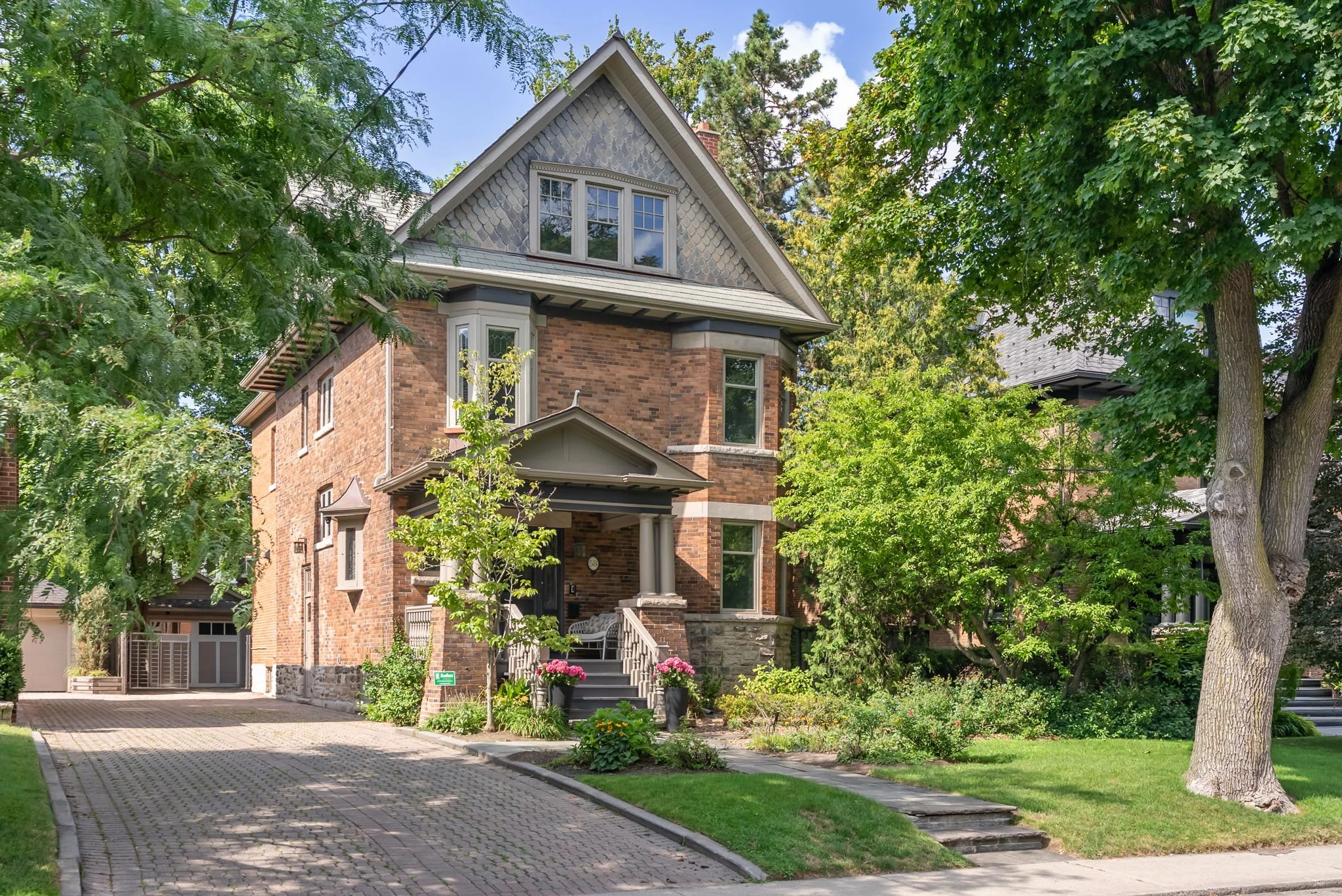
The original Lawrence Park housing stock is dominated by English Cottage and Tudor Revival architecture, built between 1910 and 1925. These homes are typically two storeys, with steeply pitched roofs, half-timbering, leaded windows, stone or brick exteriors, and the kind of irregular silhouette that defines garden suburb design. The most concentrated stock of original Tudor and English Cottage homes sits along Lympstone Drive, Dawlish Avenue, and Snowdon Avenue. These streets are protected, in practice, by both their architectural integrity and the fact that buyers who pay Lawrence Park premiums specifically want this stock.
-
A second wave of Lawrence Park architecture in the 1930s and 1940s introduced Georgian Revival and Colonial style designs, particularly along the streets between Yonge and Mount Pleasant. These homes carry symmetrical facades, more formal proportions, and typically larger footprints than the earlier English Cottage stock. They appeal to buyers who want classical architecture but more modern interior layouts than the original 1910s homes typically allow.
-
The third architectural era in Lawrence Park is contemporary infill - homes built between roughly 1995 and the present, almost always replacing older homes that fell behind contemporary expectations of mechanical systems, ceiling height, or floor plate.
Lawrence Park's infill stock is generally architect-designed and built to a high standard, though without the formal heritage protection that constrains neighbourhoods like Cabbagetown. The result is a neighbourhood where original 1920s English Cottages sit comfortably alongside 2010s contemporary builds; a mix that some buyers prefer over more architecturally rigid neighbourhoods.
Lawrence Park's architectural depth spans a century. Roughly 45% of homes were built before the 1960s, with the majority of remaining homes built in the 2000s; meaning the neighbourhood reads as architecturally cohesive despite covering multiple building eras.
Renovation Considerations and Lot Constraints
Renovating a Lawrence Park home is generally straightforward by Toronto standards - there is no Heritage Conservation District designation, no mandatory architect bylaw like Forest Hill's. The constraints are practical rather than regulatory: lot sizes are typically 50-75 feet of frontage, setback requirements are stricter than in newer Toronto neighbourhoods, and tree protection on mature canopy is taken seriously by City planning. Buyers planning major renovations should engage an architect with Lawrence Park experience to navigate the lot envelope rules before submitting an offer.
The Best Streets in Lawrence Park and Pockets That Matter
-
![]()
The architectural core of Lawrence Park South sits along Lympstone Drive, Dawlish Avenue, Snowdon Avenue, and Cheltenham Avenue. These streets contain the highest concentration of intact 1910s-1925 heritage architecture, the most consistent streetscape, and the largest lots within the original development. Properties on these streets typically command 15-20% premiums over otherwise comparable Lawrence Park homes one or two streets over.
-
![]()
The streets approaching Blythwood Ravine, particularly the eastern blocks of Cheltenham, Roe, and St. Hilda's, offer something most Lawrence Park homes cannot: ravine views and direct nature access. Lots backing onto the ravine carry significant premiums, often $500,000 or more above identical homes one row off the ravine. The Blythwood Ravine is a meaningful neighbourhood amenity that connects to the broader Toronto ravine system.
-
![]()
Lawrence Park North and Lawrence Park South function as distinct submarkets despite being a single neighbourhood by name.
South has older heritage stock, smaller lots, premier school catchment placement, and tighter inventory.
North has slightly larger lots, more contemporary infill, faster transactions in current market conditions (median 12 days on market versus 21 in South), and lower price points by approximately 15-20% on comparable properties.
The right choice depends on the buyer's priorities: heritage architecture and most prestigious catchment placement favour South; lot size and faster purchase timelines favour North.
Schools in Lawrence Park
Lawrence Park's school catchments are a primary demand driver. Families pay meaningful premiums to live within walking distance of Lawrence Park Collegiate Institute and the strongest elementary catchments. The school dynamics here are different from Forest Hill - Lawrence Park's strength is its public school options, which are among Toronto's strongest, supplemented by nearby private schools.
Lawrence Park Collegiate Institute
John Wanless Pubic School
-
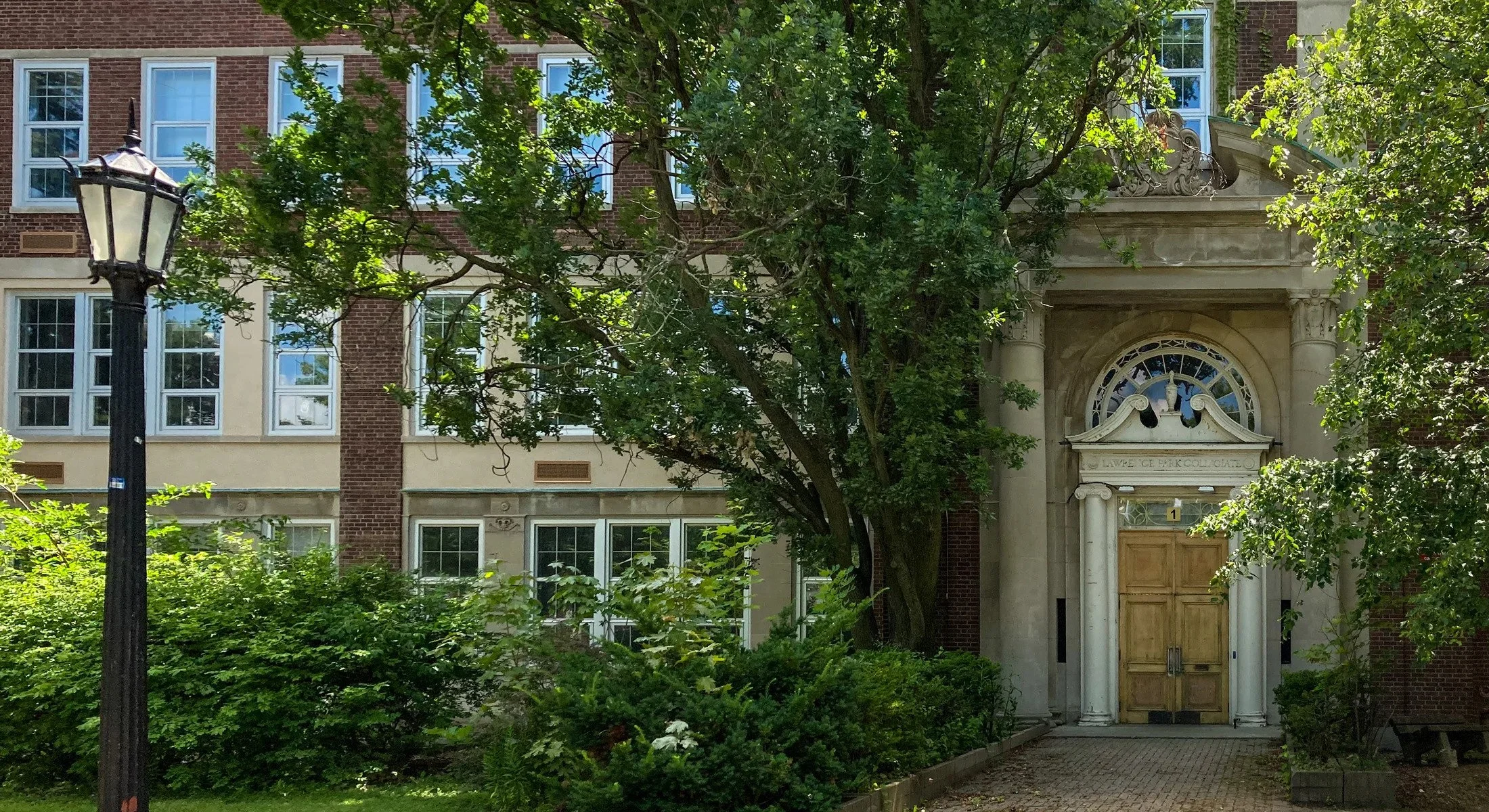
Lawrence Park Collegiate Institute (LPCI) is consistently ranked among the strongest public secondary schools in the Toronto District School Board. The school's reputation for academic achievement, university acceptance rates, and extracurricular depth has been a Lawrence Park demand anchor for decades. The catchment boundary is the single largest factor differentiating premium streets from adjacent ones.
-
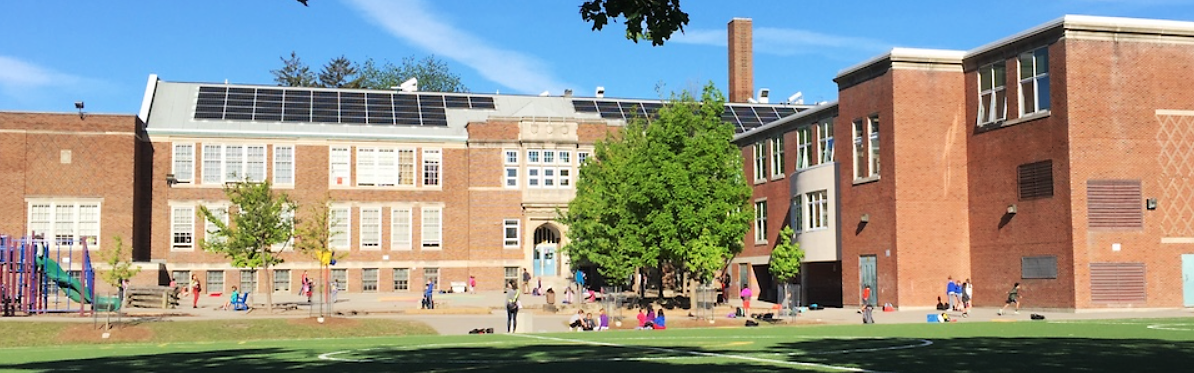
The primary elementary catchment options are Blythwood Junior Public School (PreK-6), Bedford Park Public School, and John Wanless Junior Public School. Each has a strong reputation, and the catchment boundaries within Lawrence Park are well-known to local families. Buyers should review current catchment maps before committing to a specific street; the boundaries occasionally shift, and the catchment for the strongest schools is narrower than the neighbourhood as a whole.
-
Lawrence Park sits within a short drive of several of Toronto's most established private schools, including Havergal College (girls), Crescent School (boys), and the Toronto French School (co-educational). For families considering private school routes, Lawrence Park's location offers easy access without the price premium of Forest Hill, where UCC and BSS sit within the neighbourhood itself.
The Catchment Premium and What Families Pay
The premium paid for the LPCI catchment is real and measurable. Comparable homes one block inside the catchment versus one block outside can transact 10-15% apart, with the differential widest for family-sized homes between $3 and $5 million. Public elementary catchment premiums are smaller but consistent. Our team works with buyers regularly on catchment-specific searches and can advise on how the boundaries currently sit.
Lifestyle, Amenities, and What Daily Life Looks Like
Lawrence Park's lifestyle is defined by quiet residential streets, includes gently rolling hills, mature green space, walkable retail along Yonge Street, and a strong family-oriented community character.
The community character reflects this: quiet residential streets with minimal street noise, school-age children visible throughout the area on weekday mornings and afternoons, family-oriented community events anchored by the schools and the parks system, and a network of established families who have lived in the neighbourhood for multiple generations. The verdant, calm environment is part of why buyers stay - turnover in Lawrence Park's heritage homes can be slow, with families holding properties for 15-25 years before selling.
Alexander Muir Memorial Gardens & the Parks System
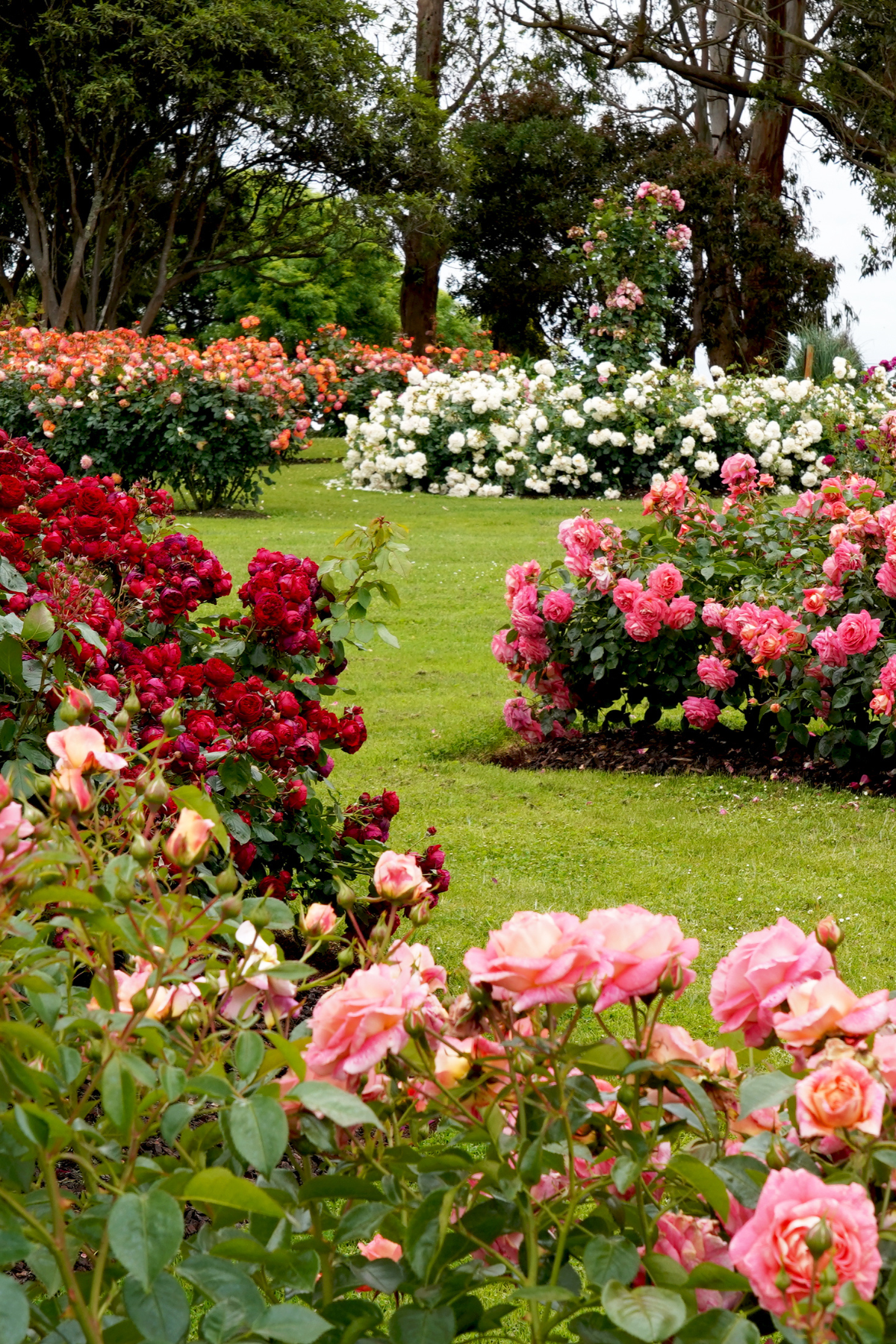
Alexander Muir Memorial Gardens, a formal park at the southern edge of Lawrence Park, anchors the neighbourhood's green space identity. The Blythwood Ravine system runs along the eastern boundary, providing direct nature access.
Sherwood Park, Glendon Forest, and several smaller pocket parks throughout Lawrence Park supplement the larger green spaces with daily-use recreational facilities; playgrounds, tennis courts, baseball diamonds, and walking trails. The garden suburb design philosophy that produced Lawrence Park placed unusual emphasis on integrated green space, and the result is a neighbourhood with one of the highest green-space-to-residential ratios in central Toronto.
Yonge Street & the Lawrence Park Retail Corridor
Yonge Street north of Lawrence Avenue serves as Lawrence Park's primary commercial corridor. Although the neighborhood is noted for its quiet, verdant streets, it has access to amenities like high-end shopping and dining on Yonge Street.
The retail mix includes general and specialty grocery stores, restaurants, cafes, clothing stores, and daily-use services; almost all within walking distance for most residents. The corridor is genuinely walkable rather than car-only, which is unusual for a Toronto luxury neighbourhood at this scale. Lawrence Park is more walkable to retail than Forest Hill or the Bridle Path, though less so than Yorkville.

Lawrence Park Real Estate Market Data in 2026
Market data is updated quarterly. For the full Q2 2026 figures including transaction volume by price tier and street-level pricing, see Paul & Christian's Market Snapshot.

Average & Benchmark Home Prices
Lawrence Park home prices have remained in the $4M range through 2025–2026, with detached homes averaging approximately $4.6M–$4.7M as of March 2026. In Lawrence Park South, the average listing price is around $4.1M, while premier homes regularly exceed $5M and can surpass $7M for exceptional ravine or architecturally significant properties.
Townhouses average approximately $2.7M and condos roughly $3M, with limited inventory overall. Approximately 15% of homes in Lawrence Park are rentals, reflecting a predominantly homeowner-based community.
These figures should be treated as directional. Verify current pricing against TRREB data before making decisions on a specific property.

Year-Over-Year Trends
The broader Toronto market corrected approximately 5.5% year-over-year through 2025. Lawrence Park's luxury tier has shown more stability than the broader market; particularly above $4M, where the buyer pool is less rate-sensitive and inventory at the genuine luxury level is naturally constrained. The market is currently in balanced territory, with approximately 5 months of inventory, indicating neither buyer nor seller dominance.

Days on Market & Sale-to-List Ratio
Lawrence Park homes priced correctly transact quickly. Recent data shows median days on market of just 12 days in Lawrence Park North and 21 days in Lawrence Park South. The North-South difference reflects supply rather than demand; Lawrence Park South has tighter heritage inventory that buyers wait for, while Lawrence Park North has more frequent listings that turn over faster.
Mispriced homes, particularly properties priced even slightly above recent comparable sales, can sit considerably longer because Lawrence Park buyers are highly informed and price-disciplined.
Who Are the Buyers in Lawrence Park?
-
The largest buyer pool in Lawrence Park comes for the schools. These buyers, typically families with one or more children approaching school age, or families relocating from another Toronto neighbourhood specifically for catchment positioning, pay meaningful premiums for catchment-located homes. Lawrence Park's higher proportion of four or more bedroom homes (compared to other Toronto neighbourhoods) reflects this dominant buyer profile.
-
A meaningful share of Lawrence Park buyers come for the architecture, particularly the original 1910s and 1920s English Cottage and Tudor Revival stock. These buyers have often considered Forest Hill or Rosedale and chose Lawrence Park for its specific combination of garden suburb planning, larger lots than Forest Hill at comparable prices, and an active rather than predominantly aging community.
-
Lawrence Park rewards long-term holds. The school catchment effect protects long-term value. The architectural stock is genuinely finite - particularly the 1910s and 1920s heritage homes. The garden suburb planning constraints prevent densification. Investor holds in Lawrence Park typically run 10-25 years, with families purchasing during their school-age years and selling once children have left home.
Three distinct buyer profiles dominate Lawrence Park's market.
Recent Notable Lawrence Park Sales
Across the past 24 months, our team has represented sellers and buyers on Lawrence Park transactions ranging from heritage Tudors in the $3.5 million range to substantial estate-scale homes above $7 million. Three representative examples:
-
This classic detached residence on a prominent corner lot offered exceptional potential for a future custom build. Rich in character and set on an impressive parcel of land, the home stood as a distinguished offering.
-
A distinguished Edwardian residence in prime Lytton Park, this grand family home blended timeless architecture with thoughtfully updated interiors across an expansive layout. Defined by its stately brick façade, character-rich detailing, and impressive scale, the property reflected a seamless blend of elegance and modern family living.
-
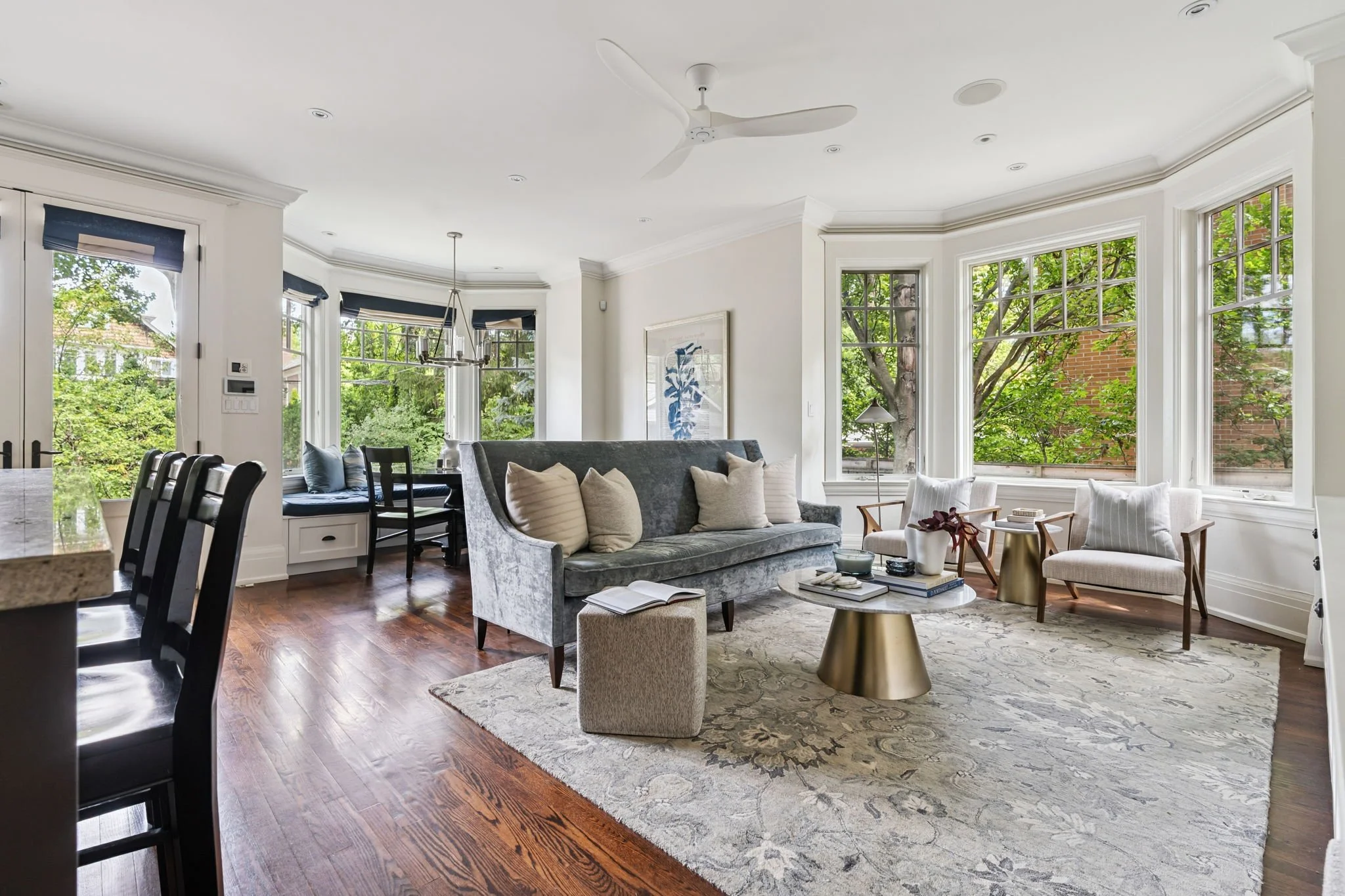
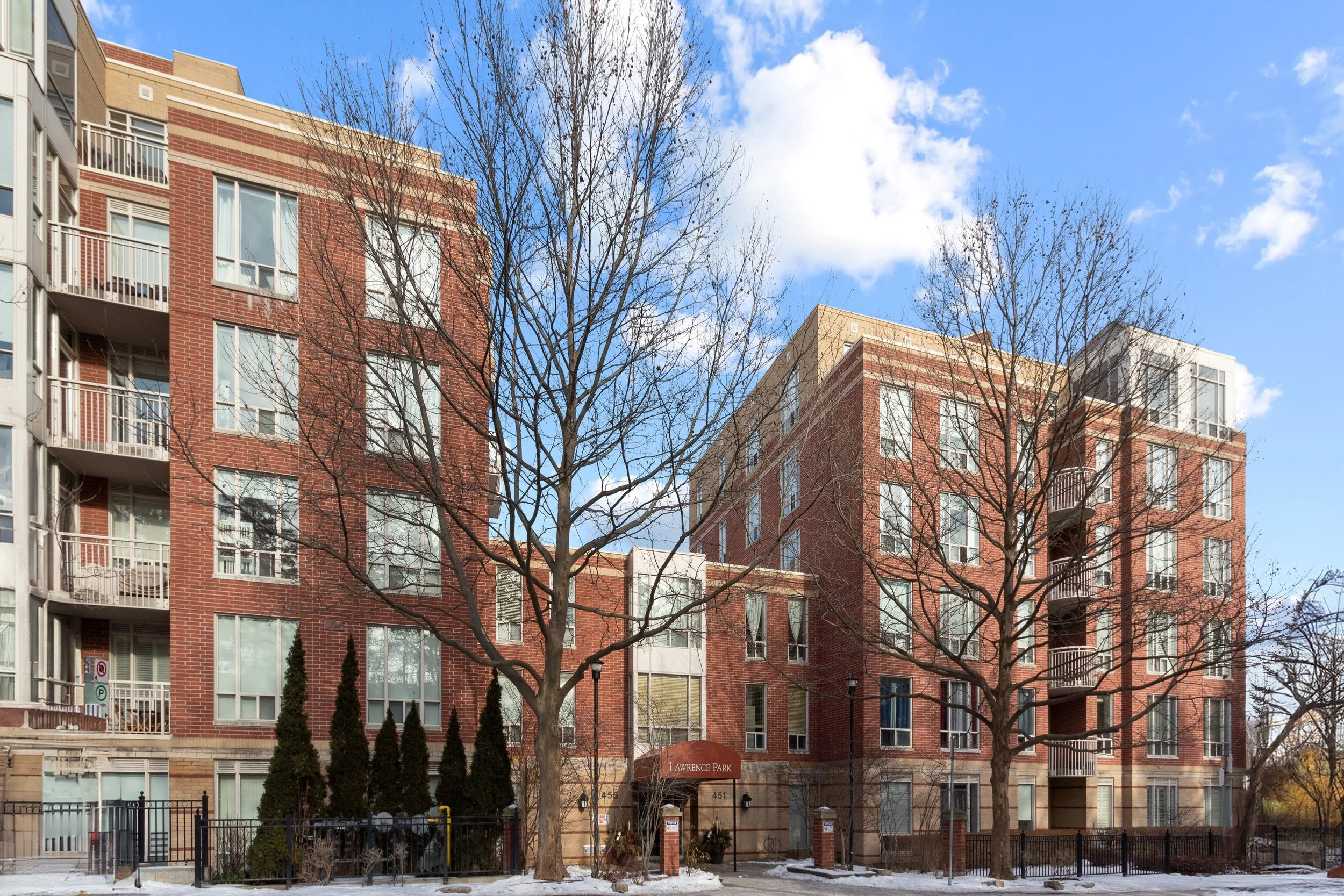
A beautifully updated condominium residence, this sophisticated suite paired contemporary finishes with a highly sought-after split-bedroom layout designed for effortless living. Overlooking a quiet courtyard setting, the home offered a refined balance of privacy, comfort, and low-maintenance luxury.
For the full significant sales archive, see our Significant Sales Page here.
Meet the Lawrence Park Specialists: Paul Maranger & Christian Vermast
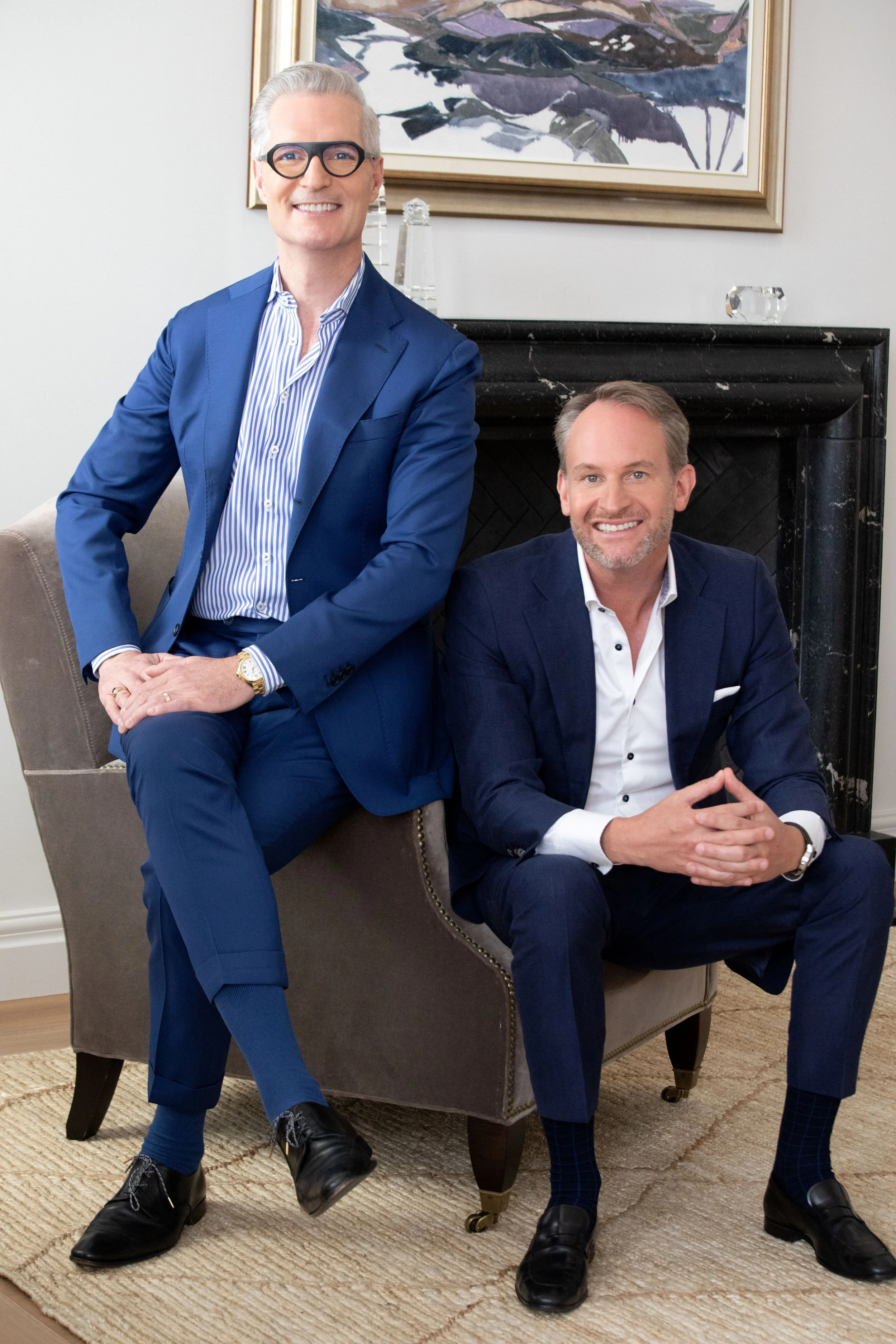
Paul Maranger and Christian Vermast are the co-founders of Paul & Christian Associates and the team's lead specialists for Lawrence Park, Forest Hill, Rosedale, and the Bridle Path. With an MBA, Harvard Business School negotiation training, and over 28 years of Toronto luxury real estate experience, Paul brings particular depth to Lawrence Park's unique combination of heritage architecture and school catchment economics. Christian complements that expertise with a law degree from Strasbourg, multilingual fluency, and a relationship-driven approach that has consistently ranked him among Toronto’s top luxury real estate agents for more than a decade.
They have been featured in Forbes, Barron's, The Globe and Mail, Toronto Life, and other publications on Toronto luxury market trends.
Start Your Toronto Luxury Home Search
Whether you are buying, selling, or comparing neighbourhoods before you decide, we are happy to talk. We do not run discovery calls as sales pitches. They are working conversations about what you want and which neighbourhoods makes sense.
Frequently Asked Questions About Lawrence Park
-
Lawrence Park is known for being Canada's first planned garden suburb, designed in 1907 with curved streets, generous setbacks, gently rolling hills, and mature tree canopy. It is one of Toronto's most established luxury family neighbourhoods, anchored by Lawrence Park Collegiate Institute and known for its concentration of original 1910s and 1920s English Cottage and Tudor Revival architecture.
-
Lawrence Park is Canada's first planned garden suburb because it was designed in 1907 by the Dovercourt Land Company using the English garden suburb planning principles: curved streets that follow topography, generous lot setbacks, mature tree canopy, integrated parks and green space, and a deliberate departure from the rigid grid pattern that defines most North American residential planning. It predates other Canadian garden suburb developments by years.
-
The 12-month rolling average price for detached homes in Lawrence Park sits around $4.6 million to $4.7M as of early 2026. The average listing price in Lawrence Park South is approximately $4,057,000; about 190% above the Toronto-wide average. Townhouses average approximately $2,655,000 and condos average $3,044,000 in Lawrence Park South. Property values for the most architecturally significant homes routinely exceed $5M.
-
Lawrence Park is one of Toronto's most family-centric luxury neighbourhoods. The school catchments, anchored by Lawrence Park Collegiate Institute, drive sustained family demand. The streetscape is residential and walkable, the parks system (including Alexander Muir Memorial Gardens, Sherwood Park, and Glendon Forest) provides ample recreational facilities, and Yonge Street's retail corridor serves daily errands within walking distance. Lawrence Park has a higher proportion of four or more bedroom homes than other Toronto neighbourhoods, reflecting its family-oriented character.
-
The primary public schools in Lawrence Park are Lawrence Park Collegiate Institute (one of TDSB's strongest secondary schools), Blythwood Junior Public School (PreK-6), Bedford Park Public School, and John Wanless Junior Public School. Several of Toronto's prestigious private schools sit within a short drive, including Havergal College, Crescent School, and the Toronto French School.
-
Lawrence Park and Lytton Park are adjacent but distinct neighbourhoods. Lawrence Park sits south and east of Lytton Park, with the boundary roughly along Brookdale Avenue. Lawrence Park has the LPCI catchment and the original 1907 garden suburb planning. Lytton Park has its own school catchments (often John Ross Robertson) and was developed slightly later. The neighbourhoods are sometimes confused in real estate listings - buyers should confirm the actual neighbourhood boundary for any property they're considering, since the catchment economics are different.
-
Lawrence Park homes have appreciated meaningfully over the past two decades, particularly heritage stock on the premier streets. The school catchment effect, the garden suburb planning constraints that prevent densification, and the genuinely finite supply of 1910s and 1920s heritage homes all support long-term value. Lawrence Park rewards 10-year-plus holds rather than short-term flips.
-
The premier streets in Lawrence Park South are Lympstone Drive, Dawlish Avenue, Snowdon Avenue, and Cheltenham Avenue - these contain the highest concentration of intact heritage architecture and the largest lots within the original development. Streets backing onto Blythwood Ravine command additional premiums for ravine views and direct nature access. Lawrence Park North's quieter streets near Bedford Park offer slightly larger lots and faster current transaction timelines.
-
The Dovercourt Land Company purchased the property and began selling lots in 1907. The earliest homes were built between 1910 and 1925, with the most architecturally significant streets fully developed by the late 1920s. The neighbourhood expanded north through the 1930s and 1940s. Approximately 45% of today's Lawrence Park housing stock predates 1960; the majority of the remaining homes are 2000s-era infill rebuilds.
-
Yes, but inventory is smaller than detached homes. About two thirds of Lawrence Park dwellings are single detached homes; large apartment buildings and townhouses make up most of the remaining stock. Condo inventory is concentrated along Yonge Street and Lawrence Avenue. Average condo prices in Lawrence Park South are approximately $3,044,000, with the most expensive condo listed at $8,080,000.
-
Recent data shows median days on market of just 12 days in Lawrence Park North and 21 days in Lawrence Park South. Properly priced heritage homes on the premier streets often see particularly quick transactions when supply is constrained. Mispriced properties, particularly those priced even slightly above recent comparable sales, can sit considerably longer because Lawrence Park buyers are highly informed.
-
Lawrence Park is more walkable than Forest Hill or the Bridle Path, with Yonge Street's retail corridor offering grocery, restaurants, cafes, and daily-use services within walking distance for most residents. The neighbourhood's curved streets and mature canopy make pedestrian access genuinely pleasant rather than merely possible. Lawrence Park is less walkable than Yorkville or Cabbagetown - most residents walk for daily errands but use cars for longer trips.
-
Lawrence Park's architecture spans English Cottage and Tudor Revival (the dominant 1910s-1925 stock), Georgian Revival and Colonial style designs (1930s-1940s), and contemporary infill builds (1995-present). The original heritage stock is concentrated along Lympstone, Dawlish, Snowdon, and Cheltenham. Approximately 45% of homes were built before 1960; the majority of remaining homes are 2000s-era rebuilds.
-
Lawrence Park's residents are predominantly families with school-age children, executives, professionals, and long-tenured residents who have held their homes for multiple generations. The neighbourhood has a higher proportion of four or more bedroom homes than other Toronto neighbourhoods, reflecting the dominant family buyer profile. Lawrence Park South is approximately 54.6% owner-occupied and 45.4% renter-occupied. The median monthly rental price in Lawrence Park South is approximately $3,000 compared to a median monthly mortgage payment of $10,100 - reflecting the meaningful gap between rental and ownership costs at this tier.
-
The completion of the Eglinton Crosstown LRT meaningfully strengthened Lawrence Park's transit access by providing east-west connectivity that previously required bus or long-walk routes. The improvement is most pronounced for Lawrence Park South, where the LRT supplements the long-standing Lawrence subway station on Line 1. Property values benefited particularly for buyers prioritizing downtown commute efficiency.
-
Lawrence Park and Forest Hill are both established Toronto family-luxury neighbourhoods, but they attract somewhat different buyers. Forest Hill is anchored by private schools (Upper Canada College, Bishop Strachan School) and carries higher prices and smaller lot widths. Lawrence Park is anchored by strong public schools (Lawrence Park Collegiate), often with larger lots than Forest Hill at comparable prices, and a less-formal community character. Lawrence Park's garden suburb planning produces a quieter, leafier streetscape than Forest Hill's grid.
-
Lawrence Park and Chaplin Estates are both family-oriented Toronto luxury neighbourhoods with strong architectural identity. Chaplin Estates is smaller, more architecturally cohesive (almost entirely 1920s-1930s English Cottage and Tudor), and typically priced 15-25% lower than Lawrence Park. Lawrence Park is larger, more architecturally varied, and offers stronger school catchment placement. Families often consider both before deciding.
-
Lawrence Park is among Toronto's safer residential neighbourhoods. The area has low rates of property and violent crime relative to the city average, supported by the residential character of the streets, the family demographic, and the absence of significant commercial or transit nodes within the neighbourhood interior. Residents typically describe Lawrence Park as quiet, calm, and minimal in street noise.
-
Alexander Muir Memorial Gardens is a formal public park at the southern edge of Lawrence Park. Named after the composer of "The Maple Leaf Forever," the park anchors the neighbourhood's southern boundary and provides one of the most prominent green spaces along Yonge Street's central corridor. It is a frequent gathering point for community events and a daily walking destination for residents.
-
Yes. The Blythwood Ravine system runs along Lawrence Park's eastern boundary, with ravine-edge lots commanding meaningful premiums. The broader Toronto ravine system connects Lawrence Park to the Don Valley network, providing significant urban nature access. Lawrence Park's mature tree canopy and gently rolling topography reflect the broader ravine geography that shaped the neighbourhood's design.
Working with Paul & Christian Associates in Lawrence Park
Whether you are buying, selling, or comparing neighbourhoods before you decide, we are happy to talk. We do not run discovery calls as sales pitches - they are working conversations about what you want and how Lawrence Park fits.
Get a custom valuation for your Lawrence Park home - most useful if you are considering selling within 12 months
Start your Lawrence Park home search with us - for buyers actively looking
Read Paul Maranger and Christian Vermast's full bio - to understand how the team operates