

Summerhill Real Estate: A Buyer and Seller's Guide to Toronto's Walkable Midtown Neighbourhood
Paul Maranger and Christian Vermast, Brokers and Executive Vice Presidents of Sales, Sotheby's International Realty Canada
Who Sells Homes in Summerhill?
Summerhill is one of the few Toronto neighbourhoods that genuinely serves multiple kinds of buyers - young families, downsizers, and design-conscious second-home buyers all compete for its inventory. The housing stock is correspondingly diverse: semi-detached and detached Victorian and Edwardian character homes alongside boutique condos and modern townhomes. Selling here means understanding which buyer pool a given property serves, how the no-driveway character of many heritage streets affects value, and how Summerhill's pricing sits relative to neighbouring Rosedale and Yorkville.
Inside the Summerhill Market
Paul & Christian Associates have specialized in midtown Toronto for two decades, with both Paul Maranger and Christian Vermast representing buyers and sellers across Summerhill and the surrounding neighbourhoods. Backed by $1 billion in career sales and the Sotheby's International Realty global network, we help sellers position diverse properties for the right buyer pool and help buyers navigate one of central Toronto's most sought-after midtown enclaves.
What is Summerhill Known For?
Summerhill is a highly sought-after midtown Toronto enclave characterized by upscale urban convenience and tree-lined residential charm. It is best known for the Summerhill LCBO, housed in the historic 1916 North Toronto Railway Station with its landmark clock tower, and for a walkable lifestyle that combines century-old architecture, the Yonge Street shopping and dining corridor, and direct subway access to downtown.
With a Walk Score of 87 and a Transit Score of 86, Summerhill is a neighbourhood where daily errands do not require a car, anchored by one of the most highly educated and affluent communities in central Toronto.
-
The Summerhill LCBO is the neighbourhood's signature landmark. It is housed inside the historic 1916 North Toronto Railway Station, a Beaux-Arts building whose clock tower, modelled on the campanile of St Mark's in Venice, is visible across the neighbourhood.
After the station closed to rail traffic, the building was restored and reopened as a flagship LCBO, becoming one of the most architecturally distinctive liquor stores in Canada and a genuine community landmark. The station and its clock tower are the defining visual symbol of Summerhill.
-
Summerhill developed as a residential midtown neighbourhood in the late 19th and early 20th centuries, with most of its character housing stock built between 1880 and 1915. The neighbourhood grew up around the railway and the Yonge Street corridor, and its name traces to the Summer Hill estate that once occupied the area. As Toronto expanded northward, Summerhill filled in with the Victorian and Edwardian homes that still define its residential streets, later supplemented by boutique condo and townhome development near Yonge.
-
Summerhill sits in central Toronto, generally bounded by the CPR rail line and Rosedale to the south, the Yonge Street corridor through its centre, and the streets approaching St. Clair Avenue to the north, with Avenue Road and the Rosedale ravine system framing its edges.
The neighbourhood sits directly north of Rosedale and is sometimes grouped with it in listings as "Rosedale-Summerhill," but it has its own distinct, more village-like character. Within and beside Summerhill is Rathnelly, a charming micro-neighbourhood with a strong identity of its own.
-
Most Toronto luxury neighbourhoods skew toward one buyer type; Forest Hill toward families, Yorkville toward downsizers, the Bridle Path toward ultra-high-net-worth estate buyers.
Summerhill is unusual in genuinely serving three at once. Its mix of family-sized semi-detached and detached Victorians, boutique condos, and modern townhomes means a young family, a downsizing couple, and a design-conscious second-home buyer can all find what they want within a few blocks.
This diversity is central to Summerhill's appeal and its market resilience.
Architecture and Home Styles in Summerhill
-
The defining residential stock in Summerhill is the semi-detached and detached Victorian and Edwardian home, built between 1880 and 1915. Many of these are large character homes that have undergone extensive interior renovations, pairing heritage exteriors with contemporary interiors. The semi-detached form is particularly common - semi-detached houses account for a significant share of Summerhill sales, reflecting the neighbourhood's original development pattern.
A practical note for buyers: many of Summerhill's character homes do not feature private driveways and rely on municipal street parking permits, a consequence of the neighbourhood's historical layout.
-
The Edwardian and early-1900s homes in Summerhill tend to be slightly larger and more formally proportioned than the earlier Victorian stock. These homes, concentrated on certain streets, offer the heritage character buyers want with somewhat more functional layouts for modern family living.
-
Summerhill's condo and townhome inventory is concentrated near the Yonge Street corridor and the subway station. These are predominantly boutique, low-rise luxury buildings and modern townhomes rather than high-rise towers, with condos and townhomes averaging around $1.2M. Condos actually account for the largest share of Summerhill transactions by volume (roughly half of sales) reflecting the steady demand for lower-maintenance options in a walkable midtown location.
Summerhill features century-old architecture alongside modern low-rise luxury development; a diverse range of housing including historic Victorian homes, new condo buildings, detached and semi-detached homes, and townhouses.
Renovation Considerations
Many Summerhill heritage homes have already been extensively renovated, but buyers acquiring an un-renovated character home should plan for the realities of working with century-old construction. Lot sizes are typical of midtown Toronto rather than estate-scale, and the absence of private driveways on many streets affects what can be done with the property frontage.
Buyers planning major renovations should engage an architect familiar with Summerhill's heritage streets before submitting an offer.
The Summerhill Streets and Pockets That Matter
-
![The Prestige Streets Near Rosedale]()
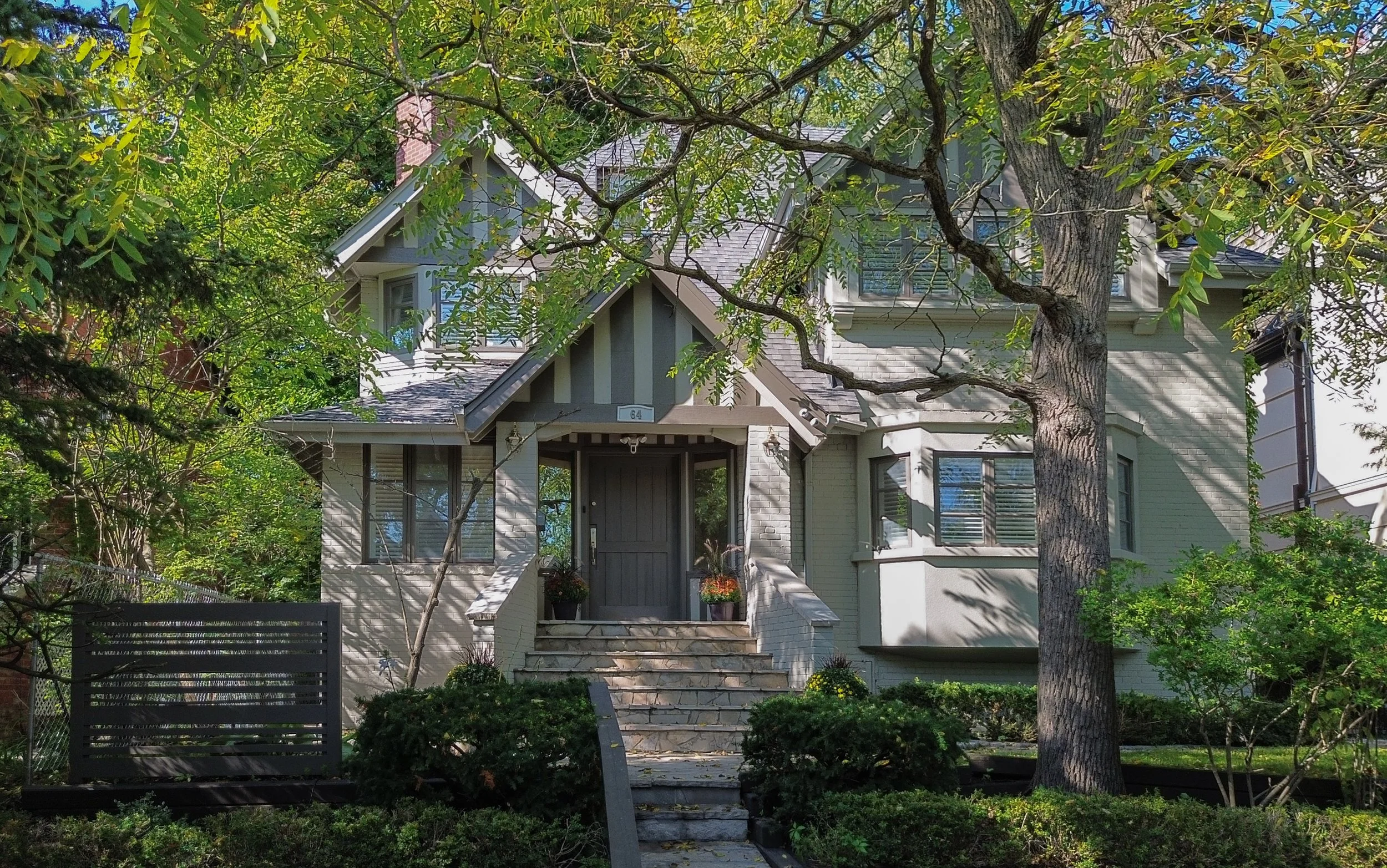
The Prestige Streets Near Rosedale
The streets at Summerhill's southern edge, closest to Rosedale, carry the strongest address premium and the largest character homes. These streets blend Summerhill's village feel with proximity to Rosedale's prestige, and they tend to attract the families and downsizers willing to pay for both heritage architecture and location.
-
![Rathnelly and the Village Character]()
Rathnelly and the Village Character
Rathnelly is a small, beloved pocket within the Summerhill area, famous for its tight community and for the time in 1967 when residents jokingly declared it the independent "Republic of Rathnelly." Beyond the folklore, Rathnelly is a genuinely charming enclave of character homes on quiet streets, with one of the strongest community identities in central Toronto.
Homes here are tightly held and rarely come to market.
-
![The Streets near Yonge and the Station]()
The Streets near Yonge and the Station
The streets closest to Yonge Street and the Summerhill subway station carry the neighbourhood's condo and townhome inventory alongside character homes. This pocket offers the most walkable, transit-convenient living in Summerhill, appealing particularly to downsizers and professionals who prioritize the car-optional lifestyle.
Schools in Summerhill
Summerhill offers a diverse educational landscape that includes public, private, and French immersion options. The primary public catchment schools serving the neighbourhood include Cottingham Junior Public School and Brown Junior Public School, both serving grades PreK to 6. Rosedale Junior Public School serves the southern part of the area.
For private education, Branksome Hall - one of Canada's most established girls' schools - is located in or near the Summerhill area, and several other private schools are within reach.
The mix of strong public catchments, private options, and French immersion makes Summerhill a flexible choice for families with different educational priorities.
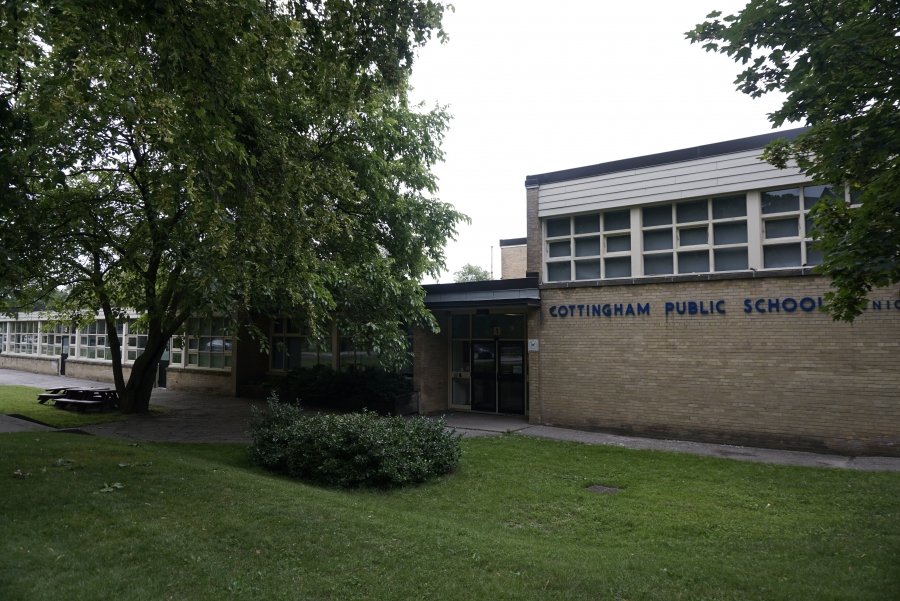
Cottingham Junior Public School
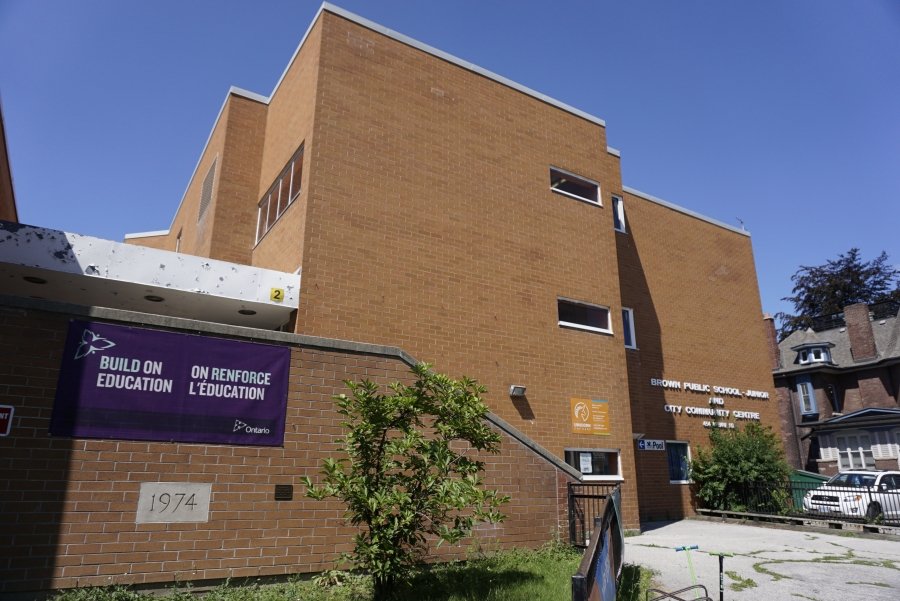
Brown Junior Public School
Lifestyle, Amenities, and What Daily Life Looks Like
Summerhill's lifestyle is defined by exceptional walkability, the Yonge Street retail and dining corridor, integrated parks and ravines, and a genuine village community character.
The Summerhill & Yonge Street Retail Corridor
Yonge Street through Summerhill is a vibrant retail and dining corridor; a food lover's destination with a variety of shops and restaurants offering diverse cuisines. The corridor combines specialty food stores, cafes, restaurants, and daily-use services, anchored by the landmark Summerhill LCBO.
The retail mix serves residents for everyday needs and destination dining alike, and its walkable scale is part of what gives Summerhill its village feel despite its central-Toronto location.

Parks, Green Space & the Ravine Access

Parks and ravines are integrated into the Summerhill neighbourhood, most notably David A. Balfour Park, which offers scenic walking trails connecting into the broader Toronto ravine system. The neighbourhood's tree-lined streets and proximity to the Rosedale ravine network give it a green character, and residents have direct access to some of central Toronto's best urban nature within
Walkability & Transit
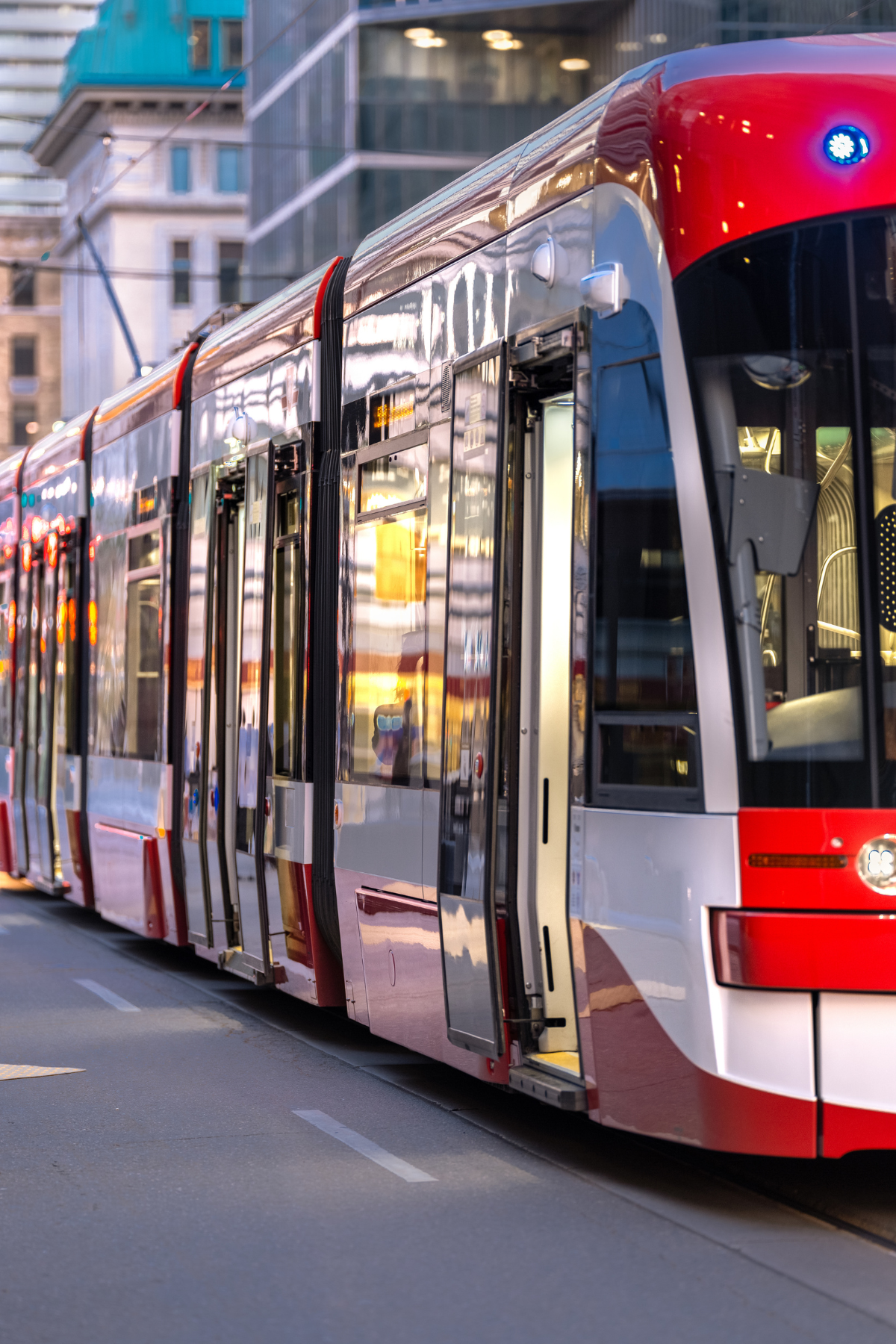
Summerhill is one of central Toronto's most walkable and transit-friendly neighbourhoods, with a Walk Score of 87 and a Transit Score of 86. The Summerhill TTC subway station provides rapid access to downtown, typically within 20 minutes, and daily errands genuinely do not require a car. For buyers who want a walkable, transit-rich lifestyle without the density of downtown, Summerhill is among the best neighbourhoods in the city.
The Village Community Character
Summerhill has a strong village community character; the kind of neighbourhood where residents know the shopkeepers on Yonge Street and pockets like Rathnelly maintain genuine community identity. The community is highly educated and affluent, with a median household income around $332,000 and roughly 77% of residents holding university degrees. This combination of village feel and affluent, educated community is central to Summerhill's appeal.

Summerhill Real Estate Market Data in 2026
Market data is updated quarterly. For the full current figures including transaction volume by housing type and street-level pricing, see Paul & Christian's Market Snapshot.

Average & Benchmark Home Prices
Summerhill's pricing reflects its diverse housing mix. As of April 2026, the median sales price for homes in Summerhill is approximately $2,100,000, with most sales occurring in the over-$2M range. The average list price for properties sits at approximately $2,445,000. The condo and townhome segment averages around $1.2M, while character semi-detached and detached homes command meaningfully higher prices, particularly on the prestige streets near Rosedale.
The sales mix explains the spread: condos account for roughly 49% of Summerhill sales, semi-detached houses roughly 43%, and detached houses roughly 9%.
These figures should be treated as directional. Verify current pricing against TRREB data for a specific property type before making decisions.

Year-Over-Year Trends
The broader Toronto market declined approximately 6.6% year-over-year in benchmark prices through the recent cycle. Summerhill properties have continued to command a premium despite that broader softening, reflecting the neighbourhood's sustained demand and limited inventory of character homes. The neighbourhood's walkability, transit access, and multi-buyer-profile appeal contribute to its market resilience.

Days on Market & Sale-to-List Ratio
As of April 2026, Summerhill's market showed a balanced inventory level of approximately 4 months, suggesting stable conditions that favour neither buyers nor sellers strongly. Properly priced character homes on the prestige streets transact reasonably quickly given the limited supply, while condos and townhomes move at a pace typical of the broader midtown condo market.
Who Are the Buyers in Summerhill?
-
Young families are drawn to Summerhill's character semi-detached and detached homes, the strong public and private school options, the parks and ravine access, and the walkable lifestyle. For families who want heritage character and central-Toronto walkability rather than a quieter suburb like Lawrence Park, Summerhill is a natural fit.
-
Downsizers leaving larger family homes elsewhere in the city are drawn to Summerhill's boutique condos and townhomes, which offer lower-maintenance living without sacrificing the village character and walkability. Summerhill lets downsizers stay close to the neighbourhood feel they value, often within walking distance of the same Yonge Street amenities they have used for years.
-
A distinctive Summerhill buyer is the design-conscious purchaser; often someone acquiring a renovated heritage home or a boutique condo as a primary or second residence specifically for the architecture and the neighbourhood character. The extensive interior renovations common in Summerhill's heritage stock appeal directly to this buyer, who values the combination of heritage exterior and contemporary interior.
Summerhill genuinely serves three distinct buyer profiles - a rarity among Toronto neighbourhoods.
Recent Notable Summerhill Sales by Paul & Christian Associates
-
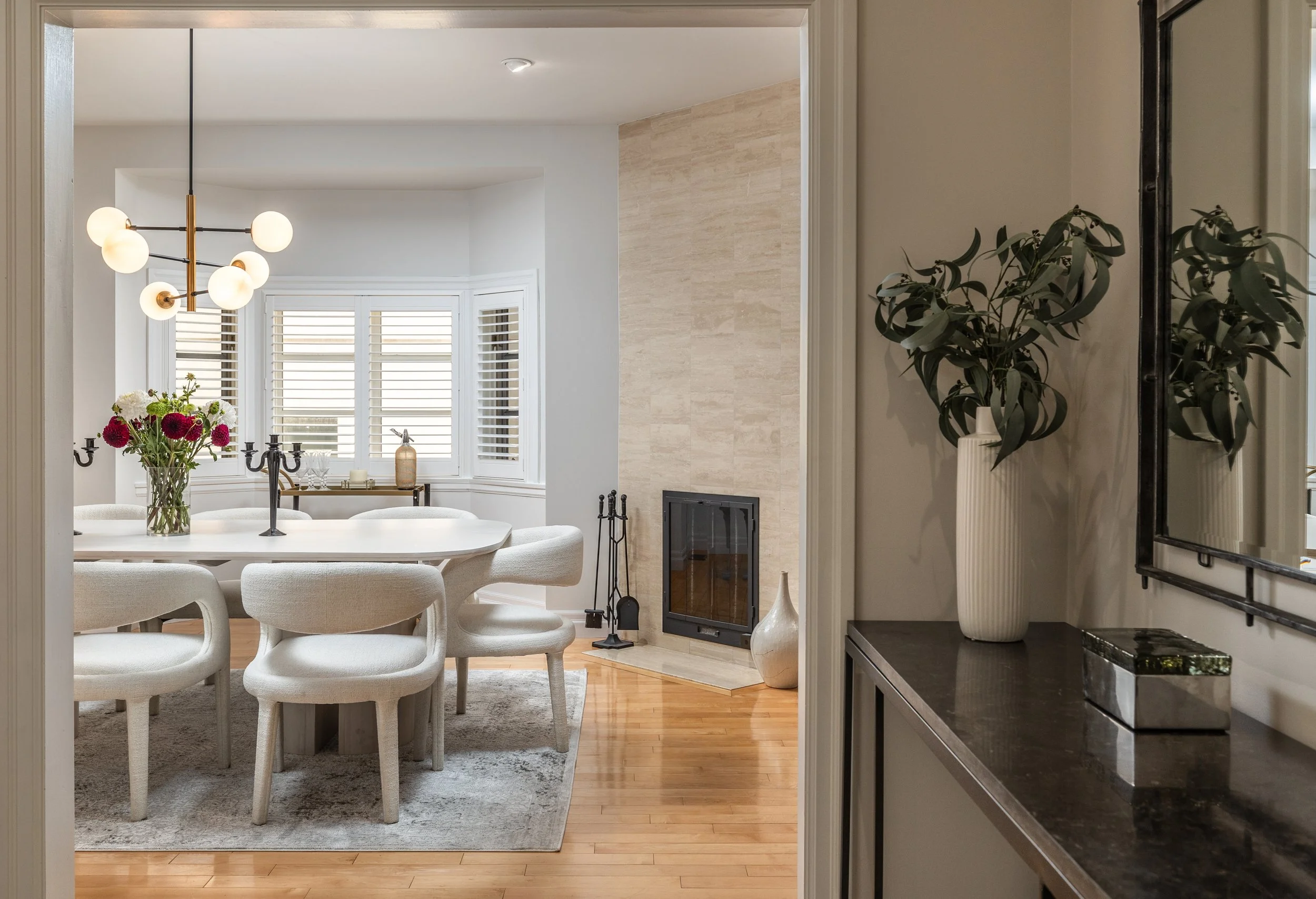
A beautifully renovated home that balanced sophisticated design with comfortable everyday living. Thoughtfully curated throughout, it offered bright, welcoming spaces for entertaining and family life, along with a seamless connection to a private landscaped garden.
-
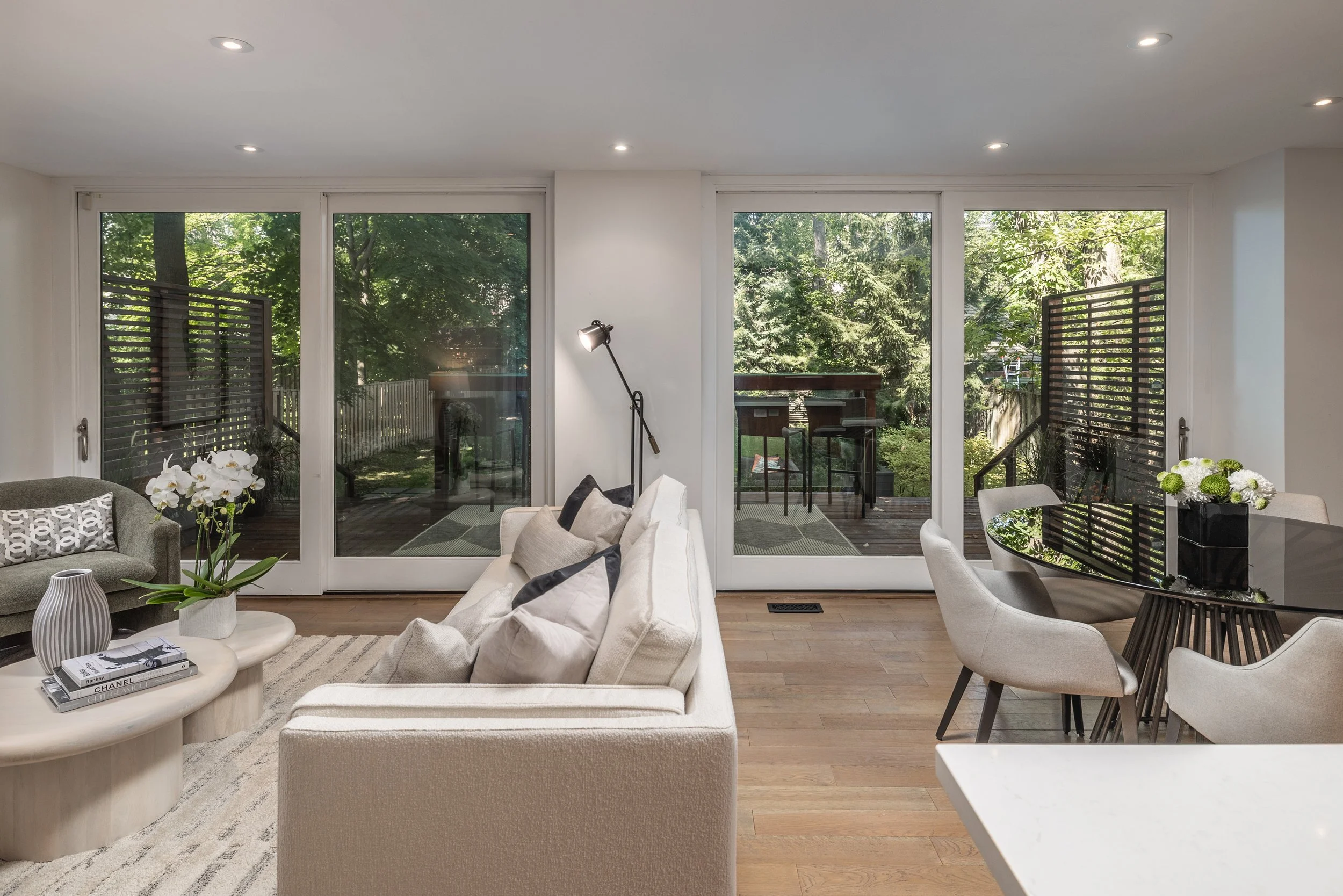
A landmark residence that beautifully balanced timeless architecture with modern family living. Thoughtfully renovated, the home offered expansive living spaces, exceptional natural light, and a seamless connection to outdoor areas, creating an elegant yet welcoming atmosphere.
-
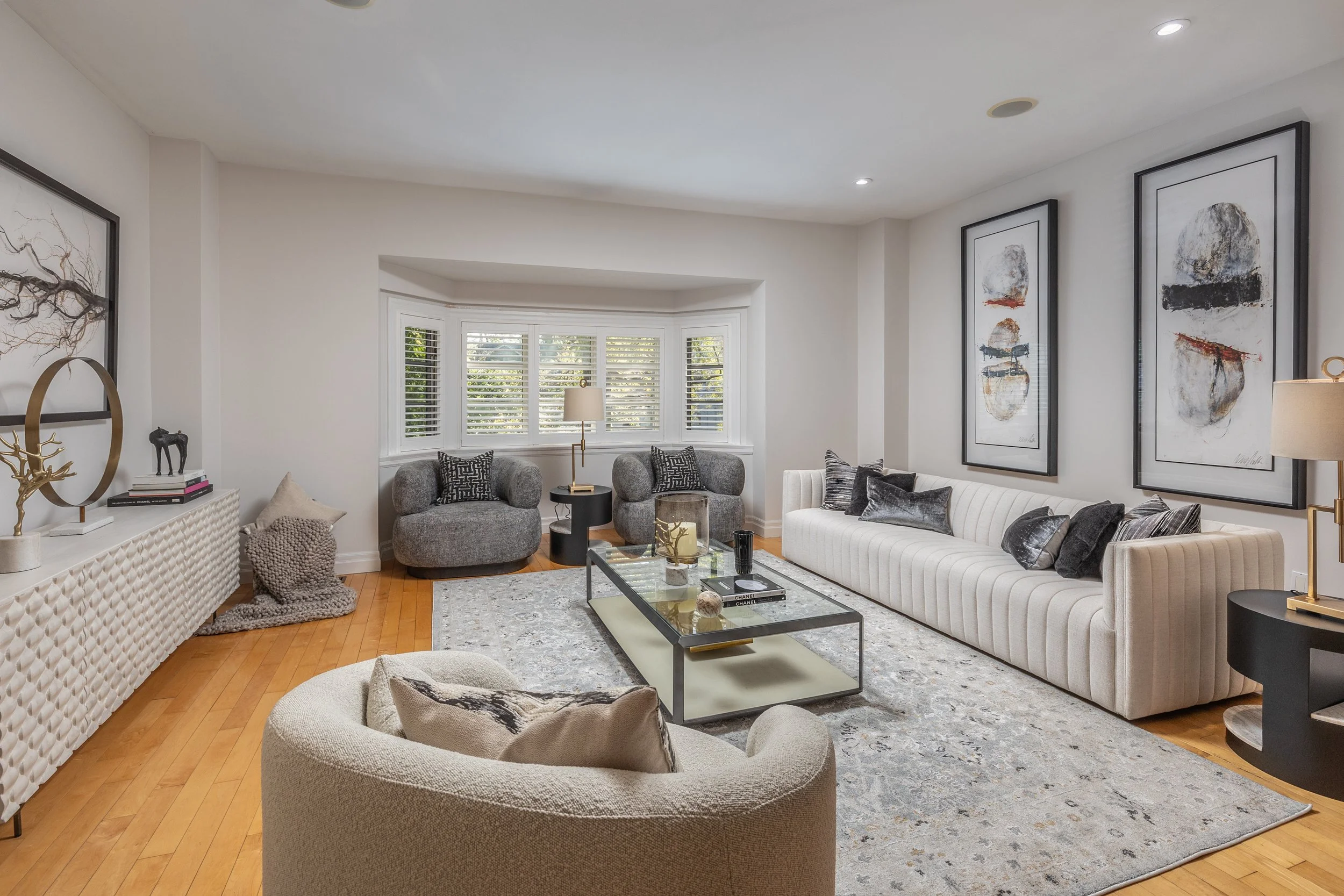
Defined by its scale, light-filled interiors, and timeless design, this exceptional home blended sophisticated entertaining spaces with comfortable family living. Expansive principal rooms, a private garden retreat, and thoughtfully renovated interiors created an inviting atmosphere throughout.
Across the past 24 months, our team has represented sellers and buyers on Summerhill transactions spanning character semis, detached Victorians, and boutique condos. Three representative examples:
For the full significant sales archive, see our Significant Sales Page here.

Meet Summerhill Specialists: Paul Maranger & Christian Vermast
Paul Maranger and Christian Vermast co-founded Paul & Christian Associates and together lead the team's representation across central and midtown Toronto, including Summerhill. Paul brings an MBA, Harvard Business School negotiation training, and over 28 years of Toronto luxury experience. Christian brings a Strasbourg law degree, multilingual fluency, and deep experience with heritage and condo transactions. Together they have been featured in Forbes, Barron's, The Globe and Mail, Toronto Life, and other publications on Toronto's luxury market.
Start Your Toronto Luxury Home Search
Whether you are buying, selling, or comparing neighbourhoods before you decide, we are happy to talk. We do not run discovery calls as sales pitches. They are working conversations about what you want and which neighbourhoods make sense.
Frequently Asked Questions About Summerhill Real Estate
-
Summerhill is a sought-after midtown Toronto neighbourhood known for the Summerhill LCBO — housed in the historic 1916 North Toronto Railway Station with its landmark clock tower — and for its walkable, tree-lined character. It combines century-old Victorian and Edwardian architecture, the Yonge Street shopping and dining corridor, integrated parks and ravines, and direct subway access to downtown, anchored by a highly educated and affluent community.
-
As of April 2026, the median sales price in Summerhill is approximately $2,100,000, with the average list price around $2,445,000. Condos and townhomes average around $1.2M, while character semi-detached and detached homes command meaningfully higher prices. The sales mix is roughly 49% condos, 43% semi-detached, and 9% detached, which shapes the overall median.
-
The Summerhill LCBO is a flagship liquor store housed inside the historic 1916 North Toronto Railway Station, a Beaux-Arts building whose clock tower is the defining landmark of the neighbourhood. After the station closed to rail traffic, it was restored and reopened as one of the most architecturally distinctive LCBO locations in Canada. It is both a functioning store and a genuine community landmark.
-
Summerhill has demonstrated strong market resilience, continuing to command a premium even as broader Toronto benchmark prices softened. The neighbourhood's walkability, transit access, limited inventory of character homes, and appeal to multiple buyer profiles all support durable demand. As with most central Toronto neighbourhoods, Summerhill rewards long-term holds rather than short-term strategies.
-
The prestige streets at Summerhill's southern edge, closest to Rosedale, carry the strongest address premium and the largest character homes. Rathnelly, a tightly held micro-neighbourhood within the area, has one of the strongest community identities in central Toronto. The streets near Yonge Street and the subway station offer the most walkable, transit-convenient living.
-
Summerhill is a strong choice for families who want heritage character and central-Toronto walkability. It offers family-sized semi-detached and detached homes, strong public schools (Cottingham, Brown, and Rosedale Junior Public), private options including Branksome Hall nearby, French immersion choices, and parks like David A. Balfour Park. For families who prefer urban walkability over a quieter suburb, Summerhill is among the best midtown options.
-
Most of Summerhill's character housing stock was built between 1880 and 1915, during Toronto's late-Victorian and Edwardian expansion. The neighbourhood developed around the railway and the Yonge Street corridor, with the 1916 North Toronto Railway Station (now the Summerhill LCBO) as a landmark of that era. Boutique condo and townhome development near Yonge has been added in recent decades.
-
Yes. Summerhill's condo and townhome inventory is concentrated near the Yonge Street corridor and the subway station, predominantly in boutique low-rise luxury buildings and modern townhomes rather than high-rise towers. Condos and townhomes average around $1.2M and actually account for roughly half of Summerhill sales by volume, reflecting steady demand for lower-maintenance options in a walkable location.
-
Summerhill is highly walkable, with a Walk Score of 87 and a Transit Score of 86 - meaning daily errands do not require a car and public transit is convenient. The Yonge Street retail corridor, the Summerhill subway station, parks, and schools are all within walking distance for most residents. Summerhill is one of central Toronto's most genuinely car-optional neighbourhoods.
-
Summerhill offers public, private, and French immersion options. The primary public catchment schools are Cottingham Junior Public School and Brown Junior Public School (both PreK-6), with Rosedale Junior Public School serving the southern part of the area. Branksome Hall, a prestigious private all-girls school, is located in or near the neighbourhood, and several other private schools are within reach.
-
Summerhill is home to a highly educated and affluent community, with a median household income around $332,000 and roughly 77% of residents holding university degrees. The neighbourhood attracts young families, downsizers, and design-conscious professionals in roughly equal measure - one of the few Toronto neighbourhoods that genuinely serves multiple buyer profiles at once.
-
Summerhill features century-old architecture alongside modern low-rise luxury development. The defining residential stock is semi-detached and detached Victorian and Edwardian homes built between 1880 and 1915, many extensively renovated internally. This heritage stock sits alongside boutique condos, modern townhomes, and new low-rise development near Yonge Street.
-
As of April 2026, Summerhill showed a balanced inventory level of approximately 4 months, indicating stable conditions. Properly priced character homes on the prestige streets transact reasonably quickly given limited supply, while condos and townhomes move at a pace typical of the broader midtown condo market. Mispriced homes can sit longer in any segment.
-
Summerhill is among Toronto's safer residential neighbourhoods, with the low crime rates typical of established, affluent, residential midtown areas. The walkable streets, consistent foot traffic along Yonge Street, and engaged village community all contribute to a safe environment. Residents typically describe Summerhill as a safe, walkable, family-friendly neighbourhood.
-
Summerhill and Rosedale are adjacent and sometimes grouped together, but they differ. Rosedale is larger, more uniformly grand, anchored by estate-scale heritage homes and a deep ravine system, with higher overall pricing. Summerhill is smaller, more village-like, with a higher share of semi-detached homes and condos, greater walkability to the Yonge retail corridor, and somewhat more accessible pricing. Summerhill suits buyers who want Rosedale's location and character at a slightly more attainable tier.
-
Summerhill and Yorkville are both walkable midtown neighbourhoods but serve different buyers. Yorkville is condo-dominant, concierge-driven, anchored by the Mink Mile luxury retail corridor. Summerhill is house-dominant with a smaller boutique condo inventory, more village character, and a more residential feel. Yorkville suits downsizers and international condo buyers; Summerhill suits families and buyers who want neighbourhood character alongside walkability.
-
Rathnelly is a small, beloved micro-neighbourhood within the Summerhill area, famous for the time in 1967 when residents jokingly declared it the independent "Republic of Rathnelly." Beyond the folklore, it is a genuinely charming enclave of character homes on quiet streets, with one of the strongest community identities in central Toronto. Homes in Rathnelly are tightly held and rarely come to market.
-
Yes. The Summerhill TTC subway station sits within the neighbourhood and provides rapid access to downtown, typically within 20 minutes. Combined with the neighbourhood's Walk Score of 87 and Transit Score of 86, the subway access makes Summerhill one of central Toronto's most genuinely car-optional neighbourhoods.
-
Summerhill and Forest Hill are both established central-Toronto neighbourhoods but differ significantly. Forest Hill is a family-luxury neighbourhood anchored by private schools, with larger lots and a higher price tier. Summerhill is a more walkable, transit-rich, village-character neighbourhood with a diverse housing mix and more accessible pricing. Forest Hill suits families prioritizing private schools and lot size; Summerhill suits buyers prioritizing walkability and neighbourhood character.
-
People choose Summerhill for its rare combination of heritage character, exceptional walkability, and village community feel in a central-Toronto location. It offers Victorian and Edwardian homes on tree-lined streets, the landmark Summerhill LCBO and Yonge Street dining corridor, David A. Balfour Park and ravine access, direct subway access to downtown, and strong schools - all in a neighbourhood that genuinely serves families, downsizers, and design-conscious buyers alike.
Explore Related Toronto Neighbourhoods
Summerhill sits among Toronto's most desirable central neighbourhoods. Buyers comparing Summerhill against alternatives most often look at:
Rosedale - adjacent, grander heritage homes, ravine system, higher tier
Yorkville - condo-focused, luxury retail, concierge living
Forest Hill - family-luxury, private schools, larger lots
The Annex - heritage architecture, university-adjacent, walkable
Cabbagetown - Victorian heritage, downtown-adjacent, owner-occupied
For the full list, see our Toronto luxury neighbourhoods guide.
Working with Paul & Christian Associates in Summerhill
Whether you are buying, selling, or comparing neighbourhoods before you decide, we are happy to talk. We do not run discovery calls as sales pitches - they are working conversations about what you want and how Summerhill fits.
Get a custom valuation for your home in Summerhill - most useful if you are considering selling within 12 months
Start your home search in Summerhill with us - for buyers actively looking
Read Paul Maranger and Christian Vermast's full bio - to understand how the team operates