

Cabbagetown Real Estate: A Buyer and Seller's Guide to Toronto's Largest Heritage District
Paul Maranger and Christian Vermast, Brokers and Executive Vice Presidents of Sales, Sotheby's International Realty Canada
Who Sells Homes in Cabbagetown?
Cabbagetown Toronto real estate is structurally different from the rest of Toronto's luxury market. The housing stock is overwhelmingly heritage Victorian, the neighbourhood operates under a Heritage Conservation District designation that constrains renovation, and the buyer pool is unusually sophisticated —- preservationists, downtown professionals, architecturally literate empty nesters. Selling here requires an agent who understands what heritage buyers actually pay for and what they refuse to compromise on.
Inside the Cabbagetown Market
Paul & Christian Associates have specialized in Cabbagetown for two decades, with Christian Vermast leading the team's heritage-focused representation. Backed by $1 billion in career sales and the Sotheby's International Realty global network, we work with sellers who want their Victorian properly positioned, and with buyers who want representation that knows the difference between a sympathetic restoration and a renovation that destroys long-term value.
What is Cabbagetown Known For?
Cabbagetown is known for having the largest collection of Victorian homes in North America, with most houses built between 1860 and 1895, many of which have been carefully restored. It is one of Toronto’s most distinctive neighbourhoods and a Heritage Conservation District just east of downtown. Defined by leafy streets and working-class Irish origins, it was revitalized in the 1970s and 1980s by new homeowners who restored many of the Victorian homes, transforming Cabbagetown into one of Toronto’s most sought-after neighbourhoods.
Residents pay a premium here for architectural integrity, urban proximity, and a strong sense of community that few Toronto neighbourhoods have preserved at this scale.
-
Cabbagetown's history began in the 1840s when thousands of Irish immigrants settled in the area after fleeing the potato famine. With limited means for landscaping, many grew cabbages on their front lawns to help feed their families. Neighbours from wealthier parts of the city began calling the area Cabbagetown - initially as a slight, eventually as the name that stuck. By the late 1800s, the neighbourhood had become a working-class district characterized by tightly packed Victorian rowhouses built to house the families employed in nearby industries.
-
By the 1960s, much of central Cabbagetown had fallen into disrepair, and the city briefly considered demolishing large sections of it. The neighbourhood's revitalization began in the 1970s and 1980s, when a new wave of homeowners, many of them artists, academics, and young professionals, began purchasing and restoring the Victorian housing stock house by house. By the 1990s, the City of Toronto had designated much of central Cabbagetown as a Heritage Conservation District (HCD), which protects the neighbourhood's architectural character through stricter renovation guidelines than apply elsewhere in the city.
The HCD is the single most important factor for any Cabbagetown buyer or seller to understand. It protects long-term value but limits what can be changed.
-
Cabbagetown sits east of downtown Toronto, bordered by the Don Valley Parkway to the east, Gerrard Street East to the south, Parliament Street to the west, and Wellesley Street East to the north. Within these boundaries, the neighbourhood divides into four sub-areas with distinct character:
Cabbagetown South - the area closest to Allan Gardens, denser, with a higher concentration of converted Victorian flats.
Cabbagetown Central - the heritage core, including Carlton Street, Winchester Street, and Metcalfe Street. The premier streets sit here.
Cabbagetown North - closer to Wellesley, more family-oriented, with slightly larger lots.
Cabbagetown Northwest (Don Vale) - the historically older pocket, designated separately as the Don Vale Heritage Conservation District. This is where many of the most architecturally significant homes are concentrated.
-
The transformation from working-class Irish enclave to one of Toronto's most desirable neighbourhoods is part of what makes Cabbagetown architecturally and culturally distinctive. The 1970s-1980s revitalization preserved the Victorian housing stock that would have been lost to demolition elsewhere.
Today, the neighbourhood reflects a sophisticated demographic - median age 45, median household income approximately $91,400, with 88% of residents being college educated. Only 9% of households have children, which speaks to Cabbagetown's particular appeal: empty nesters, professional couples, and design-conscious buyers who prioritize urban proximity and architectural integrity over family-sized layouts.
Architecture and Home Styles in Cabbagetown
-
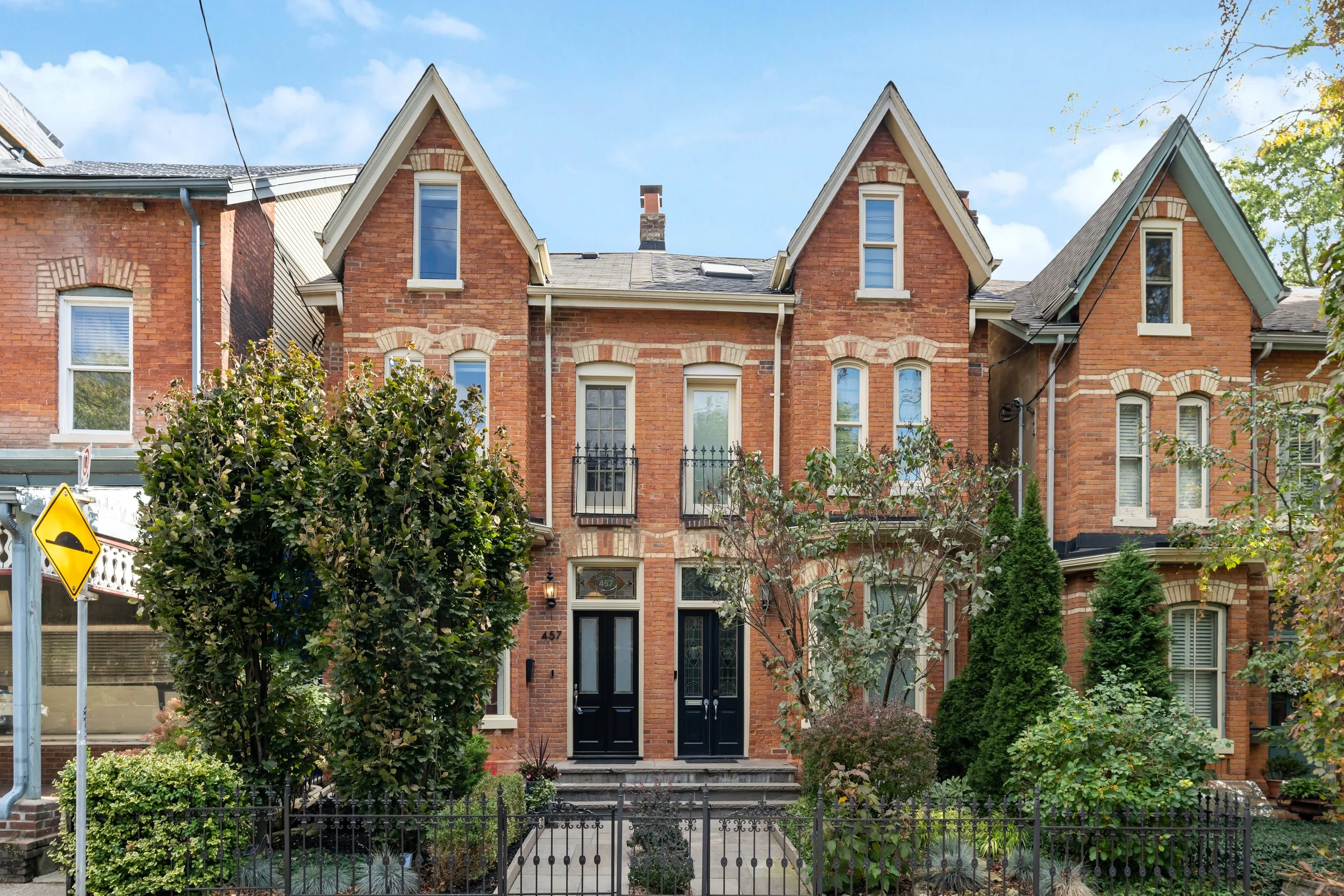
The dominant home style in Cabbagetown is the Victorian rowhouse, most commonly in the Bay-and-Gable form - a distinctly Toronto adaptation of the Victorian terrace, with a projecting bay window topped by a gabled roof. These homes were built in extensive runs along streets like Carlton, Winchester, and Metcalfe between 1875 and 1895.
They are typically 2.5 storeys, narrow lot widths, with deep front porches and high-ceilinged interiors. The most architecturally intact runs of Bay-and-Gable rowhouses in Toronto are in Cabbagetown.
-
A smaller but architecturally significant share of Cabbagetown's housing stock is in Second Empire style (mansard roofs, ornate dormers - the most distinctive examples sit on Carlton and Winchester) and Gothic Revival (steep roofs, pointed-arch windows, decorative bargeboard trim).
These styles overlap with the Bay-and-Gable era but represent the more elaborate end of Victorian residential design. Buyers interested in these styles typically pay a meaningful premium.
-
A small inventory of Edwardian (post-1900) homes exists in northern Cabbagetown, characterized by simpler facades, larger floor plates, and more contemporary internal layouts. These are often easier to renovate to modern living standards while remaining within HCD guidelines, and frequently appeal to buyers who want Cabbagetown character but more functional family layouts.
Cabbagetown's architectural depth is its defining feature. Few neighbourhoods in North America carry this density of intact Victorian housing stock from a single building era.
Heritage Considerations and Renovation
Renovating a heritage Cabbagetown home is meaningfully more complex than a typical Toronto renovation. The Heritage Conservation District guidelines protect the front facade, the visible massing from the street, and historic architectural details. They generally permit interior renovation, rear additions within strict envelope limits, and contemporary kitchen/bathroom modernization. They generally do not permit changes to the front façade, alterations to historic windows visible from the street, or rear additions that disrupt the streetscape's massing pattern.
Buyers planning to renovate should engage a heritage architect with Cabbagetown experience before submitting an offer. Approval timelines for heritage permit applications can run 4-8 months. We work with the architects who specialize in this neighbourhood and can refer clients directly.
The Best Streets and Pockets in Cabbagetown
-
![]()
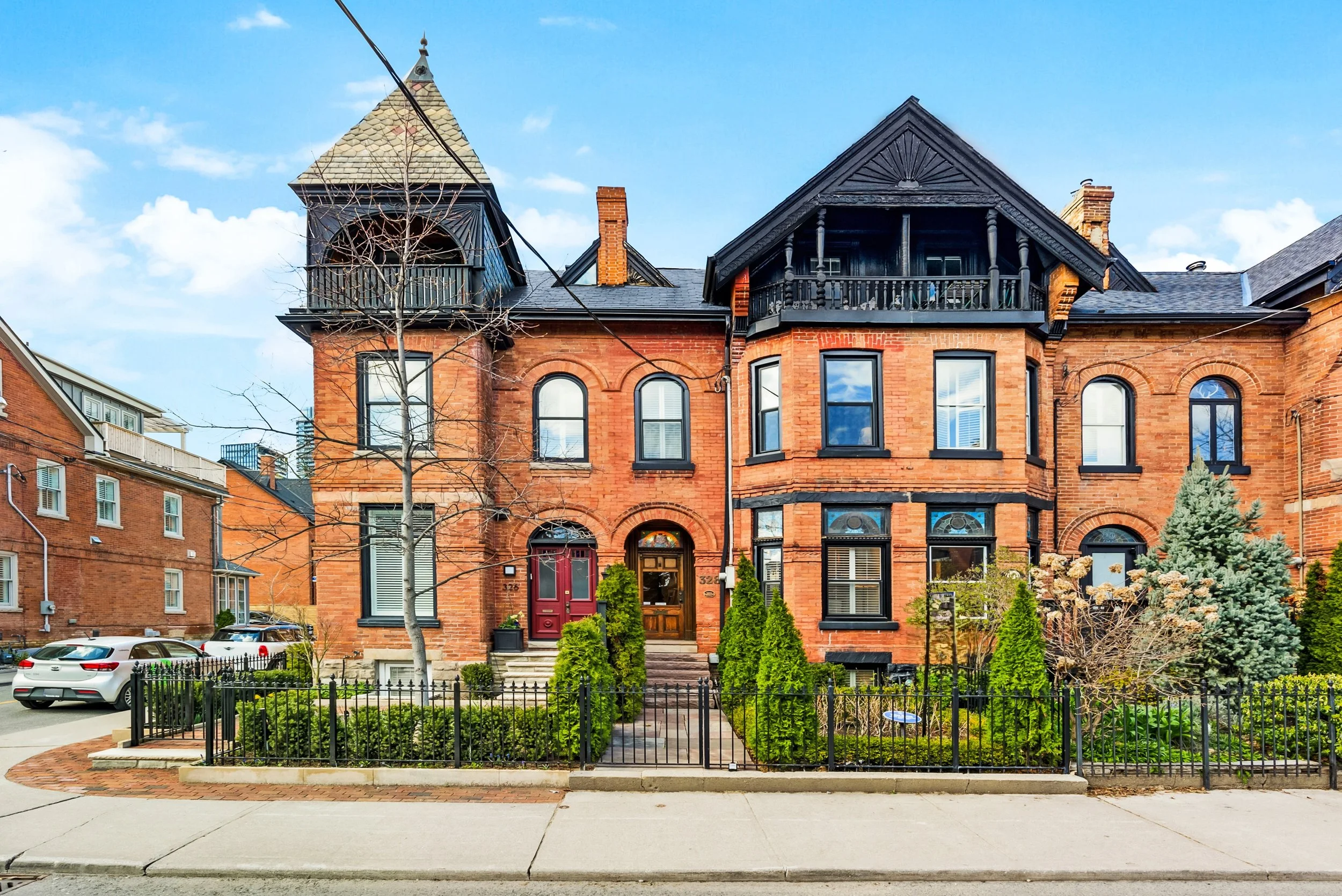
The Premier Streets: Carlton, Winchester, and Metcalfe
The architectural core of Cabbagetown sits along Carlton Street, Winchester Street, and Metcalfe Street. These three streets contain the most concentrated runs of intact Victorian Bay-and-Gable rowhouses, the largest individual properties, and the most consistent streetscape. Properties on these streets typically command 15-20% premiums over otherwise comparable Cabbagetown homes one street over.
-
![Wellesley and Spruce: the Eastern Pockets]()
Wellesley and Spruce: the Eastern Pockets
Wellesley Street East and Spruce Street form the northeastern character pocket. The homes here are slightly later in the Victorian period, often with larger lots and more setback. Spruce Street in particular has a quieter, almost residential-suburban feel despite sitting just minutes from the downtown core.
-
![Riverdale Park and the Eastern Boundary]()
Riverdale Park and the Eastern Boundary
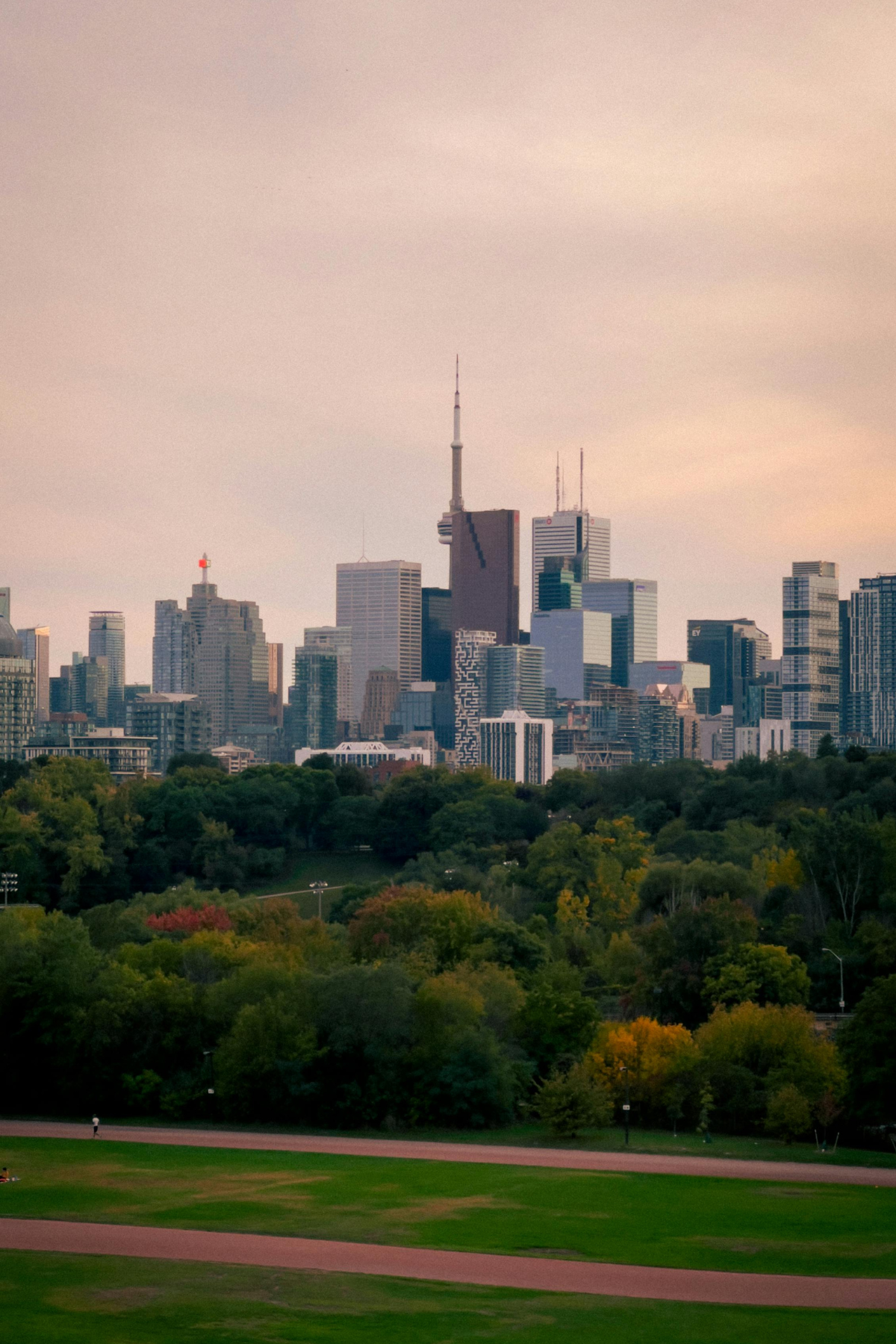
The streets along the eastern edge, closest to Riverdale Park and the Don Valley Parkway, offer something most Cabbagetown homes cannot: views and direct park access. Properties along Bayview Avenue and the eastern fringes of Carlton tend to attract a different buyer than the heritage core, often with families or buyers prioritizing outdoor space.
Lifestyle, Amenities, and What Daily Life Looks Like
Cabbagetown's lifestyle is defined by walkable neighbourhood density, strong community institutions, and an unusual combination of heritage character and downtown proximity.
Riverdale Farm & Cabbagetown's Parks
Riverdale Farm, the working farm in the heart of the neighbourhood, is the single most distinctive amenity in Cabbagetown. It is free, family-friendly, and offers a rural pause inside the city that no other downtown Toronto neighbourhood matches. Beyond Riverdale Farm, Cabbagetown is bordered by Riverdale Park (one of Toronto's largest parks, with sports fields, trails, and panoramic skyline views) and contains numerous smaller pocket parks throughout. Allan Gardens to the south and the Necropolis cemetery (a quiet historical landmark) round out the green space inventory.
Cabbagetown hosts the Riverdale Farmers' Market every Tuesday from May through October, fostering a sense of community among residents. It is one of the most established neighbourhood-scale farmers' markets in Toronto.
Cabbagetown's Independent Retail & Dining
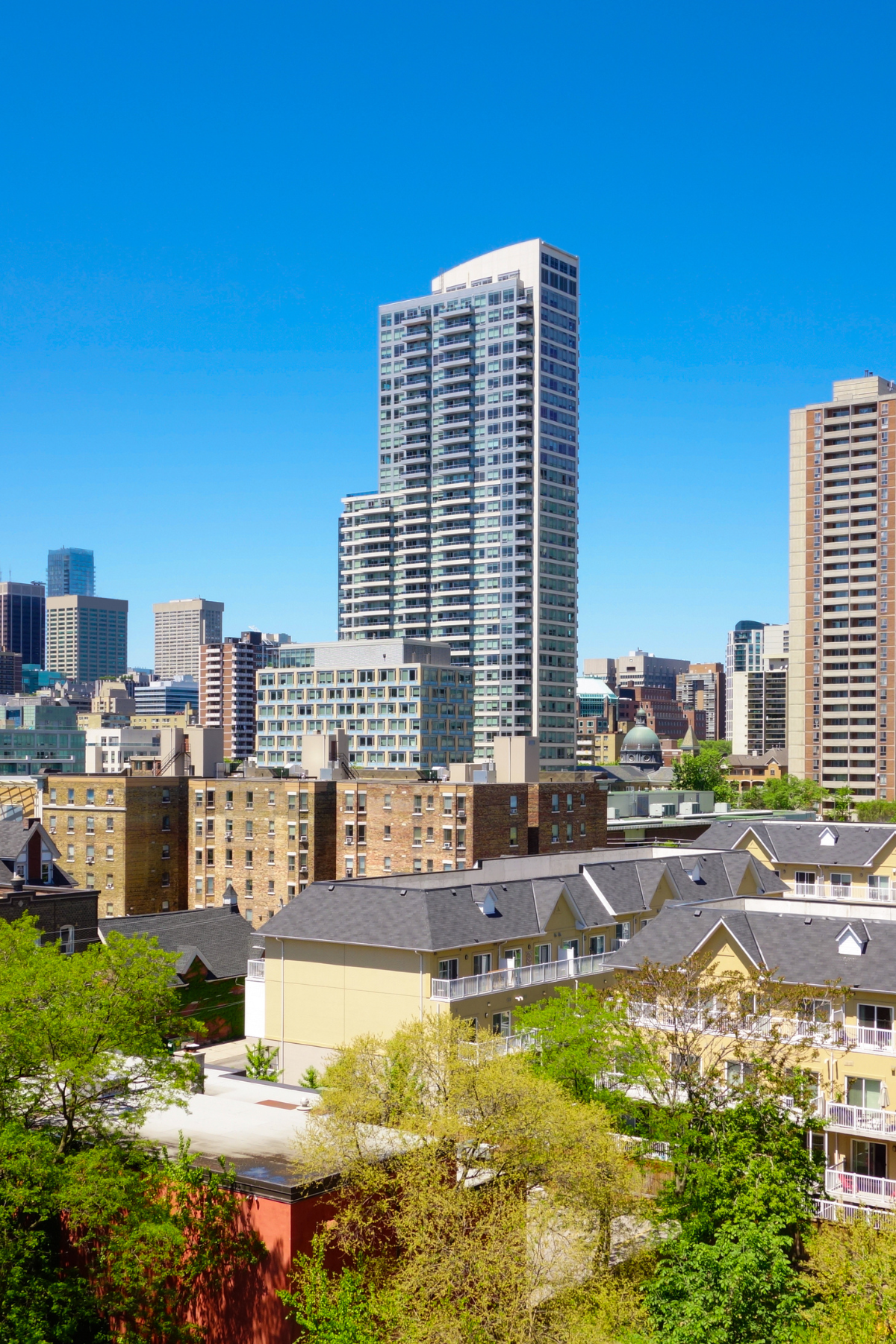
Parliament Street is Cabbagetown's main commercial corridor, lined with independent shops, restaurants, cafes, and specialty food stores. The retail mix is genuinely independent - chain retail is rare here, partly by character and partly by zoning. Carlton Street offers a smaller secondary commercial pocket. The dining and café scene has matured significantly over the past 15 years, with multiple destination restaurants now serving the area.
Cabbagetown Festival & Community Events
The Cabbagetown Festival is held every September and is one of Toronto's longest-running neighbourhood festivals. It features a mini-marathon, historical walking tours of the Heritage Conservation District, a community-wide yard sale, and a parade. The festival is more than a tourist event; it draws together residents, longtime homeowners, and new buyers, and is a meaningful part of the neighbourhood's strong sense of community.

Schools & Family Considerations
Cabbagetown is not primarily a family neighbourhood - only about 9% of households have children. That said, several public schools serve the area, including Lord Dufferin Junior and Senior Public School (within Cabbagetown) and Rose Avenue Junior Public School (just south of Cabbagetown). Families considering Cabbagetown should review specific catchment maps before committing - the school options vary meaningfully by street.

The Cabbagetown Real Estate Market Data in 2026
Market data is updated monthly. For the full current figures including transaction volume by housing type and street-level pricing, see Paul & Christian's Market Snapshot.

Average & Benchmark Home Prices
Average home prices in Cabbagetown range from approximately $1M-1.5M for typical Victorian rowhouses, with significant inventory above $2M for fully restored or larger homes, and select properties exceeding $3M for the most architecturally significant houses on the premier streets.
For condos and townhouses specifically, the average condo in the Cabbagetown-South St. James Town neighbourhood has a listing price of $589,000, with the most expensive condo listed at $1,240,000 and the most affordable at $375,000. The average townhouse in Cabbagetown-South St. James Town has an average listing price of $1,442,000, with the most expensive townhouse listed at $2,595,000.
These figures should be treated as directional. Verify current pricing against TRREB data before making decisions on a specific property.

Year-Over-Year Trends
The broader Toronto market corrected approximately 5.5% year-over-year through 2025. Cabbagetown has tracked closer to the city average than higher-end neighbourhoods like Forest Hill or Rosedale. The market is currently normalizing toward a more balanced state; meaningful for both sides of the transaction. Improved inventory levels compared to recent years provide buyers with more options, while sellers need to position properties strategically rather than relying on aspirational pricing.

Days on Market & Sale-to-List Ratio
Cabbagetown homes priced correctly typically transact within 30-45 days. Notably, recent data shows that 36.4% of homes in the Cabbagetown-South St. James Town area sell in under 10 days on the market, which is above the Toronto city average. Heritage Victorians on the premier streets often see particularly quick transactions when listed at appropriate price points, reflecting the genuinely constrained supply at that tier.
Who Are the Buyers in Cabbagetown?
-
The largest buyer pool in Cabbagetown comes for the architecture. These buyers, often previous urban renovators, design professionals, or buyers who have deliberately rejected suburban living, pay meaningful premiums for unrestored or sympathetically restored Victorians. They value original details (mouldings, mantels, hardwood, stained glass), and they accept the constraints of HCD living as part of the appeal.
-
A growing share of Cabbagetown buyers are professionals working in the financial, legal, and tech sectors of Toronto's downtown business. These buyers want walkable urbanism, restaurant and amenity density, and a 10-15 minute commute to Bay Street or King Street. For these buyers, Cabbagetown competes directly with the Annex, Riverdale, and Leslieville on lifestyle, with heritage character as the differentiator.
-
Cabbagetown has a significant rental market - approximately 60% of dwellings in the broader Cabbagetown-South St. James Town area are large apartment buildings, with smaller numbers of converted Victorian flats and townhouses. Investors in Cabbagetown typically buy converted Victorian triplexes or larger heritage properties for long-term hold strategies. Cabbagetown rewards 10-year-plus horizons; the heritage stock is genuinely finite, and the conservation district protects against densification.
Three distinct buyer profiles dominate Cabbagetown's market, each with different priorities and price sensitivities.
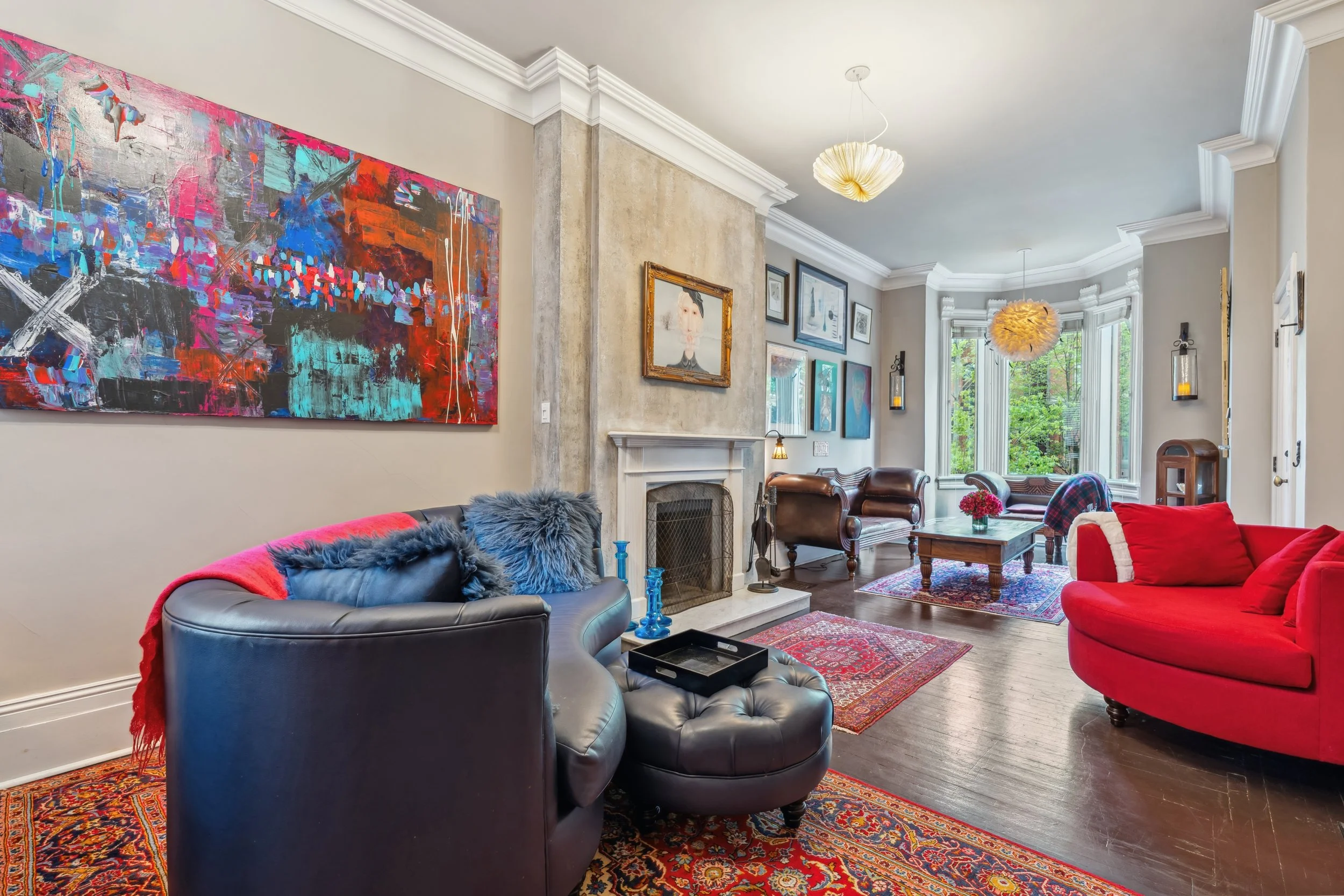
Recent Notable Sales in Cabbagetown
Across the past 24 months, our team has represented sellers and buyers on transactions ranging from converted Victorian flats in the $700,000 range to fully restored heritage homes above $2 million. Three representative examples:
-
A Carlton Street fully-restored Bay-and-Gable Victorian, sold to a downsizer relocating from Forest Hill. The buyer specifically wanted heritage character and downtown proximity, and the home matched her requirements precisely.
-
A Winchester Street property sold off-market to an international buyer through the Sotheby's referral network. The seller was a long-time Cabbagetown homeowner relocating internationally; we coordinated buyer outreach across three Sotheby's affiliate offices.
-
A Spruce Street Edwardian, represented buyer-side. The buyers were a young professional couple comparing Cabbagetown against The Annex and Riverdale, and the Edwardian's larger floor plate met their long-term needs better than smaller Victorian inventory.
For the full significant sales archive, see our Significant Sales Page here.

Meet the Cabbagetown Specialists: Paul Maranger & Christian Vermast
Paul Maranger and Christian Vermast are the co-founders of Paul & Christian Associates and the team's lead specialists for heritage neighbourhoods including Cabbagetown, The Annex, and Yorkville.
Christian holds a Bachelor of Law degree from Université Robert Schuman in Strasbourg, France, and speaks four languages fluently; strengths that have made him the team's primary point of contact for international buyers and architecturally-focused transactions.
Paul combines an impressive academic background (B.Com. and MBA) with six years of banking experience to provide his clients with exceptional real estate and investment insight.
Start Your Toronto Luxury Home Search
Whether you are buying, selling, or comparing neighbourhoods before you decide, we are happy to talk. We do not run discovery calls as sales pitches. They are working conversations about what you want and which neighbourhoods make sense.
Frequently Asked Questions About Cabbagetown Real Estate
-
Cabbagetown is known for the largest collection of Victorian homes in North America, designated as a Heritage Conservation District, and for its working-class Irish origins from the 1840s. Today it is one of Toronto's most distinctive heritage neighbourhoods, with sophisticated demographics, leafy streets, and the unique Riverdale Farm at its centre.
-
Cabbagetown was named after the cabbages that Irish immigrant families grew on their front lawns in the 1840s and 1850s. The Irish settlers arriving from the potato famine were too poor for ornamental gardens, and grew cabbages for food. Neighbours from wealthier parts of Toronto began calling the area Cabbagetown — initially as a class-based slight, eventually as the neighbourhood's official identity.
-
The City of Toronto designated much of central Cabbagetown as a Heritage Conservation District (HCD) in the late 20th century to protect the neighbourhood's intact Victorian architecture. The HCD designation places stricter renovation guidelines on properties within its boundaries — protecting front facades, historic massing, and visible architectural details from the street. The Don Vale area has its own separate HCD designation.
-
Average home prices in Cabbagetown range from approximately $1 million to $1.5 million for typical Victorian rowhouses, with select properties exceeding $3 million. In the broader Cabbagetown-South St. James Town area (which includes apartments and condos), the average is approximately $1,212,000 — about 12% below the Toronto-wide average. Condos average $589,000 and townhouses average $1,442,000.
-
Cabbagetown has appreciated meaningfully over the past two decades, particularly for heritage-protected inventory on the premier streets. The HCD designation constrains supply growth — meaning the heritage stock is finite — which supports long-term value. Cabbagetown rewards 10-year-plus holds rather than short-term flips. The condo and converted-flat segment offers more liquidity but lower appreciation than detached heritage homes.
-
The premier streets in central Cabbagetown are Carlton Street, Winchester Street, and Metcalfe Street — these contain the most concentrated runs of intact Victorian Bay-and-Gable rowhouses. Wellesley Street East and Spruce Street form a quieter eastern pocket. Streets bordering Riverdale Park offer views and direct park access. Each pocket has its own character; the right "best" street depends on the buyer's priorities.
-
Cabbagetown is generally a safe Toronto residential neighbourhood, with property crime rates comparable to other downtown-adjacent areas. The neighbourhood is well-lit, residentially dense, and walkable through the evenings, with consistent foot traffic from residents and Riverdale Farm visitors during daylight hours. As with any urban neighbourhood, conditions vary by street and by time of day; specific safety questions are best answered by visiting the area in person.
-
Cabbagetown sits west of the Don Valley Parkway; Riverdale sits east. Cabbagetown is older (most homes 1860-1895), more architecturally homogeneous (overwhelmingly Victorian), and HCD-protected. Riverdale is slightly later (most homes 1890-1920), more architecturally diverse (Edwardian and early-20th-century styles dominant), and has a stronger family-buyer character. Cabbagetown's downtown proximity is closer; Riverdale's lot sizes are typically larger.
-
Most of Cabbagetown's housing stock was built between 1860 and 1895, during Toronto's Victorian-era expansion. The neighbourhood reached its current built form by the late 1890s, with smaller infill construction continuing through the early 20th century. The heritage-stock vintage is what defines the neighbourhood and supports its HCD designation.
-
Yes, but with constraints. The Heritage Conservation District guidelines generally permit interior renovation, rear additions within strict envelope limits, and contemporary kitchen and bathroom modernization. They generally do not permit changes to front facades, alterations to historic windows visible from the street, or major massing changes. Permit timelines run 4-8 months. Working with a heritage architect with Cabbagetown experience is essential before purchasing if renovation is planned.
-
Cabbagetown's architecture is dominated by Victorian Bay-and-Gable rowhouses (Toronto's distinctive Victorian style), with significant inventory in Second Empire, Gothic Revival, and Italianate styles. A smaller number of Edwardian (post-1900) homes appear in the northern part of the neighbourhood. Most homes were built between 1860 and 1895, making Cabbagetown the largest concentrated collection of Victorian residential architecture in North America.
-
Cabbagetown is not primarily a family neighbourhood; only about 9% of households have children. The narrow lot widths, smaller floor plates of typical Victorian rowhouses, and the demographic skew toward professional couples and empty nesters all reflect this. That said, Cabbagetown has good public schools, multiple parks (including Riverdale Farm and Riverdale Park), and many family-friendly community events; it works well for families who specifically want urban heritage living over suburban-style space.
-
Yes there are approximately 60% of dwellings in the broader Cabbagetown-South St. James Town area are large apartment buildings, with smaller numbers of converted Victorian flats and modern low-rise condos. Condo prices average approximately $589,000, with modern low-rise and loft-style units averaging $648,000. The condo inventory is one reason Cabbagetown's overall price average sits below Toronto's, despite the heritage homes commanding premium pricing.
-
Recent data shows that 36.4% of homes in the Cabbagetown-South St. James Town area sell in under 10 days, which is above the Toronto city average. Properly priced heritage homes on the premier streets often see particularly quick transactions. Mispriced heritage properties, particularly those needing significant restoration work, can sit considerably longer.
-
Cabbagetown's demographics reflect a sophisticated, professional resident base. Median age is approximately 45, median household income approximately $91,400, and 88% of residents are college educated. Only 9% of households have children. The neighbourhood attracts heritage enthusiasts, downtown professionals, design and creative-industry residents, and an increasing number of empty nesters relocating from larger family homes elsewhere in the city.
-
Public schools in Cabbagetown are operated by the Toronto District School Board. Lord Dufferin Junior and Senior Public School is the primary catchment school within the neighbourhood. Rose Avenue Junior Public School serves the southern boundary. Several private school options exist within reasonable distance, though the strongest concentrations of Toronto's private schools are in Forest Hill and Rosedale, not Cabbagetown.
-
Cabbagetown is one of Toronto's most walkable neighbourhoods. Parliament Street's commercial corridor, Carlton Street, the multiple parks (including Riverdale Farm and Riverdale Park), and direct sidewalk-grid access to downtown Toronto give the neighbourhood high walkability for daily errands, dining, and recreation. Most residents complete the bulk of their daily routine on foot or by transit.
-
Cabbagetown and The Annex are both heritage Toronto neighbourhoods with strong architectural identity, but they attract different buyers. Cabbagetown is more uniformly Victorian, smaller in scale, more HCD-protected, and east of downtown. The Annex is more architecturally diverse (Annex-style Queen Anne Revival dominates), larger in geographic footprint, more academic in character (University of Toronto adjacency), and west-central.
-
The Cabbagetown Festival is a community-wide event held every September, featuring a mini-marathon, historical walking tours of the Heritage Conservation District, a community-wide yard sale, and a parade. It is one of Toronto's longest-running neighbourhood festivals and draws together longtime residents and newer homeowners. The festival reflects Cabbagetown's strong sense of community and active neighbourhood organization.
-
Cabbagetown's gentrification is largely complete. The transformation from working-class Irish enclave to high-income heritage neighbourhood happened in waves between 1970 and 2010. Today, the neighbourhood is genuinely affluent, with median household income approximately $91,400 and 88% of residents college educated. The remaining housing inventory shifts that occur tend to be within the heritage segment — restoration of unrenovated Victorians, conversion of multi-unit properties back to single-family homes, and continued investment in the architectural stock.
Explore Related Toronto Neighbourhoods
Cabbagetown sits adjacent to several other historic Toronto neighbourhoods. Buyers comparing Cabbagetown against alternatives most often look at:
The Annex — heritage architecture, larger lots, university-adjacent
Rosedale — Edwardian heritage, ravine access, higher price tier
Yorkville — concierge condo living, walkable luxury, downtown proximity
Summerhill — Victorian rowhouses, walkable midtown, smaller scale
Riverdale (East York) — east of the Don Valley, more family-oriented heritage
For the full list, see our Toronto luxury neighbourhoods guide.
Working with Paul & Christian Associates in Cabbagetown
Whether you are buying, selling, or comparing neighbourhoods before you decide, we are happy to talk. We do not run discovery calls as sales pitches - they are working conversations about what you want and how Cabbagetown fits.
Get a custom valuation for your home in Cabbagetown - most useful if you are considering selling within 12 months
Start your home search in Cabbagetown with us - for buyers actively looking
Read Paul Maranger and Christian Vermast's full bio - to understand how the team operates