

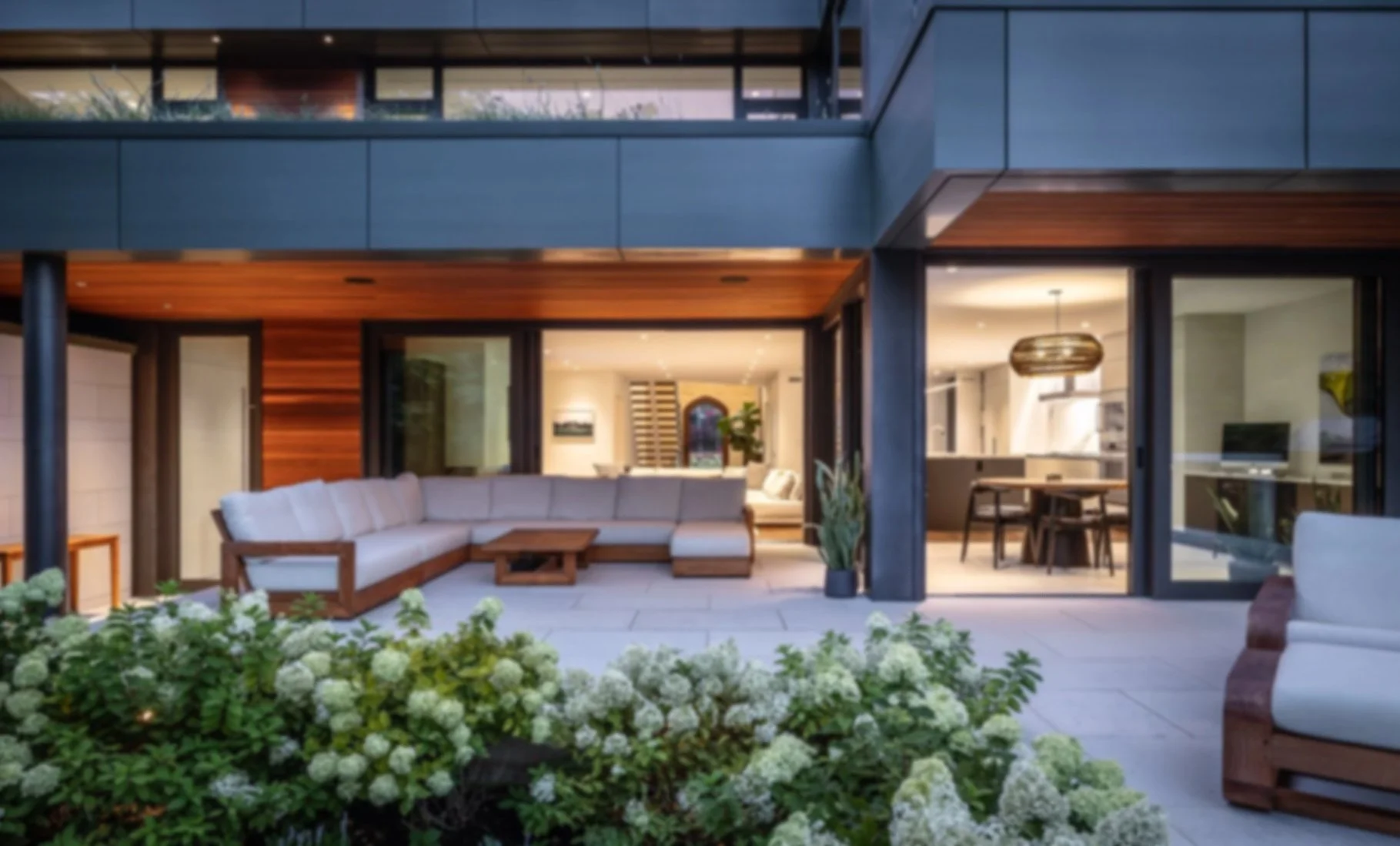
The Annex Real Estate: A Buyer and Seller's Guide to Toronto's Historic Intellectual Neighbourhood
Paul Maranger and Christian Vermast, Brokers and Executive Vice Presidents of Sales, Sotheby's International Realty Canada
Who Sells Homes in The Annex?
The Annex real estate market rewards an agent who understands its complexity. The housing stock spans grand single-family Victorians, converted multiplexes mid-reconversion to single-family luxury homes, heritage condos, and everything in between. Roughly two-thirds of the neighbourhood rents, which shapes pricing and inventory in ways that catch outside agents off guard.
Selling here requires understanding the difference between a reconverted single-family heritage home and a multiplex, the value of an authentic "Annex style" house, and the buyer pool - academics, professionals, families, and investors - that competes for this distinctive inventory.
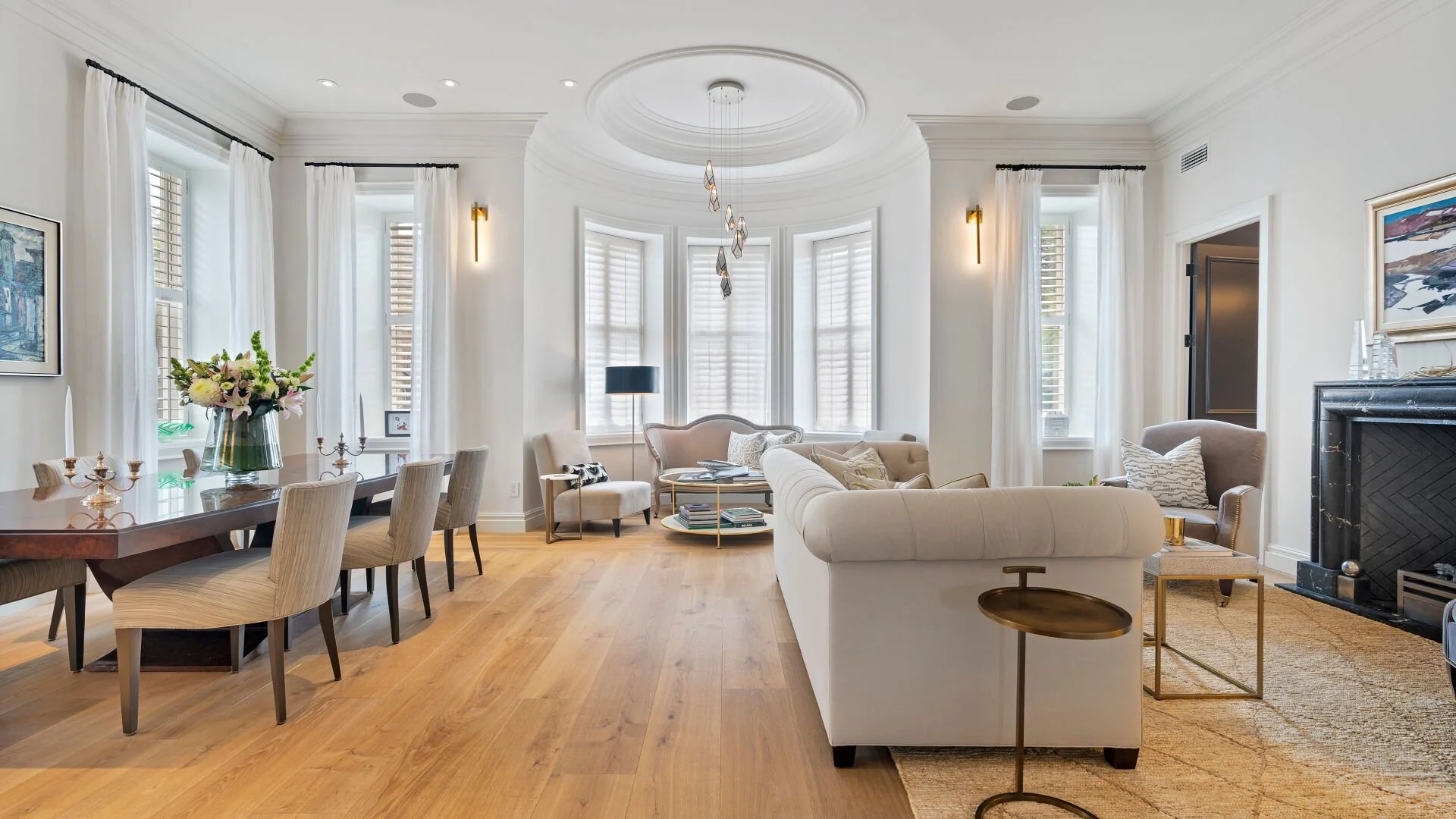
Inside The Annex Market
Paul & Christian Associates have specialized in The Annex for two decades. Backed by $1 billion in career sales and the Sotheby's International Realty global network, we represent both sellers seeking the right buyer for a heritage home and buyers comparing The Annex against Cabbagetown, Yorkville, and Toronto's other historic neighbourhoods.
What is The Annex Known For?
The Annex is one of Toronto's most premier, architecturally distinct urban communities; a historic neighbourhood west of Yorkville known for its large Victorian and Edwardian homes on tree-lined streets, its deep intellectual and literary character, and its direct border with the University of Toronto.
It combines architectural beauty, vibrant urban convenience, and unmatched transit access, attracting homebuyers who want heritage character with a genuinely walkable, car-optional lifestyle. The Annex is home to the architectural style that bears its name, and to a community that has housed Toronto's writers, academics, and professionals for over a century.
-
The Annex takes its name from its history as an annexation. The area was annexed to the City of Toronto in 1887, having been developed as a residential district just beyond the city's then-western boundary. Through the late 1880s and into the early 1900s, the neighbourhood filled with substantial homes built for Toronto's professional and merchant class, who wanted proximity to the city without its density. The name, literally "the annexed area", stuck, and the neighbourhood has been The Annex ever since.
-
The Annex is Toronto's intellectual neighbourhood. Its border with the University of Toronto has made it home to generations of faculty, writers, and academics, giving it a character distinct from every other luxury neighbourhood in the city.
The Annex has long attracted a stable demographic of professionals, academics, and students drawn to the combination of heritage homes, walkability, and proximity to the university and the cultural institutions of the area. This intellectual character is not a marketing story; it is reflected in the independent bookstores along Bloor Street, the density of writers and academics who have called the neighbourhood home, and a community culture that values architecture, ideas, and urban life.
-
The Annex is generally bordered by Bloor Street to the south, Bathurst Street to the west, Dupont Street and the CP rail line to the north, and Avenue Road to the east, with the University of Toronto immediately to the southeast.
Within these boundaries, the neighbourhood has a few functional sub-areas: the prestige core around Admiral Road and Lowther Avenue, with the grandest single-family heritage homes; the South Annex closer to Harbord Village and the university; and the northern streets toward Dupont and Casa Loma, with a mix of heritage homes and newer development.
-
The Annex borders the University of Toronto, and that relationship defines much about the neighbourhood. The university anchors a stable demographic of faculty, professionals, and students, supports the intellectual and cultural character, and historically drove the conversion of many grand Annex homes into rooming houses and multiplexes to house students and faculty.
Today, that dynamic is reversing in much of the neighbourhood, as multiplexes are reconverted to single-family luxury homes - but the U of T relationship remains central to the Annex's identity and its rental market.
Architecture and Home Styles in The Annex
Heritage Considerations and Renovation
Much of the Annex carries heritage character, and parts fall within heritage conservation areas with associated renovation guidelines. Reconverting a multiplex to single-family use, or renovating a heritage Annex home, involves navigating both the architectural constraints and the municipal approvals. Buyers planning major work, particularly multiplex reconversions, which involve zoning and permit considerations beyond a standard renovation, should engage an architect with Annex experience before submitting an offer.
Our team works with the specialists who know this neighbourhood's housing stock and can refer clients directly.
-
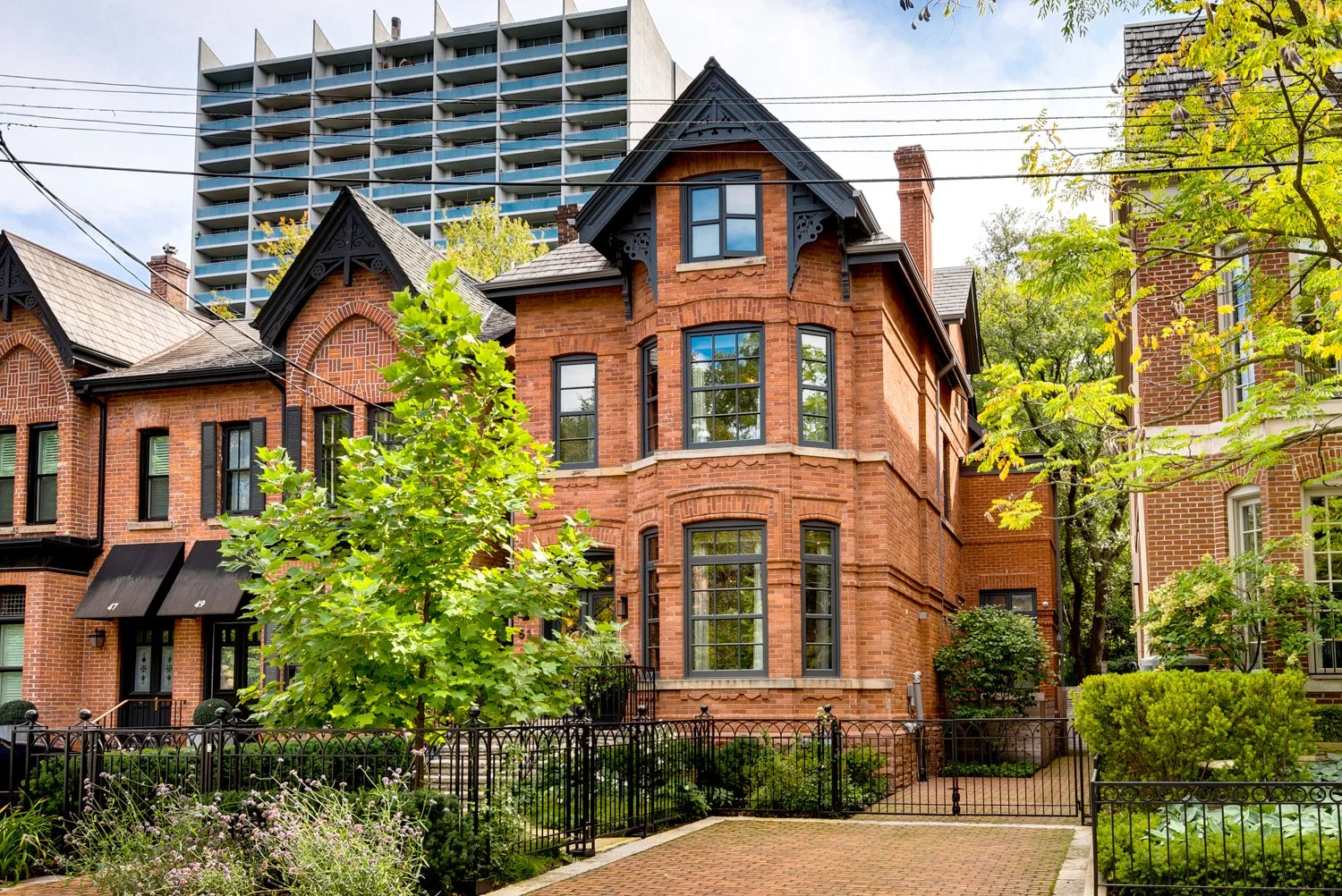
The Annex gave its name to a genuine architectural style - the "Annex style" house, one of the only residential architectural vocabularies original to Toronto. The Annex style combines Richardsonian Romanesque elements (round arches, heavy red sandstone, deep entryways) with Queen Anne Revival features (turrets, gables, decorative brickwork, and varied rooflines).
The result is a distinctive, substantial home, typically red brick and sandstone, often with a prominent rounded turret or bay, that exists in concentration nowhere else in the city.
An authentic Annex style house is among the most sought-after heritage properties in Toronto.
-
Beyond the named Annex style, the neighbourhood features a variety of architectural styles, including Victorian, Queen Anne, Richardsonian Romanesque, English Cottage, Georgian, and Tudor. The dominant building era runs from 1880 to 1910, when the neighbourhood was developed for Toronto's professional class. These are large homes on spacious lots along tree-lined streets, providing the unique urban living experience the Annex is known for.
-
A second wave of construction in the Edwardian era (roughly 1900-1920) introduced somewhat simpler, larger-footprint homes, particularly in the northern part of the neighbourhood. These homes typically offer more functional interior layouts than the elaborate Victorian stock, and frequently appeal to families who want Annex character with more contemporary proportions.
-
A defining feature of the Annex housing market is the converted multiplex. During the 20th century, as the University of Toronto expanded and student and faculty housing demand grew, many of the neighbourhood's grand single-family Victorians were subdivided into rooming houses, duplexes, triplexes, and larger multiplexes.
This is a major reason roughly two-thirds of Annex residents rent rather than own. In recent decades, the dynamic has partly reversed - buyers purchase converted multiplexes specifically to reconvert them to single-family luxury homes, restoring the original grandeur of the architecture. For buyers and investors, understanding whether a given property is a single-family home, an income-producing multiplex, or a reconversion candidate is essential. The price, the financing, and the strategy differ completely.
The Annex features one of the richest and most architecturally distinct housing stocks in Toronto, with homes built primarily between 1880 and 1910.
The Best Streets and Pockets in The Annex
-
![]()
The architectural core of The Annex sits along Admiral Road, Lowther Avenue, and the surrounding streets. These streets contain the grandest single-family heritage homes, the most intact Annex style architecture, and the largest lots in the neighbourhood. Properties here, particularly authentic Annex style houses that have remained or been restored as single-family homes, command the strongest premiums in the neighbourhood.
-
![]()
The South Annex, closer to Harbord Street and the University of Toronto, carries a slightly denser, more student-and-faculty-oriented character, with a higher concentration of converted multiplexes alongside reconverted single-family homes. This pocket offers some of the neighbourhood's best value for buyers willing to navigate the multiplex landscape.
-
![]()
The northern streets toward Dupont Street and the Casa Loma escarpment mix heritage homes with newer development and some condo inventory. These streets offer Annex character with proximity to the green space and views of the Casa Loma area.
Schools in The Annex
The Annex offers strong educational options, anchored by both excellent public schools and the proximity to the University of Toronto.
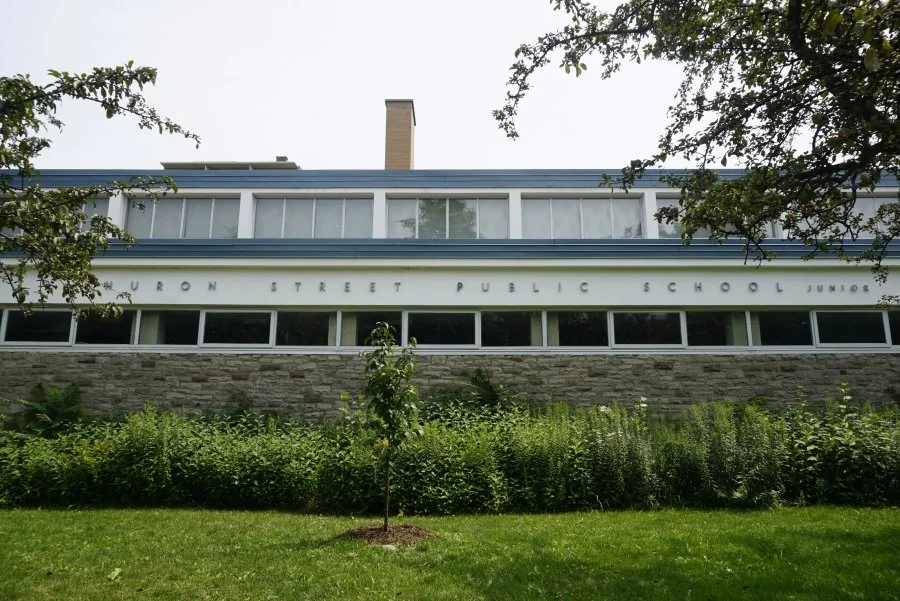
Huron Street Junior Public School
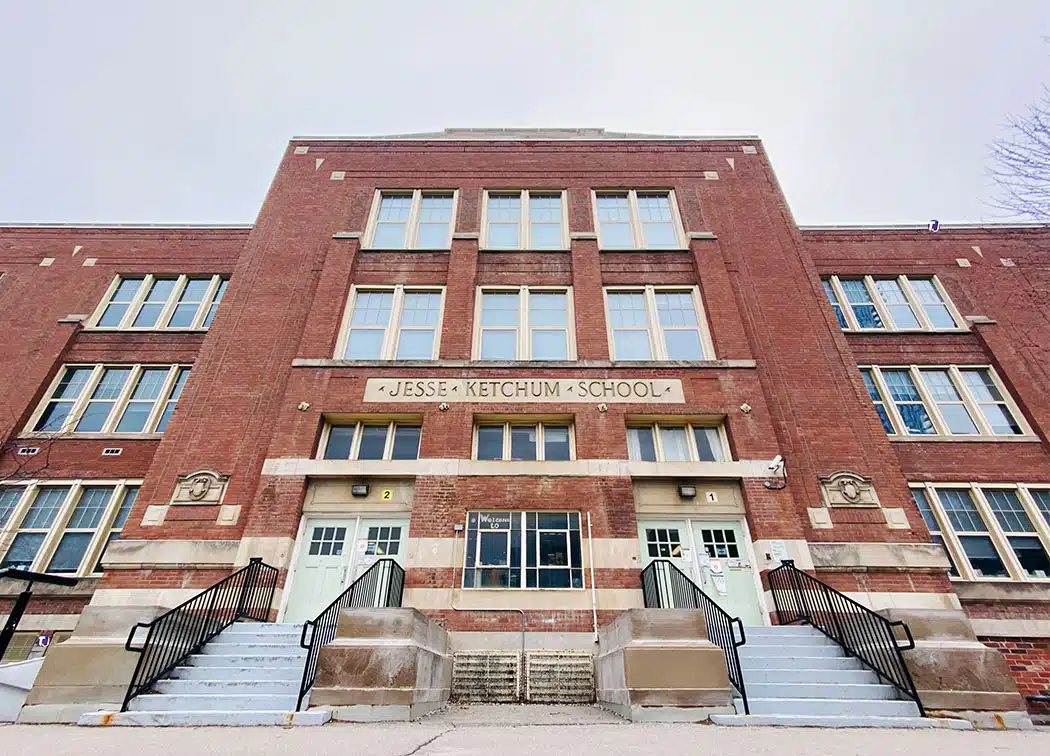
Jesse Ketchum Junior and Senior Public School
-
Educational options in The Annex include excellent public and private schools. Huron Street Junior Public School and Jesse Ketchum Junior and Senior Public School are the primary public catchment options serving the neighbourhood. The University of Toronto Schools (UTS), one of Canada's most academically rigorous schools, sits within reach for families pursuing that route. The University of Toronto itself anchors the neighbourhood's educational character.
-
Beyond the public catchments and UTS, several of Toronto's prestigious private schools are within reasonable distance, and the Annex's central location provides good access across the city. The neighbourhood's academic culture and proximity to the university make it a natural fit for education-focused families.
The Student Housing and Rental Dynamic
The University of Toronto's proximity drives a significant student and faculty rental market in the Annex. This is the historical reason for the neighbourhood's high rental share and its inventory of converted multiplexes.
For investors, the student and faculty rental demand provides a stable tenant base; for families, it means the neighbourhood has a more transient population mix than the family-dominant luxury neighbourhoods like Forest Hill or Lawrence Park. Understanding this dynamic is part of understanding the Annex.
Lifestyle, Amenities, and What Daily Life Looks Like
The Annex lifestyle is defined by walkability, independent retail, cultural institutions, and a genuinely car-optional urban experience.
Bloor Street, Spadina & the Retail Corridors
Bloor Street is the Annex's primary commercial spine, known for its artisan bakeries, cafes, bookstores, art galleries, specialty shops, and diverse dining. The Annex is home to over 50 restaurants and cafes and the local commercial strips feature a distinctive mix of independent businesses alongside some high-end retail.
The independent character of Annex retail, particularly the bookstores and cafes, is part of what gives the neighbourhood its intellectual identity. Spadina Avenue and the surrounding streets add further retail and dining density.

Walkability, Transit & the Car-Optional Lifestyle
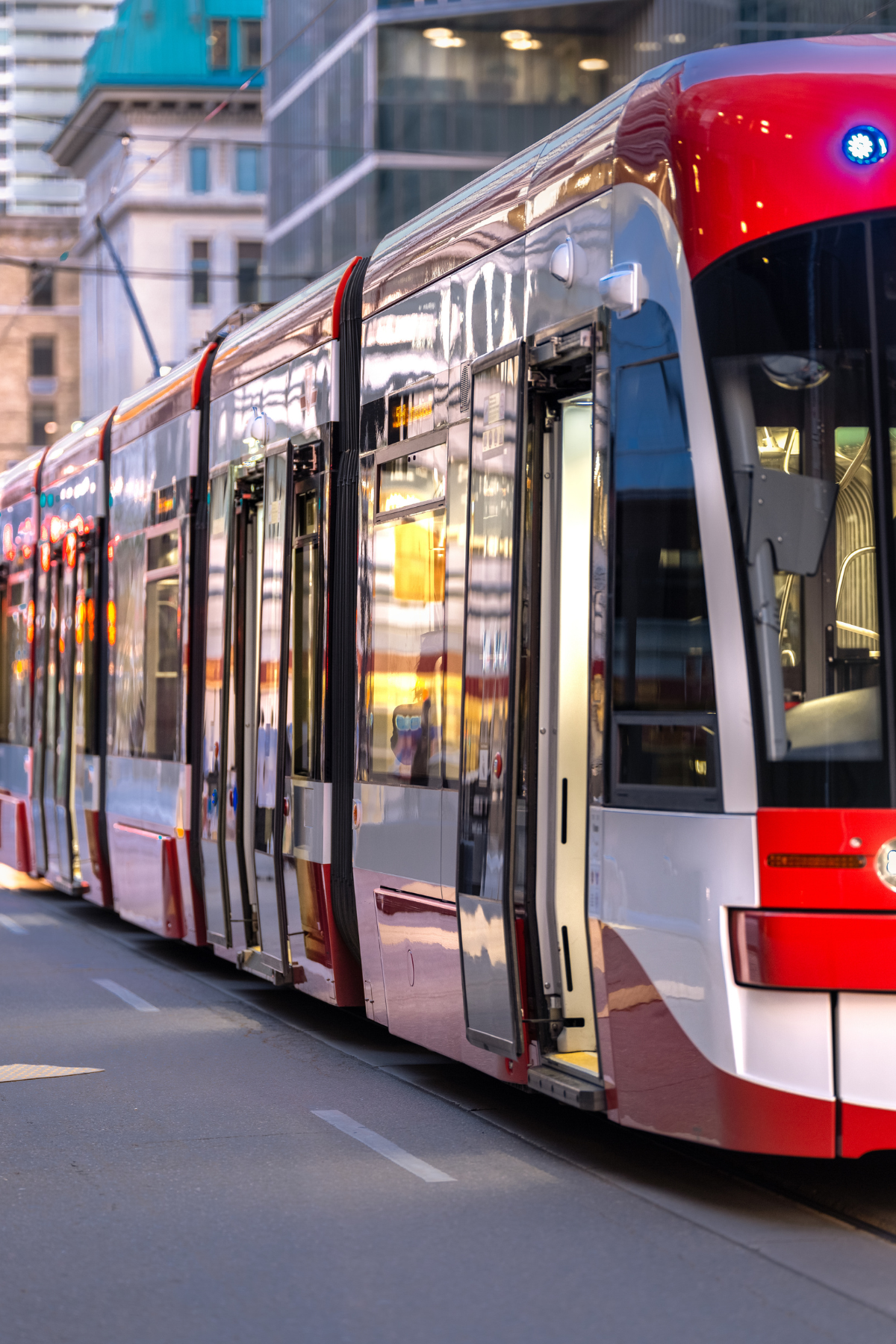
The Annex is one of Toronto's most transit-friendly and walkable neighbourhoods, making car ownership genuinely optional. The neighbourhood sits at the intersection of Line 1 (Yonge-University) and Line 2 (Bloor-Danforth), with access to four subway stations: St. George, Spadina, Dupont, and Bathurst; more subway access than almost any other Toronto neighbourhood. Streetcar service adds to the transit options. Residents can commute to the Financial District in 10 to 15 minutes. For buyers who want to live without depending on a car, the Annex is among the best neighbourhoods in the city.
Arts, Culture & the Independent Character
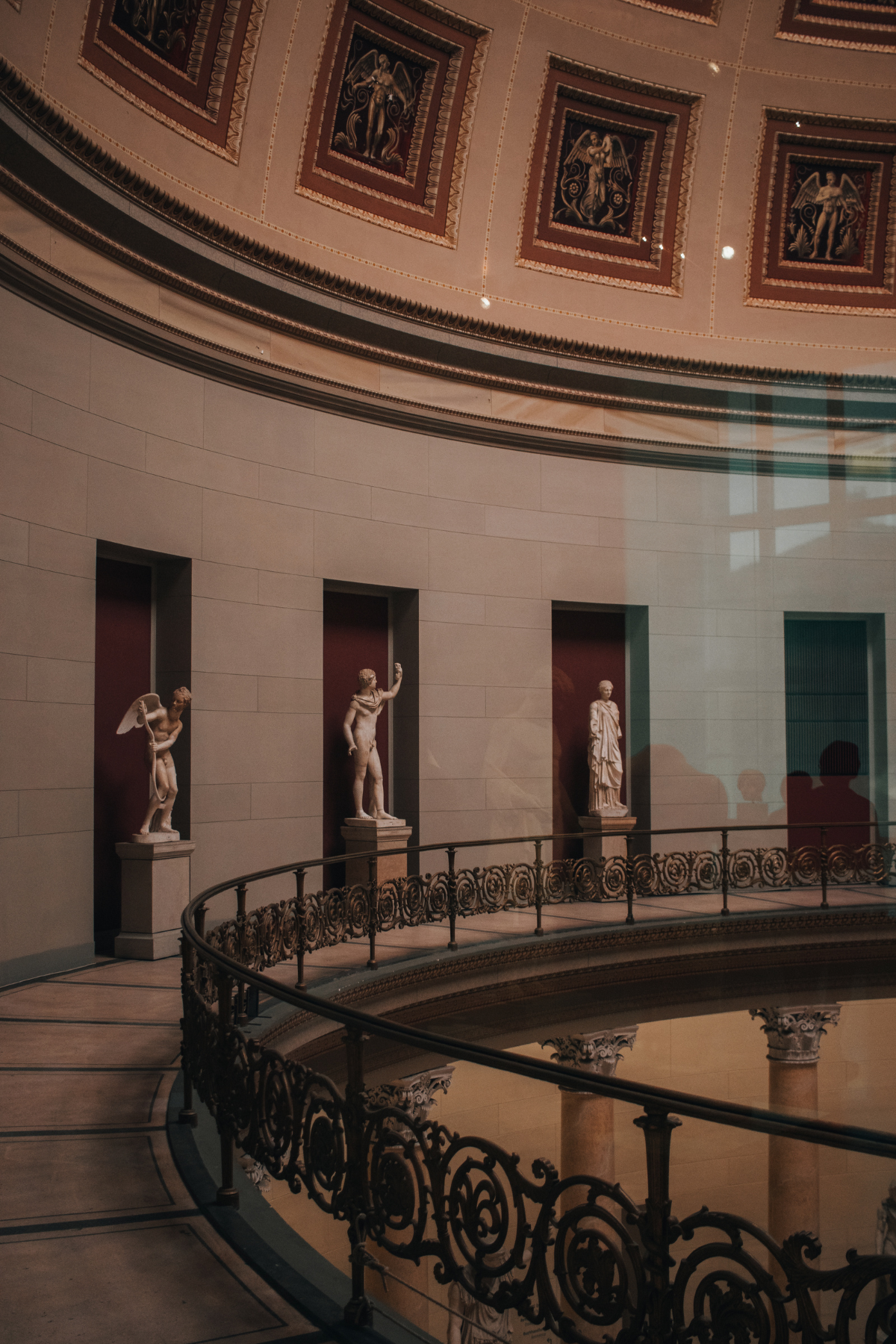
The Annex hosts and sits beside major cultural landmarks, including the Royal Ontario Museum and the Bata Shoe Museum at its southeastern edge. The neighbourhood's cultural life extends through its independent bookstores, galleries, live music venues, and the broader arts community anchored by the university. This cultural density, combined with the architecture, is what makes the Annex distinct from Toronto's other luxury neighbourhoods; it offers heritage and intellect rather than seclusion and exclusivity.
Parks, Ravines & Green Space
The Annex features several parks and green spaces, including Christie Pits Park, which hosts community events and outdoor concerts throughout the year. The neighbourhood's tree-lined streets and mature canopy give it a green character despite its urban density, and the proximity to the Casa Loma escarpment and ravine system to the north provides additional natural space.

The Annex Real Estate Market Data in 2026
Market data is updated monthly. For the full current figures including transaction volume by housing type and street-level pricing, see Paul & Christian's Market Snapshot.

Average & Benchmark Home Prices
The average home listing price in The Annex is approximately $2,612,000 - roughly 87% above the average home price in Toronto. The market reflects the neighbourhood's diverse housing stock: single-family heritage homes on the premier streets command premiums well above the average, while converted multiplexes and smaller properties anchor the lower end.
The average condo listing price in The Annex is approximately $2,082,000, though condo inventory ranges dramatically - from entry-level units to ultra-luxury properties.
Townhouses average approximately $2,900,000, with the range running from roughly $430,000 to nearly $10,000,000 depending on size, location, and whether the property is single-family or a multiplex.
These figures should be treated as directional. The Annex's mix of single-family homes, multiplexes, and condos makes "average" figures less meaningful here than in more uniform neighbourhoods. Verify current pricing against TRREB data for a specific property type before making decisions.

Year-Over-Year Trends
The broader Toronto market corrected approximately 5.5% year-over-year through 2025. The Annex operates as a balanced real estate market, with roughly 5 months of inventory - neither strongly favouring buyers nor sellers. The heritage single-family segment has shown more stability than the broader market, while the multiplex and condo segments track more closely to citywide conditions.

Days on Market & Sale-to-List Ratio
Annex homes priced correctly transact within a reasonable window, though the diversity of the housing stock means timelines vary by property type. Authentic single-family Annex style houses on the premier streets often see quick, competitive transactions when they reach the market, because the supply of intact heritage homes is genuinely limited. Multiplexes and reconversion-candidate properties typically involve a more specialized buyer pool and longer timelines.
Who Are the Buyers in The Annex?
-
The core Annex buyer comes for the architecture and the intellectual character. These buyers - often academics, writers, professionals, and design-literate families - value authentic Annex style and Victorian homes, the walkability, and the cultural identity of the neighbourhood. Many have university or professional ties to the area and choose the Annex specifically for its combination of heritage and urban life.
-
A growing share of Annex buyers are families who want a walkable, transit-rich, culturally vibrant urban neighbourhood rather than a quieter family-suburb like Forest Hill or Lawrence Park. For these buyers, the Annex offers heritage homes, strong schools, parks like Christie Pits, and a genuinely car-optional lifestyle - an increasingly attractive combination for families who prioritize urban living.
-
The Annex's converted multiplexes and strong student-and-faculty rental demand make it a significant market for investors. Investment strategies range from holding income-producing multiplexes to purchasing reconversion candidates for renovation into single-family luxury homes. The stable U of T-driven rental base supports the income side, while the scarcity of single-family heritage homes supports the reconversion side. As with all heritage real estate, the Annex rewards long-term holds rather than short-term strategies.
Three distinct buyer profiles dominate The Annex market.
Recent Notable Sales in The Annex
Across the past 24 months, our team has represented sellers and buyers on Annex transactions spanning single-family heritage homes, reconverted Victorians, and condos. Three representative examples:
-
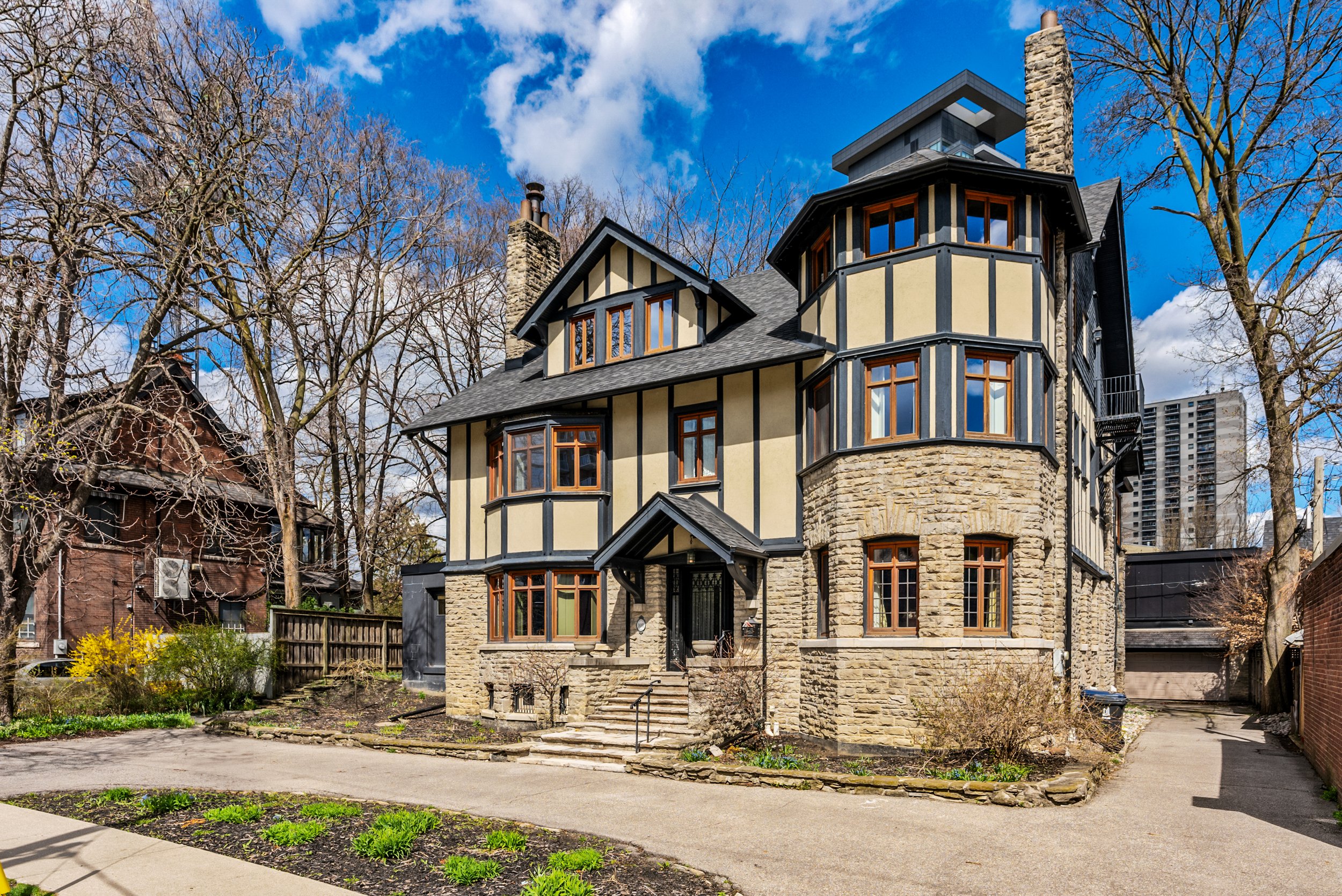
A landmark Tudor-inspired estate dating back to 1909, this extraordinary residence blended timeless architecture with exceptional scale on a rare 80 x 152-foot lot. Offering over 8,000 square feet of living space, the home captured the elegance and grandeur of a bygone era.
-
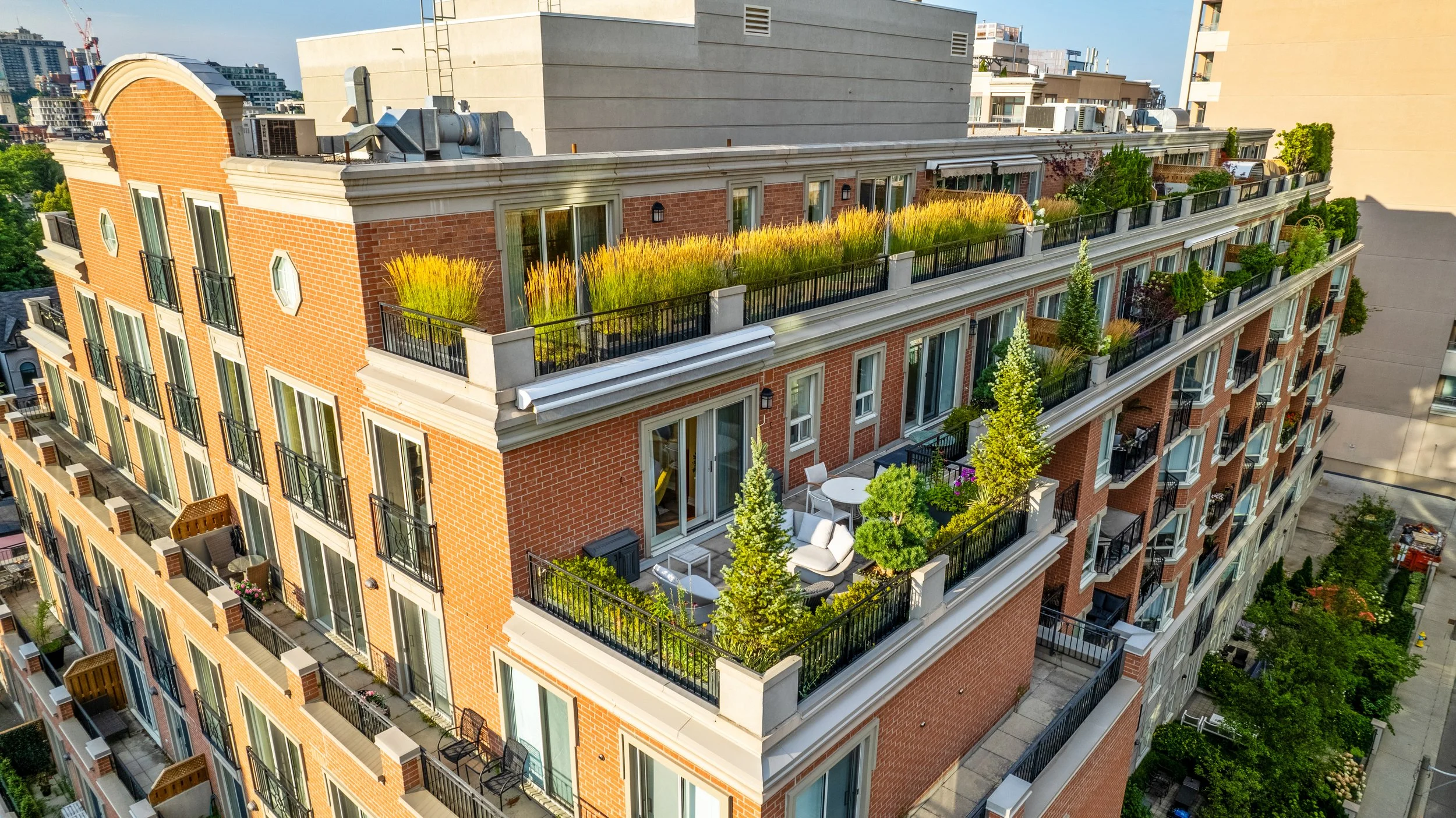
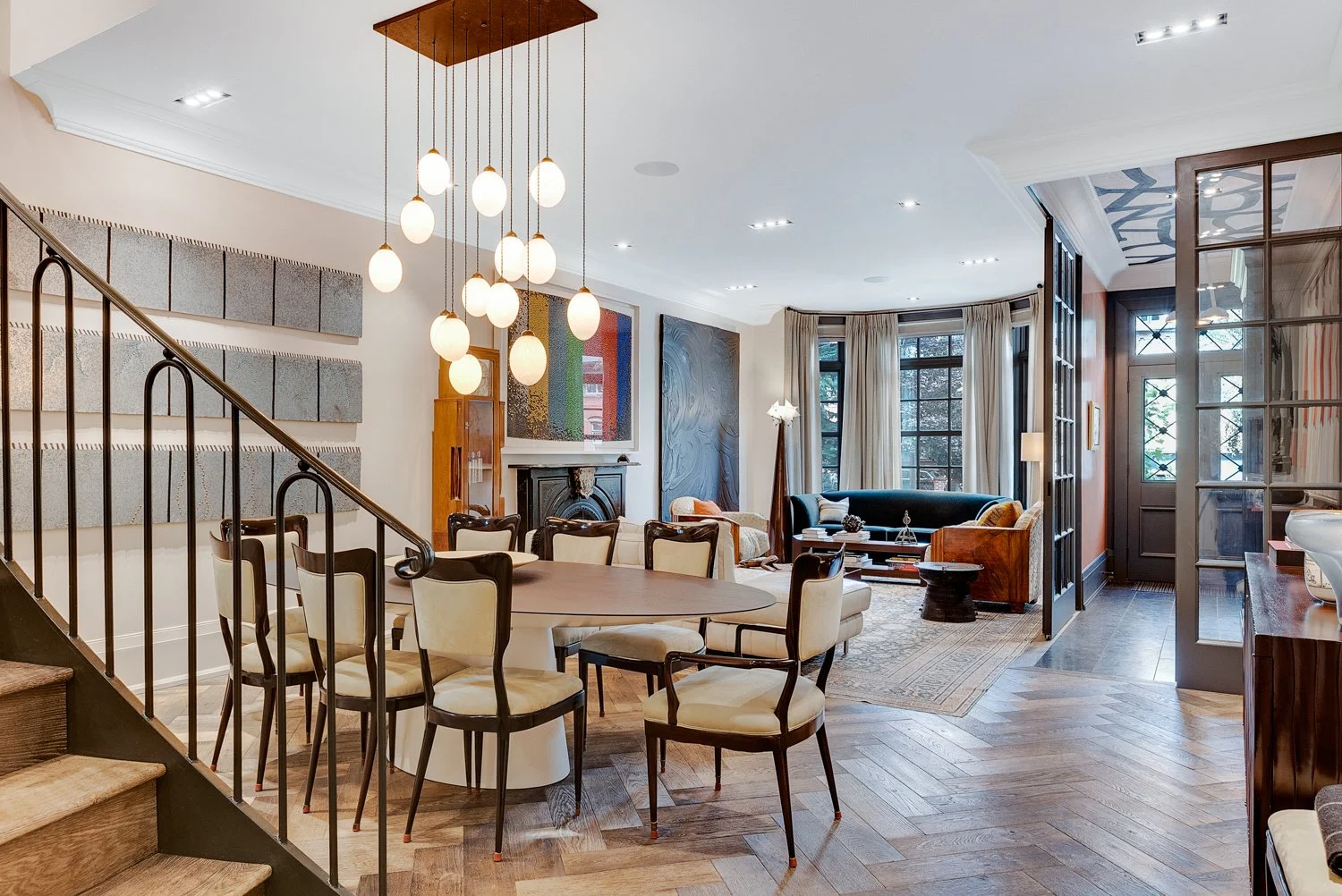
This elegant executive townhome offered sophisticated living in one of the city’s most prestigious residential pockets. Spanning nearly 3,500 square feet across all levels, the residence blended timeless architecture with beautifully proportioned interiors, refined finishes, and seamless indoor-outdoor living.
-
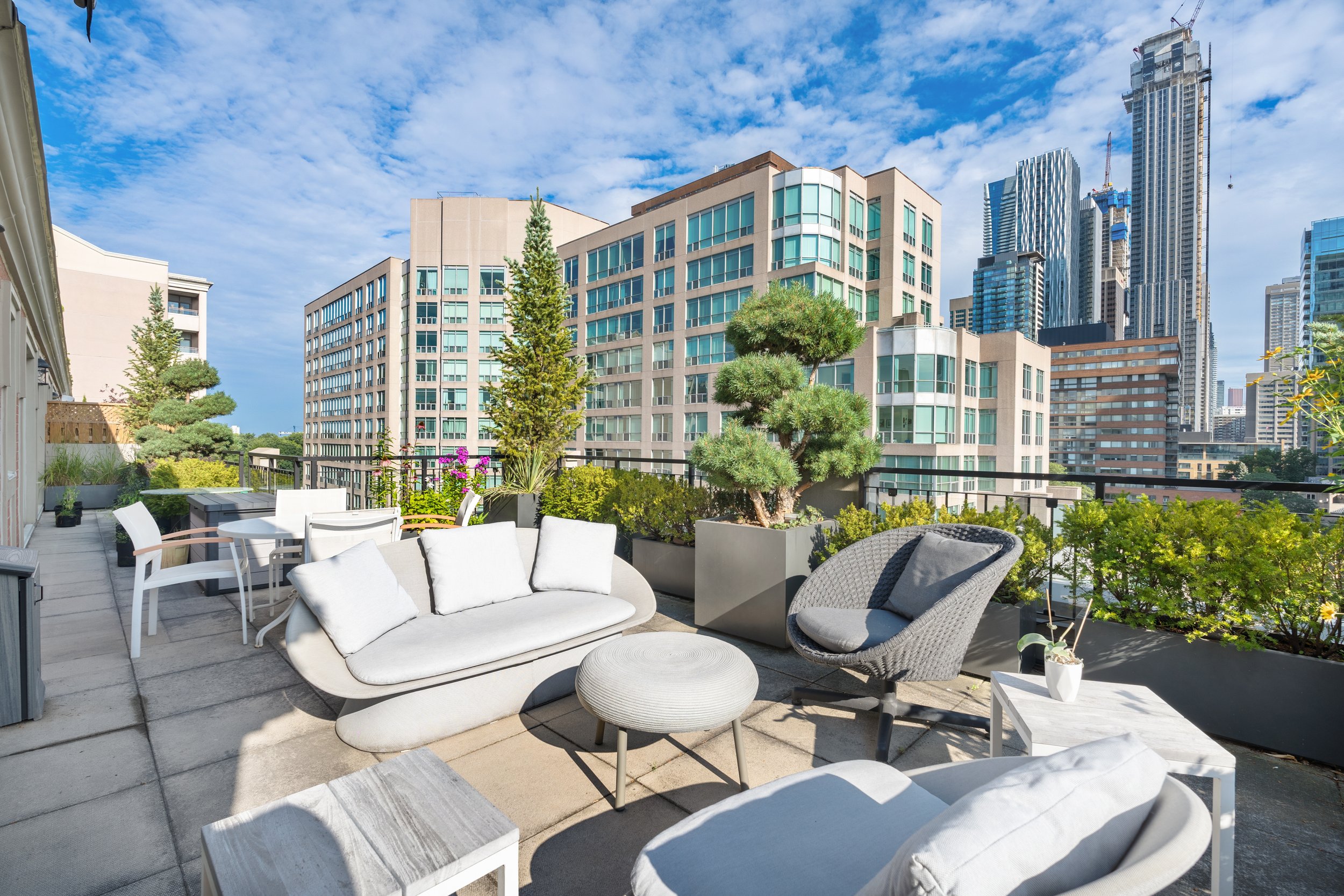
This elegant boutique condominium offered sophisticated urban living with refined finishes and a seamless open-concept layout. Thoughtfully designed to blend timeless style with modern comfort, the residence was complemented by premium amenities, full-service convenience, and an exceptional walkable lifestyle.
For the full significant sales archive, see our Significant Sales Page here.

Meet The Annex Specialists: Paul Maranger & Christian Vermast
Paul Maranger and Christian Vermast co-founded Paul & Christian Associates and together lead the team's representation across Toronto's heritage neighbourhoods, including The Annex. Christian's architectural literacy, multilingual fluency, and law background make him particularly well-suited to the Annex's complex mix of heritage homes, multiplex reconversions, and an international, academic buyer pool. Paul brings an MBA, Harvard Business School negotiation training, and over 28 years of Toronto luxury experience. Together they have been featured in Forbes, Barron's, The Globe and Mail, Toronto Life, and other publications on Toronto's luxury market.
Start Your Toronto Luxury Home Search
Whether you are buying, selling, or comparing neighbourhoods before you decide, we are happy to talk. We do not run discovery calls as sales pitches. They are working conversations about what you want and which neighbourhoods make sense.
Frequently Asked Questions About The Annex Real Estate
-
The Annex is one of Toronto's most premier, architecturally distinct urban communities, known for its large Victorian and Edwardian homes on tree-lined streets, the architectural "Annex style" house that bears its name, its intellectual and literary character, and its direct border with the University of Toronto. It combines heritage architecture with exceptional walkability, transit access, and the cultural institutions of central Toronto.
-
The Annex takes its name from its history as an annexation - the area was annexed to the City of Toronto in 1887, having been developed as a residential district just beyond the city's then-western boundary. The name, literally "the annexed area," has remained ever since.
-
An "Annex style" house is a distinctive architectural form original to Toronto, combining Richardsonian Romanesque elements (round arches, heavy red sandstone, deep entryways) with Queen Anne Revival features (turrets, gables, decorative brickwork). The result is a substantial red brick and sandstone home, often with a prominent rounded turret. The Annex style is one of the only residential architectural vocabularies original to Toronto, and authentic examples are among the most sought-after heritage properties in the city.
-
The average home listing price in The Annex is approximately $2,612,000, roughly 87% above the Toronto average. Condos average approximately $2,082,000 and townhouses approximately $2,900,000, though the ranges are wide given the neighbourhood's diverse housing stock. Single-family heritage homes on the premier streets command premiums well above the average. Because the Annex mixes single-family homes, multiplexes, and condos, average figures are less precise than in more uniform neighbourhoods.
-
The Annex has appreciated meaningfully over the past two decades and offers two distinct investment paths: income-producing multiplexes supported by stable University of Toronto rental demand, and single-family reconversion candidates that capture the scarcity premium of authentic heritage homes. The neighbourhood operates as a balanced market with roughly 5 months of inventory. As with all heritage real estate, the Annex rewards long-term holds rather than short-term strategies.
-
The premier streets in The Annex are Admiral Road and Lowther Avenue and the surrounding prestige core, which contain the grandest single-family heritage homes and the most intact Annex style architecture. The South Annex near Harbord Village offers value with a mix of multiplexes and reconverted homes, while the northern streets toward Dupont and Casa Loma combine heritage homes with newer development.
-
The Annex suits families who want a walkable, transit-rich, culturally vibrant urban neighbourhood. It offers heritage homes, strong public schools (Huron Street and Jesse Ketchum), parks like Christie Pits, and a car-optional lifestyle. It has a more transient, rental-heavy population than family-dominant neighbourhoods like Forest Hill or Lawrence Park, but for families prioritizing urban living and proximity to the university and downtown, the Annex is among the best choices in the city.
-
Most of The Annex was built between 1880 and 1910, when the neighbourhood was developed for Toronto's professional and merchant class following its 1887 annexation to the city. A second wave of Edwardian construction continued into the early 1900s. The result is one of Toronto's most architecturally intact heritage neighbourhoods, anchored by the late-Victorian building era.
-
Yes. Approximately 55% of buildings in The Annex are large apartment buildings, with a mix of housing sizes from lofts to four-or-more-bedroom units. Condo inventory ranges widely, with an average listing price around $2,082,000 but properties spanning from entry-level units to ultra-luxury. Condo and apartment inventory is concentrated along Bloor Street and the neighbourhood's edges, while the residential interior streets remain dominated by heritage houses.
-
The Annex offers excellent public and private school options. The primary public catchment schools are Huron Street Junior Public School and Jesse Ketchum Junior and Senior Public School. The University of Toronto Schools (UTS), one of Canada's most rigorous schools, is within reach, and the University of Toronto anchors the neighbourhood's broader educational character.
-
The Annex is one of Toronto's most walkable and transit-friendly neighbourhoods, with car ownership genuinely optional. It sits at the intersection of Line 1 and Line 2 of the subway, with access to four stations - St. George, Spadina, Dupont, and Bathurst - plus streetcar service. Daily errands, dining, shopping, and cultural amenities are all walkable, and the Financial District is a 10-to-15-minute commute.
-
The Annex attracts a stable demographic of University of Toronto faculty, professionals, academics, writers, and students, alongside families and investors. The neighbourhood has long been associated with Toronto's intellectual and literary community. Roughly two-thirds of residents rent - a legacy of the neighbourhood's history of converting grand homes into student and faculty housing - while one-third own, with the ownership share rising as multiplexes are reconverted to single-family homes.
-
The Annex features Victorian, Queen Anne, Richardsonian Romanesque, English Cottage, Georgian, and Tudor styles, with most homes built between 1880 and 1910. The neighbourhood is best known for the "Annex style" house - a distinctive combination of Richardsonian Romanesque and Queen Anne Revival elements that is original to Toronto. The result is one of the city's richest and most architecturally distinct housing stocks.
-
Timelines vary by property type given the Annex's diverse housing stock. Authentic single-family Annex style and Victorian homes on the premier streets often transact quickly and competitively, because intact heritage inventory is limited. Multiplexes, reconversion candidates, and condos typically involve more specialized buyer pools and longer timelines. The neighbourhood overall operates as a balanced market with roughly 5 months of inventory.
-
The Annex is generally a safe Toronto residential neighbourhood, with the consistent foot traffic, density of residents and students, and active street life that contribute to urban safety. As with any central, transit-rich neighbourhood, conditions vary by street and time of day, and the commercial corridors are busier than the quiet residential interior. Residents typically describe the Annex as a safe, lively, walkable neighbourhood.
-
The Annex and Cabbagetown are both heritage Toronto neighbourhoods with strong architectural identity, but they differ. The Annex is larger, more architecturally varied (anchored by the Annex style), borders the University of Toronto, and has a higher rental share and more multiplex inventory. Cabbagetown is more uniformly Victorian, more owner-occupied, HCD-protected, and east of downtown. The Annex offers more transit access and an academic character; Cabbagetown offers more architectural uniformity and a quieter residential feel.
-
The Annex and Yorkville are adjacent but very different. Yorkville is condo-dominant, concierge-driven, anchored by the Mink Mile and luxury retail. The Annex is house-dominant, heritage-focused, academic in character, and anchored by independent retail and the university. Yorkville suits downsizers and international condo buyers; the Annex suits buyers who want a heritage house and an intellectual, walkable neighbourhood. Many buyers compare the two when deciding between condo and house living in central Toronto.
-
The Annex itself is largely a built-up urban neighbourhood rather than a ravine neighbourhood, but it sits near the Casa Loma escarpment and the ravine system to the north, and is close to the broader Toronto ravine network. The neighbourhood's green character comes more from its mature tree canopy, tree-lined streets, and parks like Christie Pits than from ravines.
-
The Annex and Seaton Village are adjacent neighbourhoods that are sometimes conflated. The Annex generally sits east of Bathurst Street; Seaton Village sits just west of Bathurst, roughly between Bathurst, Christie, Dupont, and Bloor. Seaton Village has a similar heritage character but smaller homes and a slightly lower price point on average. In real estate listings, the boundary is sometimes blurred - buyers should confirm the actual neighbourhood for any property, since pricing and character differ.
-
People choose The Annex for its rare combination of heritage architecture, intellectual and cultural character, and genuine urban convenience. It offers large Victorian and Annex style homes on tree-lined streets, over 50 restaurants and cafes, independent bookstores and galleries, four subway stations, a 10-to-15-minute commute to the Financial District, and proximity to the University of Toronto and major cultural institutions. For buyers who want heritage and walkability rather than seclusion, few neighbourhoods anywhere offer the Annex's combination.
Explore Related Toronto Neighbourhoods
The Annex sits among Toronto's most distinctive central neighbourhoods. Buyers comparing The Annex against alternatives most often look at:
Yorkville - adjacent, condo-focused, luxury retail and concierge living
Cabbagetown - Victorian heritage, owner-occupied, east of downtown
Rosedale - heritage architecture, ravine system, higher price tier
Forest Hill - family-luxury, private schools, quieter residential
Summerhill - walkable midtown, Victorian rowhouses, smaller scale
For the full list, see our Toronto luxury neighbourhoods guide.
Working with Paul & Christian Associates in The Annex
Whether you are buying, selling, or comparing neighbourhoods before you decide, we are happy to talk. We do not run discovery calls as sales pitches - they are working conversations about what you want and how The Annex fits.
Get a custom valuation for your home in the Annex - most useful if you are considering selling within 12 months
Start your home search in The Annex with us - for buyers actively looking
Read Paul Maranger and Christian Vermast's full bio - to understand how the team operates