
Yorkville Real Estate: A Buyer and Seller's Guide to Toronto's Most Sophisticated Urban District
Paul Maranger and Christian Vermast, Brokers and Executive Vice Presidents of Sales, Sotheby's International Realty Canada
Who Sells Condos and Homes in Yorkville?
Yorkville real estate is structurally different from the rest of Toronto's luxury market. The neighbourhood is condo-dominant, with approximately 80% of properties in large apartment buildings. The buildings themselves function as named entities - Four Seasons Private Residences, One Bloor East, the Hazelton, and 50 Yorkville, to name a few - each with distinct pricing, amenities, and buyer profiles.
Selling here requires an agent who understands which building competes against which, how to position a unit within its specific tier, and how to access the international and downsizer buyer networks that dominate Yorkville transactions.
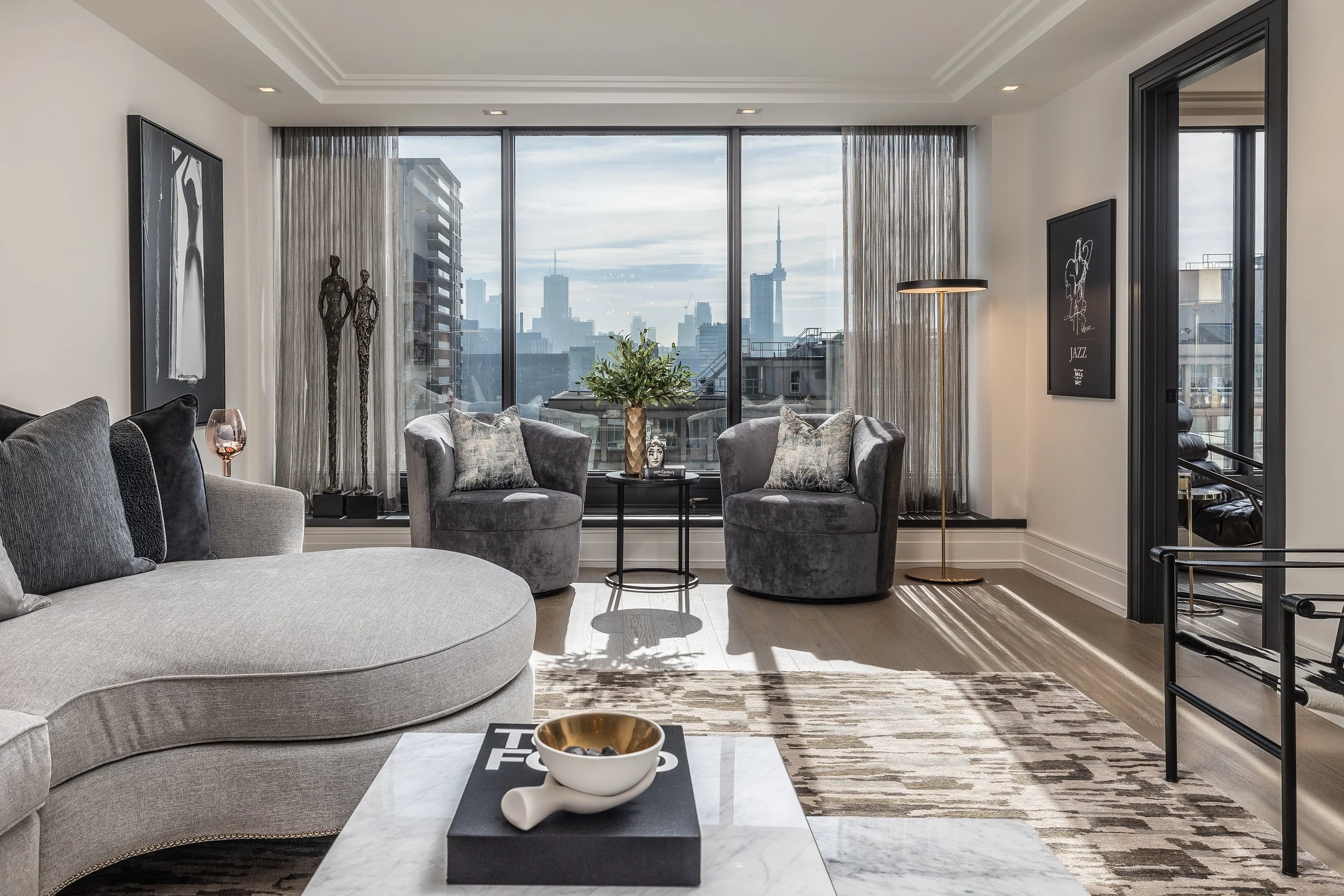
Inside the Yorkville Market
Paul & Christian Associates have specialized in Yorkville for two decades, with Paul Maranger and Christian Vermast leading the team's representation. Backed by $1 billion in career sales, multilingual capability across English, French, German, and Luxembourgish, and the Sotheby's International Realty global network, we represent both sellers seeking the right buyer for their Yorkville condo and buyers comparing Yorkville against Summerhill, South Hill, and other Toronto luxury condo markets.
What is Yorkville Known For?
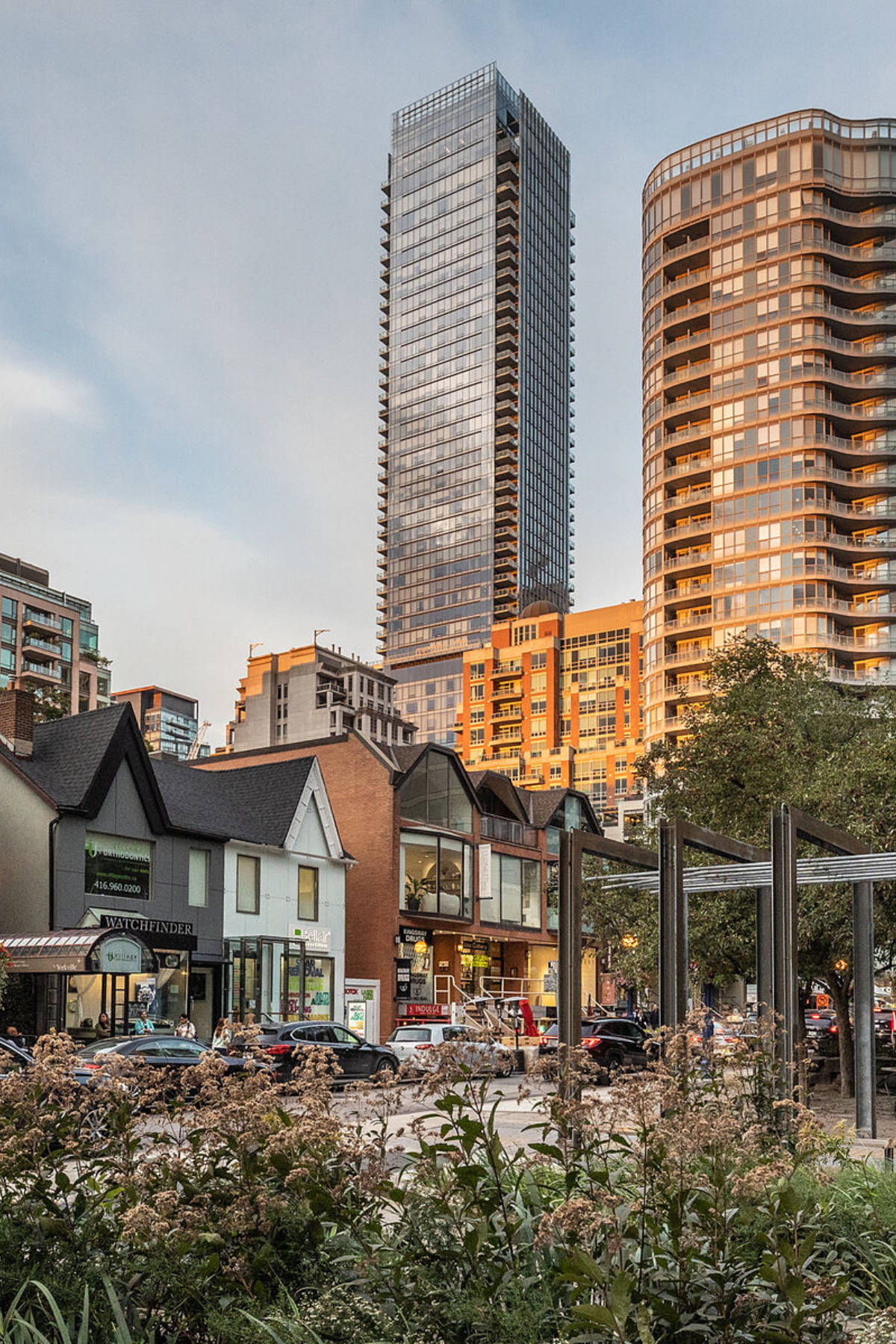
Yorkville is Toronto's most sophisticated urban district - a compact luxury neighbourhood combining concierge condo living, the Mink Mile shopping corridor, and cultural proximity to the Royal Ontario Museum, the University of Toronto, and Queen's Park.
The neighbourhood is defined by an eclectic mix of housing styles, from preserved Victorian townhouses to Canada's most expensive new condominium towers.
Yorkville is consistently ranked among Canada's premier luxury enclaves, and known for its high walkability and luxury amenities, attracting affluent professionals and downsizers.
-
Yorkville was originally a separate village north of Toronto, incorporated in 1853 and annexed by the City of Toronto in 1883. Through the early 20th century, Yorkville functioned as a working-class residential district. The 1960s transformed it - first as Toronto's bohemian counterculture centre with coffeehouses and folk music venues, then through the 1970s and 1980s as the district reinvented itself as the city's preeminent luxury retail and residential corridor.
By the 2000s, Yorkville's identity as Canada's most concentrated luxury district was firmly established.
-
The Mink Mile - the stretch of Bloor Street West between Yonge Street and Avenue Road - is Canada's most prominent high-end shopping corridor. Cartier, Louis Vuitton, Chanel, Hermès, Tiffany & Co., Holt Renfrew, and dozens of other luxury flagships line the corridor. The Mink Mile is one of the highest-grossing retail strips in North America by square footage.
For Yorkville residents, the practical reality is that some of the world's most expensive shopping happens at the doorstep - but daily errands also happen here, since the neighbourhood combines luxury retail with general and specialty grocery stores, cafes, and everyday services.
-
Yorkville is bordered by Bloor Street West and Bloor Street East to the south, Avenue Road to the west, Yonge Street to the east, and Davenport Road to the north. The neighbourhood functions as three loosely defined sub-areas:
Bloor-Yorkville (the southern commercial core) - the Mink Mile and the streets immediately north, including Cumberland Street and the Hazelton Avenue / Yorkville Avenue village. This is where most luxury condo development concentrates.
Yorkville Village (the original heritage core) - the streets north of Yorkville Avenue including Hazelton Avenue, Berryman Street, and Scollard Street. Preserved Victorian and Edwardian townhouses, smaller boutique buildings, and a quieter residential character.
The Annex-adjacent edge - the northwestern blocks transitioning toward The Annex, with older townhouses and lower-density inventory.
-
Yorkville is the only Toronto neighbourhood where buildings, not streets, are the primary unit of analysis. In Forest Hill or Rosedale, buyers compare addresses. In Yorkville, buyers compare buildings: their architects, their amenities, their resale histories, and their concierge cultures.
A Four Seasons Private Residences unit and an equivalent-size unit in 50 Yorkville carry different prices; not because of square footage, but because of the building they sit in. This is the most important fact to understand about Yorkville real estate.
The Buildings That Define Yorkville
Yorkville's luxury condo market is concentrated in a small set of named buildings. Buyers and sellers active in Yorkville need to understand each building's position in the market.
-
The Four Seasons Private Residences on Yorkville Avenue, completed in 2012, set the modern benchmark for Toronto luxury condos. The building combines residential units with the Four Seasons Hotel Toronto, providing residents with hotel-style services; concierge, valet, in-residence dining.
Resale pricing routinely sits among the highest in Toronto on a per-square-foot basis. The building serves international buyers, empty nesters from Forest Hill and Rosedale, and Bay Street executives seeking concierge living.
-
One Bloor East, completed in 2017 at the intersection of Yonge and Bloor, was for years Toronto's tallest residential tower. Its location at the Yonge-Bloor subway interchange, Canada's busiest transit junction, provides unmatched walkability and transit access. Pricing varies significantly by floor and view, but high-floor units with downtown skyline or ravine views consistently command premiums.
-
50 Yorkville, completed in the late 2010s, anchors the Yorkville Avenue corridor of recent luxury development. The building sits at the heart of the original Yorkville Village, providing direct access to the boutique retail and dining of Hazelton Avenue and Cumberland Street. Pricing reflects the central location; among the highest per-square-foot in the neighbourhood.
-
The Hazelton Residences, completed in 2007 alongside the Hazelton Hotel, was Yorkville's first major luxury condominium development of the modern era. The building's smaller scale (compared to newer towers), boutique character, and association with the Hazelton Hotel give it a distinctive position. Resale inventory is limited; units sell quickly when listed.
-
The Residences at the St. Regis, located adjacent to the St. Regis Toronto hotel on Adelaide (technically outside Yorkville's traditional boundaries but often grouped with Yorkville luxury condos in buyer searches), offer hotel-branded residences with similar services to the Four Seasons. Many Yorkville buyers comparison-shop between Four Seasons Private Residences and the St. Regis.
-
A meaningful share of Yorkville's luxury condo inventory sits in older boutique buildings built in the 1980s and 1990s, including 77 Avenue Road, 38 Avenue Road, 1 Avenue Road, and various smaller buildings along Cumberland Street and Yorkville Avenue. These buildings offer significantly larger floor plates than newer towers (units of 2,000-4,000 square feet are common), at lower per-square-foot pricing. Buyers prioritizing space over building age typically find better value in these properties.
How to Compare Yorkville Buildings
When comparing buildings, four factors matter most: the architect and construction quality, the concierge culture and service level, the building's amenity package (gym, pool, spa, residents' lounge, in-residence dining), and the resale history of comparable units.
Square footage and floor matter, but they matter less than the building's overall position in the market. A 2,000-square-foot unit at the Four Seasons trades differently from a 2,000-square-foot unit at 50 Yorkville, even if floor plans look similar on paper.
Architecture and Home Styles in Yorkville
-
The original Yorkville housing stock, predominantly Victorian and Edwardian townhouses built between 1870 and 1910, survives along Hazelton Avenue, Berryman Street, Scollard Street, and parts of Yorkville Avenue.
Many have been converted to office and retail use, but a meaningful number remain as single-family residences or have been adaptively reused as boutique residential buildings. These townhouses are among the most architecturally distinctive remaining inventory in central Toronto.
-
A second wave of Yorkville development in the 1960s through 1980s introduced mid-century condo towers along Avenue Road, Bloor Street West, and Cumberland Street. These buildings - 1000 Bay, 77 Avenue Road, 38 Avenue Road, 1 Balmoral, and others - offer larger floor plates than contemporary luxury condos at lower per-square-foot pricing. Many have been substantially renovated to bring services and finishes up to current expectations.
-
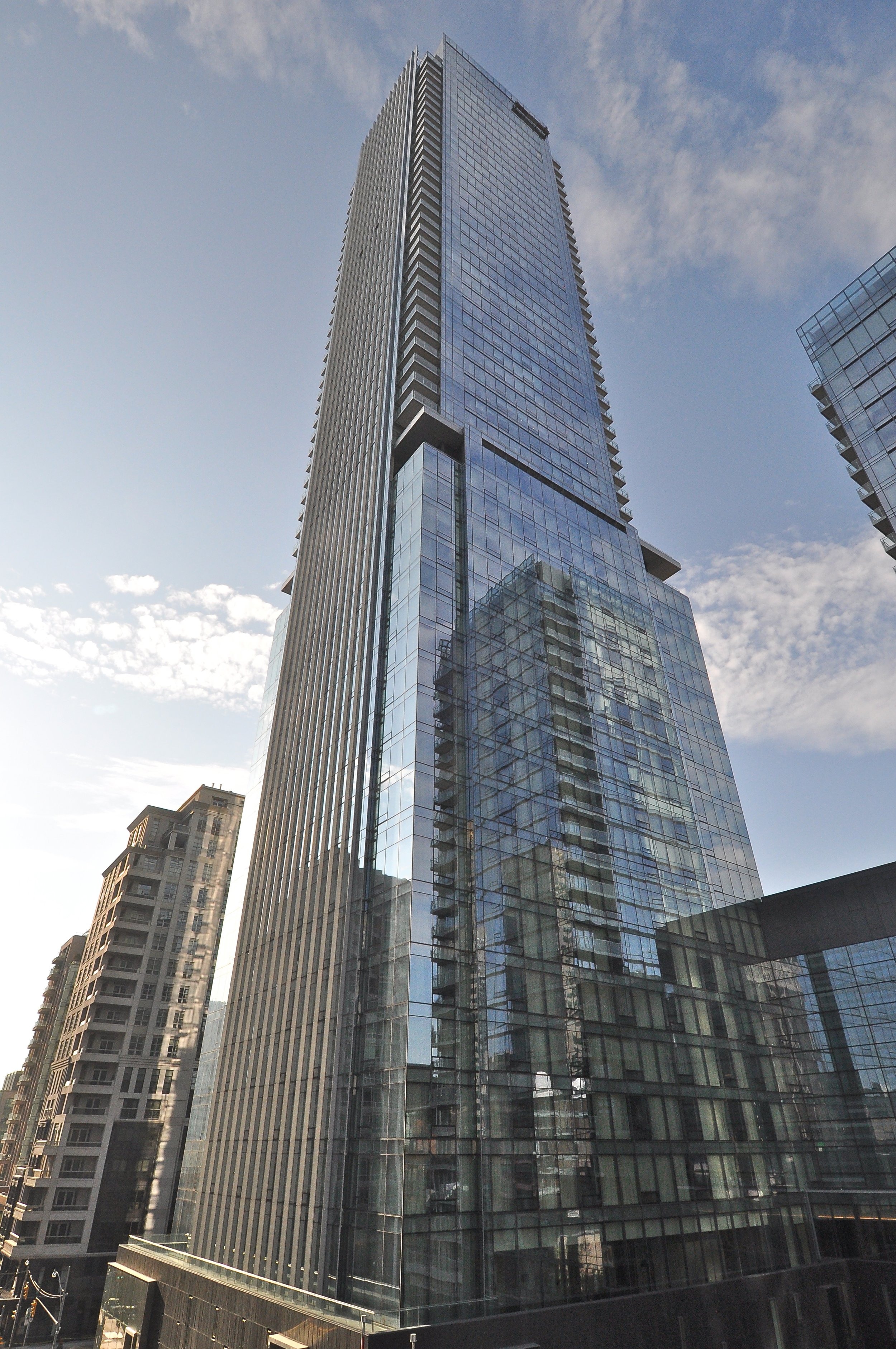
The contemporary era of Yorkville development began in the 2000s and continues today, with the most architecturally significant towers - Four Seasons Private Residences, One Bloor East, 50 Yorkville, the Hazelton Residences, and 75 on Yorkville - built in the past 15 years.
This is where Yorkville's most expensive resale and pre-construction transactions occur. Construction quality, architect reputation, and amenity packages distinguish each building.
Yorkville's housing styles span an eclectic mix unmatched in Toronto. Many properties were built before 1960, with about one third constructed after the year 2000.
Renovation Considerations for Yorkville Condos
Renovating a Yorkville condo is straightforward at the unit level; interior finishes, kitchens, bathrooms, and floor plans can typically be modified within building rules. The complications are practical: building approvals (most luxury buildings require board approval for major renovations), contractor coordination through high-traffic luxury buildings, and the timeline (most Yorkville renovations take 6-12 months given building access restrictions).
Buyers planning major renovations should review the specific building's renovation rules before submitting an offer.
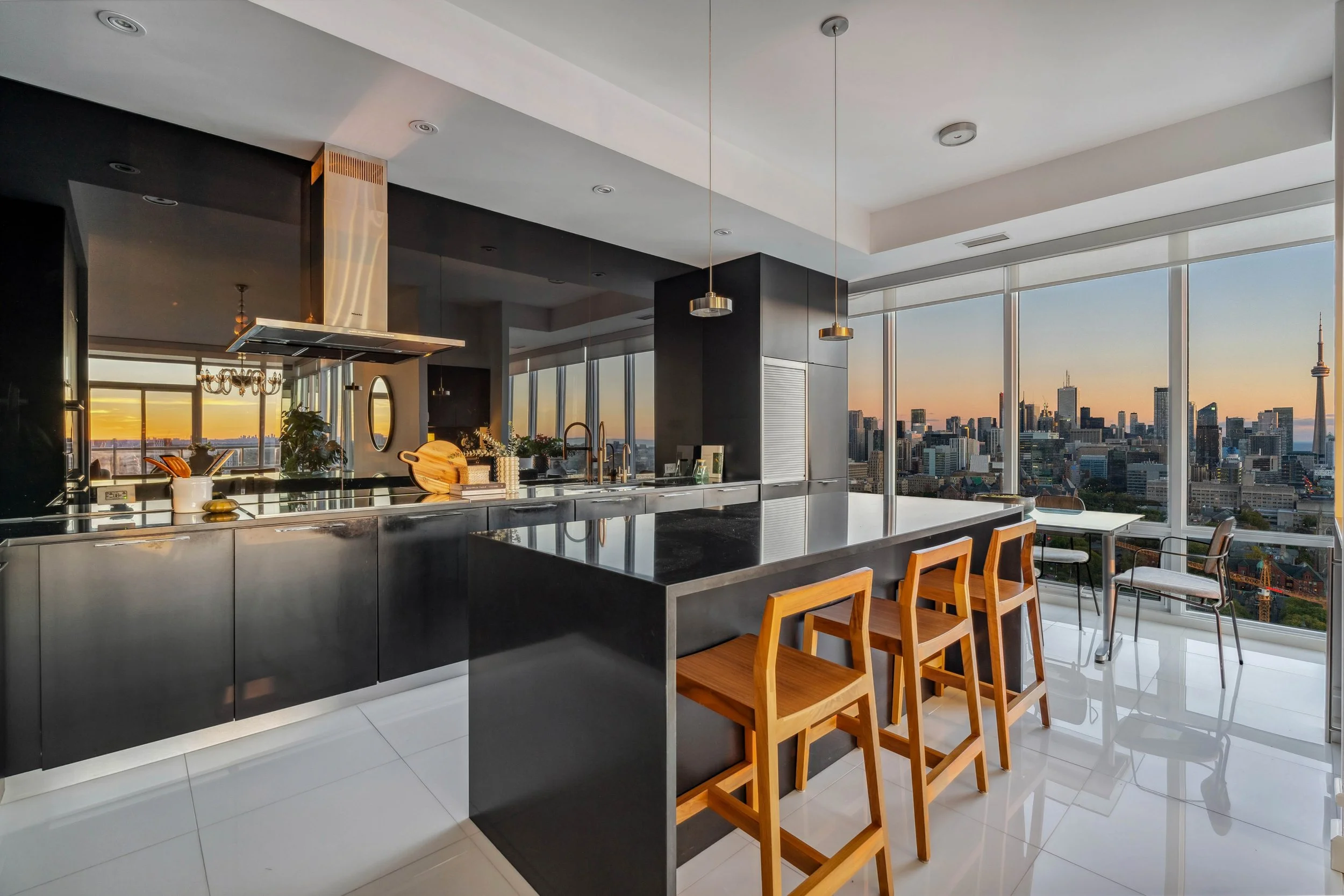
Yorkville's lifestyle is defined by walkability, luxury amenities, and cultural proximity; the ultimate convenience. Residents can easily access luxury retail, cafes, restaurants, and subway stations within minutes of any building in the neighbourhood.
Yorkville is known for its vibrant community character, with numerous entertainment venues, bars, and green spaces like Ramsden Park easily accessible to residents.
Yorkville's Lifestyle and What Daily Life Looks Like
The Mink Mile Shopping Experience
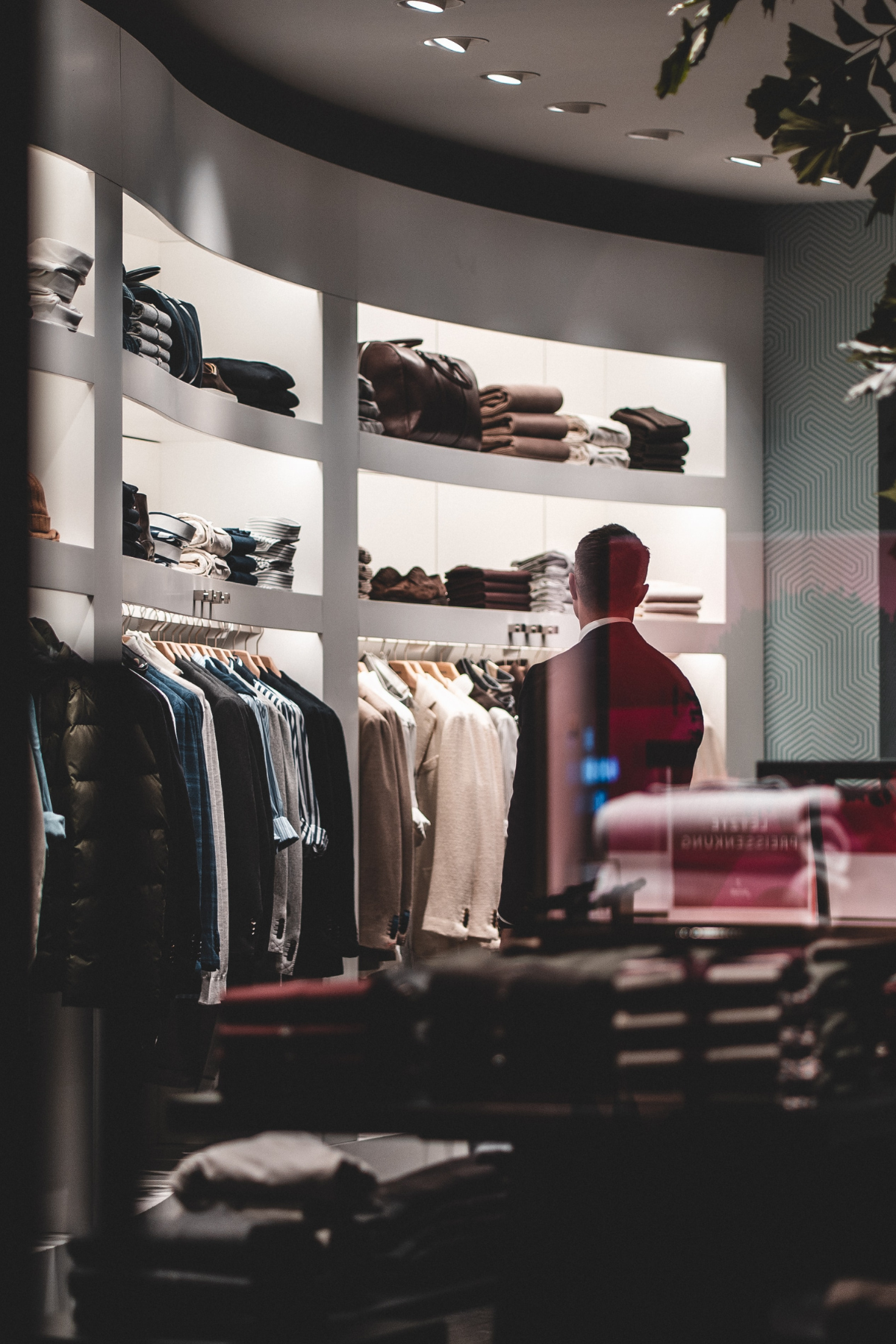
The Mink Mile sits at Yorkville's southern edge. Residents shop here for daily errands as much as for luxury purchases - Holt Renfrew, the various specialty grocery and gourmet food stores, the pharmacies and services along Bloor and Yorkville Avenue, and the dozens of cafes serving the morning Bay Street commute.
The shopping infrastructure is convenient first and luxurious second, which is what makes it work for residents rather than just tourists.
Restaurants, Hotels, and Dining
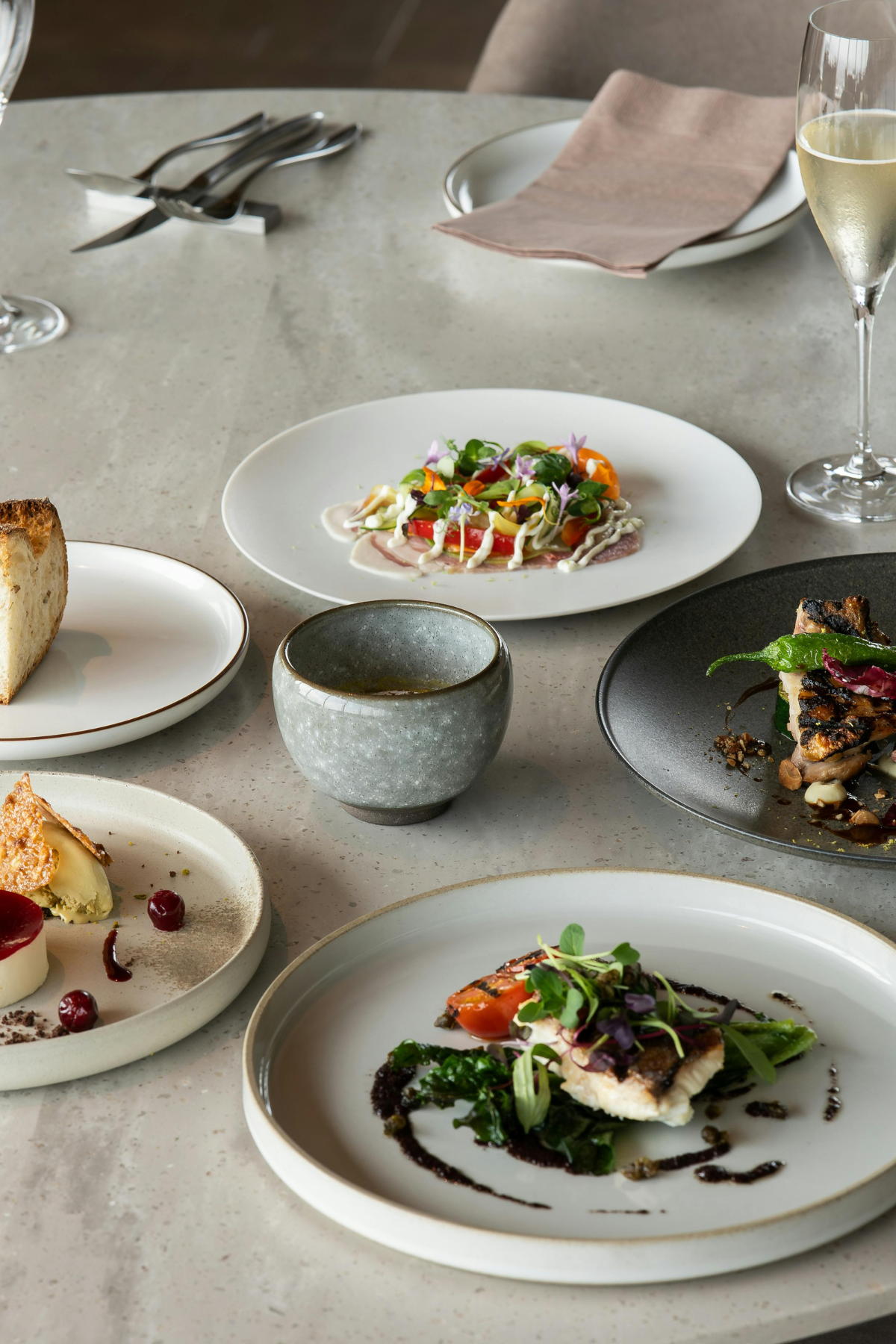
Yorkville is home to approximately 50 restaurants and cafes within walking distance, ranging from quick lunch spots to some of Canada's most established fine dining destinations. The neighbourhood hosts the Four Seasons, the Hazelton, the Park Hyatt, the InterContinental, and other major luxury hotels; meaning the dining infrastructure is hotel-scale even by global luxury standards. Daily dining options for residents are unusually deep at every price point.
Cultural Institutions and Arts
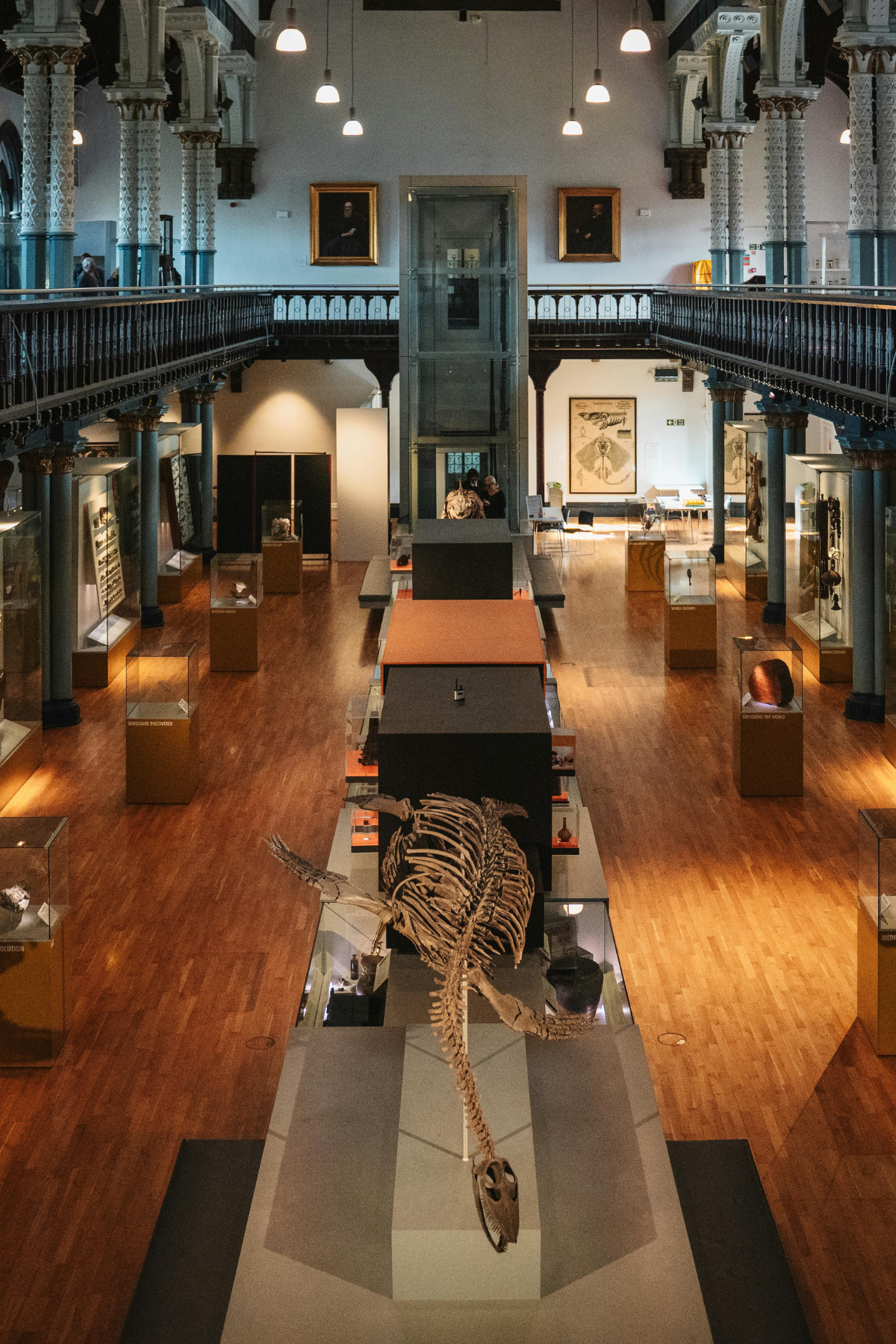
Yorkville's cultural proximity is part of what makes it distinctive. The Royal Ontario Museum sits at the neighbourhood's southwestern corner. The University of Toronto's main campus is a short walk south. Queen's Park (the Ontario Legislative Building) is similarly proximate. The Bata Shoe Museum, the Gardiner Museum, and the Royal Conservatory of Music's Koerner Hall are all within Yorkville or its immediate boundaries. Residents who value arts and cultural access have unusually rich options within walking distance.
Walkability and Transit Access
Yorkville is Toronto's most walkable luxury neighbourhood. Almost every daily errand - grocery, dining, retail, services, transit - happens within a five-minute walk of any address in the neighbourhood.
Subway access is unmatched: Bay station, Bloor-Yonge station, Museum station, and St. George station all sit within Yorkville's boundaries or its immediate edges, providing access to both Line 1 (Yonge-University) and Line 2 (Bloor-Danforth).
For residents who don't own cars, and many Yorkville residents don't, the neighbourhood functions completely without one.
Yorkville Market Data in 2026
Market data is updated quarterly. For the full Q2 2026 figures including transaction volume by building tier and street-level pricing, see Paul & Christian's Market Snapshot.

Average and Benchmark Prices by Building Tier
Yorkville's pricing varies more dramatically by building than any other Toronto luxury neighbourhood. Average property values across the neighbourhood sit between $2.1M-2.3M, with average condo prices around $1.5M depending on building and luxury level.
The average resale condo selling price hovers around $1.22M, translating to approximately ~$1,200 per square foot for typical inventory. At the top of the market, units at Four Seasons Private Residences, the Hazelton, and 50 Yorkville routinely transact above $3,000 per square foot, with select penthouses exceeding $5,000 per square foot.
Townhouses in Yorkville typically transact in the $3–5M range, with select Hazelton Avenue heritage townhouses higher.
The current real estate market in Yorkville features 141 active listings, with an average listing price of approximately $2.35M. The market has experienced pricing momentum, indicating a strong upward trend in property values.

Year-Over-Year Condo Market Trends
The broader Toronto market corrected approximately 5.5% year-over-year through 2025. Yorkville's luxury condo segment has shown more rate sensitivity than detached neighbourhoods like Forest Hill or Rosedale, but recovery in the segment has historically been faster.
The pre-construction market, in particular, tracks closely to broader luxury sentiment and international capital flows. Long-term, Yorkville has been one of Toronto's strongest-performing luxury real estate segments.

Days on Market & Sale-to-List Ratio
Properties in Yorkville are spending an average of 60 days on the market, which can influence buyers' negotiating leverage - meaningfully longer than detached transactions in Forest Hill or Lawrence Park, but typical for a condo-dominant luxury market.
The 60-day average reflects the building-by-building comparison process that Yorkville buyers go through; serious buyers visit multiple buildings before committing. Properly priced units in the most sought-after buildings (Four Seasons, the Hazelton, and 50 Yorkville) often see meaningfully faster transactions when supply is constrained.
The Pre-Construction Market
Yorkville's pre-construction condo market is one of the most active and most expensive in Canada. Major recent pre-construction launches have priced units between $2,500 and $5,000 per square foot, with penthouse units higher.
Pre-construction buyers in Yorkville are predominantly international, institutional, or wealth-management driven, with significant Bay Street executive participation as well. Pre-construction commits made today typically deliver 4-6 years out, making timing and developer reputation meaningful factors in any pre-construction purchase decision.
Who Buys in Yorkville
-
The largest buyer pool in Yorkville is empty nesters downsizing from Forest Hill, Rosedale, Lawrence Park, and other family-luxury neighbourhoods. These buyers want to keep the lifestyle they've built - restaurants, cultural access, social network - without the maintenance of a 5,000-square-foot family home. Yorkville's concierge condo culture is purpose-built for this transition. Many of our Yorkville transactions are coordinated alongside the simultaneous sale of a family home in Forest Hill or Rosedale.
-
Yorkville is Canada's most accessible entry point for international luxury buyers. The brand-recognizable buildings, the strong rental market for periods when international owners aren't in residence, and the discreet representation available through the Sotheby's International Realty global referral network all make Yorkville the natural choice. Many international Yorkville buyers use the unit as a pied-à-terre, visiting Toronto for business or family connections several times per year, rather than as a primary residence.
-
A meaningful share of Yorkville buyers are Bay Street executives, partners at law and finance firms, and senior professionals who want walkable urbanism, restaurant and amenity density, and a 10-15 minute walking or subway commute to the financial core.
Yorkville competes with Cabbagetown and the Annex for this buyer pool; Yorkville wins where concierge service and amenity package matter more than heritage character.
-
Yorkville has a strong rental market, particularly for executive rentals and short-term luxury stays. Investors active in Yorkville typically target buildings with strong rental demand and management; Four Seasons Private Residences, the St. Regis, and certain units at One Bloor East are popular for rental investment strategies. Investment outcomes depend heavily on building, unit, and hold period; Yorkville rewards long-term holds rather than short-term flips.
Four distinct buyer profiles dominate Yorkville's market, each with different priorities.
Recent Notable Yorkville Sales
Across the past 24 months, our team has represented sellers and buyers on Yorkville transactions ranging from boutique-building units in the $1.5 million range to multi-room Four Seasons penthouses above $10 million.
Here are three representative examples of Paul & Christian's notable sales:
-
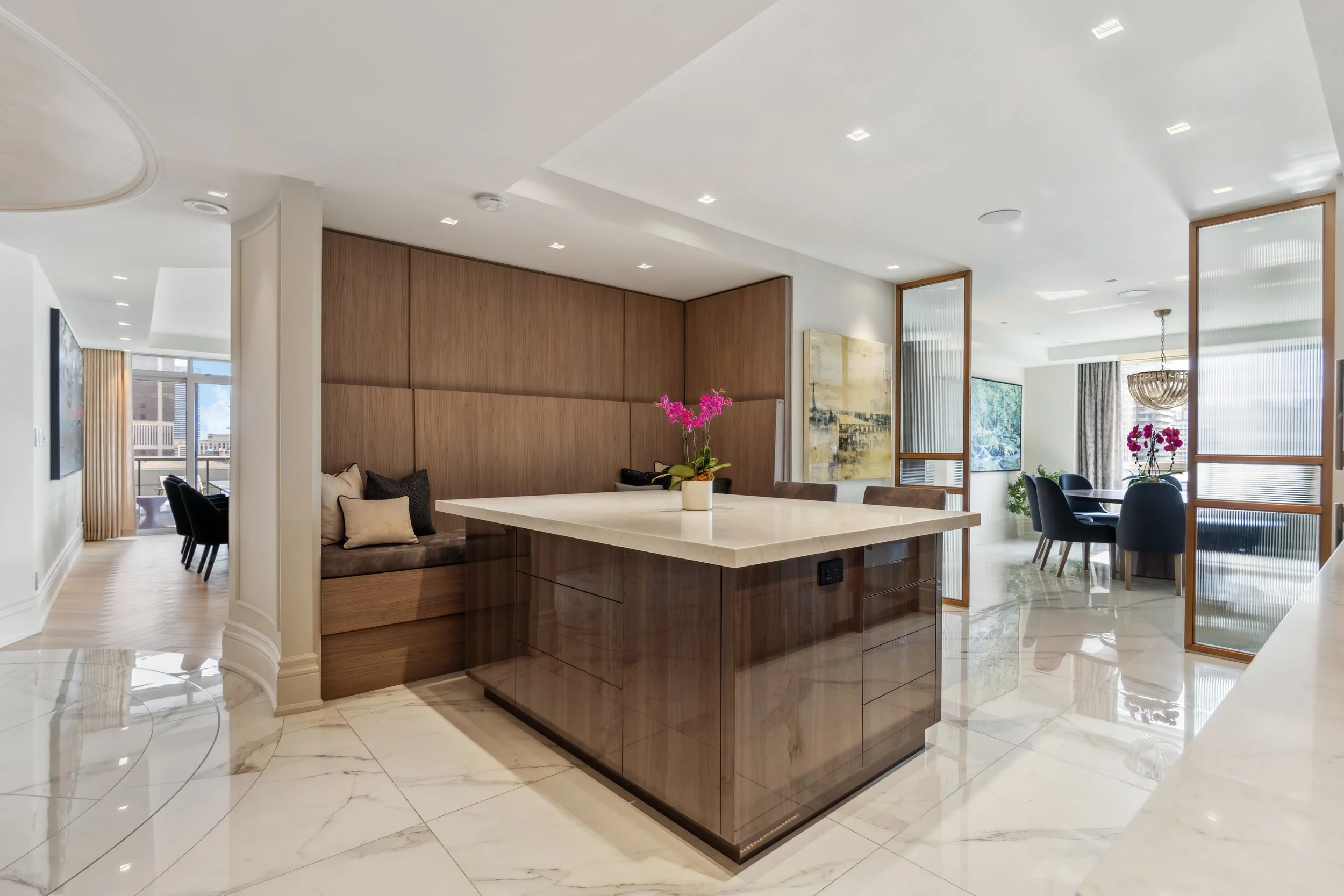
Defined by its extraordinary 740-square-foot private terrace, this extensively renovated residence offered an exceptional indoor-outdoor lifestyle with direct views over the Village of Yorkville Park.
-
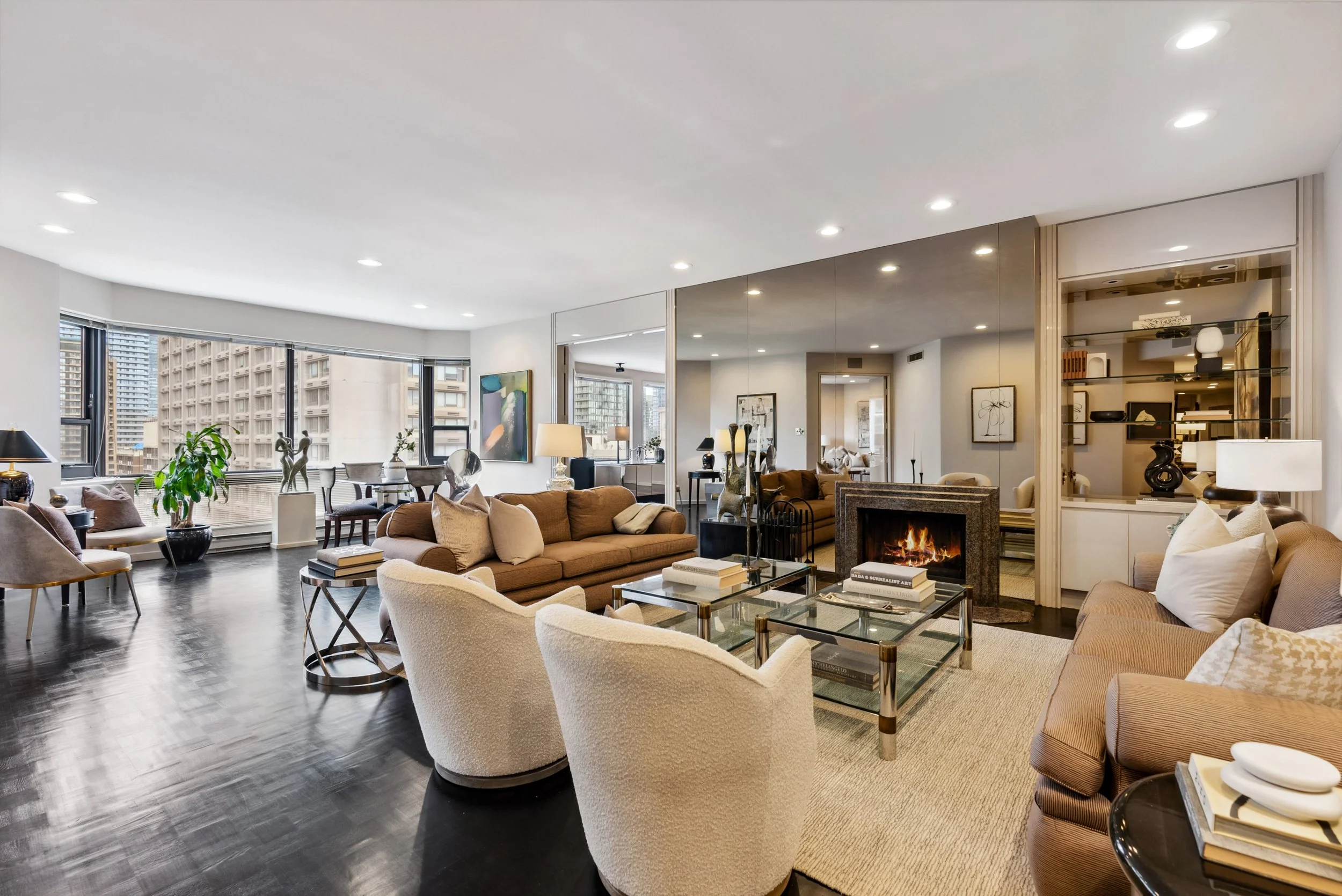
Offering sweeping skyline views and approximately 2,600 square feet of thoughtfully redesigned living space, this sophisticated residence blended contemporary elegance with the comfort and functionality of a luxury urban retreat.
-
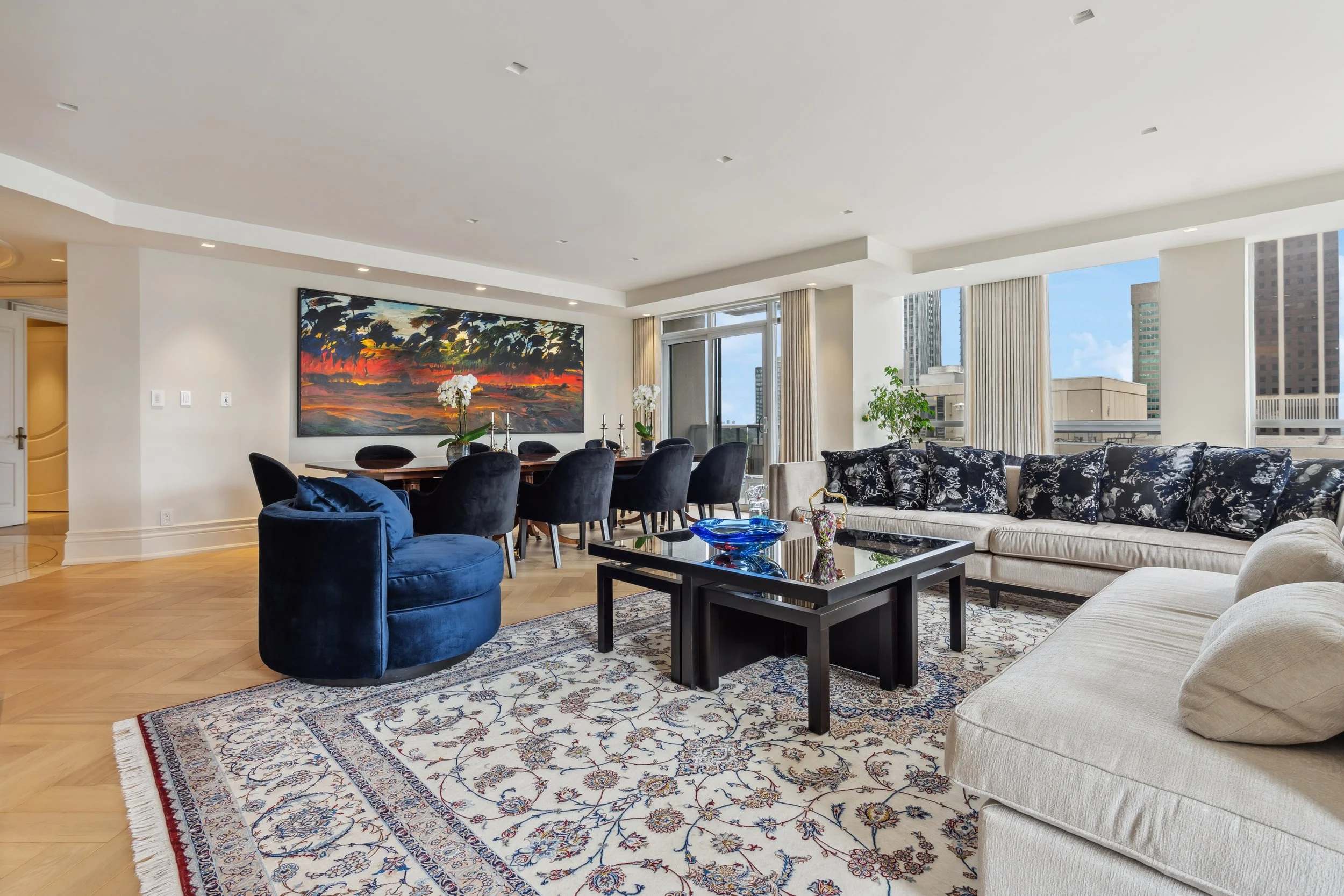
Positioned high above Yorkville Park on the 18th floor of 10 Bellair, this expansive residence combined exceptional scale, panoramic views, and a refined full-service lifestyle in one of the neighbourhood’s most prestigious buildings.
For the full significant sales archive, see our Significant Sales Page here.
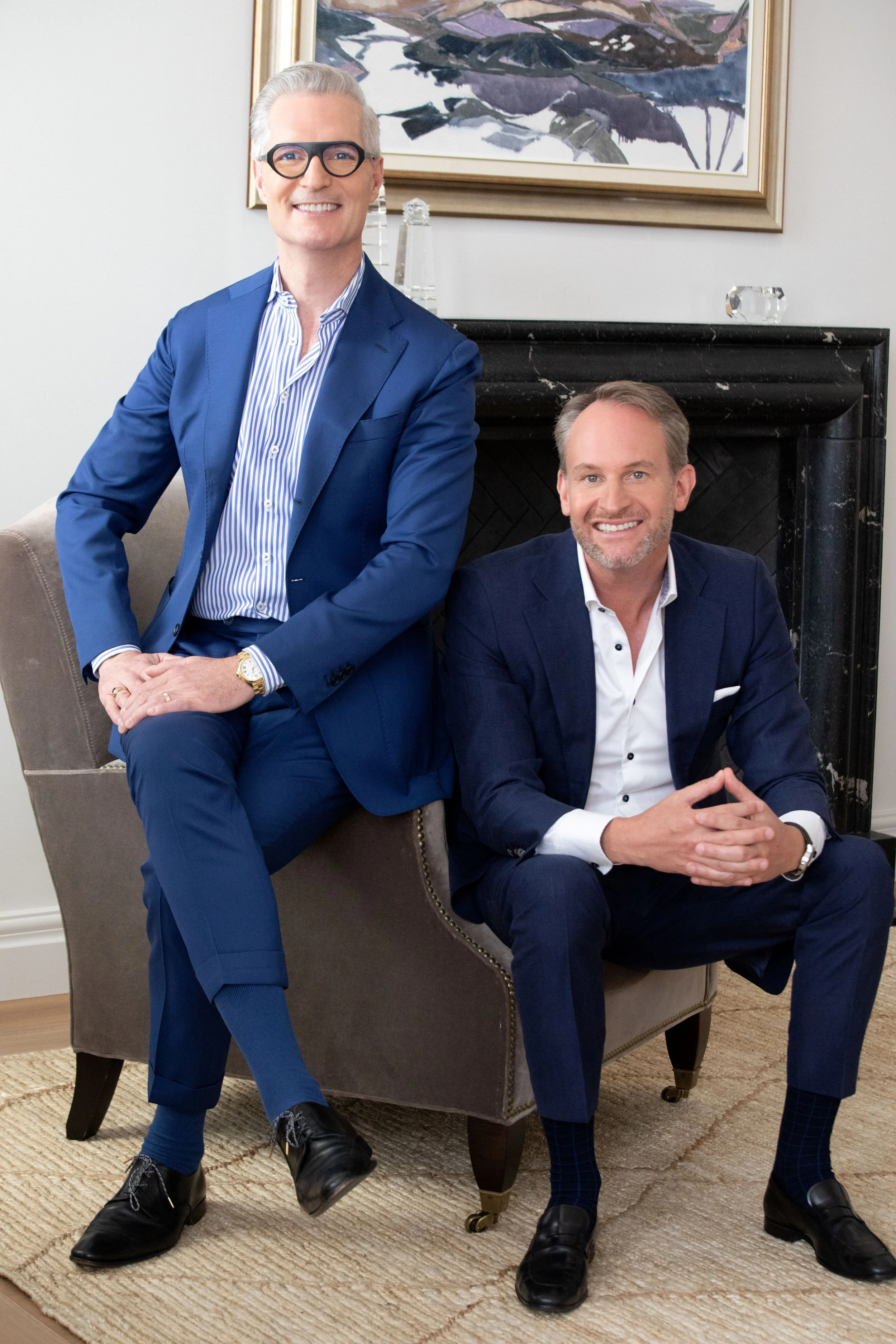
Meet the Yorkville Real Estate Specialists: Paul Maranger & Christian Vermast
Paul Maranger and Christian Vermast are the co-founders of Paul & Christian Associates and the team’s lead specialists for Yorkville, Cabbagetown, and The Annex. With an MBA, Harvard Business School negotiation training, and more than 28 years of Toronto luxury real estate experience, Paul brings strategic depth to Yorkville’s high-value luxury condo and investment market, particularly when advising clients on long-term value, negotiation structure, and market positioning. Christian complements that expertise with a Bachelor of Law degree from Université Robert Schuman in Strasbourg, France, fluency in four languages, and strong relationships with building management and concierge teams across Yorkville’s premier residences.
Together, they provide buyers and sellers with detailed insight into building culture, off-market opportunities, and the practical realities of living in one of Toronto’s most competitive luxury neighbourhoods.
Start Your Toronto Luxury Home Search
Whether you are buying, selling, or comparing neighbourhoods before you decide, we are happy to talk. We do not run discovery calls as sales pitches. They are working conversations about what you want and which neighbourhood makes sense.
-
Yorkville is Toronto's most sophisticated urban district, anchored by the Mink Mile luxury shopping corridor, the Royal Ontario Museum, and the highest concentration of luxury condominium apartment buildings in Canada. The neighbourhood is known for its eclectic mix of preserved Victorian townhouses, boutique mid-century buildings, and contemporary luxury condo towers including Four Seasons Private Residences, One Bloor East, and the Hazelton Residences.
-
Yorkville was originally a separate village north of Toronto, annexed by the city in 1883. Through the 1960s it was Toronto's bohemian counterculture centre. The transformation into Canada's premier luxury district happened gradually through the 1970s, 1980s, and especially the 2000s, as luxury retail anchored on the Mink Mile and contemporary luxury condo development reshaped the residential market. By the late 2010s, Yorkville's identity as Canada's most concentrated luxury district was firmly established.
-
Average condo prices in Yorkville sit around $1.5M depending on building and luxury level. The average resale condo selling price hovers around $1.22M, translating to approximately $1,196 to $1,270 per square foot. Units in the most prestigious buildings (Four Seasons Private Residences, the Hazelton, 50 Yorkville) routinely transact above $3,000 per square foot, with penthouses exceeding $5,000 per square foot. Average property values across the broader neighbourhood sit between $2.1M and $2.3M.
-
The most prestigious buildings in Yorkville's modern luxury condo market are the Four Seasons Private Residences, One Bloor East, 50 Yorkville, the Hazelton Residences, and the Residences at the St. Regis. Older boutique buildings - 77 Avenue Road, 38 Avenue Road, and similar - offer larger floor plates at lower per-square-foot pricing. The right "best" building depends on the buyer's priorities: building services and amenities favour the newer towers; floor plate size and value favour the older boutique buildings.
-
The Mink Mile is the stretch of Bloor Street West between Yonge Street and Avenue Road - Canada's most prominent high-end shopping corridor. Cartier, Louis Vuitton, Chanel, Hermès, Tiffany & Co., Holt Renfrew, and dozens of other luxury flagships line the corridor. It is one of the highest-grossing retail strips in North America by square footage.
-
Yorkville has demonstrated strong property value retention and high demand over the past two decades, making it attractive for long-term investors. The neighbourhood's combination of brand-recognizable buildings, walkable urbanism, and the strongest rental market in Toronto luxury support investment performance. However, Yorkville's luxury condo segment is more rate-sensitive than detached luxury neighbourhoods, and investment outcomes depend heavily on building selection, unit characteristics, and hold period. Yorkville rewards long-term holds rather than short-term flips.
-
Yorkville and Summerhill are both walkable luxury midtown Toronto neighbourhoods, but they attract different buyers. Yorkville is overwhelmingly condo-dominant, with concierge-driven buildings, the Mink Mile retail corridor, and unmatched cultural proximity. Summerhill is more residential, mixing Victorian rowhouses, family-sized semis, and a smaller boutique condo inventory in a quieter setting. Yorkville is more amenity-rich; Summerhill is more neighbourhood-scaled.
-
Yorkville and Rosedale serve different buyers and life stages. Rosedale is heritage-focused, with single-family homes, ravine system access, and a strong Bay Street executive family base. Yorkville is condo-focused, with concierge buildings, walkable retail and dining, and a downsizer-and-international-buyer profile. Many Rosedale homeowners eventually downsize to Yorkville when their families have grown. Pricing tiers overlap meaningfully, but the lifestyle and buyer profile differ.
-
Yes, but inventory is limited. Approximately 80% of Yorkville properties are large apartment buildings, with the remaining 20% comprising townhouses and semi-detached houses. The preserved Victorian and Edwardian townhouses along Hazelton Avenue, Berryman Street, and Scollard Street represent most of Yorkville's house inventory. Townhouse pricing typically runs $3-5M, with select Hazelton heritage townhouses higher.
-
Yorkville and Bloor-Yorkville are overlapping but slightly different descriptions of the same general area. "Bloor-Yorkville" is the official business improvement district name, encompassing the commercial corridor along Bloor Street and Yorkville Avenue. "Yorkville" as a residential neighbourhood includes the commercial corridor plus the residential streets north of it. In real estate listings, both terms appear and refer to essentially the same buyer market.
Frequently Asked Questions About Yorkville Real Estate
-
Yorkville is Toronto's most walkable luxury neighbourhood. Almost every daily errand - grocery, dining, retail, services, transit, cultural amenities - happens within a five-minute walk of any address in the neighbourhood. Subway access is unmatched, with Bay, Bloor-Yonge, Museum, and St. George stations all within or immediately adjacent to Yorkville's boundaries.
-
Yorkville is not primarily a family neighbourhood. The condo-dominant housing stock, the limited inventory of larger family-sized units, and the demographic skew toward empty nesters and professionals all reflect this. Families considering Yorkville should focus on the older boutique buildings with larger floor plates (77 Avenue Road and 38 Avenue Road) or the limited townhouse inventory. School options exist but are not the neighbourhood's primary draw; families prioritizing schools typically choose Forest Hill, Lawrence Park, or Rosedale instead.
-
Yorkville condos spend an average of 60 days on the market - longer than detached homes in family-luxury neighbourhoods, but typical for a condo-dominant luxury market where buyers compare buildings carefully before committing. Properly priced units in the most sought-after buildings often see faster transactions, particularly when comparable inventory in the same building is constrained. Mispriced units can sit considerably longer.
-
Several public schools serve the Yorkville area, including Jesse Ketchum Junior and Senior Public School at the eastern edge of the neighbourhood. The University of Toronto is within walking distance, including the University of Toronto Schools (UTS) private school. The Royal Conservatory of Music is similarly proximate for families pursuing arts education. Yorkville's school options are functional rather than the neighbourhood's primary demand driver.
-
Yorkville's residents are predominantly empty nesters and downsizers from other Toronto luxury neighbourhoods, international buyers using the neighbourhood as a primary or pied-à-terre residence, Bay Street executives, and senior professionals. The demographic skews older than average for Toronto luxury - children are less common than in Forest Hill or Lawrence Park. The neighbourhood attracts an unusually international resident base, with significant populations of U.S., U.K., European, and Middle Eastern owners.
-
Yes. Yorkville's pre-construction condo market is one of the most active and most expensive in Canada. Major recent pre-construction launches have priced units between $2,500 and $5,000 per square foot, with penthouses higher. Pre-construction buyers are predominantly international, institutional, or wealth-management driven. Pre-construction commits typically deliver 4-6 years out, making timing and developer reputation meaningful factors. Working with an agent who knows the pre-construction landscape and the historical performance of comparable Yorkville developments is essential at this tier.
-
Yorkville is among Toronto's safest residential neighbourhoods. The dense residential population, the heavy foot traffic along Bloor and Yorkville Avenue, the 24-hour concierge presence in most luxury buildings, and the proximity to the University of Toronto and Royal Ontario Museum all contribute to consistently low crime rates. Residents typically describe Yorkville as feeling safe at any time of day.
-
Parking in Yorkville is concentrated in residential buildings - most luxury condos include one or two parking spaces with each unit, with additional spaces available at significant cost. On-street parking is limited and restricted in many sub-areas. Visitor parking in Yorkville buildings varies by property. Many Yorkville residents don't own cars - the neighbourhood is designed to function without one. For buyers who require multiple vehicle spaces, parking availability should be confirmed during the offer process; not all buildings can accommodate this.
-
Three factors distinguish Yorkville's condo market. First, the building dominates the unit - buyers compare buildings before they compare floor plans, and pricing reflects building-level positioning more than unit-specific features. Second, the per-square-foot pricing is significantly higher than other Toronto condo markets, often 2-3x the city-wide average; the average price per square foot for properties in Yorkville is $1,220, which helps in comparing value across different listings. Third, the buyer pool is meaningfully more international and less rate-sensitive than the broader Toronto condo market, which creates different timing dynamics. Sellers in Yorkville need to position for the specific buyer pool in their building's tier.
-
Yorkville hosts the highest concentration of luxury hotels in Toronto. The Four Seasons Toronto, the Hazelton Hotel, the Park Hyatt, the InterContinental Toronto Yorkville, and the Windsor Arms Hotel all operate within or immediately adjacent to the neighbourhood. The hotel infrastructure supports the neighbourhood's restaurant, dining, and visitor economy, and also serves as an amenity for residents — many Yorkville residents use hotel restaurants, spas, and meeting facilities as extensions of their own residential amenities.
Explore Related Toronto Neighbourhoods
Yorkville sits at the centre of Toronto's walkable luxury cluster. Buyers comparing Yorkville against alternatives most often look at:
Summerhill - walkable midtown, mixed housing types, smaller scale
Rosedale - heritage architecture, ravine system, family-luxury character
South Hill - adjacent to Forest Hill, boutique condo buildings
The Annex - heritage Toronto, walkable to U of T, more academic character
Forest Hill - family-luxury, private school anchored, different lifecycle stage
For the full list, see our Toronto luxury neighbourhoods guide.
Working with Paul & Christian Associates in Yorkville
Whether you are buying, selling, or comparing neighbourhoods before you decide, we are happy to talk. We do not run discovery calls as sales pitches - they are working conversations about what you want and how Yorkville fits.
Get a custom valuation for your Yorkville home - most useful if you are considering selling within 12 months
Start your home search in Yorkville with us - for buyers actively looking
Read Paul Maranger and Christian Vermast's full bio - to understand how the team operates