

Yorkville vs Summerhill: Which Toronto Neighbourhood Is Right for You?
Paul Maranger and Christian Vermast, Brokers and Executive Vice Presidents of Sales, Sotheby's International Realty Canada
The Short Answer
Yorkville and Summerhill are both affluent, walkable, central Toronto neighbourhoods; but they offer fundamentally different lifestyles, and buyers comparing them are usually choosing between two very different ways of living. The decision comes down to this: choose Yorkville if you want a high-density luxury condo lifestyle with world-class shopping and dining at your door; choose Summerhill if you want a quieter, tree-lined neighbourhood of heritage houses with parks, ravines, and a genuine residential community.
Yorkville is a bustling luxury hub; Canada's densest concentration of high-end fashion boutiques, anchored by the Mink Mile, world-class dining, and prestigious condo towers. Summerhill is a quieter neighbourhood of Victorian and Edwardian homes on winding, tree-lined streets, favoured by families and professionals, with direct subway access downtown and an abundance of parkland. Both offer affluent living in central locations; they differ entirely in atmosphere. This guide walks through the differences that matter.
Quick Snapshot: Yorkville and Summerhill
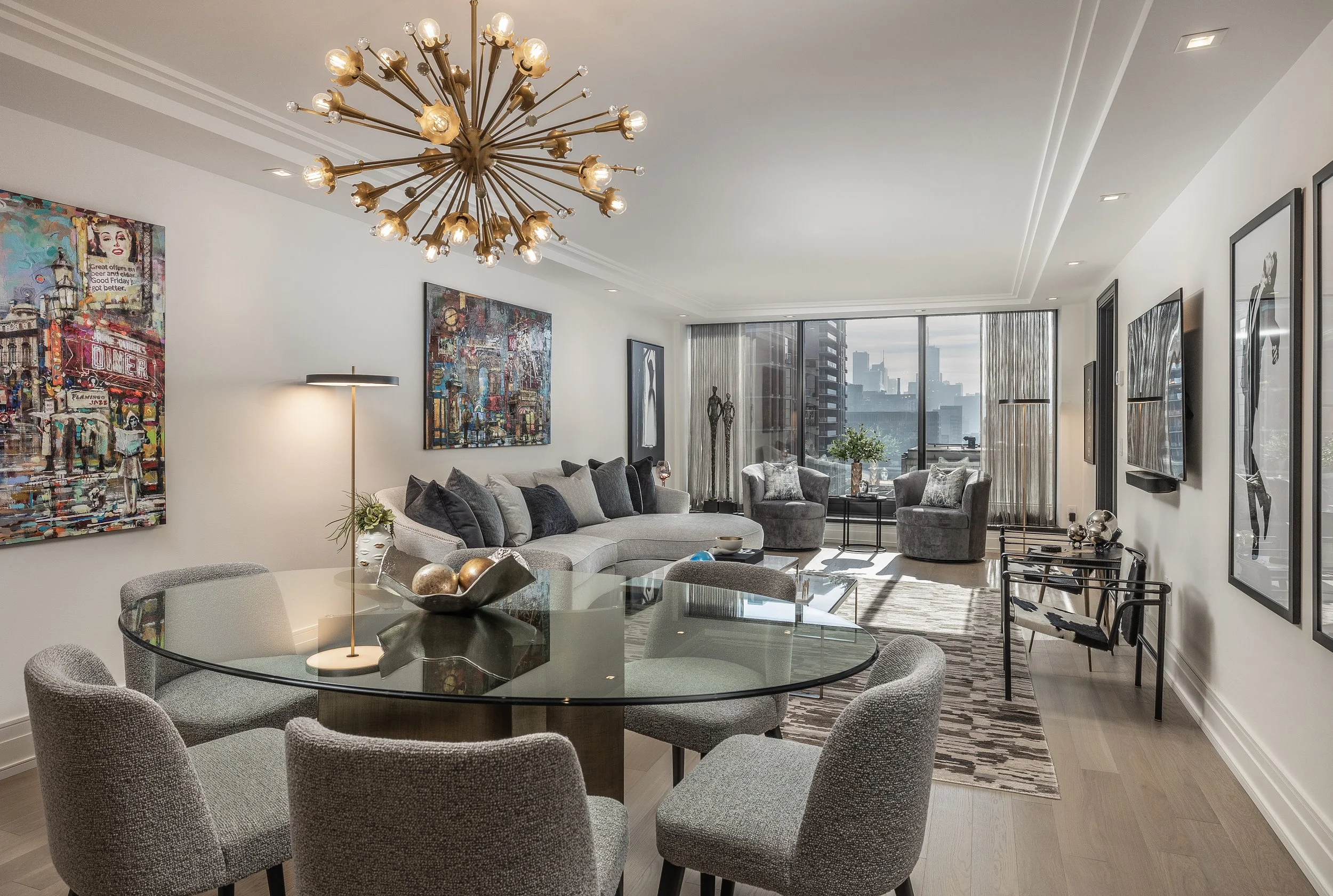
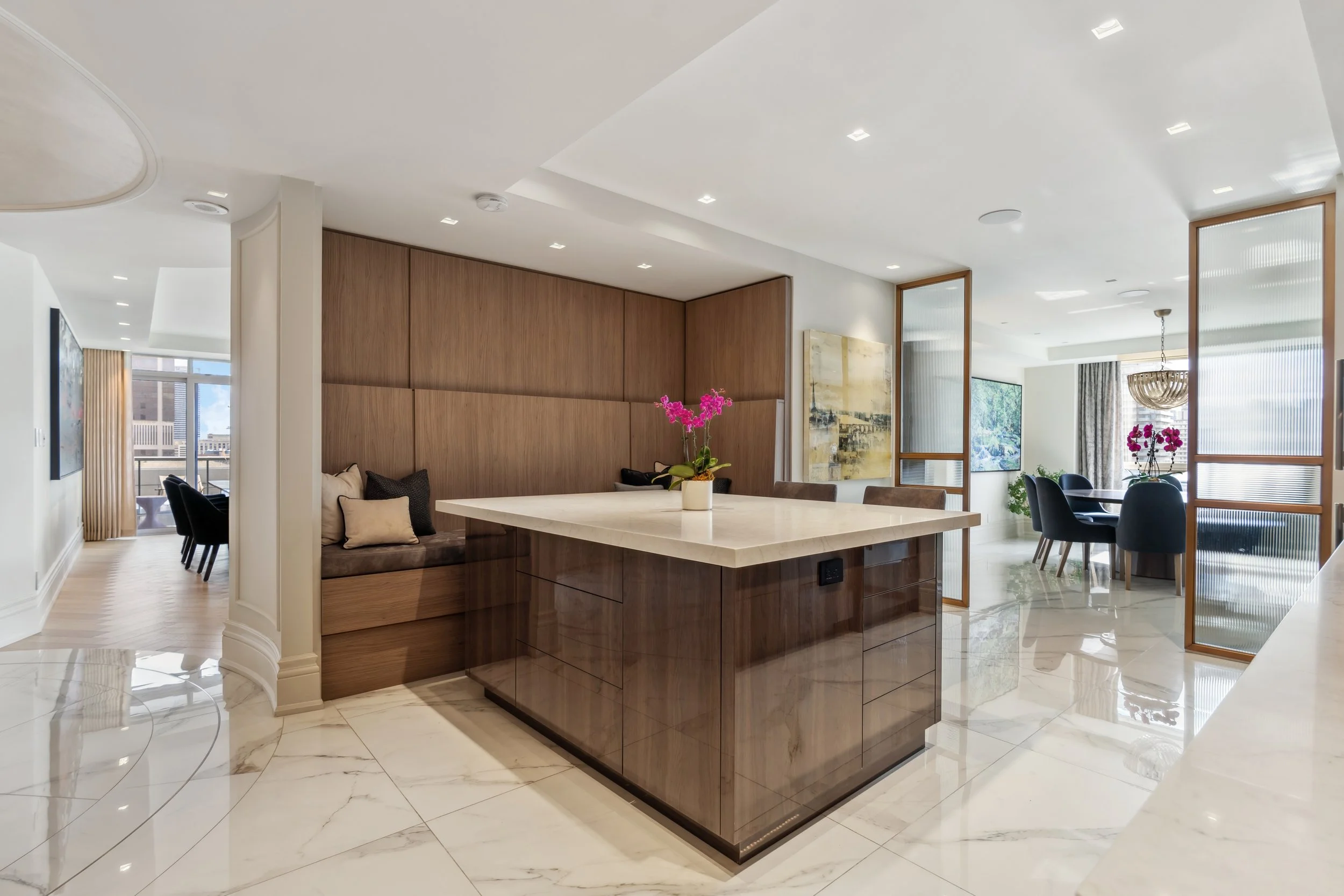
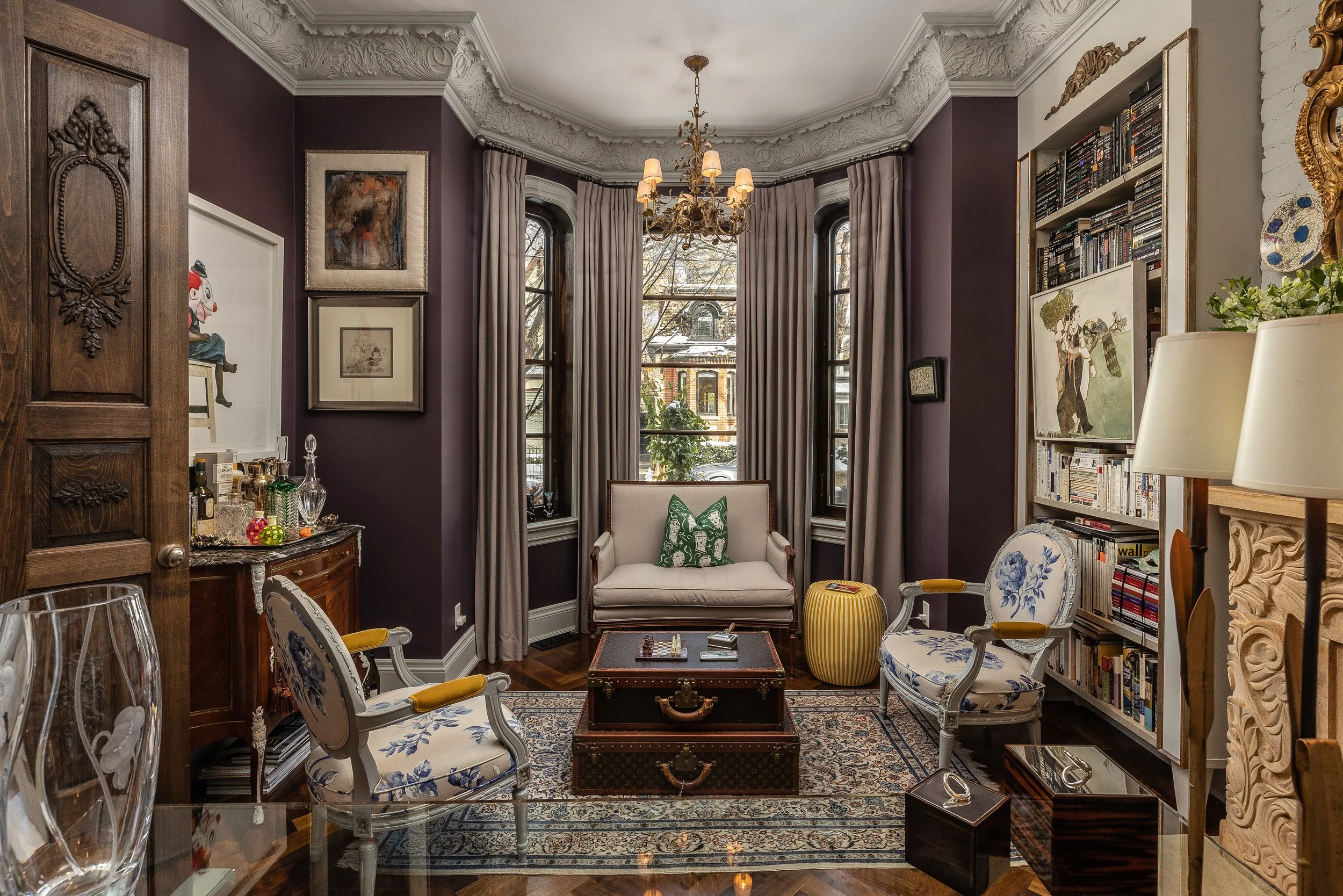
Yorkville is characterized by a high-density, luxury urban environment; condo towers, concierge buildings, and the most concentrated luxury retail in Canada. Summerhill is the opposite in feel: a quieter, family-favoured neighbourhood of heritage houses, charming brick facades, tree-lined streets, and access to more than 50 acres of parkland. Both are central, both are affluent, both are highly walkable.
The contrast is between Yorkville's luxury-urban intensity and Summerhill's residential calm.
Yorkville in one line: Buyers who want concierge condo luxury and world-class shopping and dining at their door.
Summerhill in one line: Families and professionals who want a heritage house in a quiet, walkable, park-rich neighbourhood.
| Yorkville | Summerhill | |
|---|---|---|
| Best known for | The Mink Mile, luxury condos, world-class dining | Heritage houses, the Summerhill LCBO, parks |
| Housing | Luxury condo towers (~80% apartments) | Victorian/Edwardian houses, townhomes, low-rise condos |
| Atmosphere | High-density, bustling, luxury-urban | Quiet, tree-lined, residential |
| Typical buyer | Downsizers, international buyers, professionals | Families, professionals, character-home downsizers |
| Retail | The Mink Mile, boutiques, fine dining | Yonge Street corridor, neighbourhood favourites |
| Green space | Limited; urban parkettes | Balfour Park, Rosehill Reservoir, Vale of Avoca ravine |
| Transit | Bay, Bloor-Yonge, Museum, St. George stations | Summerhill station, direct downtown access |
| Walkability | Among Toronto's most walkable | Walk Score 87, Transit Score 86 |
Yorkville Overview
-
Yorkville is characterized by a high-density, luxury urban environment - Canada's most concentrated luxury district. It is a bustling luxury shopping hub, home to the highest concentration of high-end fashion boutiques per square meter in Toronto, anchored by the Mink Mile along Bloor Street. The neighbourhood offers world-class dining, trendy cocktail bars, and the cultural anchor of the Royal Ontario Museum, all within walking distance.
-
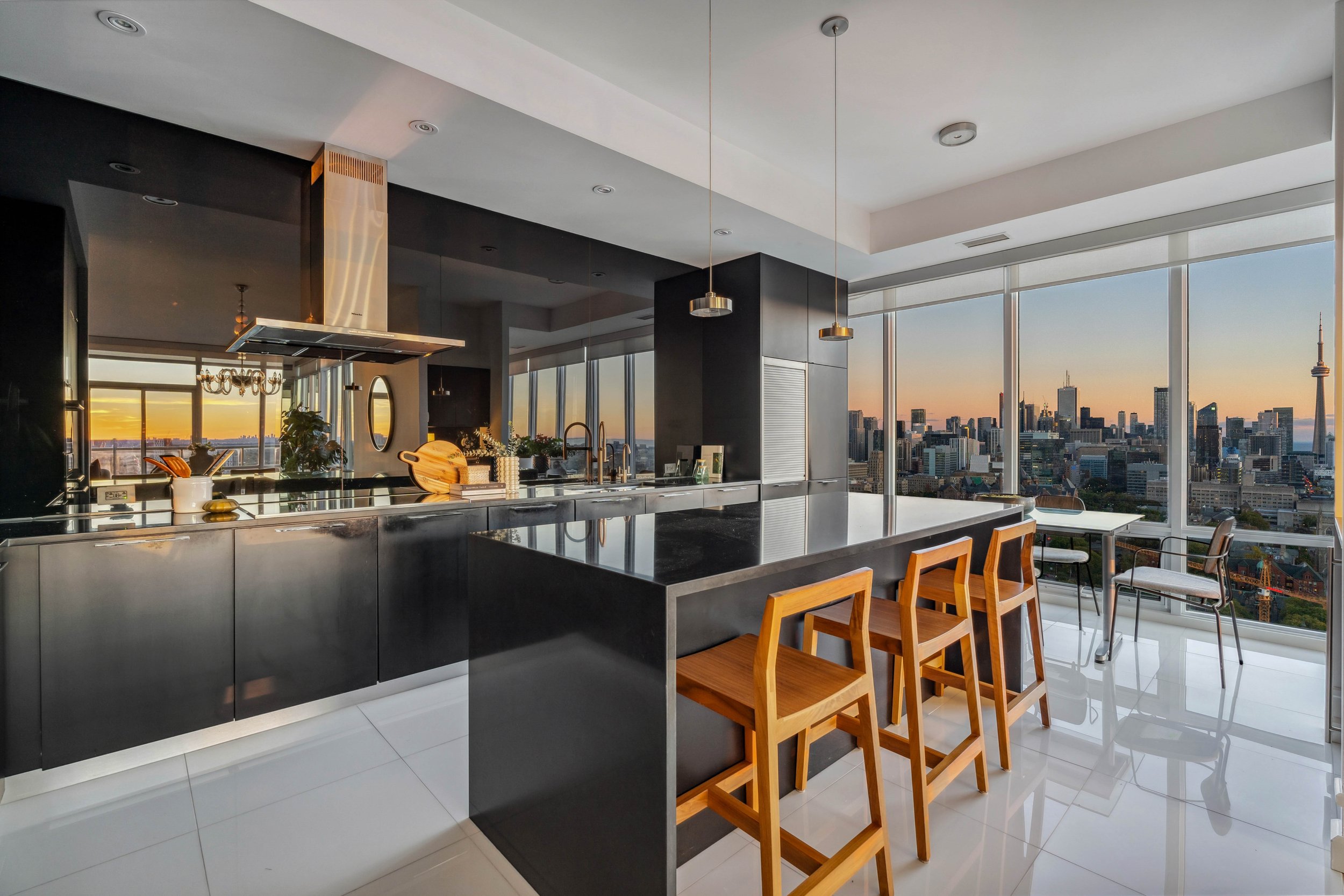
Yorkville's housing is overwhelmingly condo-dominant, roughly 80% large apartment buildings, anchored by prestigious towers including the Four Seasons Private Residences, One Bloor East, 50 Yorkville, and the Hazelton Residences. The neighbourhood's buyers skew toward downsizers, international buyers using Yorkville as a primary or pied-à-terre residence, Bay Street executives, and senior professionals. Yorkville's walkability and transit access are unmatched, with Bay, Bloor-Yonge, Museum, and St. George stations all within or adjacent to its boundaries
-
Yorkville suits buyers who want the building to do the work - concierge service, amenities, and lock-and-leave convenience - and who value having luxury retail and fine dining at the doorstep over having a backyard or a quiet street.
Summerhill Overview
-
![]()
The History & Character of Summerhill
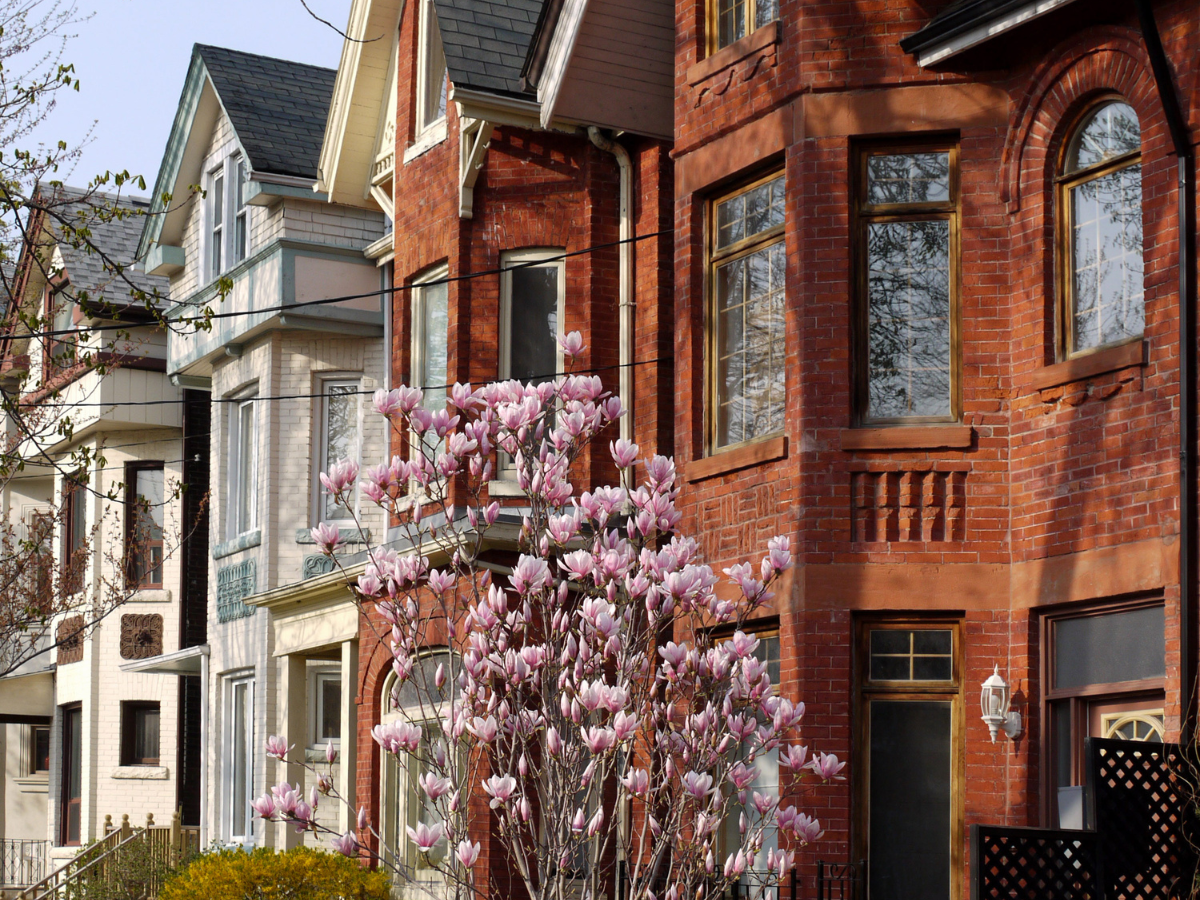
Summerhill is a quieter, tree-lined neighbourhood favoured by families and professionals - a genuine residential community in central Toronto. The neighbourhood takes its name from Summer Hill, the estate of Charles Thompson, whose 200-acre property and 1842 Summer Hill house gave the area its identity. Summerhill was annexed by the City of Toronto in 1903, and most of its housing stock was built between 1880 and 1915, producing the Victorian and Edwardian detached homes, charming brick facades, and winding tree-lined streets that define it today. -
![]()
Summerhill’s Iconic Landmarks
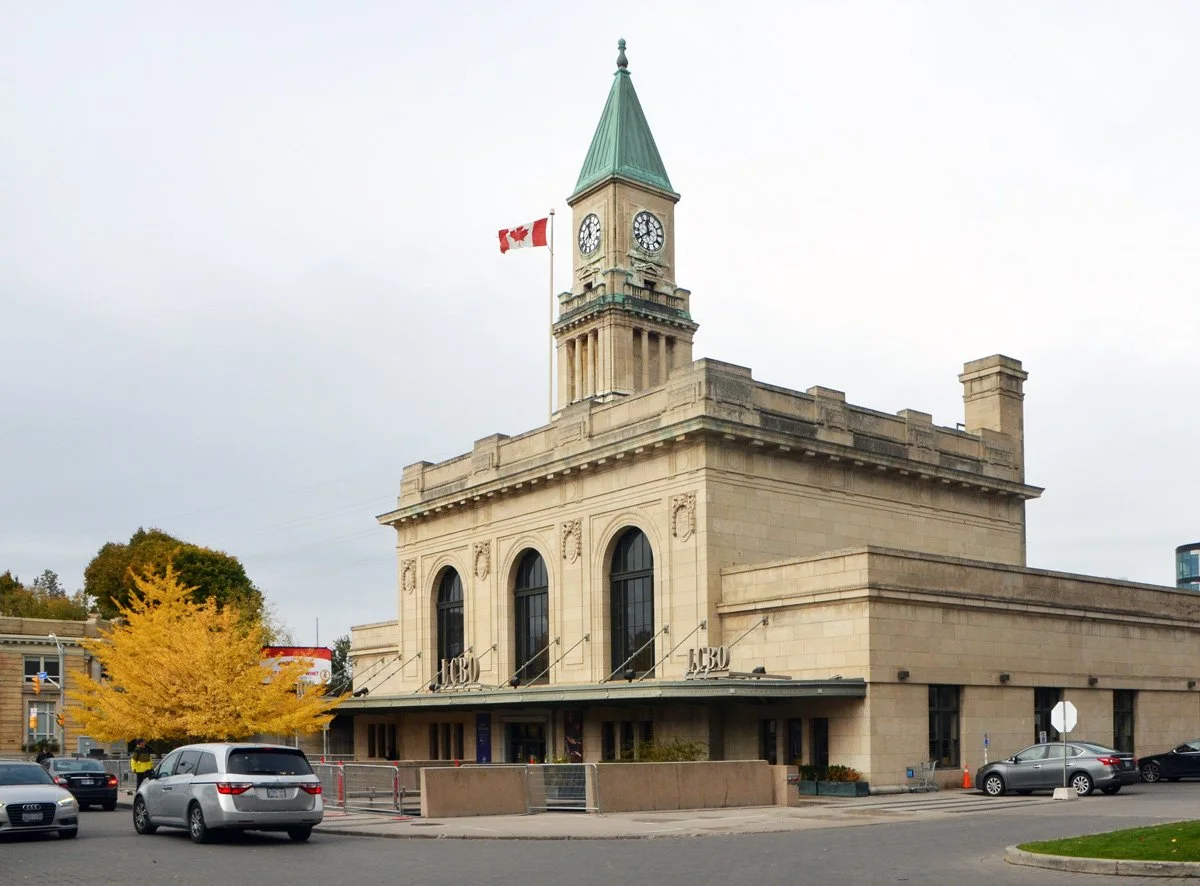
Summerhill's defining landmark is the Summerhill LCBO, housed in the historic North Toronto railway station (built in the 1880s) with its distinctive clock tower; the site became Summerhill subway station in 1954 and remains a community anchor. The neighbourhood's housing has diversified over time to include modern townhomes and low-rise condominiums alongside the heritage houses, but the character remains residential. Many Summerhill homes lack private driveways but allow street parking - a quirk of the neighbourhood's heritage density. -
![]()
Green Spaces & Outdoor Living
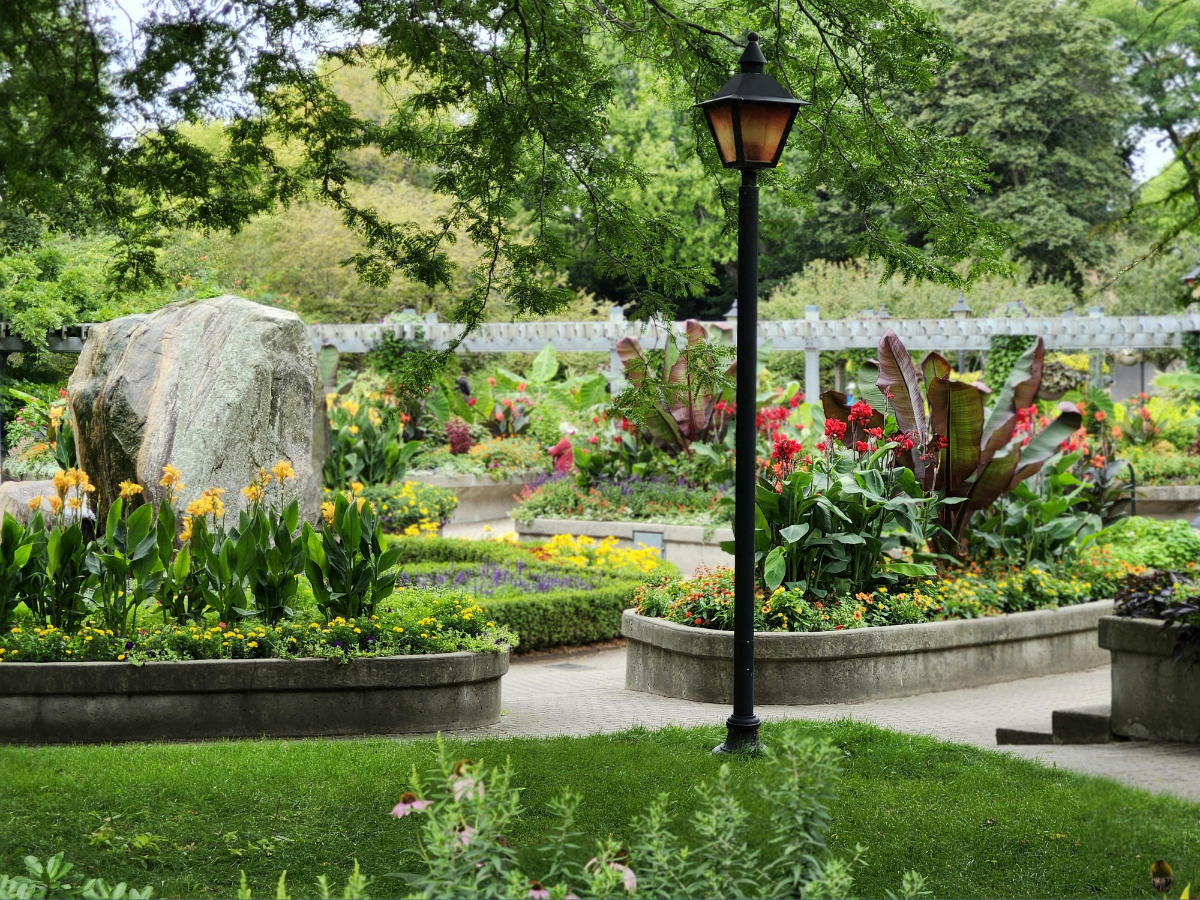
Summerhill is notably rich in green space. David A. Balfour Park spans over 50 acres; Rosehill Reservoir Park features a children's playground and reflecting pools; the Vale of Avoca Ravine offers nature trails; and the Toronto Lawn Tennis Club and Lionel Conacher Park add to the recreational depth. For a central Toronto neighbourhood, this abundance of parkland is unusual and is one of Summerhill's defining advantages. -
![]()
A Neighbourhood Connected to Everything
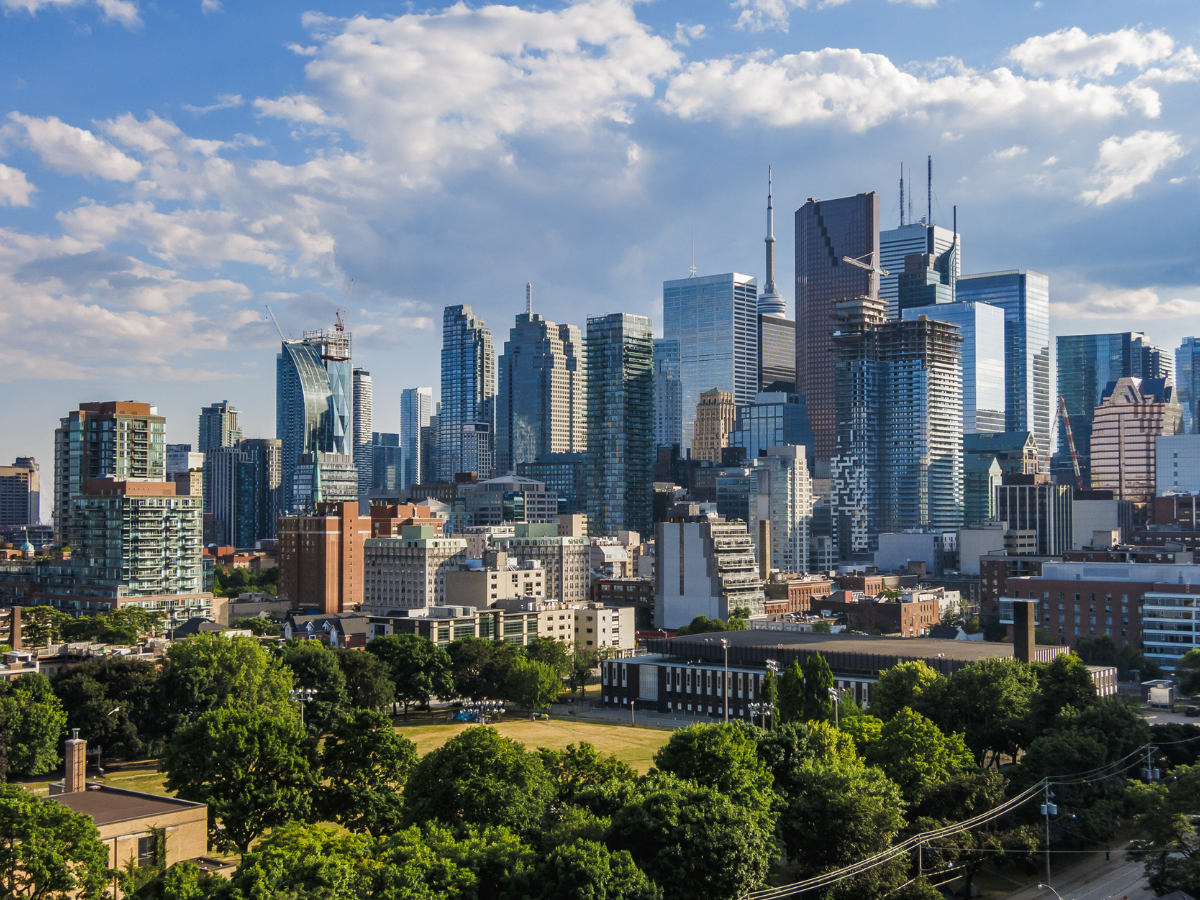
Summerhill residents have direct access to downtown via the Yonge Street corridor and Summerhill subway station, with strong walkability and transit (Walk Score 87, Transit Score 86). The neighbourhood suits families and professionals who want a heritage house, a quiet street, and parks at their door; while still being a short subway ride from downtown.
The Differences That Actually Matter
-
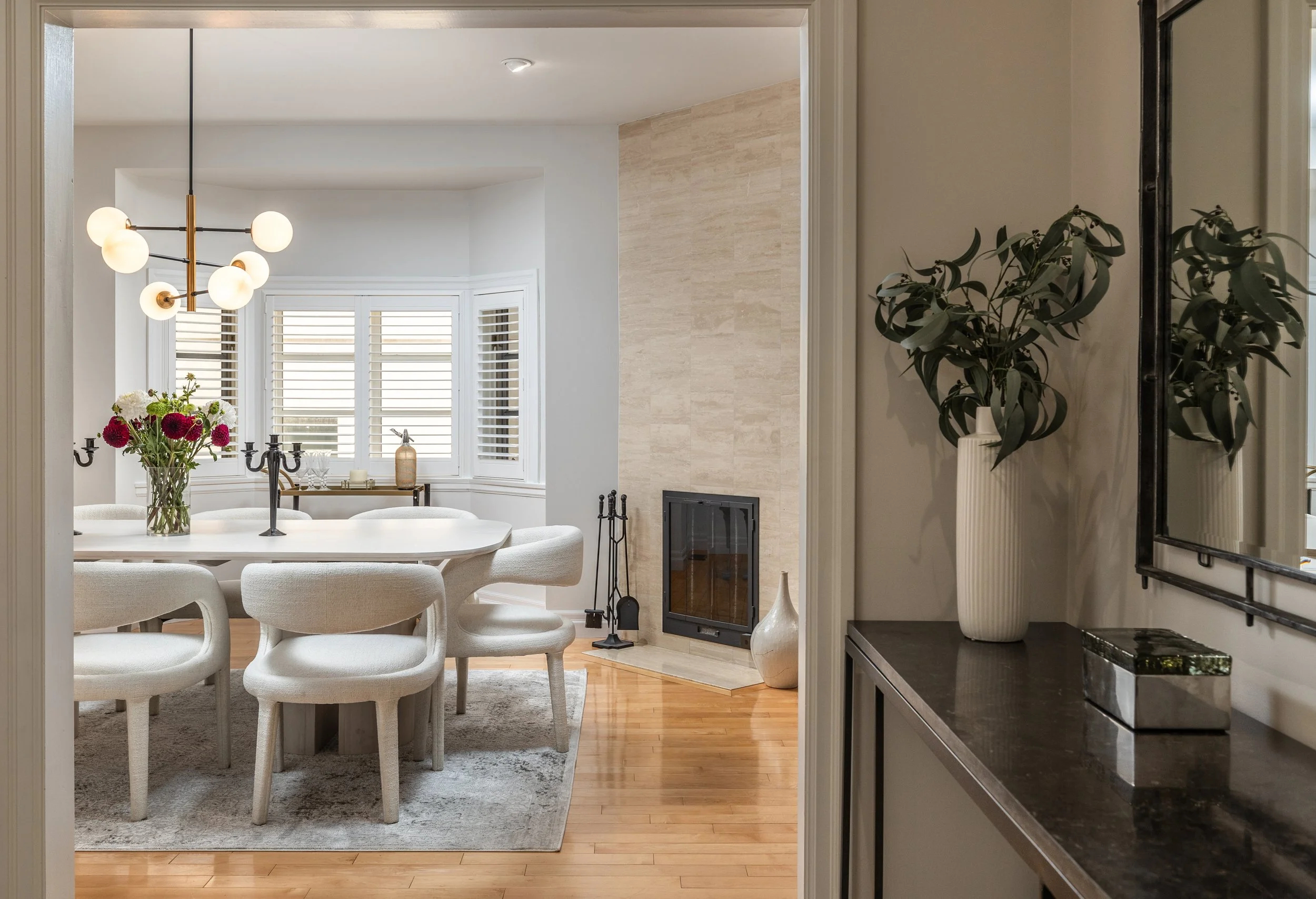
This is the core of the comparison. Yorkville is condo country; roughly 80% apartment buildings, concierge-driven, with limited house inventory. Summerhill is house country - Victorian and Edwardian detached and semi-detached homes, plus townhomes and a smaller boutique condo segment. A buyer who wants a house with a front door to the street will find that in Summerhill, not Yorkville. A buyer who wants a luxury condo with building amenities will find that in Yorkville, not Summerhill.
Advantage: depends entirely on what you want - Yorkville for condo living, Summerhill for houses.
-
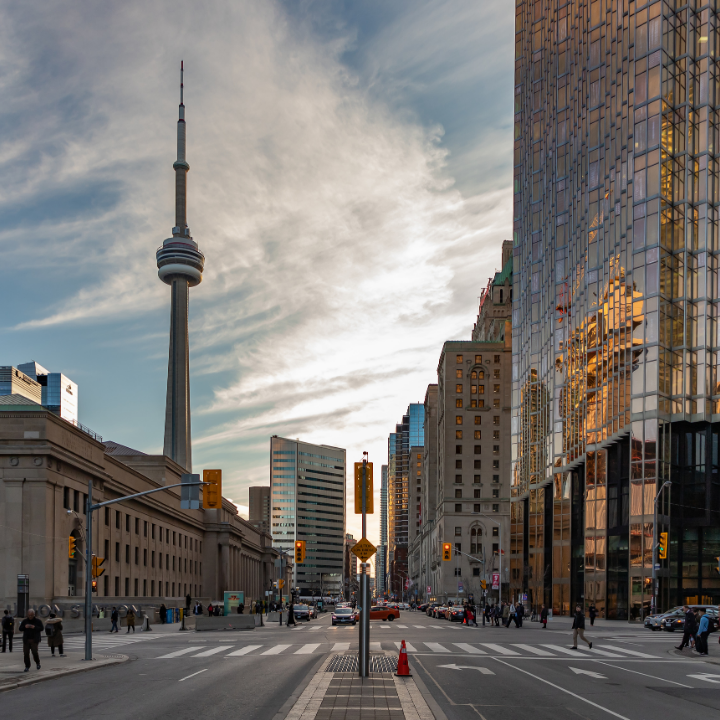
Yorkville offers the highest concentration of high-end fashion boutiques in Toronto, world-class dining, and trendy cocktail bars along the Mink Mile and Bloor-Yorkville. Summerhill's retail is more everyday and neighbourhood-scaled; the Yonge Street corridor with its shops, restaurants, and neighbourhood favourites, anchored by the landmark Summerhill LCBO. For buyers who want luxury retail and fine dining at their doorstep, Yorkville is unmatched in Canada.
Advantage: Yorkville for luxury retail and dining.
-
Summerhill is rich in parkland - David A. Balfour Park (50+ acres), Rosehill Reservoir Park with its playground and reflecting pools, the Vale of Avoca Ravine with nature trails, and more. Yorkville, as a dense luxury-urban district, has limited green space beyond urban parkettes. For families and anyone who values parks, ravines, and outdoor recreation within walking distance, Summerhill offers something Yorkville simply cannot.
Advantage: Summerhill for green space and parks.
-
Yorkville is bustling; a high-energy luxury district with significant foot traffic, visitors, and the buzz of a destination shopping and dining hub. Summerhill is quiet - winding tree-lined streets, heritage houses, and the calm of a genuine residential neighbourhood. Some buyers want the energy of Yorkville; others want to retreat from it. Neither is better; they're opposites.
Advantage: Yorkville for urban energy; Summerhill for residential calm.
-
Summerhill is genuinely family-oriented; heritage houses with space, parks and playgrounds, good schools, and a residential community rhythm. Yorkville is not primarily a family neighbourhood; its condo-dominant stock, limited family-sized inventory, and demographic skew toward downsizers and professionals reflect that. Families considering Yorkville typically focus on the few larger units or townhomes, whereas Summerhill is built for family life.
Advantage: Summerhill for families.
Lifestyle, Amenities & Daily Life Comparison
Both neighbourhoods have excellent transit and sit close to the downtown core along the Yonge corridor. Yorkville is served by Bay, Bloor-Yonge, Museum, and St. George stations; arguably the best-connected location in the city, with multiple lines within walking distance. Summerhill is served by Summerhill subway station, with direct access downtown via the Yonge line and a roughly short ride to the core.
Both are genuinely car-optional. Yorkville's transit access is broader (more stations, more lines); Summerhill's is more than sufficient for downtown commuting. For a buyer whose life centres on downtown and who values multiple transit options, Yorkville has a slight edge; for a buyer who wants a quiet neighbourhood with reliable subway access, Summerhill delivers.
Transit, Commute & Downtown Access
Green Space, Parks & Ravines
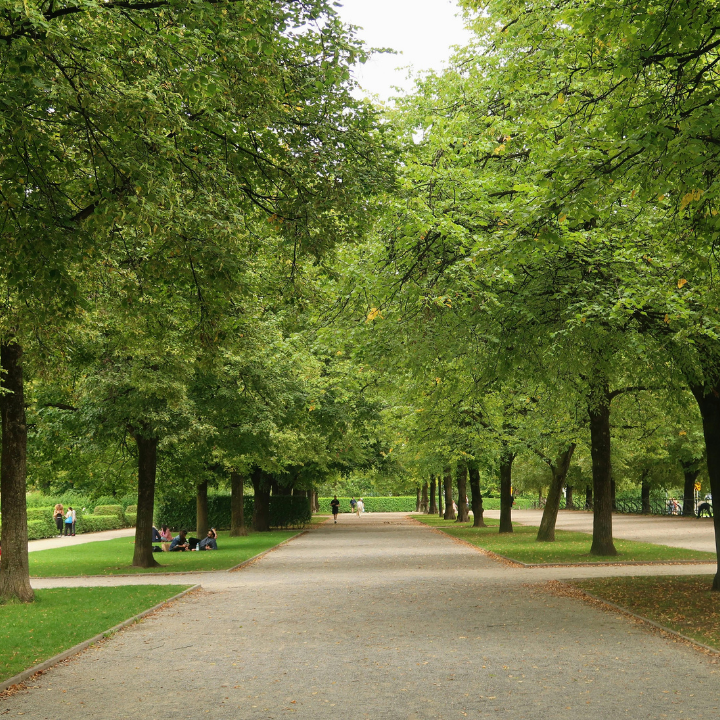
This is where the two neighbourhoods diverge most sharply. Summerhill offers an abundance of parkland for a central neighbourhood: David A. Balfour Park spans over 50 acres, Rosehill Reservoir Park features a children's playground and reflecting pools, the Vale of Avoca Ravine offers nature trails, and the Toronto Lawn Tennis Club and Lionel Conacher Park round out the recreational options. Yorkville's green space is limited to urban parkettes — the trade-off of its high-density luxury character. For buyers who prioritize outdoor space, this is one of the clearest distinctions between the two.
Choose Summerhill if:
You want a heritage house with a front door to a quiet, tree-lined street
Parks, ravines, and green space within walking distance matter to you
You're a family or want a genuine residential community
You prefer neighbourhood character over luxury-retail intensity
You want central walkability and subway access in a calmer setting
Which Should You Choose?
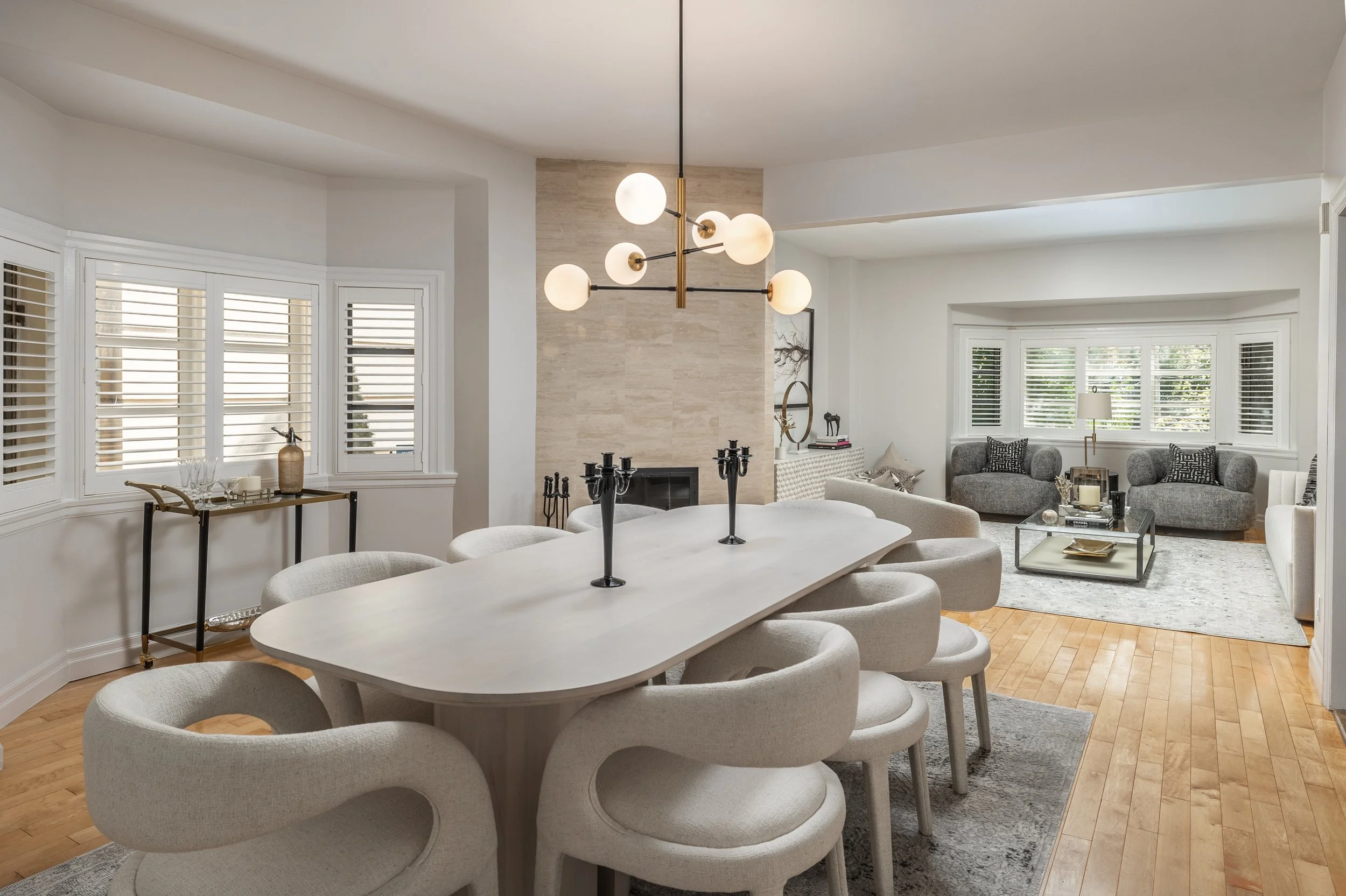
Choose Yorkville if:
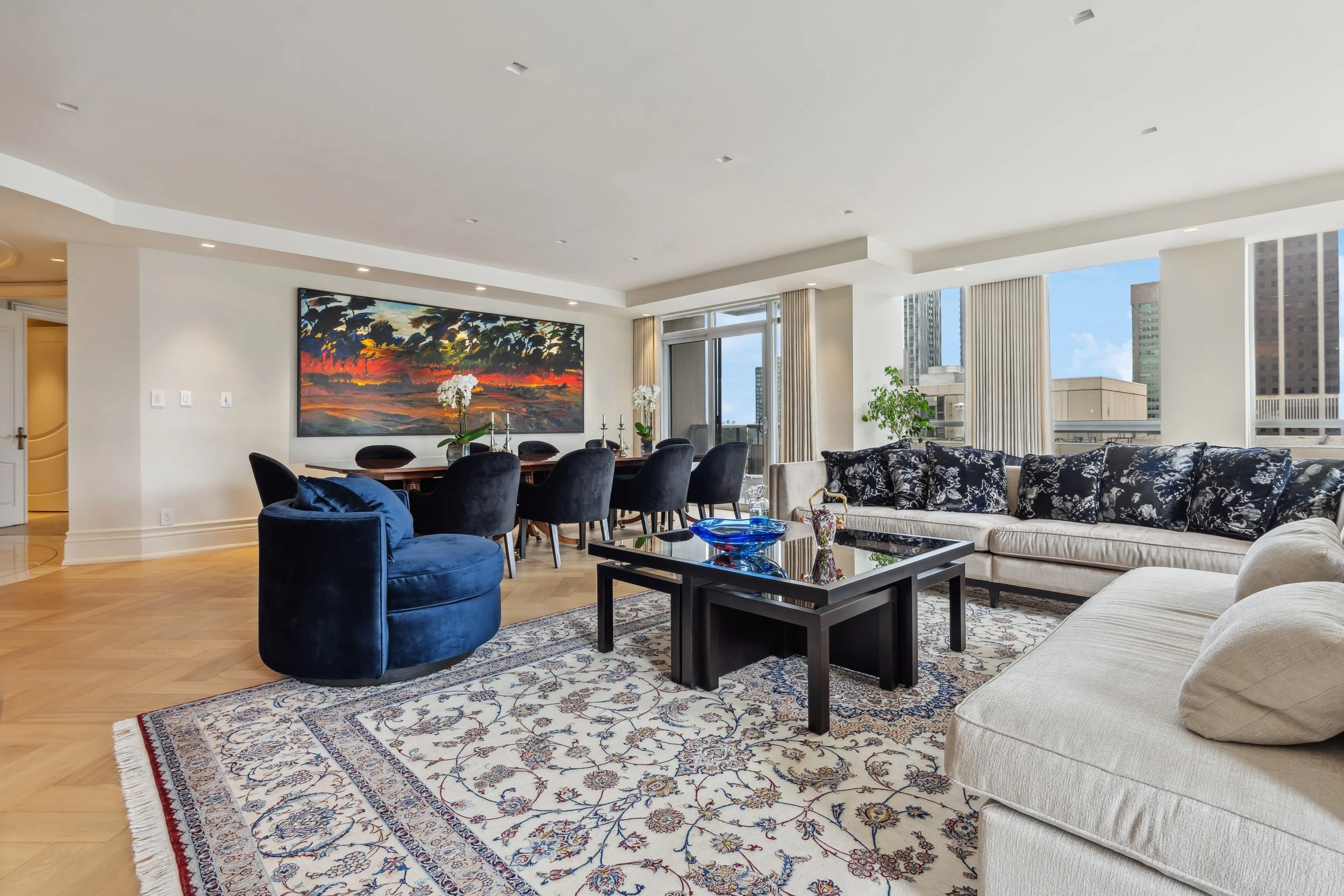
You want a luxury condo with concierge service and building amenities
World-class shopping and fine dining at your doorstep is a priority
You value lock-and-leave convenience over outdoor space
You want the energy of a bustling, central luxury district
You're a downsizer, international buyer, or professional who wants central-Toronto luxury without a house to maintain
Questions to Ask Yourself:
Do you want a condo or a house? (This alone resolves most of the decision.)
Is luxury retail at your door a priority, or do you prefer parks and quiet?
Are you buying for family life, or for lock-and-leave convenience?
Do you want urban energy, or residential calm?
The condo-versus-house question usually settles it. If you want a building, it's Yorkville; if you want a house, it's Summerhill. The rest is refinement.

Meet the Real Estate Specialists: Paul Maranger & Christian Vermast
Paul Maranger and Christian Vermast co-founded Paul & Christian Associates and have represented buyers and sellers across both Yorkville and Summerhill for two decades, backed by $1 billion in career sales and the Sotheby's International Realty global network. Because the team works actively in both - Yorkville's condo market and Summerhill's heritage-house market are very different specialties - they can give you a genuinely informed read on which fits your life, and access to listed and off-market inventory in each.
Start Your Toronto Luxury Home Search
Whether you are buying, selling, or comparing neighbourhoods before you decide, we are happy to talk. We do not run discovery calls as sales pitches. They are working conversations about what you want and which neighbourhoods make sense.
Frequently Asked Questions: Yorkville vs Summerhill
-
Both sit among central Toronto's more expensive neighbourhoods, but they price differently because they sell different housing. Yorkville's market is condo-driven, while Summerhill's is house-driven, with heritage detached homes at the top of its range. Direct comparison is less meaningful than comparing the specific property type you want - a luxury Yorkville condo and a Summerhill heritage house can both command premium pricing in their respective markets.
-
Summerhill is the clearer fit for families. It offers heritage houses with space, an abundance of parks (including the 50-acre David A. Balfour Park and Rosehill Reservoir Park), good schools, and a residential community rhythm. Yorkville is condo-dominant with limited family-sized inventory and a demographic skewed toward downsizers and professionals, making it less suited to family life.
-
The fundamental difference is house versus condo, and atmosphere. Yorkville is a high-density luxury district - roughly 80% condos, anchored by the Mink Mile and world-class dining, bustling and urban. Summerhill is a quiet residential neighbourhood of Victorian and Edwardian heritage houses on tree-lined streets, rich in parkland. They're a short walk apart but offer opposite lifestyles.
-
Both are highly walkable. Yorkville is among Toronto's most walkable areas, with the Mink Mile, dining, and four subway stations (Bay, Bloor-Yonge, Museum, St. George) at the doorstep. Summerhill has a Walk Score of 87 and Transit Score of 86, with the Yonge Street corridor and Summerhill station providing direct downtown access. Yorkville has broader transit options; Summerhill offers walkability in a quieter setting.
-
Yes - Summerhill is unusually rich in green space for a central Toronto neighbourhood. David A. Balfour Park spans over 50 acres, Rosehill Reservoir Park features a children's playground and reflecting pools, the Vale of Avoca Ravine offers nature trails, and the Toronto Lawn Tennis Club and Lionel Conacher Park add further recreation. This parkland abundance is one of Summerhill's clearest advantages over Yorkville.
-
Yorkville's inventory is roughly 80% condo apartments, with limited house inventory - mostly preserved Victorian and Edwardian townhouses on a few streets. Buyers who specifically want a house in central Toronto will find far more options in Summerhill, which is predominantly a house neighbourhood. Yorkville suits buyers who want a luxury condo rather than a house.
-
Summerhill takes its name from Summer Hill, the estate of Charles Thompson, whose 200-acre property and 1842 Summer Hill house gave the area its identity. The neighbourhood was annexed by the City of Toronto in 1903, and the historic North Toronto railway station (built in the 1880s, now the Summerhill LCBO) became Summerhill subway station in 1954.
-
Both serve downsizers, but differently. Yorkville suits downsizers who want concierge condo luxury, building amenities, lock-and-leave convenience, and luxury retail at the door. Summerhill suits downsizers who want a boutique low-rise condo or townhome in a quieter, character-rich neighbourhood with parks nearby. The choice depends on whether you want a luxury building or a quieter residential setting.
Explore Both Neighbourhoods in Depth
Here are more details on both neighbourhoods:
Yorkville Real Estate Guide - the Mink Mile, the named buildings, and the luxury condo market
Summerhill Real Estate Guide - the heritage houses, the LCBO, Rathnelly, and the parks
All Toronto Luxury Neighbourhoods - compare across the full set
Whether you are buying, selling, or comparing neighbourhoods before you decide, we are happy to talk. We do not run discovery calls as sales pitches - they are working conversations about what you want and how Yorkville or Summerhill fits.
Get a custom valuation for your home - most useful if you are considering selling within 12 months
Start your home search in Yorkville or Summerhill with us - for buyers actively looking
Read Paul Maranger and Christian Vermast's full bio - to understand how the team operates