

Forest Hill vs Rosedale: Which Toronto Luxury Neighbourhood Is Right for You?
Paul Maranger and Christian Vermast, Brokers and Executive Vice Presidents of Sales, Sotheby's International Realty Canada
The Short Answer
Forest Hill and Rosedale are two of Toronto's most sought-after luxury neighbourhoods, both offering high-end family living in central locations; and buyers regularly weigh them against each other. The decision usually comes down to this: choose Forest Hill if top-tier private schools and a walkable village main street are your priority; choose Rosedale if you want heritage architecture, ravine-bordered privacy, and the shortest commute to downtown Toronto.
Quick Snapshot: Forest Hill and Rosedale
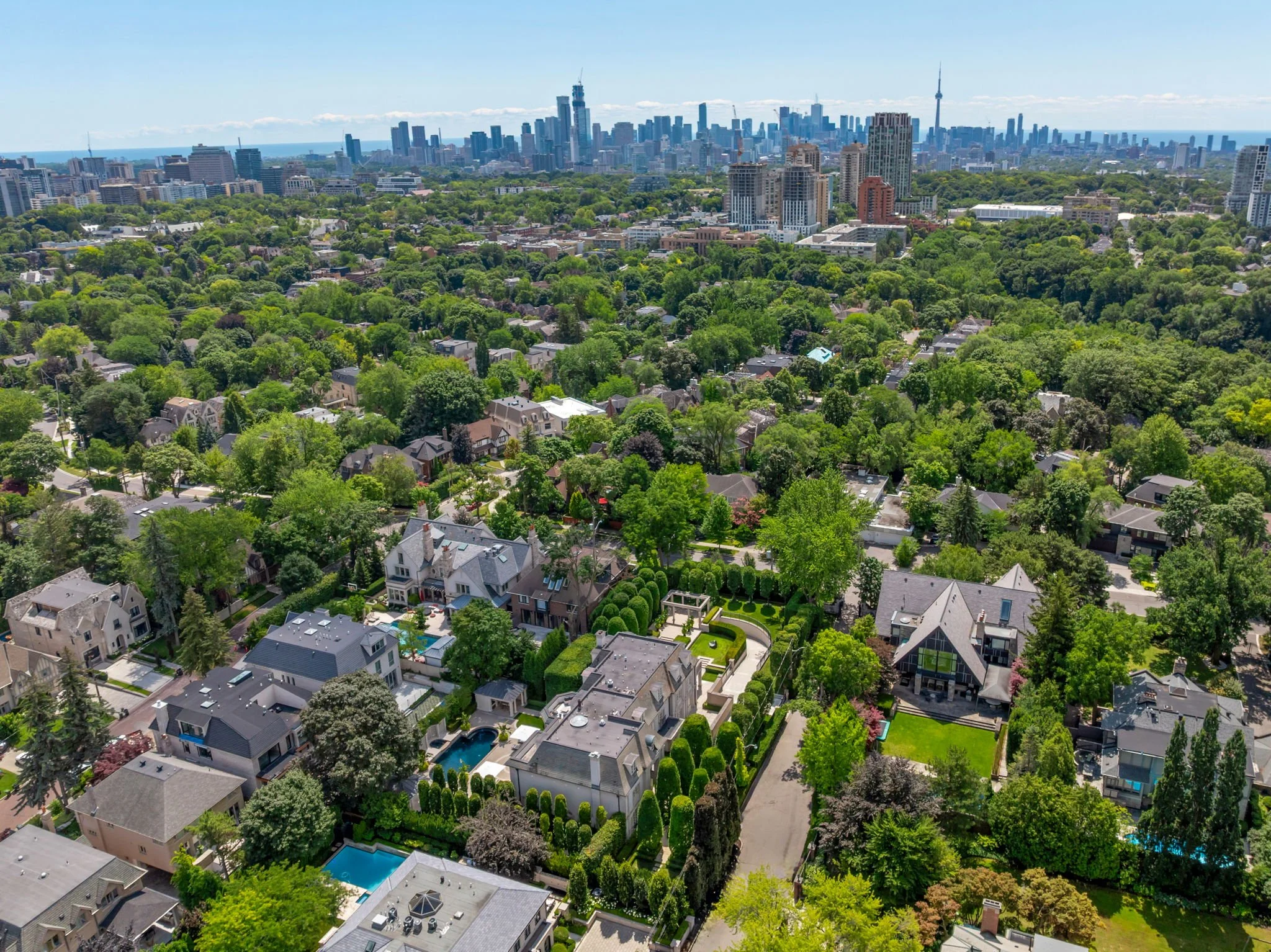
Forest Hill has wider boulevards, a more modern and family-focused reputation, and a genuine village main street at its centre. Rosedale has a more historic, secluded charm, bordered by ravines and laced with the kind of green privacy that defines it. Both are central, both are prestigious, both are family-oriented; the contrast is between Forest Hill's village convenience and school anchors versus Rosedale's heritage formality and ravine setting.
Forest Hill in one line: Families prioritizing private schools and walkable village life.
Rosedale in one line: Heritage buyers and executives prioritizing ravine privacy and a short downtown commute.
| Forest Hill | Rosedale | |
|---|---|---|
| Best known for | Private schools (UCC, BSS), Forest Hill Village | Ravines, heritage homes, downtown proximity |
| Architecture | Georgian, Tudor, English Cottage, apartments, contemporary infill | Edwardian, Queen Anne, Georgian heritage |
| Feel | Wider boulevards, more urban, family-focused | Historic, secluded, park-oriented |
| Typical buyer | Families prioritizing schools | Executive families, heritage buyers |
| Commute downtown | Moderate (St. Clair West station, bus routes) | Short (~10 min via Rosedale station) |
| Green space | The Beltline Trail, tree-lined streets | Ravine system, Don Valley trail network |
| Retail | Forest Hill Village small-town district | Main-street node with 180+ businesses |
| Incorporated | Village in 1923 | Among Toronto's oldest planned suburbs |
Forest Hill Overview
Forest Hill was incorporated as a village in 1923 and retains a genuine village character to this day. Its centre is Forest Hill Village; a small-town shopping district at the Spadina Road and Lonsdale Road area, with specialty food shops, restaurants, cafes, service businesses, and everyday conveniences within walking distance of the surrounding residential streets. This walkable village core, combined with the neighbourhood's wider boulevards and mature trees, gives Forest Hill a more urban, family-focused feel than Rosedale's secluded heritage streets.
The neighbourhood's defining anchor is its schools. Forest Hill is known for its proximity to top-tier private schools - Upper Canada College (boys) and Bishop Strachan School (girls), two of Canada's most prestigious - alongside TDSB public schools including Forest Hill Junior and Senior Public School, which serves JK to Grade 8. For families whose decision centres on private education, Forest Hill's walking-distance access to UCC and BSS is genuinely difficult to replicate anywhere else in the city.
-
Forest Hill North has a lower average price point than Forest Hill South, with a somewhat more varied housing mix and a slightly more accessible entry into the neighbourhood. Buyers seeking a Forest Hill address at a more attainable tier often focus here.
-
Forest Hill South is the priciest area of the three, with a high concentration of single-detached heritage homes - roughly 53% built before 1960 - on the prestigious streets closest to the village and the private schools. This is the submarket buyers usually mean when they refer to "prime" Forest Hill.
-
Lower Forest Hill (the southern portion approaching the St. Clair corridor) blends the neighbourhood's residential character with closer proximity to St. Clair West station and the transit corridor.
Rosedale Overview
-
![]()
An Iconic Toronto Enclave
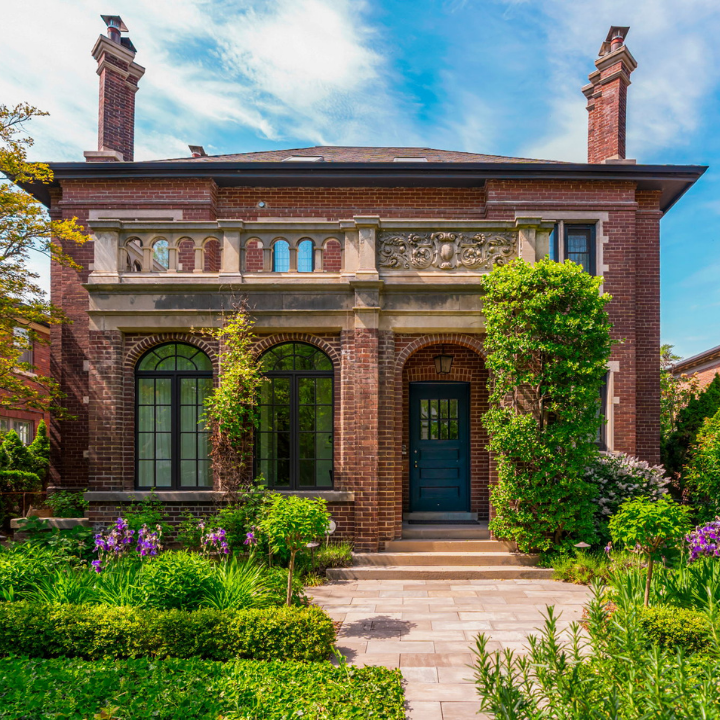
Rosedale is characterized by historic and secluded charm. It is one of Toronto's oldest and most established planned residential suburbs, bordered by ravines and parks that give it a uniquely green, private character. The neighbourhood's streets - Crescent Road, Park Road, and the winding residential streets that follow the ravine topography - are lined with historic Edwardian, Queen Anne, and Georgian homes, many protected within Rosedale's Heritage Conservation District designations. -
![]()
Rosedale's Retail & Dining Scene
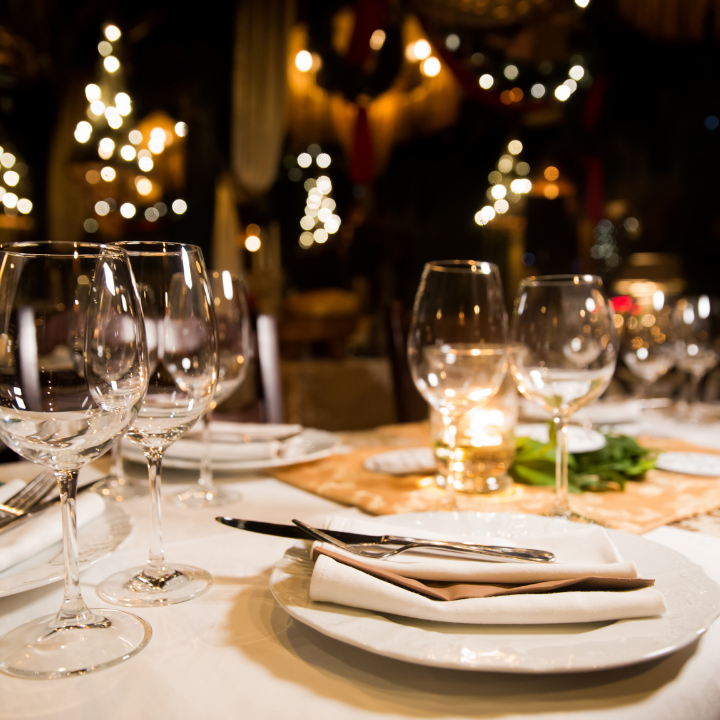
Rosedale's retail sits along its main-street node, which carries over 180 businesses - restaurants, specialty retailers, food stores, and service businesses - concentrated more at the neighbourhood's edges (toward Yonge Street and the Summerhill area) than in a central village core like Forest Hill's. The interior of Rosedale is more purely residential and quiet, which is precisely what many of its buyers want. -
![]()
An Unmatched Location
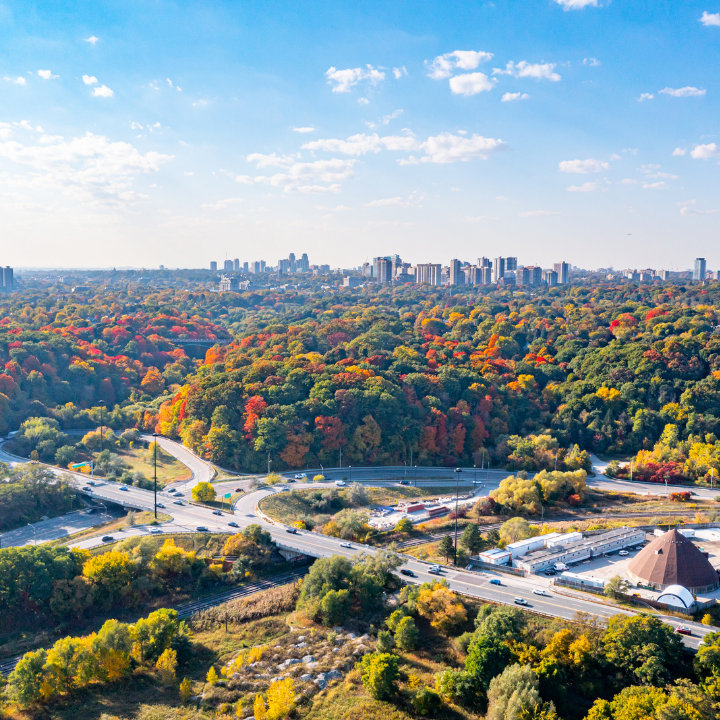
The neighbourhood is closer to downtown Toronto than Forest Hill, with Rosedale station providing a roughly 10-minute subway commute to Bay Street. For executives who value a short, reliable commute, this proximity is a meaningful draw. Rosedale also connects to the Don Valley trail network through its ravine system, giving residents direct access to one of central Toronto's most extensive green corridors. -
![]()
Access to Top-Tier Schools
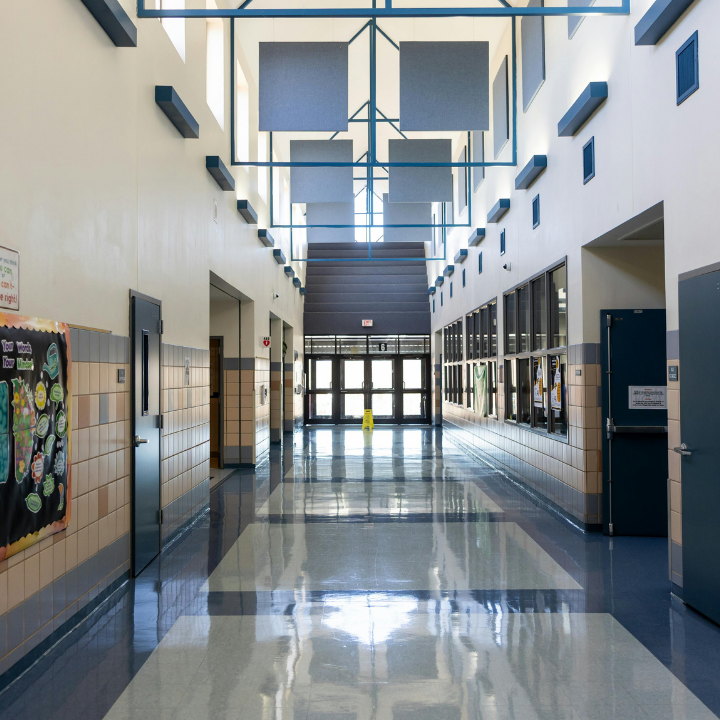
Rosedale offers a mix of prestigious public schools and is within reach of private options including Branksome Hall. Rosedale Junior Public School serves JK to Grade 6 within the neighbourhood.
The Differences That Actually Matter
-
Forest Hill's single biggest differentiator is private school access. Upper Canada College and Bishop Strachan School sit within or immediately adjacent to the neighbourhood, and for families whose decision centres on these institutions, walking-distance proximity is decisive. Rosedale's school access is strong - Branksome Hall and top public catchments including Rosedale Junior Public School - but it doesn't carry Forest Hill's concentration of marquee private schools.
-
Rosedale is bordered by ravines and parks, with a secluded, garden-like character and connections to the Don Valley trail network. Properties backing onto the ravines command significant premiums for the privacy and natural setting. Forest Hill is leafy and tree-lined with access to the Beltline Trail, but it doesn't have Rosedale's immersive ravine topography.
-
Rosedale sits closer to downtown Toronto, with a roughly 10-minute subway commute to Bay Street via Rosedale station. Forest Hill is more midtown, with a longer commute via St. Clair West station, bus routes, and the surrounding transit connections. For downtown commuters, Rosedale has the edge.
-
Forest Hill Village gives the neighbourhood a walkable, small-town shopping district at its centre; food shops, restaurants, and everyday conveniences within walking distance. Rosedale's retail is concentrated at its edges along its 180-plus-business main street, with a quieter, more purely residential interior. Forest Hill offers village convenience; Rosedale offers heritage formality and quiet.
-
Rosedale's architecture is more uniformly heritage; Edwardian, Queen Anne, and Georgian homes within Heritage Conservation Districts. Forest Hill offers more variety: heritage stock alongside contemporary infill, apartments, and architect-designed modern homes. Buyers wanting protected heritage uniformity lean Rosedale; buyers wanting variety or contemporary options lean Forest Hill.
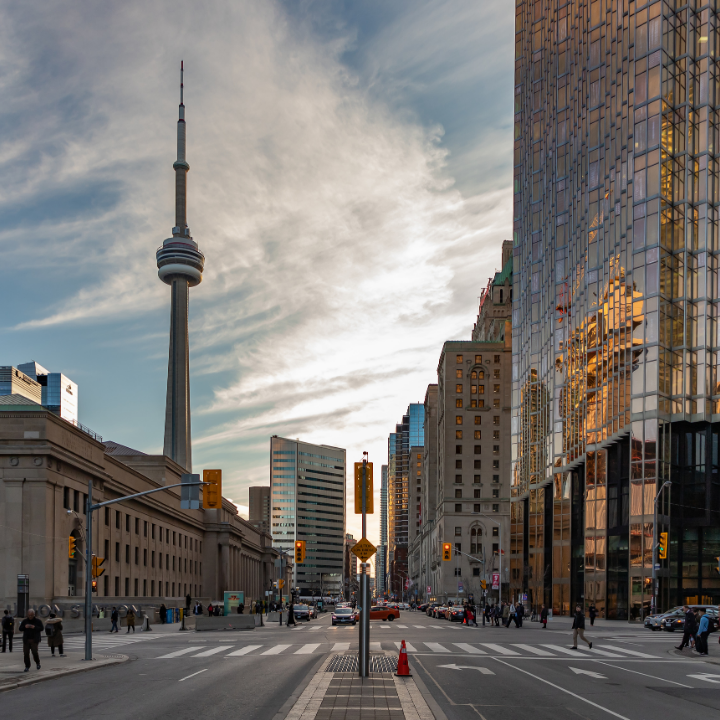
Lifestyle, Amenities & Daily Life Comparison
Both neighbourhoods have solid transit, but Rosedale's is more directly downtown-oriented, with Rosedale station connecting to Bay Street in roughly 10 minutes. Forest Hill is served primarily by St. Clair West station and numerous bus routes along Eglinton Avenue West and Spadina Road.
For a buyer whose daily rhythm centres on downtown, Rosedale's commute advantage is real. For a buyer whose rhythm centres on midtown, schools, and the village, Forest Hill's transit is more than adequate. The practical advice: test the peak-hour commute from any specific home before you buy, since both neighbourhoods are large enough that commute times vary by street.
Transit, Commute & Downtown Access
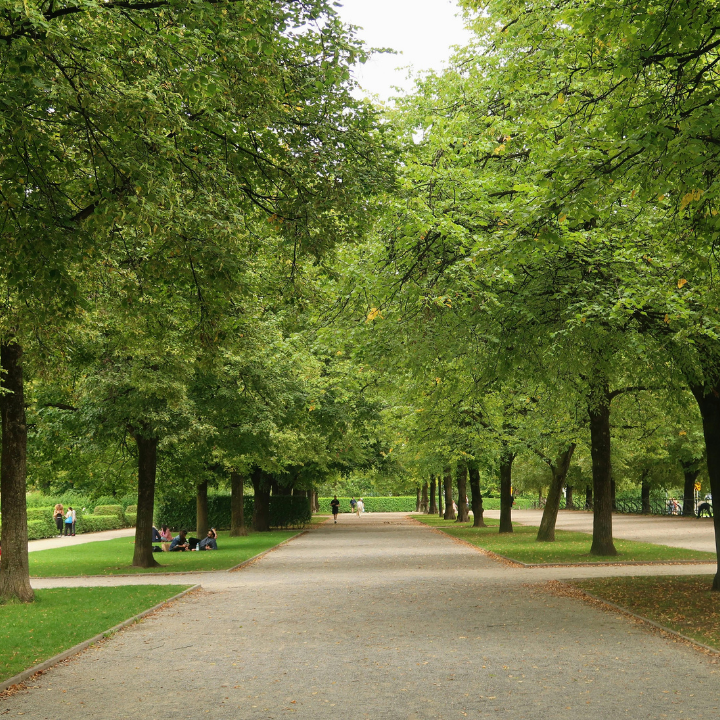
Green Space, Parks & Ravines
Rosedale's green character comes from its ravine system - the neighbourhood is bordered by ravines and parks and connects to the Don Valley trail network, giving residents immersive nature access from many streets. Forest Hill's green character comes from its mature tree-lined streets and its access to the Beltline Trail, the multi-use nature trail built on the former Belt Line railway corridor that runs through Toronto's midtown.
For buyers who prioritize immersive ravine access, Rosedale leads. For buyers who want tree-lined streets plus a dedicated walking and cycling trail, Forest Hill's Beltline access is a genuine amenity.
What About Lawrence Park?
Buyers comparing Forest Hill and Rosedale often also consider Lawrence Park - Toronto's other great family-luxury neighbourhood. Lawrence Park is quieter and more suburban in feel than either, with a strong public-school anchor (Lawrence Park Collegiate Institute) and its own ravine-and-garden-suburb character as Canada's first planned garden suburb. If your priorities lean toward a quieter, more purely residential family setting with top public schools, it's worth reading our Lawrence Park guide alongside this comparison.
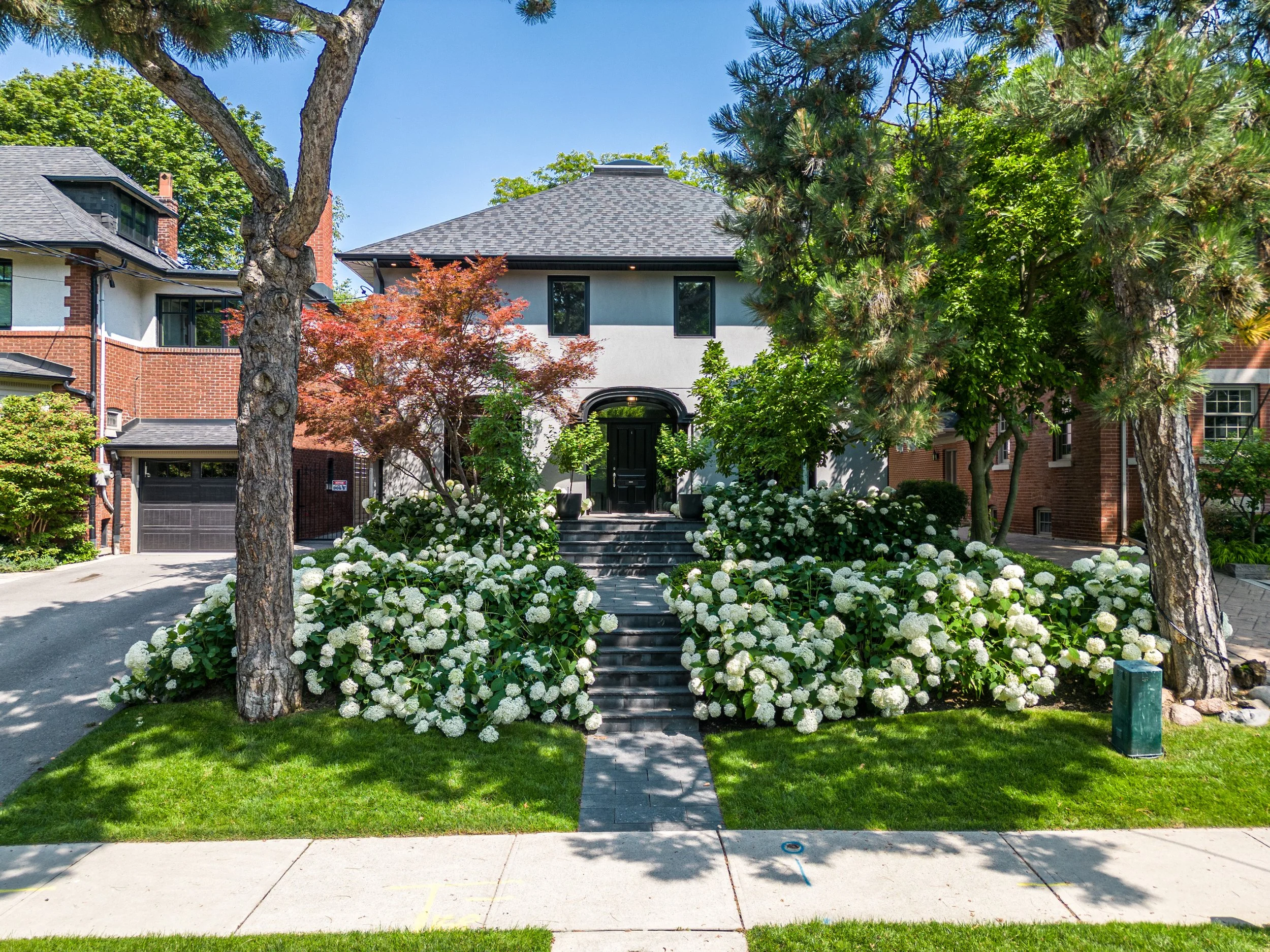
Choose Forest Hill if:
Private school access (UCC, Bishop Strachan) is central to your decision
You want a walkable village main street with daily amenities in your own neighbourhood
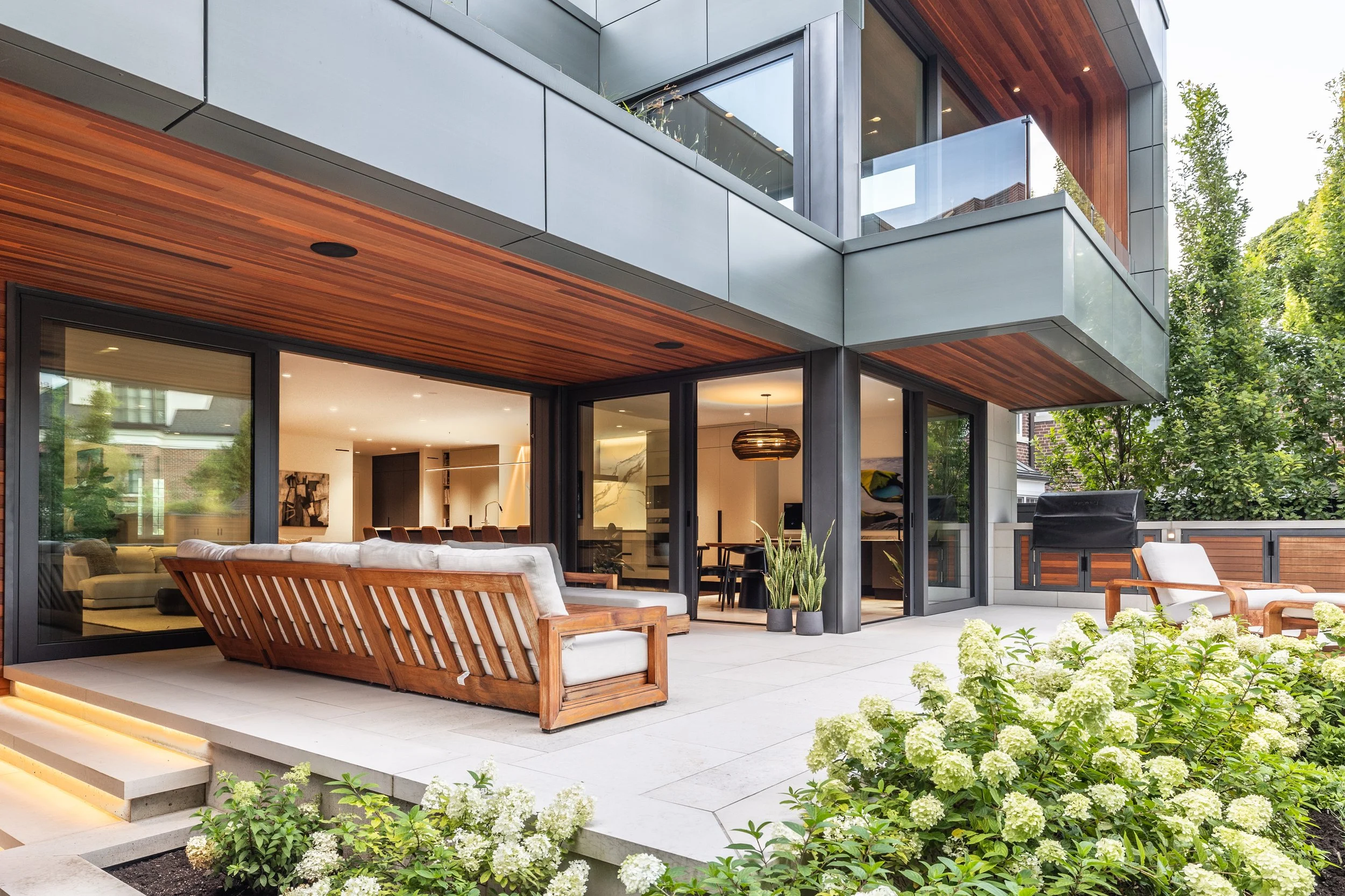
You value architectural variety, including contemporary homes
Your daily rhythm centers on midtown and the school ecosystem
Which Should You Choose?
Choose Rosedale if:
You want a ravine-bordered, naturally secluded setting
A short subway commute to downtown Toronto matters to you
You prefer intact, protected heritage architecture
You want a quieter, more purely residential interior
Questions to Ask Yourself:
Are private schools a primary driver, or are strong public schools sufficient?
Do you want a walkable village at your door, or do you prefer quiet residential streets?
How important is a short downtown commute to your daily life?
Do you want heritage character specifically, or are you open to contemporary architecture?
If you're still torn after those questions, you're in good company - many executive families genuinely fit both, and the decision often comes down to which specific homes are available when you're buying. That's exactly when working with a team active in both neighbourhoods pays off.
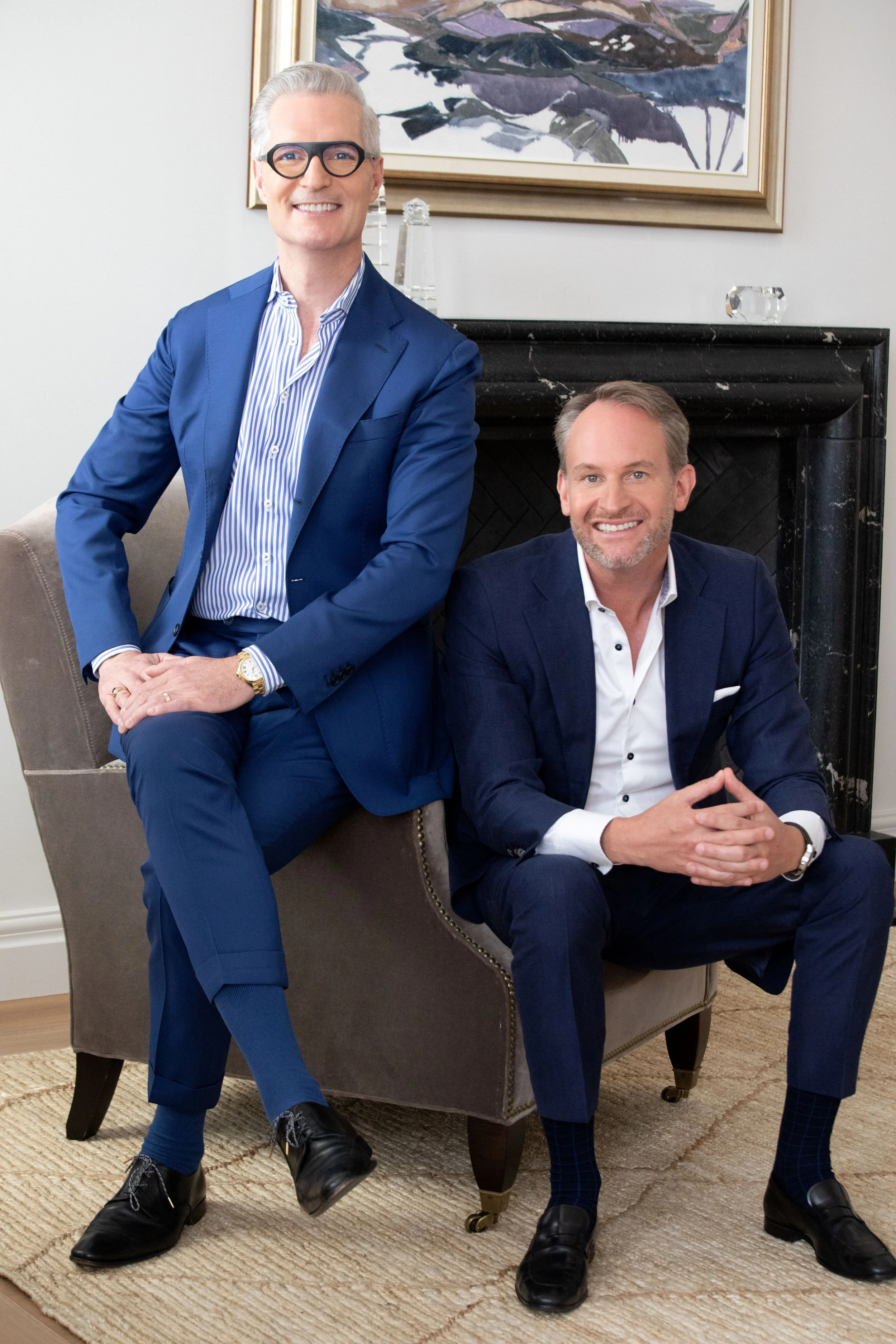
Meet the Real Estate Specialists: Paul Maranger & Christian Vermast
Paul Maranger and Christian Vermast co-founded Paul & Christian Associates and have represented buyers and sellers across both Forest Hill and Rosedale for two decades, backed by $1 billion in career sales and the Sotheby's International Realty global network. Because the team works actively in each Toronto neighbourhoods, they give a genuinely neutral read on which fits your priorities; and access to both listed and off-market inventory in each.
Start Your Toronto Luxury Home Search
Whether you are buying, selling, or comparing neighbourhoods before you decide, we are happy to talk. We do not run discovery calls as sales pitches. They are working conversations about what you want and which neighbourhoods make sense.
Frequently Asked Questions: Forest Hill vs Rosedale
-
Both sit among Toronto's most expensive neighbourhoods, pricing two to three times above the city average. Within Forest Hill, Forest Hill South is the priciest submarket, with Rosedale-Moore Park homes pricing just below it and Forest Hill North at a more accessible tier. Neither neighbourhood is categorically cheaper than the other - pricing varies more by street, lot size, and architectural quality within each than between them.
-
Both are excellent for families and both are family-oriented. Forest Hill has the edge for families prioritizing private schools, given its walking-distance access to Upper Canada College and Bishop Strachan School. Rosedale suits families who want a ravine setting, a short downtown commute, and access to Branksome Hall and strong public catchments. The decision usually comes down to school priorities and whether you prefer a village core or a ravine setting.
-
Rosedale is closer to downtown, with a roughly 10-minute subway commute to Bay Street via Rosedale station. Forest Hill is more midtown, served by St. Clair West station and numerous bus routes, with a longer commute to the core. For downtown commuters, Rosedale has the advantage.
-
Yes, both - but differently. Forest Hill is anchored by Upper Canada College and Bishop Strachan School (private) plus TDSB public schools including Forest Hill Junior and Senior Public School (JK-8). Rosedale offers Branksome Hall (private) and strong public catchments including Rosedale Junior Public School (JK-6). Forest Hill carries the higher concentration of marquee private schools.
-
Forest Hill South is the priciest submarket, with a high concentration of single-detached heritage homes (roughly 53% built before 1960) on the prestigious streets near the village and private schools. Forest Hill North has a lower average price point and a more varied housing mix, offering a more accessible entry into the Forest Hill address. The submarket distinction matters as much as the neighbourhood name for pricing.
-
It depends on preference. Rosedale offers more uniformly protected heritage - Edwardian, Queen Anne, and Georgian homes within Heritage Conservation Districts. Forest Hill offers more variety: heritage stock alongside contemporary infill, apartments, and architect-designed modern homes. Buyers wanting protected heritage lean Rosedale; buyers wanting variety lean Forest Hill.
-
Many buyers comparing Forest Hill and Rosedale also look at Lawrence Park, which offers a quieter, more suburban family setting with a strong public-school anchor (Lawrence Park Collegiate) and garden-suburb character. If a quieter residential feel and top public schools rank high for you, Lawrence Park is worth comparing alongside the other two.
Explore Both Neighbourhoods in Depth
Here are more details on both neighbourhoods:
Forest Hill Real Estate Guide - schools, village, submarkets, architecture, and market
Rosedale Real Estate Guide - the ravine system, heritage, and market
Lawrence Park Real Estate Guide - the quieter family-luxury alternative
All Toronto Luxury Neighbourhoods - compare across the full set
Whether you are buying, selling, or comparing neighbourhoods before you decide, we are happy to talk. We do not run discovery calls as sales pitches - they are working conversations about what you want and how Forest Hill or Rosedale fits.
Get a custom valuation for your home - most useful if you are considering selling within 12 months
Start your home search in Forest Hill or Rosedale with us - for buyers actively looking
Read Paul Maranger and Christian Vermast's full bio - to understand how the team operates