

South Hill Real Estate: A Buyer and Seller's Guide to Toronto's Quiet Luxury Neighbourhood
Paul Maranger and Christian Vermast, Brokers and Executive Vice Presidents of Sales, Sotheby's International Realty Canada
Who Sells Homes in South Hill?
South Hill operates as one of Toronto's quietest, most stable luxury markets. The neighbourhood is small, the housing stock combines turn-of-the-century estates and mansions with luxury condos, and the buyer pool skews toward established families and empty-nesters who hold properties for decades.
Inventory is genuinely constrained - fewer than 3 months of supply at typical points in the cycle - and most transactions occur quietly between buyers who know the neighbourhood and sellers who have lived there for years. Selling here requires understanding what intact heritage architecture commands, how South Hill sits relative to Casa Loma and Forest Hill, and how to position a property for a buyer pool that values quiet character and established community above almost everything else.
Inside the South Hill Market
Paul & Christian Associates have specialized in central Toronto's heritage luxury neighbourhoods for two decades, with both Paul Maranger and Christian Vermast representing buyers and sellers throughout South Hill and the surrounding area. Backed by $1 billion in career sales and the Sotheby's International Realty global network, we help sellers find the right buyer for heritage homes and help buyers navigate one of Toronto's quietest luxury enclaves.
What is South Hill Known For?
South Hill is one of Toronto's quietest luxury neighbourhoods - a small, established residential enclave just east of Casa Loma, known for its concentration of turn-of-the-century estates, mansions, and grand homes on winding, treed streets. The neighbourhood is defined by the Nordheimer Ravine and Sir Winston Churchill Park along its western edge, direct subway access at Dupont and St. Clair West stations, and a quiet suburban feel that has made it a preferred location for seniors, empty-nesters, and established families.
South Hill operates as a stable, luxury-driven balanced market characterized by limited inventory, heritage architecture, and family incomes approximately double the city average.
-
South Hill developed as an extension of the early 20th-century mansion building that shaped the streets around Casa Loma. Most of the neighbourhood's housing stock was built between 1890 and 1920, during the era when Toronto's wealthiest families built substantial homes on the rising ground south of St. Clair Avenue.
The neighbourhood takes its name from its geographic position; the "south" slope of the hill that culminates in Casa Loma and the broader Casa Loma escarpment. As Toronto grew through the 20th century, South Hill remained a residential enclave protected by its compact size, its ravine boundaries, and the established character of the community that has lived there for generations.
-
South Hill sits in central Toronto, generally bounded by St. Clair Avenue to the north, Avenue Road to the east, the Dupont area to the south, and the Nordheimer Ravine and Sir Winston Churchill Park to the west. The neighbourhood is small - a compact residential pocket rather than an expansive luxury district - and is defined as much by what surrounds it as by what it contains.
Casa Loma sits immediately to the west, with the famous castle and the surrounding heritage streets visible from much of South Hill. Forest Hill sits to the northwest, sharing some of South Hill's architectural and community character. Yorkville is a short distance south, providing access to dining and retail when residents want it.
-
The western edge of South Hill is defined by the Nordheimer Ravine and Sir Winston Churchill Park - a substantial green space that gives the neighbourhood direct access to nature and contributes to its quiet residential character. Sir Winston Churchill Park features tennis courts, a wading pool, walking trails, and the kind of mature park infrastructure that supports daily community life. The ravine system connects to the broader Toronto ravine network, providing residents with green-space access at a scale unusual for a central Toronto neighbourhood. For South Hill, the park and ravine are not amenities - they are the geographic and community anchor that has shaped how the neighbourhood functions for over a century.
-
South Hill is distinct from its neighbours in important ways. It is smaller and quieter than Forest Hill, with no commercial corridor of its own. It is more established and lower-key than Yorkville, with no condo culture or luxury retail at its core. It is more residential and architecturally varied than the Casa Loma streetscape immediately to the west. What South Hill offers is a particular combination - heritage architecture, ravine and park access, subway proximity, and an established community that values quiet - that few other Toronto neighbourhoods deliver at this scale.
Architecture and Home Styles in South Hill
-
The defining stock in South Hill is the substantial single-family heritage home built between 1890 and 1920. These are typically grand two and three storey homes - often estate-scale by central Toronto standards - built in the Victorian late, Edwardian, Georgian Revival, and Tudor styles that defined Toronto's pre-war wealthy residential architecture. Many sit on generously sized lots set well back from the street, with mature landscaping and the kind of architectural detail (leaded windows, original woodwork, stone or brick facades) that defines the era. These homes change hands infrequently; when they do, they attract significant attention from buyers who have been waiting specifically for South Hill heritage.
-
South Hill has a meaningful luxury condo inventory, particularly along its peripheral streets and the corridors approaching St. Clair Avenue. The average condo listing price in South Hill is approximately $1,517,000, with some luxury options at higher tiers. Condos account for approximately 58% of recent sales in the neighbourhood; a higher share than the heritage-house core would suggest, reflecting the role of condo inventory in serving downsizers and buyers who want South Hill addresses without the maintenance of a heritage home.
-
A small share of South Hill's inventory is contemporary infill, where buyers acquired older properties and built new. Heritage character is generally protected in much of the neighbourhood, so contemporary builds tend to be architect-designed and built to a standard that respects the surrounding streetscape. Renovations of original 1890s-1920s homes are common; many South Hill homes now combine heritage exteriors with extensively updated interiors that meet contemporary expectations of mechanical systems, kitchens, and bathrooms.
South Hill's housing stock combines a mix of turn-of-the-century estates and mansions with luxury condos and the occasional contemporary infill. Many homes were built between 1890 and 1920, with architectural styles ranging across the Victorian, Edwardian, Georgian Revival, and Tudor vocabularies of that era.
Heritage Considerations and Renovation
For buyers, South Hill's heritage character carries practical considerations. Front facades, visible architectural details, and the overall streetscape are valued by the community and, in many cases, subject to municipal heritage considerations. Interior renovation and rear additions within appropriate envelopes are generally workable, but substantial massing changes or front-facade alterations require careful planning. Buyers planning major renovations should engage an architect with South Hill experience before submitting an offer.
The South Hill Streets and Pockets That Matter
-
![The Heritage Core]()
The Heritage Core
The streets in South Hill's residential core - the blocks set back from the major arterials and closest to Sir Winston Churchill Park - carry the strongest concentration of intact 1890s-1920s heritage homes and the largest lots in the neighbourhood. Properties on these streets command meaningful premiums over otherwise comparable inventory.
-
![The Ravine-Edge Streets]()
The Ravine-Edge Streets
Streets bordering the Nordheimer Ravine and Sir Winston Churchill Park offer something most South Hill properties cannot: direct green-space access and ravine views. Lots on these streets command additional premiums for the privacy, the visual amenity, and the quiet that the park provides.
-
![The Casa Loma-Adjacent Edge]()
The Casa Loma-Adjacent Edge
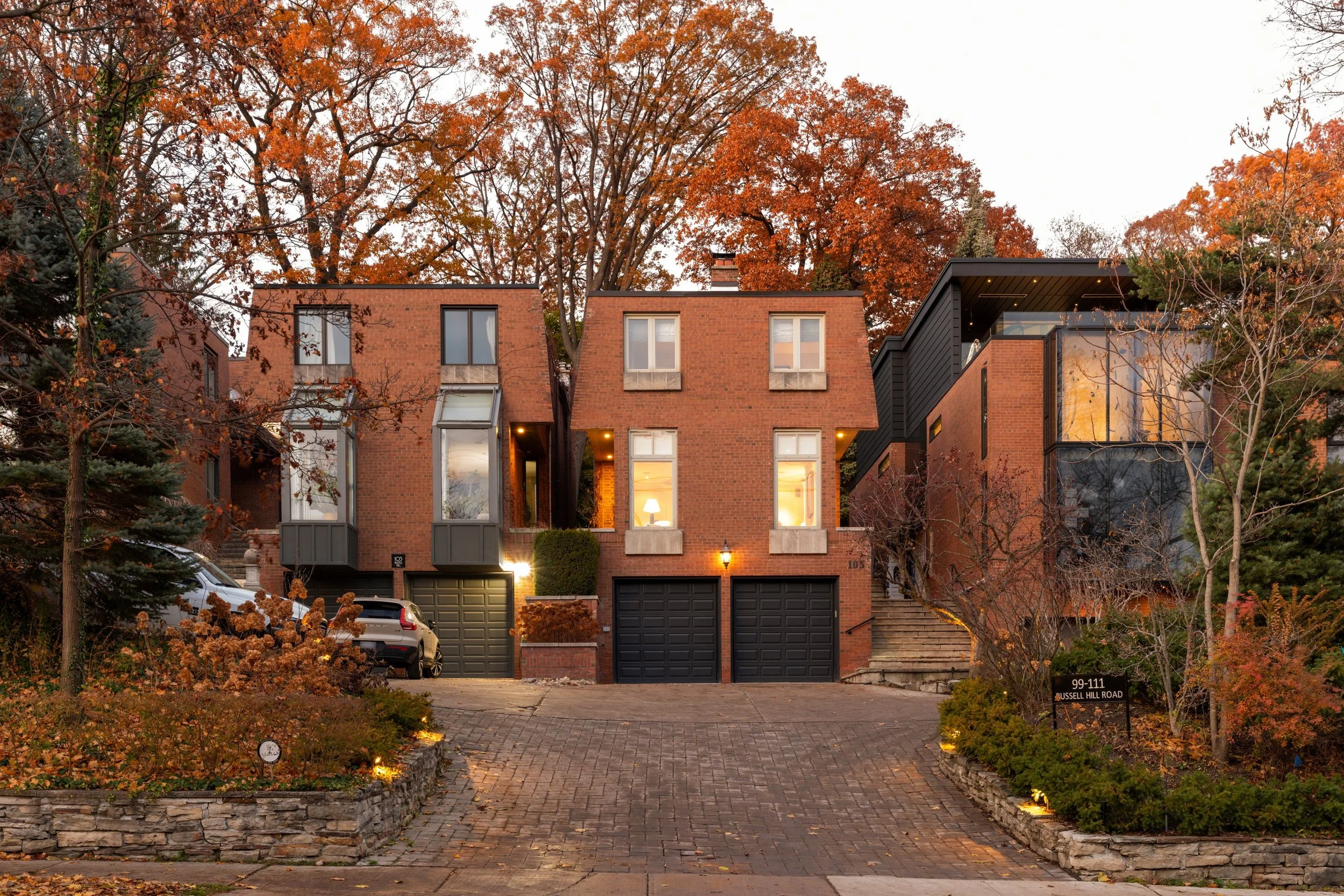
The streets on South Hill's western edge, transitioning toward Casa Loma, carry a particular character; heritage homes set against the dramatic backdrop of the castle and the surrounding Casa Loma streetscape. This pocket combines South Hill's quieter character with the architectural drama of one of Toronto's most recognizable landmarks immediately adjacent.


Schools in South Hill
South Hill offers access to a meaningful mix of school options, primarily through proximity to schools in surrounding neighbourhoods rather than within the neighbourhood itself.
Public School Catchments
The primary public schools serving South Hill are part of the Toronto District School Board and include catchment options shared with Forest Hill and the surrounding area. Specific catchment placement varies by property, and families should confirm current TDSB catchment maps for any home they are considering.
Catholic and Private School Options
Catholic education is available through the Toronto Catholic District School Board, with several Catholic schools serving the area. St. Michael's College School, one of Canada's most established Catholic boys' schools, is within reasonable distance. For private education, South Hill families have access to Upper Canada College and Bishop Strachan School in Forest Hill, Branksome Hall in Rosedale, and several other prestigious private schools within a short drive. The combination of public, Catholic, and private options gives South Hill families an unusually deep menu of educational choices and convenient access.
How Schools Shape the Market
South Hill's school positioning is part of why it appeals to established families; particularly families with multiple educational considerations across the public, Catholic, and private sectors. The depth of options within reasonable distance is one of the structural reasons the neighbourhood retains long-tenured family ownership.

Bishop Strachan School
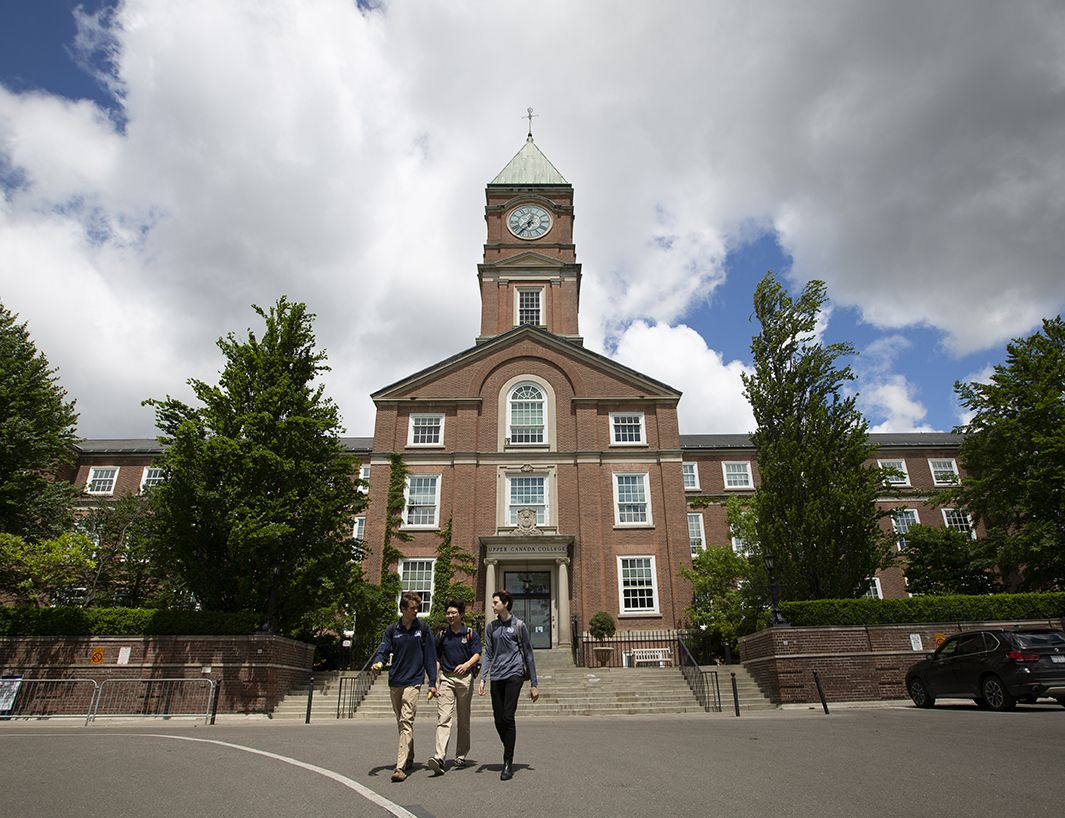
Upper Canada College
Lifestyle, Amenities, and What Daily Life Looks Like
South Hill is primarily residential, with most daily amenities located on the neighbourhood's periphery. This shapes how daily life works here; residents walk or drive to the surrounding commercial corridors rather than having retail within the residential interior.
Forest Hill Village, Yorkville, and Yonge & St. Clair
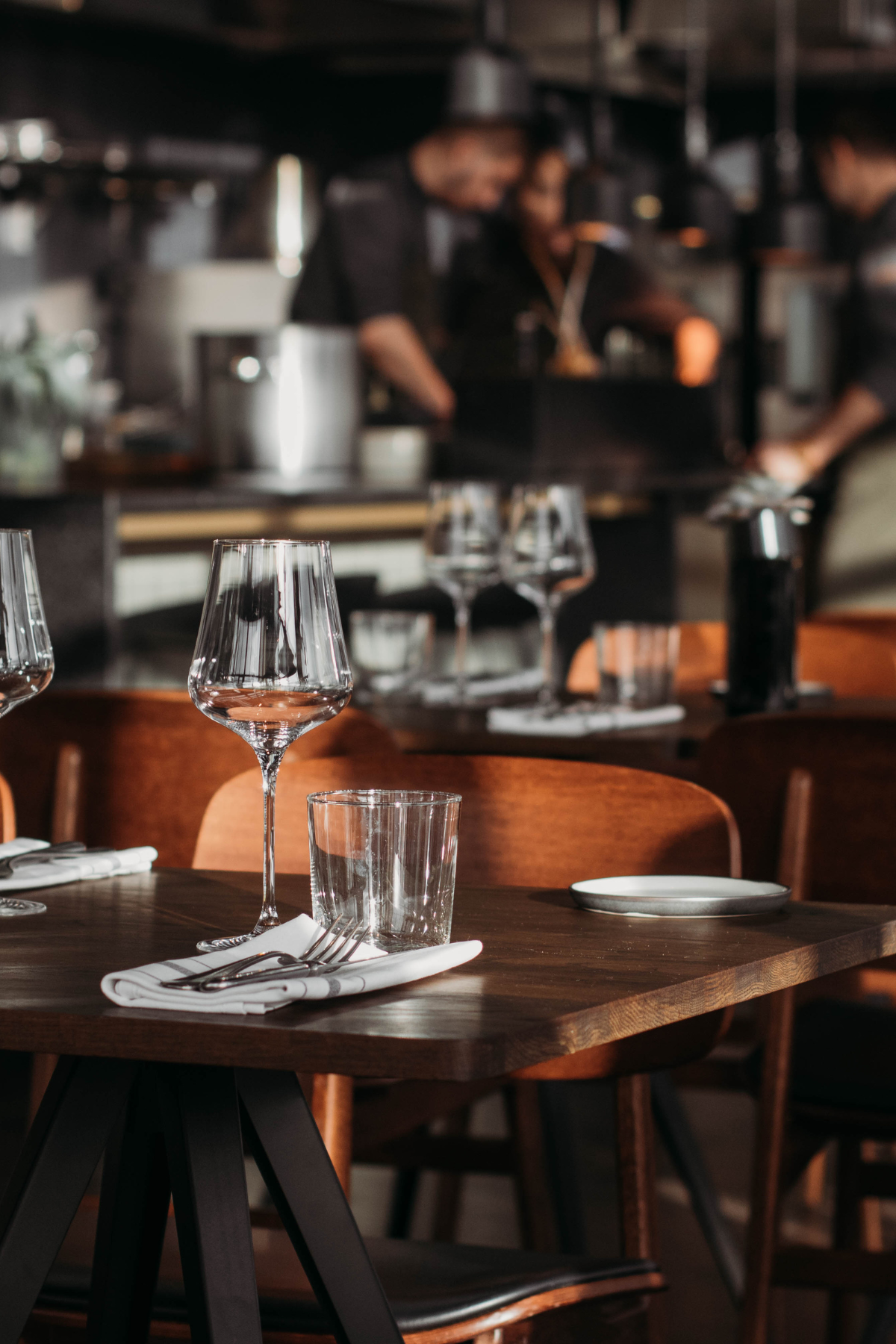
Most South Hill daily amenities are located on the neighbourhood's periphery in three distinct retail corridors. Forest Hill Village to the west offers specialty grocery, restaurants, cafes, and boutique retail in a walkable village setting. Yorkville to the south provides luxury retail, dining, and cultural amenities including the Royal Ontario Museum. Yonge and St. Clair to the east offers a more everyday retail mix, with grocery, restaurants, banks, and daily-use services. Together, these three corridors give South Hill residents access to one of the most diverse retail environments in central Toronto; without commercial intrusion within the residential interior itself.
Sir Winston Churchill Park and the Green Space Network
Sir Winston Churchill Park anchors the neighbourhood's green-space identity. Beyond tennis courts and the wading pool, the park provides walking trails, mature canopy, and connections into the broader Nordheimer Ravine system. For families with children, the park serves as the central daily-use facility - for older residents, it serves as the walking and recreational anchor. Few central Toronto neighbourhoods offer green-space access at this scale.

Walkability, Transit, and the Subway Access
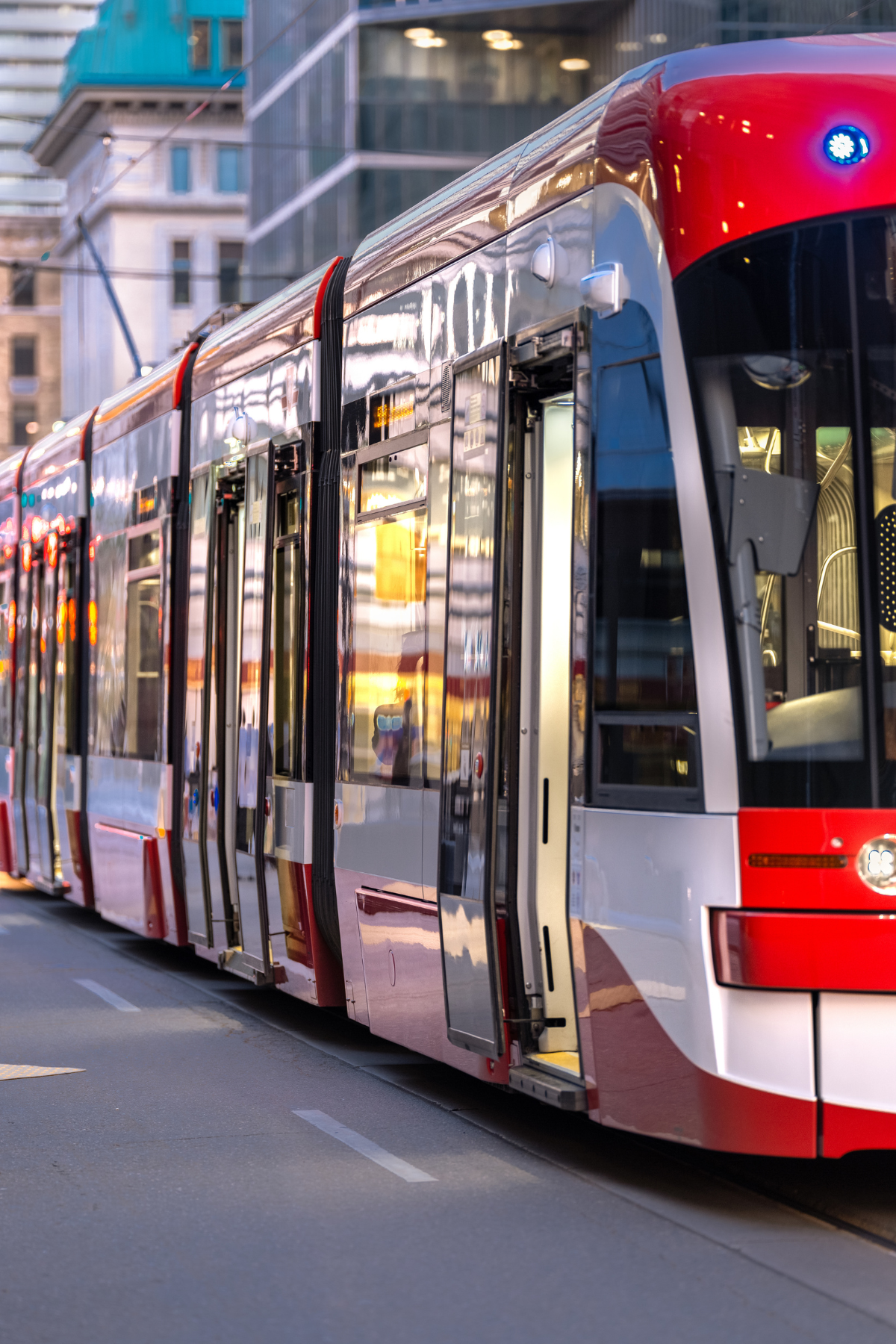
South Hill is highly transit-friendly, with Line 1 subway access at both Dupont Station and St. Clair West Station providing direct connections to downtown and across the city. The subway access makes daily commutes efficient and means that South Hill residents can choose to live without depending on a car; though most residents do own one for trips outside the immediate area. Within the neighbourhood, the quiet residential streets are pedestrian-friendly and connect to the park, the ravine system, and the surrounding retail corridors.
The Community Character
Chaplin Estates is well-served by transit, with both the existing Eglinton subway and bus services and the Eglinton Crosstown LRT providing access across the city. The North Toronto Memorial Community Centre, located at 200 Eglinton Avenue East, offers an indoor and outdoor pool, gymnasium, and exercise rooms for residents. The neighbourhood is walkable to retail and schools, while the LRT makes downtown and east-west commutes meaningfully more efficient. The transit improvements have strengthened Chaplin Estates' positioning and are expected to support continued property value growth.
South Hill Real Estate Market Data in 2026
Toronto Real Estate market data is updated regularly. For the full current figures including transaction volume by housing type and street-level pricing, see Paul & Christian's Market Snapshot.

Average & Benchmark Home Prices
South Hill operates as a stable, luxury-driven balanced market. The overall median sales price in South Hill is approximately $3,902,500, with most homes trading in the over-$2,000,000 price bracket. Detached heritage homes command the highest prices, with intact 1890s-1920s estates and mansions commanding significant premiums. The average condo listing price is approximately $1,517,000, reflecting a meaningful condo segment alongside the heritage-house core.
The sales mix is roughly 58% condos, 39% detached houses, with townhouses and other inventory making up the remainder. This mix reflects the neighbourhood's combination of heritage core and peripheral condo inventory.
These figures should be treated as directional. Verify current pricing against TRREB data for a specific property type before making decisions.

Year-Over-Year Trends
South Hill's market is characterized by constraints on inventory due to the scarcity of large lots and heritage homes, which contribute to stable pricing. The neighbourhood typically operates with approximately 3 months of supply; a balanced level that supports property pricing without favouring buyers or sellers dramatically. South Hill has shown more stability than the broader Toronto market through recent cycles, with heritage stock in particular holding value well even as condo segments fluctuate.

Days on Market & Sale-to-List Ratio
South Hill's rental market is a meaningful share of the overall housing dynamic. Rental properties account for approximately 60% of the rental market by type - predominantly condo rentals along the peripheral streets. Despite the high purchase prices for South Hill real estate, rental prices are reasonable compared to other Toronto neighbourhoods, sitting approximately 5% below the Toronto average. Typical monthly rental prices in South Hill run approximately $1,200 for a studio, $1,300 for a one-bedroom, $1,830 for a two-bedroom, and $2,600 for a three-bedroom unit.
For buyers and sellers, the rental market matters as an indicator of demand depth and as context for investment decisions. The combination of constrained ownership inventory and a deep rental market suggests sustained underlying demand for South Hill addresses.
Who Are the Buyers in South Hill?
-
The core buyer pool in South Hill is established families seeking the neighbourhood's combination of heritage architecture, green-space access, school proximity, and quiet community character. These buyers - typically families with school-age children or settling into multi-decade ownership — value the long-tenured community feel and pay premiums for intact heritage homes. Many become the next generation of long-tenured residents, holding for 20-30 years.
-
A significant share of South Hill buyers are empty-nesters and seniors downsizing from larger family homes elsewhere in central Toronto. South Hill's combination of quiet residential character, subway access, walkable proximity to multiple retail corridors, and substantial condo inventory at the periphery makes it a natural fit for this buyer profile. Many of these buyers have lived in adjacent neighbourhoods (Forest Hill, Rosedale, Casa Loma) and choose South Hill specifically for its quieter, more residential feel at a different price tier.
-
A third buyer profile consists of architecturally-focused buyers seeking authentic turn-of-the-century homes. The 1890s-1920s estates and mansions in South Hill are limited in supply and command premiums for architectural authenticity. These buyers typically have specific preferences (Edwardian heritage, Georgian Revival, Tudor) and are willing to wait for the right property.
Three buyer profiles dominate South Hill's market.
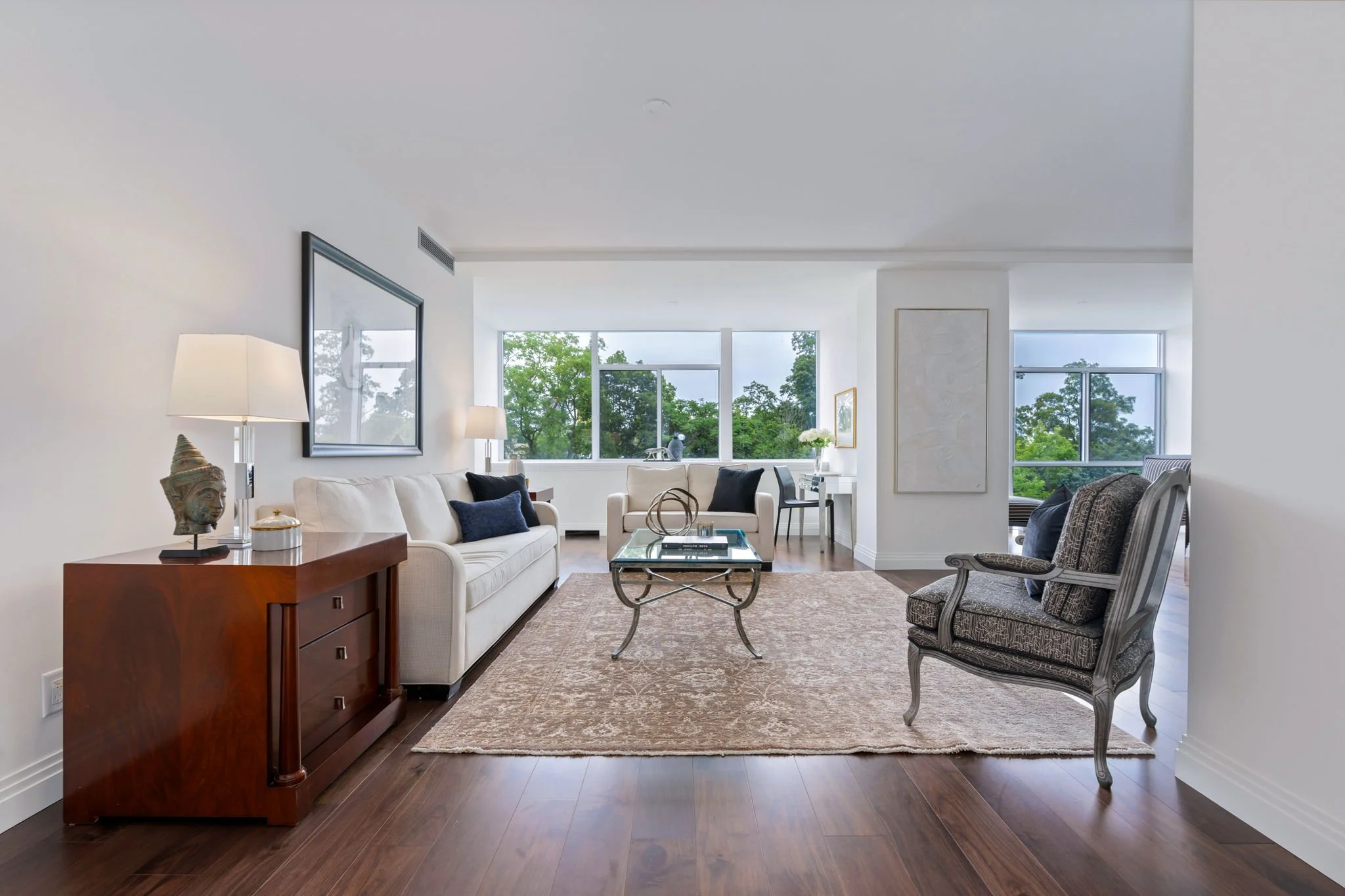
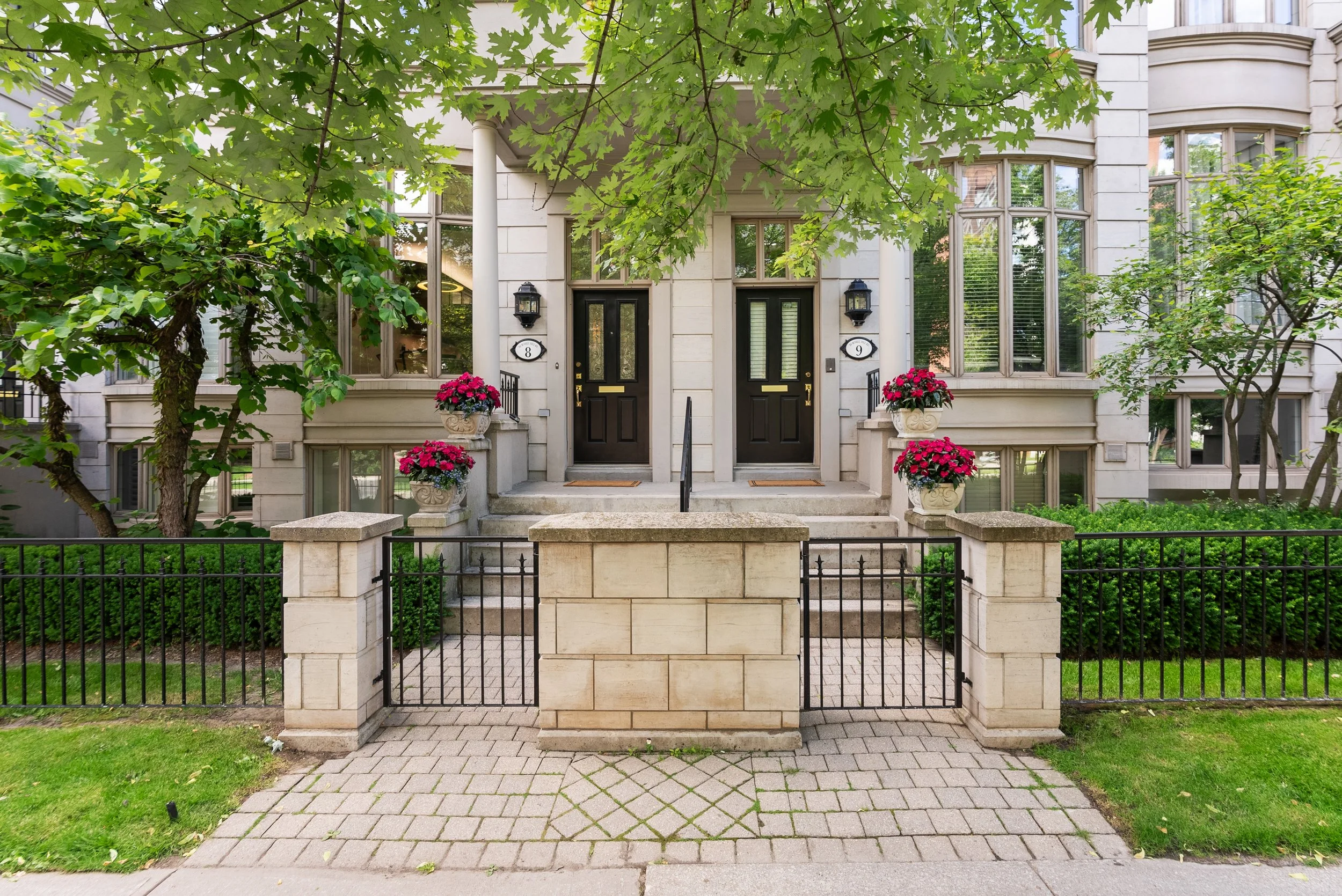
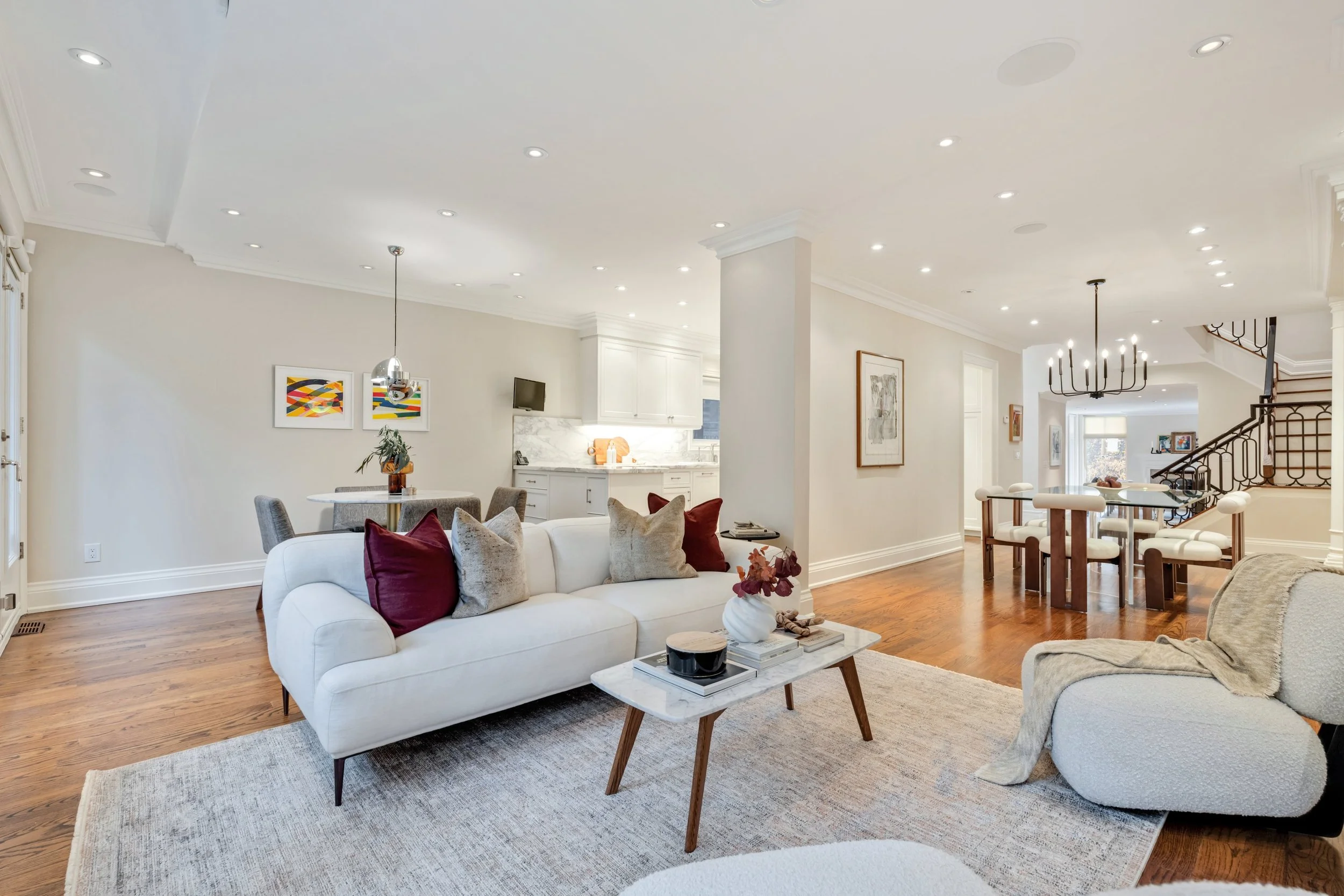
Recent Notable South Hill Sales by Paul & Christian Associates
Across the past 24 months, our team has represented sellers and buyers on South Hill transactions spanning heritage estates, renovated mansions, and luxury condos. Three representative examples:
-
A beautifully reimagined mid-century residence that offered nearly 3,800 square feet of refined living space across three levels. Its seamless integration of design, functionality, and natural surroundings created a truly distinctive living environment.
-
Redesigned from the ground up, this luxury suite presented over 2,200 square feet of elevated living in a premier full-service residence. With its refined design sensibility, curated materials, and exceptional building amenities, the home offers an elevated standard of city living.
-
A refined white stone townhouse defined by its generous scale, elegant design, and seamless four-level layout with in-home elevator access. The residence combined expansive living spaces with a private full-floor primary suite, offering a sophisticated and highly livable urban home.
For the full significant sales archive, see our Significant Sales Page here.
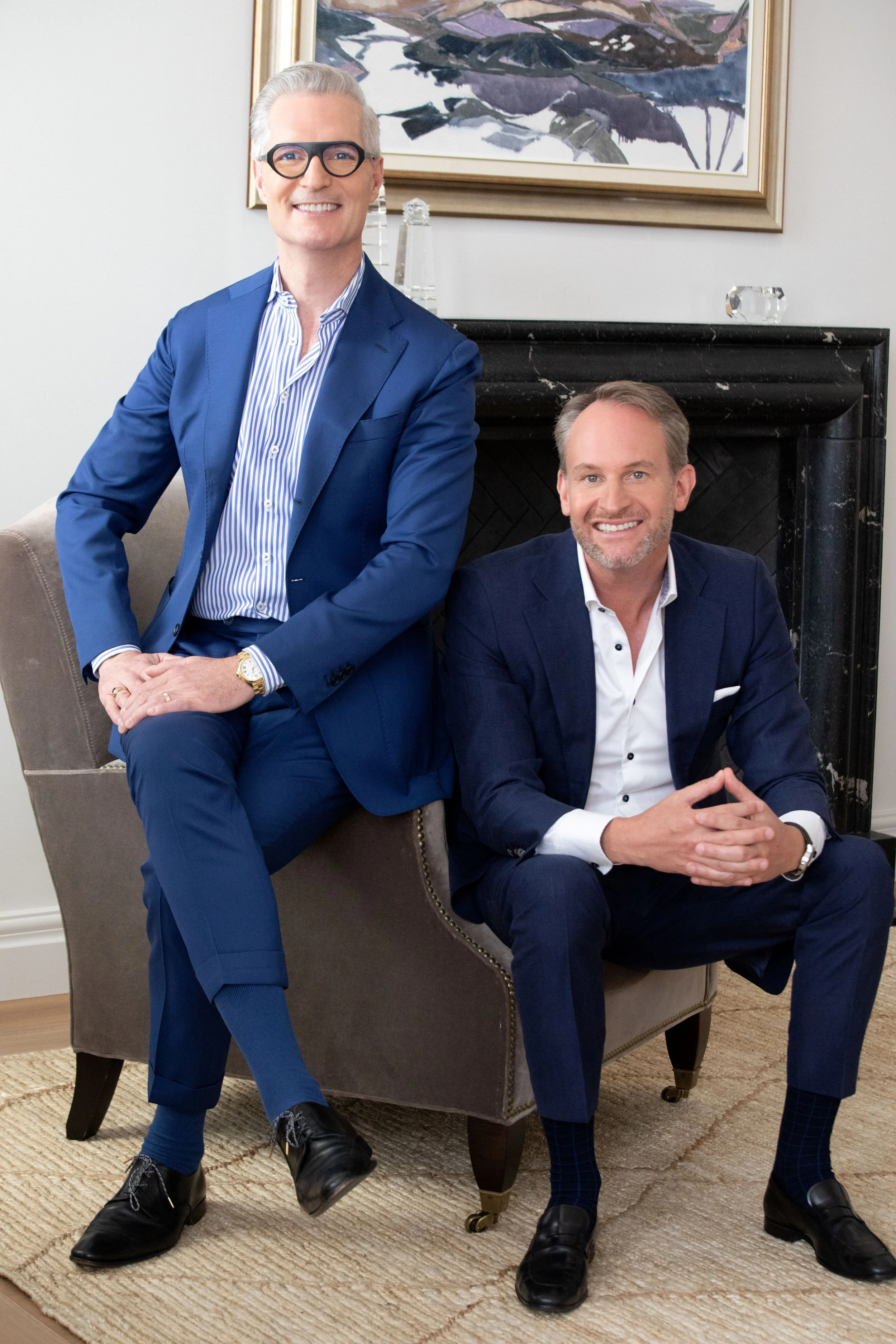
Meet the South Hill Specialists: Paul Maranger & Christian Vermast
Paul Maranger and Christian Vermast co-founded Paul & Christian Associates and together lead the team's representation across central Toronto's heritage luxury neighbourhoods, including South Hill. Paul brings an MBA, Harvard Business School negotiation training, and over 28 years of Toronto luxury real estate experience. Christian brings a Strasbourg law degree, multilingual fluency, and deep relationships across central Toronto's heritage and downsizer buyer pools. Together they have been featured in Forbes, Barron's, The Globe and Mail, Toronto Life, and other publications on Toronto's luxury market.
Start Your Toronto Luxury Home Search
Whether you are buying, selling, or comparing neighbourhoods before you decide, we are happy to talk. We do not run discovery calls as sales pitches. They are working conversations about what you want and which neighbourhoods make sense.
Frequently Asked Questions About South Hill Real Estate
-
South Hill is one of Toronto's quietest luxury neighbourhoods - a small, established residential enclave just east of Casa Loma, known for its concentration of turn-of-the-century estates, mansions, and grand homes on winding, treed streets. It is defined by the Nordheimer Ravine and Sir Winston Churchill Park along its western edge, direct subway access at Dupont and St. Clair West stations, and a quiet suburban feel preferred by seniors, empty-nesters, and established families.
-
No. South Hill and Forest Hill are distinct neighbourhoods. Forest Hill sits to the northwest of South Hill and is a larger neighbourhood with its own commercial village, schools, and architectural character. South Hill is smaller, quieter, and more residential, with no commercial corridor of its own. Real estate listings sometimes blur the boundary, but the two neighbourhoods have different price points, buyer pools, and community character.
-
The overall median sales price in South Hill is approximately $3,902,500, with most homes trading in the over-$2,000,000 price bracket. The average condo listing price is approximately $1,517,000. Heritage detached homes command the highest prices, with intact 1890s-1920s estates and mansions transacting at the top of the range. Pricing should be treated as directional, since South Hill's mix of heritage homes and condos produces a wide spread.
-
South Hill's residents are predominantly older couples, established families living in grand homes along winding treed streets, seniors, and empty-nesters. The community has a quiet suburban feel and a higher average family income approximately double the city average. Many residents have lived in the neighbourhood for multiple decades, and turnover is genuinely low — which is part of why the community character is so deeply established.
-
Sir Winston Churchill Park is a substantial green space along the western edge of South Hill, named after the British Prime Minister. The park features tennis courts, a wading pool, walking trails, and mature canopy, and connects into the broader Nordheimer Ravine system. For South Hill residents, the park serves as the central daily-use green-space facility and one of the most valued amenities in the neighbourhood.
-
South Hill is a small, compact neighbourhood - a residential enclave rather than an expansive district. It is defined as much by its boundaries (Avenue Road, St. Clair Avenue, Dupont, and the Nordheimer Ravine) as by its limited geographic extent. The small size is part of what gives the neighbourhood its tight-knit community feel and contributes to the consistent inventory constraints that support pricing.
-
Yes. Condos account for approximately 58% of recent sales in South Hill and 60% of the rental market. Condo inventory is concentrated along the peripheral streets and the corridors approaching St. Clair Avenue. The average condo listing price is approximately $1,517,000, with luxury options at higher tiers. The condo inventory serves downsizers and buyers who want a South Hill address without the maintenance of a heritage home.
-
South Hill's school options are primarily accessed through proximity rather than within the neighbourhood itself. Public school catchments are part of the Toronto District School Board, with specific catchment placement varying by property. Catholic education is available through the Toronto Catholic District School Board, with St. Michael's College School and other Catholic schools serving the area. Private school options include Upper Canada College and Bishop Strachan School in Forest Hill, Branksome Hall in Rosedale, and several others within reasonable distance.
-
South Hill has demonstrated strong long-term value, supported by genuinely constrained inventory, stable ownership patterns, and durable demand from established families and downsizers. The neighbourhood operates as a stable, luxury-driven balanced market with approximately 3 months of supply. Heritage stock in particular has held value well even as broader Toronto markets have fluctuated. South Hill rewards long-term holds rather than short-term strategies.
-
The premier streets in South Hill are the residential core blocks closest to Sir Winston Churchill Park, where intact 1890s-1920s heritage homes and the largest lots concentrate. Streets bordering the Nordheimer Ravine command additional premiums for direct green-space access. The Casa Loma-adjacent edge offers heritage homes against the dramatic Casa Loma streetscape.
-
Most of South Hill's housing stock was built between 1890 and 1920, during the era when Toronto's wealthiest families built substantial homes on the rising ground south of St. Clair Avenue. The neighbourhood's heritage character - turn-of-the-century estates, mansions, and grand homes - reflects this peak development era. Smaller numbers of post-war homes, mid-century buildings, and contemporary infill round out the housing stock.
-
South Hill is moderately walkable. Within the neighbourhood, the quiet residential streets are pedestrian-friendly. Most daily amenities are located on the periphery - Forest Hill Village to the west, Yorkville to the south, and Yonge and St. Clair to the east - all within walking distance for residents on the appropriate side of the neighbourhood. Direct subway access at Dupont and St. Clair West stations supports the walkable lifestyle, though most residents own cars for trips outside the immediate area.
-
South Hill features turn-of-the-century estates and mansions, with most homes built between 1890 and 1920. Architectural styles span late Victorian, Edwardian, Georgian Revival, and Tudor - the dominant vocabularies of pre-war wealthy Toronto residential architecture. The heritage stock represents the bulk of the neighbourhood's character, with smaller numbers of mid-century, contemporary infill, and condo buildings rounding out the housing mix.
-
Yes. South Hill has direct subway access at both Dupont Station and St. Clair West Station, both on Line 1 of the TTC. The subway access provides efficient connections to downtown and across the city, and makes daily commutes practical without depending on a car. Combined with the bus service along Avenue Road and the surrounding streets, South Hill has stronger transit access than many central Toronto luxury neighbourhoods.
-
South Hill has a meaningful rental market. Approximately 60% of the rental market is condo inventory, with the remainder primarily in apartment buildings. Despite the high purchase prices for South Hill real estate, rental prices are reasonable compared to other Toronto neighbourhoods - approximately 5% below the Toronto average. Typical rents run approximately $1,200 for a studio, $1,300 for a one-bedroom, $1,830 for a two-bedroom, and $2,600 for a three-bedroom unit. Rental inventory availability is limited.
-
South Hill is among Toronto's safest residential neighbourhoods. The quiet residential character, the established community of long-tenured residents, the absence of commercial intrusion within the neighbourhood interior, and the family demographic all contribute to consistently low crime rates. Residents typically describe South Hill as quiet, safe, and family-friendly at any time of day.
-
South Hill and Forest Hill are adjacent neighbourhoods that share architectural character (both have substantial pre-war heritage stock) and overlap in school access, but they differ meaningfully. Forest Hill is larger, has its own commercial village, includes private schools (UCC, BSS) within its boundaries, and carries a higher price tier. South Hill is smaller, quieter, has no commercial corridor of its own, accesses private schools through proximity, and operates at a more accessible price tier. Buyers comparing the two typically choose South Hill for the quieter, more residential character.
-
South Hill and Casa Loma are adjacent neighbourhoods, with Casa Loma immediately to the west. Casa Loma is anchored architecturally by the castle and the surrounding heritage streetscape, while South Hill is the residential extension that lies east of the castle area. The neighbourhoods share heritage character and pre-war architecture, but Casa Loma's identity is shaped more dramatically by the castle and the more sloping topography. South Hill is the quieter, more purely residential of the two.
-
South Hill suits established families and families seeking a quiet residential setting with multiple school options. The combination of heritage homes, Sir Winston Churchill Park's recreational facilities, subway access, and proximity to public, Catholic, and private school options supports family life. The community skews older than family-dominant neighbourhoods like Lawrence Park or Chaplin Estates, so families value the established community character and quiet streets more than active children-everywhere community feel.
-
People choose South Hill for its rare combination of quiet residential character, heritage architecture, ravine and park access, and central-Toronto subway proximity. It offers turn-of-the-century estates and mansions on winding tree-lined streets, direct access to Sir Winston Churchill Park, walking-distance retail through Forest Hill Village, Yorkville, and Yonge and St. Clair, and one of central Toronto's quietest community environments. For buyers who want heritage and quiet without the size or commercial intensity of Forest Hill or the price tier of Rosedale, South Hill is one of the few neighbourhoods that delivers.
Explore Related Toronto Neighbourhoods
South Hill sits among Toronto's quieter central luxury neighbourhoods. Buyers comparing South Hill against alternatives most often look at:
Forest Hill - adjacent, larger, with private schools and commercial village
Casa Loma - immediately west, anchored by the castle and the heritage streetscape
Rosedale - heritage architecture, ravine system, higher price tier
Yorkville - adjacent to the south, condo-focused, luxury retail
Chaplin Estates - heritage architecture, family-luxury, midtown
For the full list, see our Toronto luxury neighbourhoods guide.
Working with Paul & Christian Associates in South Hill
Whether you are buying, selling, or comparing neighbourhoods before you decide, we are happy to talk. We do not run discovery calls as sales pitches - they are working conversations about what you want and how South Hill fits.
Get a custom valuation for your home in South Hill - most useful if you are considering selling within 12 months
Start your home search in South Hill with us - for buyers actively looking
Read Paul Maranger and Christian Vermast's full bio - to understand how the team operates