

Casa Loma Real Estate: A Buyer and Seller's Guide to Toronto's Castle-Anchored Heritage Neighbourhood
Paul Maranger and Christian Vermast, Brokers and Executive Vice Presidents of Sales, Sotheby's International Realty Canada
Who Sells Homes in Casa Loma?
Casa Loma is one of Toronto's most distinctive luxury neighbourhoods; anchored by the castle that gives the area its name, defined by the Davenport Escarpment topography that produces panoramic city skyline views, and characterized by heritage Edwardian, Georgian, and English Cottage homes alongside modern high-density luxury inventory. The buyer pool is sophisticated and the housing stock is genuinely varied, mixing historic low-density estates with luxury condos and renovated heritage properties. Selling here requires understanding what ravine adjacency commands, how Casa Loma sits relative to Forest Hill and South Hill, and how to position properties for the affluent professional families and value seekers who anchor demand.
Inside the Casa Loma Market
Paul & Christian Associates have specialized in central Toronto's heritage luxury neighbourhoods for two decades, with both Paul Maranger and Christian Vermast representing buyers and sellers throughout Casa Loma and the surrounding area. Backed by $1 billion in career sales and the Sotheby's International Realty global network, we help sellers find the right buyer for heritage homes and help buyers navigate one of Toronto's most prestigious and stable residential enclaves.
What is Casa Loma Known For?
Casa Loma is one of Toronto's most affluent, historic, and stable residential enclaves — a prestigious heritage neighbourhood anchored by the famous Casa Loma castle and defined by the Davenport Escarpment, which produces dramatic topography, panoramic city skyline views, and the ravine system that shapes property values throughout the area. The neighbourhood is recognized as an elite financial enclave, with average individual incomes exceeding $330,000 and a community of approximately 1,404 households characterized by affluent professional families, established residents, and architecturally-focused buyers. Casa Loma combines heritage Edwardian and Georgian architecture, direct access to Sir Winston Churchill Park and the Nordheimer Ravine, and the kind of quiet residential character that has made it a stable luxury market for over a century.
-
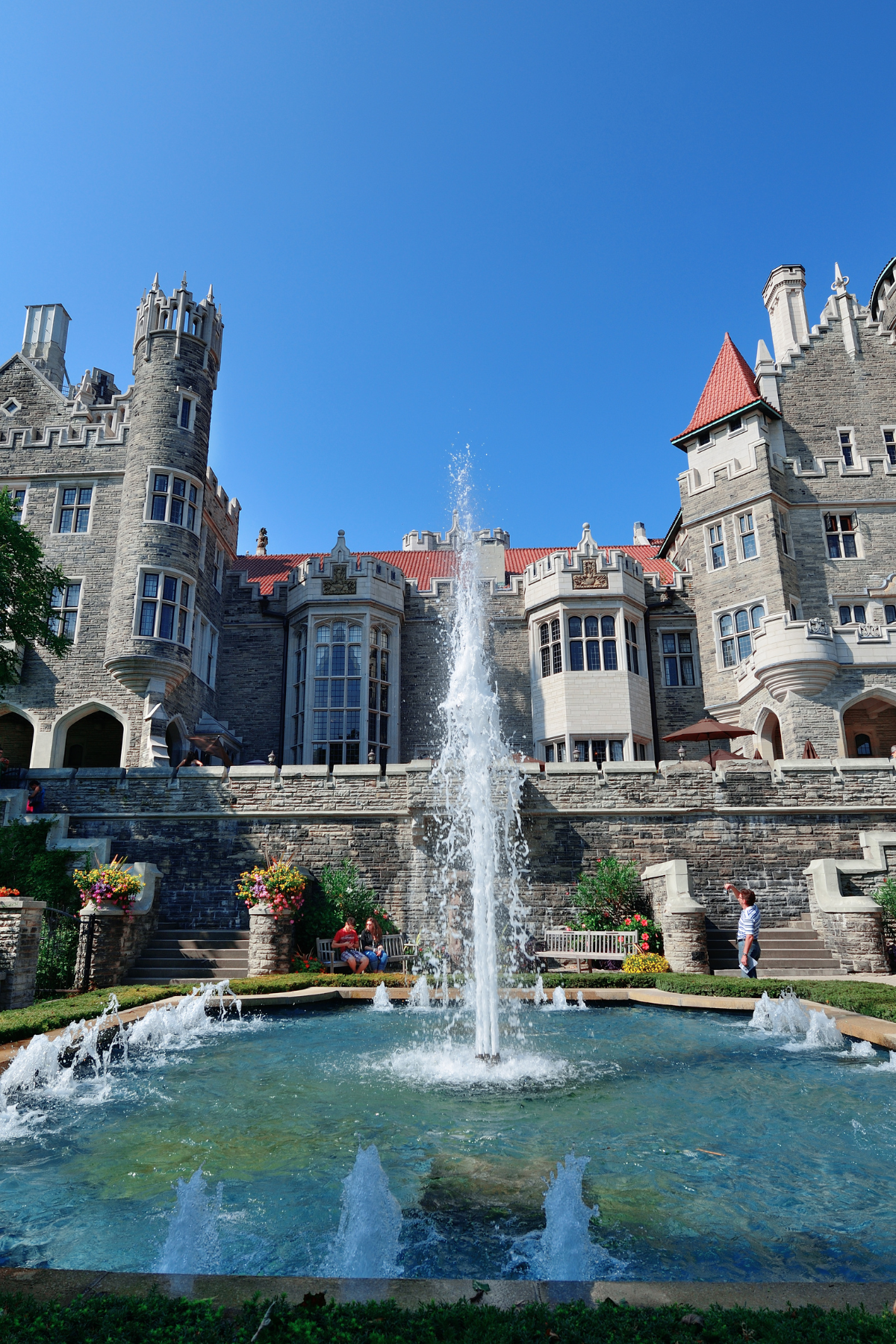
The neighbourhood takes its name from the Casa Loma castle, completed between 1911 and 1914 by Canadian financier Sir Henry Pellatt. The name "Casa Loma" is Spanish for "house on the hill" - a reference to the dramatic Davenport Escarpment topography that gives the castle its commanding position over the city. Today, Casa Loma operates as a premier public museum and private event space, drawing visitors from around the world while continuing to anchor the residential neighbourhood that grew around it.
The castle's presence shapes the neighbourhood in practical ways. It established the area's elite character from the beginning, set an architectural standard that subsequent development respected, and provides a visual and historical anchor that distinguishes Casa Loma from every other Toronto luxury neighbourhood. Much of the upper residential sector in Casa Loma was developed using early 20th-century Garden Suburb principles - curved streets, generous setbacks, mature canopy - which produced the cohesive heritage streetscape that defines the neighbourhood today.
-
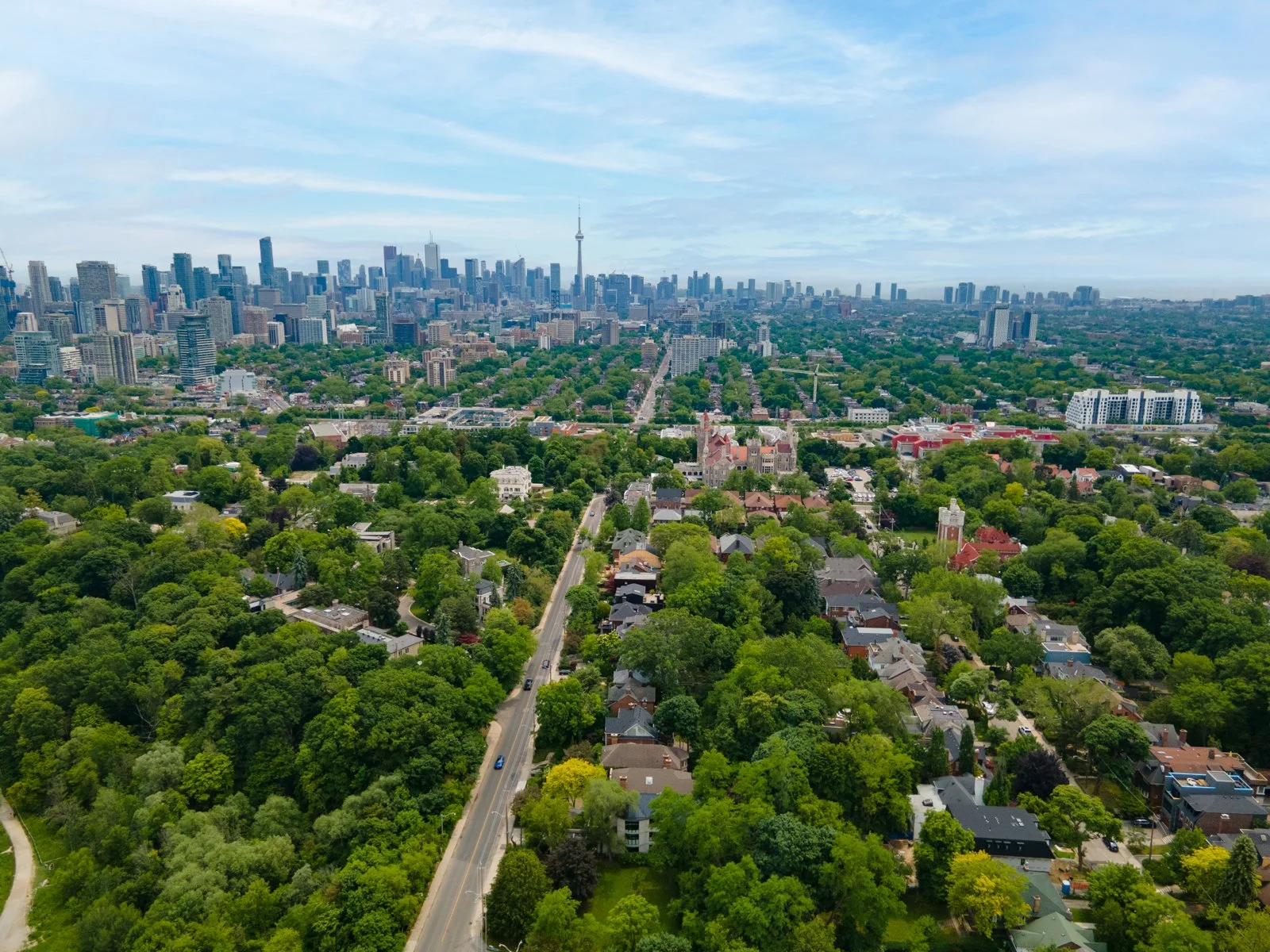
Casa Loma sits on the Davenport Escarpment, the ancient shoreline of glacial Lake Iroquois that runs through central Toronto. The escarpment is not incidental geography; it is the defining feature of the neighbourhood. The escarpment produces the dramatic elevation changes that give Casa Loma its panoramic city skyline views, the topography that constrains development patterns, and the ravine systems that carve through the area and provide direct nature access. For real estate purposes, topography and ravine adjacency significantly influence property values and buyer preferences. The highest-value Casa Loma streets are typically those on the upper escarpment or backing onto the ravines.
-
Casa Loma sits in central Toronto, generally bordered by St. Clair Avenue West to the north, Spadina Road to the east, Davenport Road to the south, and the streets approaching Forest Hill to the west. The neighbourhood is small, a compact heritage enclave rather than an expansive district, and is defined as much by its adjacencies as by its boundaries. Forest Hill sits immediately to the west, sharing some architectural and community character. South Hill sits to the east, the quieter residential extension along the same escarpment ridge. The three neighbourhoods together form one of Toronto's most prestigious heritage clusters, with Casa Loma's castle and topography distinguishing it from the others.
-
Casa Loma operates as one of Toronto's most stable luxury markets; driven by genuinely constrained inventory, heritage protections that limit supply growth, the prestige of the castle namesake, and a sophisticated resident base. Average household income in Casa Loma is approximately $254,000, nearly double the Toronto average of $132,000. Seventy-one percent of residents are university graduates, well above the Toronto figure of 48%. This demographic depth supports sustained demand through market cycles and contributes to the neighbourhood's reputation as a stable, long-term-hold luxury market.
Architecture and Home Styles in Casa Loma
-
The dominant heritage architecture in Casa Loma is Edwardian and Georgian, built primarily in the first three decades of the 20th century when the neighbourhood's residential core developed around the castle. These are substantial two and three storey homes - often estate-scale by central Toronto standards - with formal proportions, brick or stone construction, and the kind of architectural detail that defines pre-war Toronto luxury residential design. Properties in Casa Loma often feature 5+ bedrooms and manicured private lots backing onto forested ravines, a combination that few other central Toronto neighbourhoods offer.
-
A meaningful share of Casa Loma's housing stock consists of English Cottage homes and other revival styles from the 1920s and 1930s - built during the same Garden Suburb development era that produced similar inventory in adjacent Forest Hill and Chaplin Estates. These homes are typically smaller and more intimate than the Edwardian and Georgian core, with steeply pitched roofs, leaded glass windows, and the irregular massing that defines the English Cottage vocabulary. They appeal to buyers who want heritage character at slightly more accessible price points than the largest estate homes.
-
Casa Loma also has meaningful modern high-density luxury inventory - primarily luxury condo buildings along the periphery and contemporary infill homes on streets where heritage protections permit new construction. The condo inventory is substantial (condos account for approximately 42% of Casa Loma sales) and ranges from modest entry-level units to ultra-luxury options. Contemporary infill within the heritage residential core is constrained by conservation guidelines and is generally architect-designed to standards consistent with the surrounding heritage character.
Casa Loma's housing stock combines historic low-density estates with modern high-density luxury residential spaces; a genuinely varied mix that reflects the neighbourhood's century of development. The architectural styles are protected by Heritage Conservation restrictions that maintain the area's character.
Heritage Considerations and What the Conservation Studies Mean
The City of Toronto has conducted Heritage Conservation District Studies in the Casa Loma area to preserve the historical aesthetics. The conservation framework protects front facades, visible architectural details, and the overall streetscape character that defines the neighbourhood. For buyers planning major renovations, the heritage framework means understanding what can and cannot be modified; interior renovation and rear additions within appropriate envelopes are generally workable, but front-facade changes and substantial massing alterations require careful planning. Buyers planning significant work should engage a heritage architect with Casa Loma experience before submitting an offer.
The Casa Loma Streets and Pockets That Matter
-
![The Upper Escarpment & Ravine-Edge Streets]()
The highest-value streets in Casa Loma sit along the upper escarpment and adjacent to the Nordheimer Ravine. Properties on these streets command meaningful premiums for the panoramic city skyline views, the privacy of forested ravine backings, and the dramatic topography that defines Casa Loma's character. Renovators and heritage-focused buyers regularly target these streets when they reach market, because the combination of position, view, and architecture is genuinely irreplaceable.
-
![The Historic Core Near The Castle]()
The streets immediately around the Casa Loma castle carry their own particular character; heritage homes set against the dramatic architectural backdrop of one of Toronto's most recognizable landmarks. These streets combine the prestige of castle adjacency with the residential quiet that defines the neighbourhood, and they appeal especially to buyers who value the architectural drama and the symbolic anchor that the castle provides.
-
![The Forest Hill-Adjacent Edge]()
The streets on Casa Loma's western edge, transitioning toward Forest Hill, combine Casa Loma's heritage character with proximity to Forest Hill Village and the broader Forest Hill amenity base. This pocket appeals to buyers who want Casa Loma's topography and ravine access combined with the walking distance to Forest Hill's commercial corridor and school options.


Sir Winston Churchill Park, the Nordheimer Ravine, and Green Space
Casa Loma's green-space infrastructure is one of the neighbourhood's defining features. Sir Winston Churchill Park, on Casa Loma's edge with South Hill, provides tennis courts, walking trails, mature canopy, and direct connections into the Nordheimer Ravine system. The Nordheimer Ravine - which runs through the heart of the broader Casa Loma area - provides forested ravine access from many residential streets, with homes backing directly onto the ravine commanding the strongest premiums in the neighbourhood.
For Casa Loma residents, the park and ravine are not amenities but defining infrastructure. They shape what properties are worth, where buyers want to live, and how daily life works in a neighbourhood that combines dramatic urban topography with genuinely accessible nature. Few central Toronto neighbourhoods offer green-space access at this scale - Rosedale's ravine system is the closest comparison, but Casa Loma's combination of escarpment views and forested ravine backings is distinctive even within that comparison.
Lifestyle, Amenities, and What Daily Life Looks Like
Casa Loma is primarily residential. Most daily amenities are accessed through proximity to adjacent neighbourhoods rather than within Casa Loma itself.
The Retail Corridors and Walking Distance Amenities
Casa Loma's retail access depends on which part of the neighbourhood you're in. Forest Hill Village to the west offers specialty grocery, restaurants, cafes, and boutique retail in a walkable village setting. The St. Clair Avenue corridor to the north provides everyday retail, dining, and services. Yorkville is a short distance south for luxury retail and dining. The Annex sits to the east for independent retail and cafes. Casa Loma's residents have access to four distinct retail corridors within walking or short driving distance, while keeping the residential interior of the neighbourhood free from commercial intrusion.

Schools and Family Considerations
Casa Loma is genuinely family-friendly within its scale. Several public schools serve the area through Toronto District School Board catchments, with placement varying by specific property. The area's proximity to Forest Hill's private schools - Upper Canada College and Bishop Strachan School - gives families convenient access to two of Canada's most established private schools. Other prestigious private options including Branksome Hall in Rosedale and St. Clement's School are within reasonable distance. Families with school-age children typically have a meaningful menu of public and private choices when settling in Casa Loma.

Walkability and Transit
Casa Loma is moderately walkable. Within the neighbourhood, the quiet residential streets are pedestrian-friendly, though the Davenport Escarpment's elevation changes can make some routes more demanding than flat midtown. Transit access is supported by the St. Clair West subway station on Line 1, providing direct connections downtown, and bus service along the major arterials. Casa Loma is less walkable than Yorkville or the Annex but more residential and less car-dependent than the Bridle Path or estate-tier neighbourhoods.

The Castle as Neighbourhood Landmark
Casa Loma the castle operates as a premier public museum and private event space, with significant visitor traffic during operating hours. For residents, this means accepting some additional foot traffic and occasional event activity near the castle in exchange for the cultural and historical anchor the landmark provides. Most residential streets sit far enough from the castle that visitor traffic doesn't materially affect daily life; and many residents consider the castle's presence a meaningful positive that distinguishes Casa Loma from every other Toronto luxury neighbourhood.
Casa Loma Real Estate Market Data in 2026
Market data is updated quarterly. For the full current figures including transaction volume by housing type and street-level pricing, see Paul & Christian's Market Snapshot.

Average & Benchmark Home Prices
The average home listing price in Casa Loma is approximately $3,601,000 - roughly 158% above the average home price in Toronto. The sales mix splits roughly 46% detached houses, 42% condos, and 12% semi-detached, which produces meaningful price variation by housing type. Average condo listing price is approximately $1,977,000, with the range running from approximately $399,000 for entry-level units to $6,350,000 for ultra-luxury. Townhouses average approximately $2,325,000, with the range running from approximately $1,299,000 to $3,649,000.
At any given time the neighbourhood typically has around 70 homes for sale (market activity varies), with the mix weighted toward condos and detached heritage homes. Verify current pricing against TRREB data for a specific property type before making decisions.

Year-Over-Year Trends
The broader Toronto market corrected modestly through 2025, but Casa Loma has shown more stability than the broader market; supported by genuinely constrained inventory, heritage protections that limit supply growth, the prestige of the castle namesake, and the affluent demographic that anchors demand. Long-term, Casa Loma has been one of Toronto's most consistent luxury performers, driven by the combination of topography, architecture, and the sustained demand that defines an elite financial enclave.

Days on Market & Sale-to-List Ratio
Casa Loma homes priced correctly transact reasonably quickly. The average home in Casa Loma is listed on the market for approximately 19 days, with a 97.6% sale-to-list price ratio. Notable data: 41.7% of homes in Casa Loma sell in under 10 days on the market, which is above the city average for Toronto. The neighbourhood's overall days-on-market figure runs in the 32-34 day range when averaged across all housing types. The strongest streets - the upper escarpment and ravine-edge properties - often see particularly competitive activity when intact heritage homes reach the market.
The Rental Market
Casa Loma has a meaningful rental market, particularly in the condo and apartment segment along the neighbourhood's peripheral streets. The average apartment rent in Casa Loma is approximately $2,449 per month. For buyers and investors, the rental market matters as an indicator of demand depth and as context for investment strategies. The combination of constrained ownership inventory and an active rental market suggests sustained underlying demand for Casa Loma addresses across both ownership and rental segments.
Who Buys in Casa Loma?
Three distinct buyer profiles dominate Casa Loma's market.
-
The core buyer pool in Casa Loma consists of heritage-focused buyers - design-literate professionals, architectural enthusiasts, and renovators specifically seeking the combination of Edwardian and Georgian heritage architecture with ravine adjacency. These buyers pay meaningful premiums for intact heritage homes on the upper escarpment and ravine-edge streets, and they value the combination of architectural authenticity, topographic position, and the genuinely irreplaceable ravine backings that define Casa Loma's premium inventory.
-
A significant share of Casa Loma buyers are affluent professional families; typically with school-age children and incomes well above Toronto averages, drawn by the combination of heritage architecture, proximity to top public and private school options, ravine access for family life, and the quiet residential character of the neighbourhood. With average household incomes around $254,000 and 71% of residents holding university degrees, Casa Loma's demographic profile reflects this sophisticated professional family base.
-
A third buyer profile consists of established residents already in Casa Loma's adjacent neighbourhoods (Forest Hill, South Hill, Rosedale) who relocate within the cluster as their housing needs evolve. These value seekers often spend years watching for the right Casa Loma property - particularly heritage homes on the premier streets - and become long-term owners holding for multiple decades. This pattern is part of why Casa Loma's inventory turnover is genuinely low and why the neighbourhood is among Toronto's most stable luxury enclaves.
Recent Notable Casa Loma Sales by Paul & Christian Associates
Across the past 24 months, our team has represented sellers and buyers on Casa Loma transactions spanning heritage Edwardian and Georgian homes, ravine-edge properties, and luxury condos. Three representative examples:
-
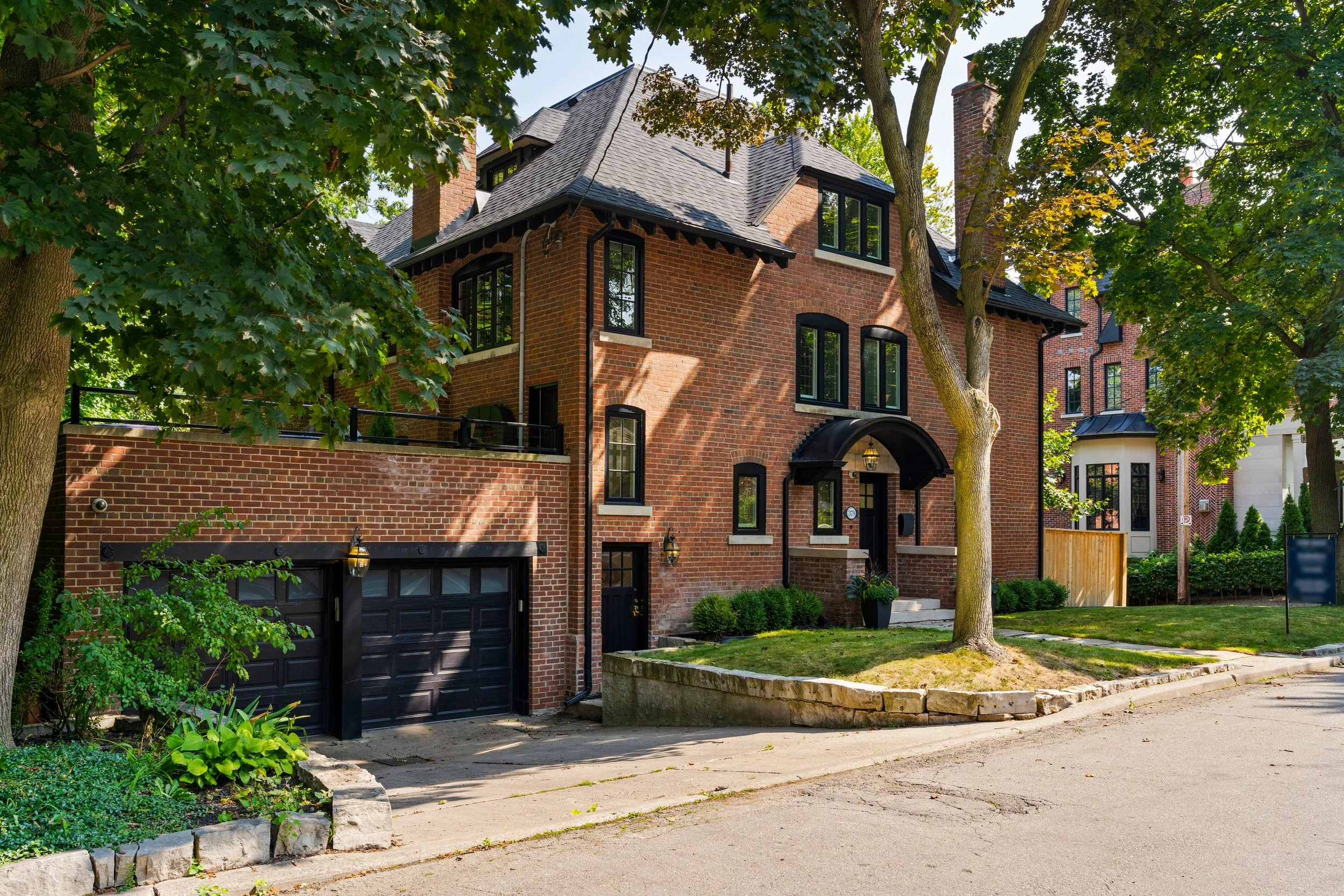
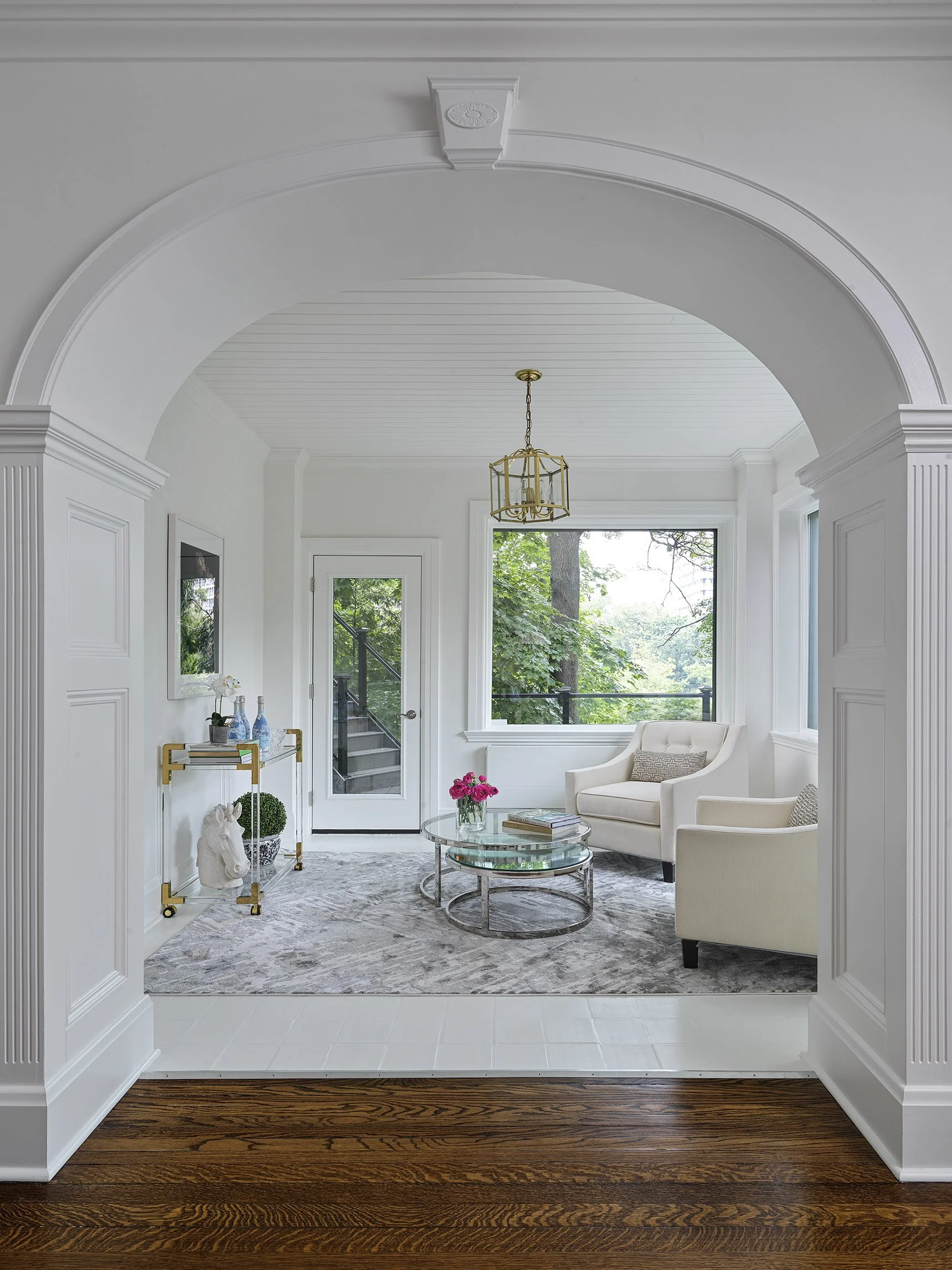
An exceptional English Arts and Crafts residence designed by renowned architect Eden Smith, set amidst the lush backdrop of the Nordheimer Ravine near Casa Loma. Rich in character, history, and architectural pedigree, this distinguished home seamlessly blended timeless elegance with thoughtful modern updates.
-
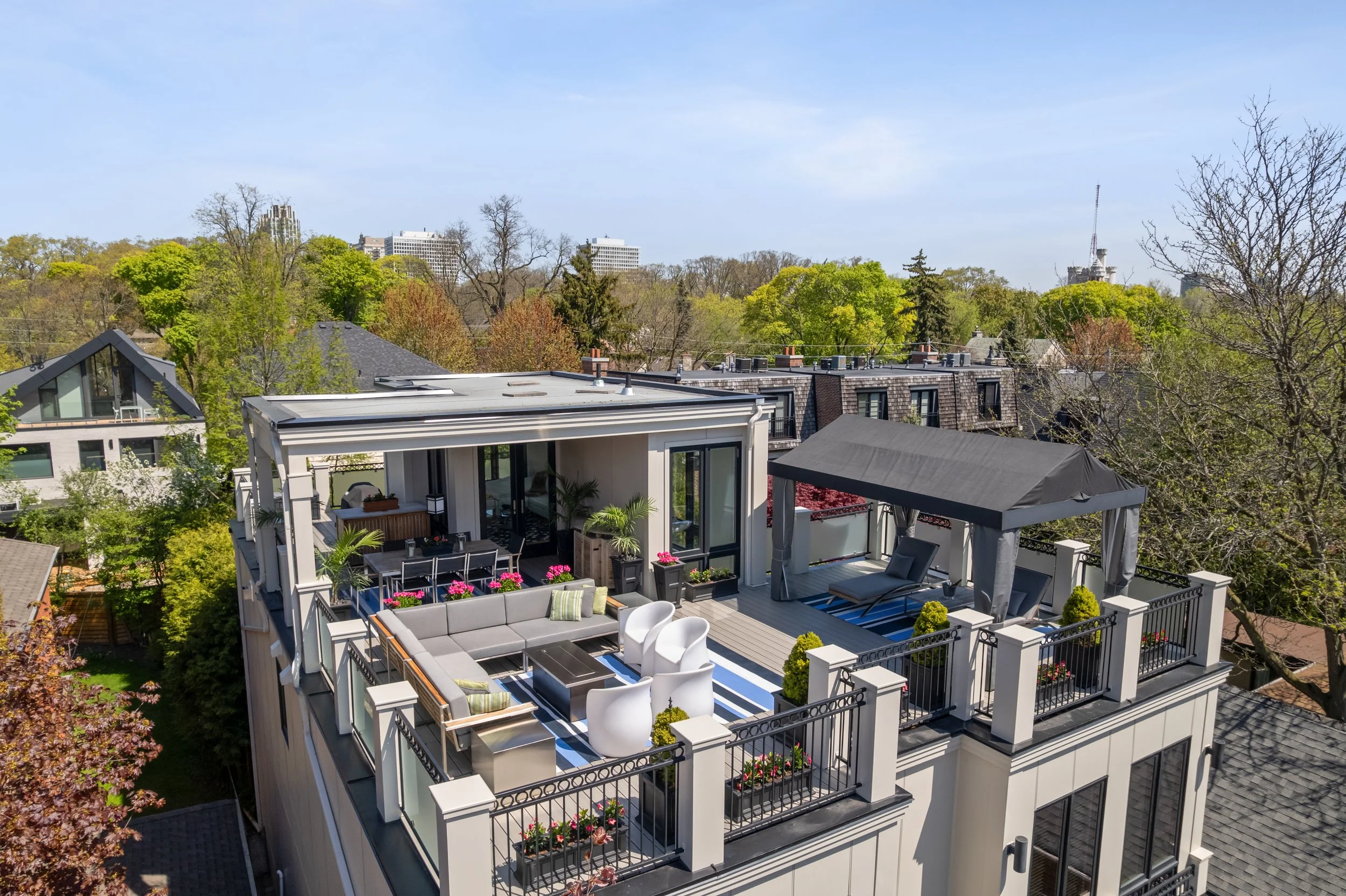
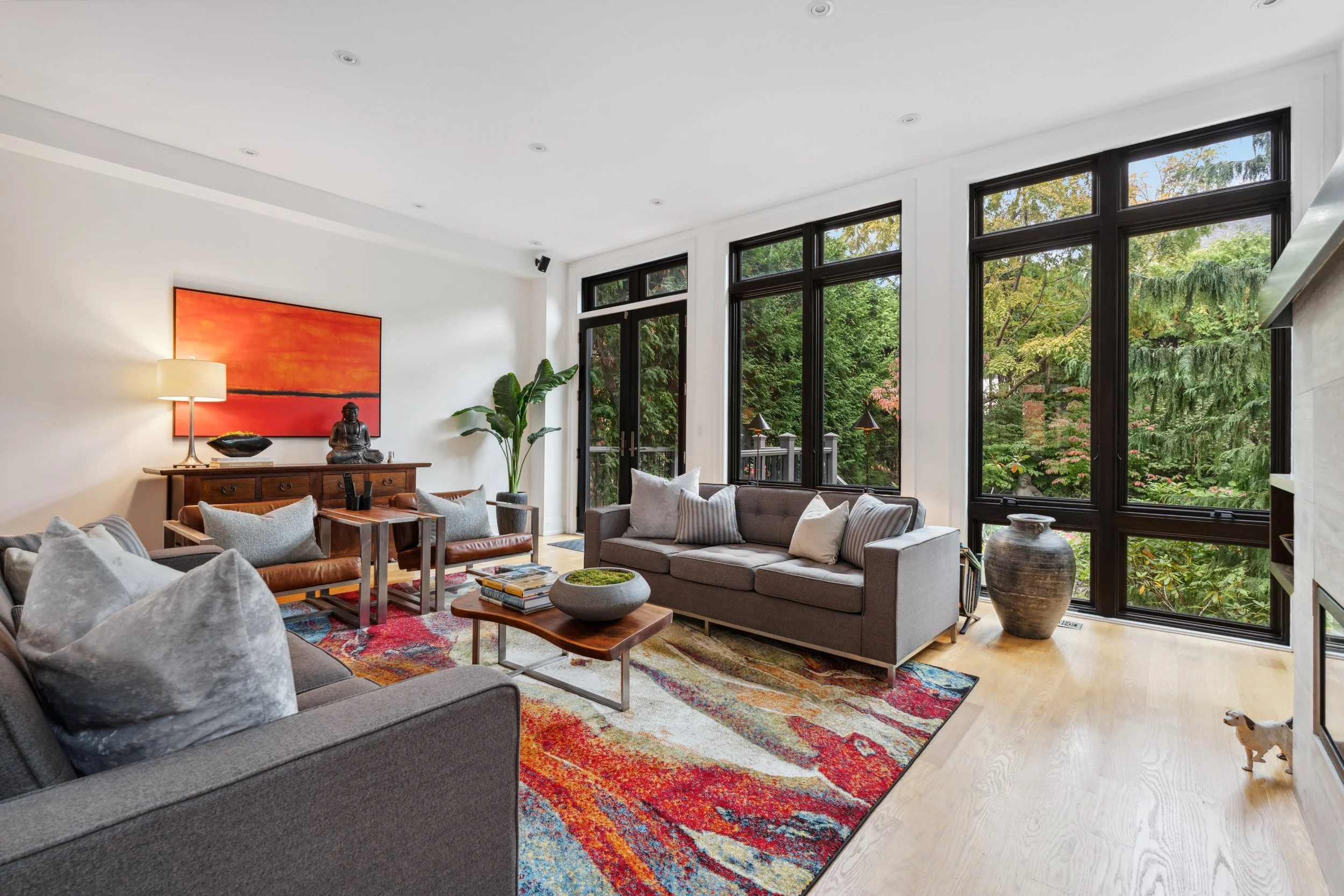
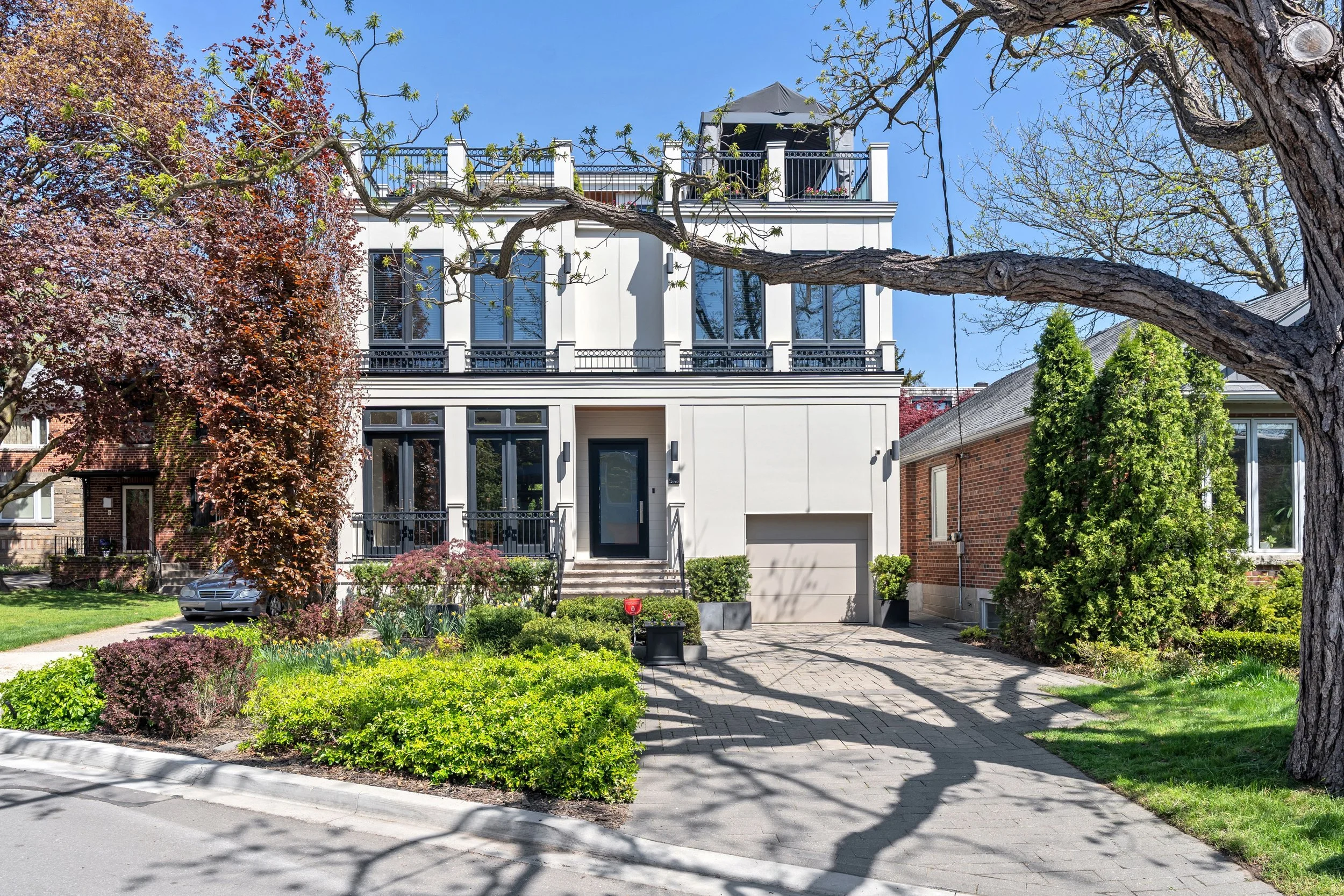
A striking warm-modern residence defined by its dramatic architecture, expansive open-concept design, and breathtaking 1,000-square-foot rooftop terrace with panoramic skyline views.
-
This exceptional corner suite offered expansive single-level living in an intimate boutique residence. Featuring generous living spaces, timeless charm, and remarkable versatility, the home delivered an effortless lifestyle in one of Toronto's most established and sought-after neighbourhoods.
For the full significant sales archive, see our Significant Sales Page here.

Meet the Casa Loma Specialists: Paul Maranger & Christian Vermast
Paul Maranger and Christian Vermast co-founded Paul & Christian Associates and together lead the team's representation across central Toronto's heritage luxury neighbourhoods, including Casa Loma. Paul brings an MBA, Harvard Business School negotiation training, and over 28 years of Toronto luxury real estate experience. Christian brings a Strasbourg law degree, multilingual fluency, and deep relationships across the heritage architecture and downsizer buyer pools that anchor Casa Loma demand. Together they have been featured in Forbes, Barron's, The Globe and Mail, Toronto Life, and other publications on Toronto's luxury market.
Start Your Toronto Luxury Home Search
Whether you are buying, selling, or comparing neighbourhoods before you decide, we are happy to talk. We do not run discovery calls as sales pitches. They are working conversations about what you want and which neighbourhoods make sense.
Frequently Asked Questions About Casa Loma Real Estate
-
Casa Loma is one of Toronto's most affluent, historic, and stable residential enclaves — anchored by the famous Casa Loma castle and defined by the Davenport Escarpment that produces dramatic topography, panoramic city skyline views, and the ravine system that shapes property values. It is recognized as an elite financial enclave with average household incomes nearly double the Toronto average and one of the city's highest concentrations of university-educated residents.
-
Yes. The Casa Loma neighbourhood takes its name from the Casa Loma castle, completed between 1911 and 1914 by Canadian financier Sir Henry Pellatt. The name "Casa Loma" is Spanish for "house on the hill" — a reference to the dramatic Davenport Escarpment topography that gives the castle and the surrounding neighbourhood their commanding position above the city.
-
The average home listing price in Casa Loma is approximately $3,601,000, roughly 158% above the average home price in Toronto. The sales mix is approximately 46% detached, 42% condos, and 12% semi-detached. Average condo listings sit at approximately $1,977,000 (range $399,000 to $6,350,000), and townhouses average $2,325,000 (range $1,299,000 to $3,649,000). Heritage homes on the upper escarpment and ravine-edge streets command meaningful premiums above these averages.
-
Casa Loma and Forest Hill are adjacent neighbourhoods that share heritage character but differ meaningfully. Forest Hill is larger, has its own commercial village (Forest Hill Village), is anchored by private schools (Upper Canada College and Bishop Strachan School), and carries higher prices overall. Casa Loma is smaller, defined by the Davenport Escarpment topography and the castle landmark, has more dramatic city skyline views, and offers more direct ravine access. Casa Loma is generally priced more accessibly than comparable Forest Hill inventory.
-
Casa Loma and South Hill are adjacent neighbourhoods, both sitting on the same escarpment ridge. Casa Loma is anchored architecturally by the castle and includes more dramatic heritage architecture, more high-density luxury condo inventory, and higher pricing overall. South Hill is the quieter, more purely residential of the two - smaller, with no commercial corridor, and known for turn-of-the-century estates rather than the more varied housing mix of Casa Loma. The two neighbourhoods together form the upper escarpment heritage cluster.
-
Casa Loma has demonstrated strong long-term value, supported by genuinely constrained inventory, heritage conservation protections, the prestige of the castle namesake, and the affluent demographic that anchors demand. The neighbourhood's heritage stock is finite, the topography prevents densification, and demand from heritage-focused buyers and professional families remains durable through market cycles. Casa Loma rewards long-term holds rather than short-term strategies.
-
The premier streets in Casa Loma sit along the upper escarpment and adjacent to the Nordheimer Ravine - properties on these streets command the strongest premiums for the combination of panoramic city skyline views, forested ravine backings, and heritage architecture. Streets immediately around the Casa Loma castle carry their own particular character and prestige. The western edge transitioning toward Forest Hill offers Casa Loma's character combined with proximity to Forest Hill Village.
-
Casa Loma is genuinely family-friendly within its scale. Properties in the neighbourhood often feature 5+ bedrooms and manicured private lots backing onto forested ravines - a family-friendly combination that few central Toronto neighbourhoods offer. The neighbourhood has good access to public school catchments and is within easy reach of major private schools including Upper Canada College, Bishop Strachan School, and Branksome Hall. Sir Winston Churchill Park and the Nordheimer Ravine provide significant outdoor recreational access.
-
Most of Casa Loma's heritage housing stock was built in the first three decades of the 20th century, with the residential core developing around the Casa Loma castle (completed 1911-1914) in the 1910s through 1930s. Much of the upper residential sector was developed using early 20th-century Garden Suburb planning principles, producing the cohesive heritage streetscape that defines the neighbourhood. Smaller numbers of post-war homes, mid-century buildings, contemporary infill, and luxury condos round out the housing mix.
-
Yes. Condos account for approximately 42% of Casa Loma sales - a meaningful share of the housing inventory. The condo market spans entry-level units around $399,000 to ultra-luxury options approaching $6,350,000, with an average listing price of approximately $1,977,000. Condo inventory is concentrated along the neighbourhood's peripheral streets and the St. Clair corridor, while the residential interior is dominated by detached heritage homes. The condo segment serves downsizers and buyers who want a Casa Loma address without the maintenance of a heritage home.
-
Casa Loma's school options are accessed primarily through proximity to surrounding neighbourhoods. Public school catchments are part of the Toronto District School Board, with specific catchment placement varying by property. For private school families, Upper Canada College and Bishop Strachan School in adjacent Forest Hill are within walking or short driving distance, and Branksome Hall in Rosedale is similarly accessible. The combination of public catchments and private school proximity gives Casa Loma families a meaningful menu of educational choices.
-
Casa Loma is moderately walkable. Within the neighbourhood, the quiet residential streets are pedestrian-friendly, though the Davenport Escarpment's elevation changes can make some routes more demanding than flat midtown. Daily amenities are accessed through walking distance to Forest Hill Village to the west, the St. Clair corridor to the north, Yorkville to the south, or the Annex to the east. Transit access through St. Clair West subway station on Line 1 supports the walkability for downtown commutes.
-
Casa Loma features Edwardian, Georgian, and English Cottage architectural styles, primarily built in the first three decades of the 20th century. The heritage core is dominated by substantial Edwardian and Georgian homes - often estate-scale with 5+ bedrooms - alongside English Cottage homes from the 1920s and 1930s. Modern high-density luxury and contemporary infill complete the housing mix. The architectural styles are protected by Heritage Conservation restrictions that maintain the neighbourhood's character.
-
Casa Loma's residents form one of Toronto's most affluent and educated communities. Average individual incomes exceed $330,000, average household income is approximately $254,000 (nearly double the Toronto average of $132,000), and 71% of residents are university graduates (compared to 48% city-wide). The neighbourhood has approximately 1,404 households with an average household size of 2, reflecting a mix of professional families, established residents, empty nesters, and heritage-focused buyers.
-
Casa Loma homes spend an average of approximately 19 days on the market, with a 97.6% sale-to-list price ratio. Notably, 41.7% of homes in Casa Loma sell in under 10 days, which is above the Toronto city average. The overall days-on-market figure runs in the 32-34 day range when averaged across all housing types. The strongest streets - particularly heritage homes on the upper escarpment and ravine-edge properties - often see particularly competitive activity when intact inventory reaches the market.
-
Casa Loma is among Toronto's safest residential neighbourhoods. The quiet residential character, the established community of long-tenured residents, the affluent demographic, and the absence of significant commercial intrusion within the neighbourhood interior all contribute to consistently low crime rates. Residents typically describe Casa Loma as quiet, safe, and family-friendly at any time of day, with the castle's visitor traffic concentrated near the landmark itself rather than disrupting the residential streets.
-
The Davenport Escarpment is the ancient shoreline of glacial Lake Iroquois, which runs through central Toronto and defines the dramatic topography of Casa Loma and the surrounding neighbourhoods. The escarpment produces the elevation changes that give Casa Loma its panoramic city skyline views, the topography that shapes how the neighbourhood developed, and the ravine systems that carve through the area. Topography and ravine adjacency significantly influence Casa Loma property values and buyer preferences.
-
Yes. The Nordheimer Ravine runs through the heart of the broader Casa Loma area, with many residential streets offering direct forested ravine access from the backs of properties. The ravine connects to the broader Toronto ravine network and provides one of central Toronto's most significant urban nature systems. Homes backing onto the ravine command meaningful premiums for the privacy, the views, and the direct nature access.
-
Sir Winston Churchill Park is a substantial green space on Casa Loma's edge with South Hill, featuring tennis courts, walking trails, mature canopy, and direct connections into the Nordheimer Ravine system. The park serves as one of the central daily-use green-space facilities for Casa Loma and South Hill residents and is one of the most valued amenities in the area.
-
People choose Casa Loma for its rare combination of heritage architecture, dramatic topography, ravine access, and the prestige of the castle namesake. It offers Edwardian and Georgian heritage homes on the Davenport Escarpment, panoramic city skyline views, direct access to Sir Winston Churchill Park and the Nordheimer Ravine, proximity to top private schools and multiple retail corridors, and a quiet residential character anchored by one of Toronto's most affluent and educated communities. For buyers who want heritage, topography, and irreplaceable character at the centre of a stable luxury market, few neighbourhoods deliver Casa Loma's combination.
Explore Related Toronto Neighbourhoods
Casa Loma sits at the centre of Toronto's upper-escarpment heritage cluster. Buyers comparing Casa Loma against alternatives most often look at:
Forest Hill - adjacent, larger, with private schools and commercial village
South Hill - immediately east, quieter residential extension along the same escarpment
Rosedale - heritage architecture, ravine system, higher price tier
The Annex - heritage Victorian and Edwardian, university-adjacent
Yorkville - south, concierge condo living, walkable luxury
For the full list, see our Toronto luxury neighbourhoods guide.
Working with Paul & Christian Associates in Casa Loma
Whether you are buying, selling, or comparing neighbourhoods before you decide, we are happy to talk. We do not run discovery calls as sales pitches - they are working conversations about what you want and how Casa Loma fits.
Get a custom valuation for your home in Casa Loma - most useful if you are considering selling within 12 months
Start your home search in Casa Loma with us - for buyers actively looking
Read Paul Maranger and Christian Vermast's full bio - to understand how the team operates