


Downsizing in Toronto: A Guide to Trading Space for Life
Paul Maranger and Christian Vermast, Brokers and Executive Vice Presidents of Sales, Sotheby's International Realty Canada
Downsizing in Toronto - The Luxury Real Estate Market
Downsizing at this level is not about doing with less. It is about trading square footage you no longer use for quality, location, and service you will use every day.
Someone leaving a six-bedroom Rosedale house for a residence in Yorkville is not shrinking their life. They are trading maintenance for a concierge, a lawn for the Mink Mile, three flights of stairs for an elevator, and the standing obligation of property management for a lock-and-leave lifestyle. That is a trade, not a sacrifice; and understanding it that way changes the entire decision.
This guide covers what downsizing actually involves in Toronto's luxury market: when to do it, where people go, what changes when you move from a house to a condominium, how to sell a family home, and how to go smaller without leaving the neighbourhood you love.
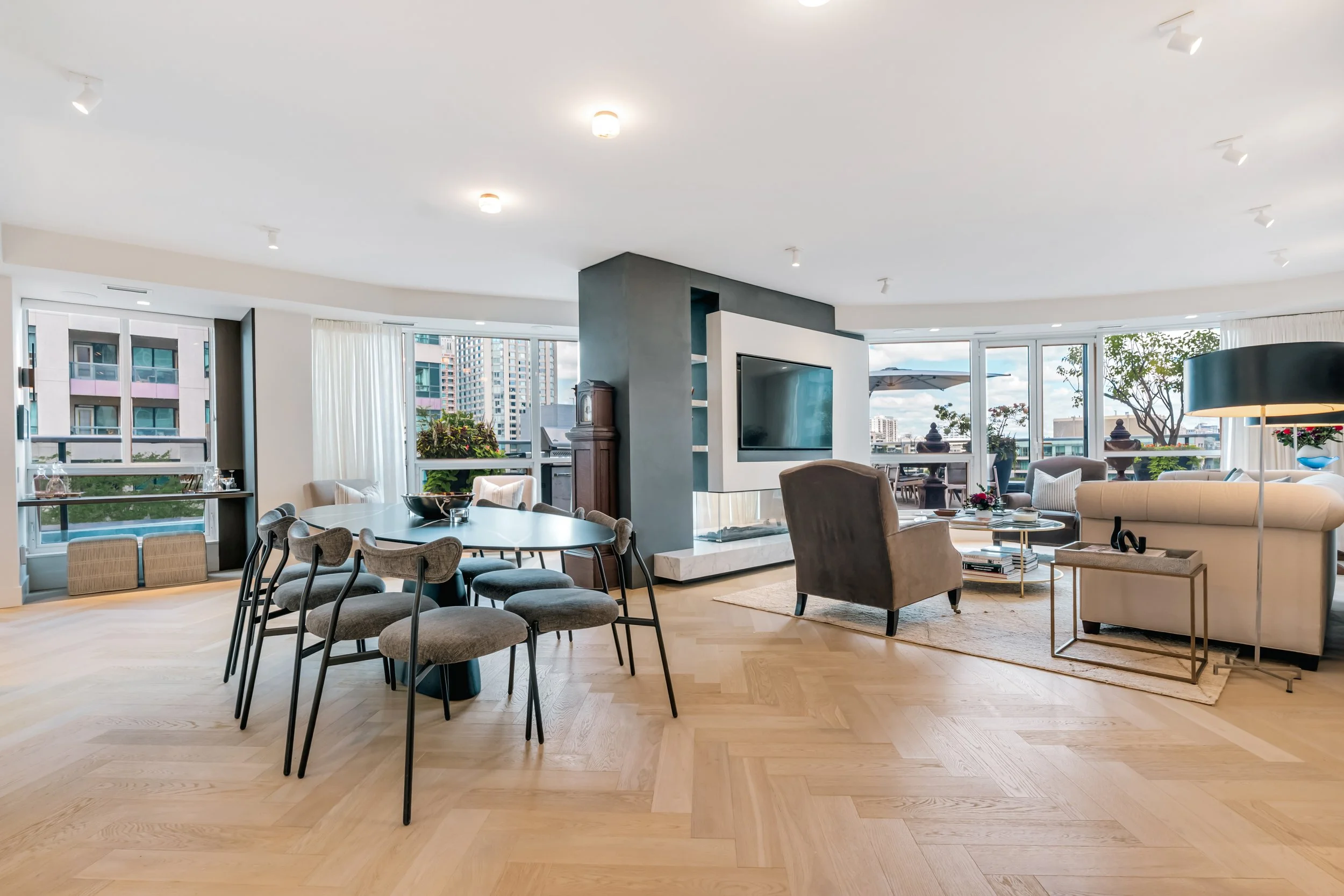

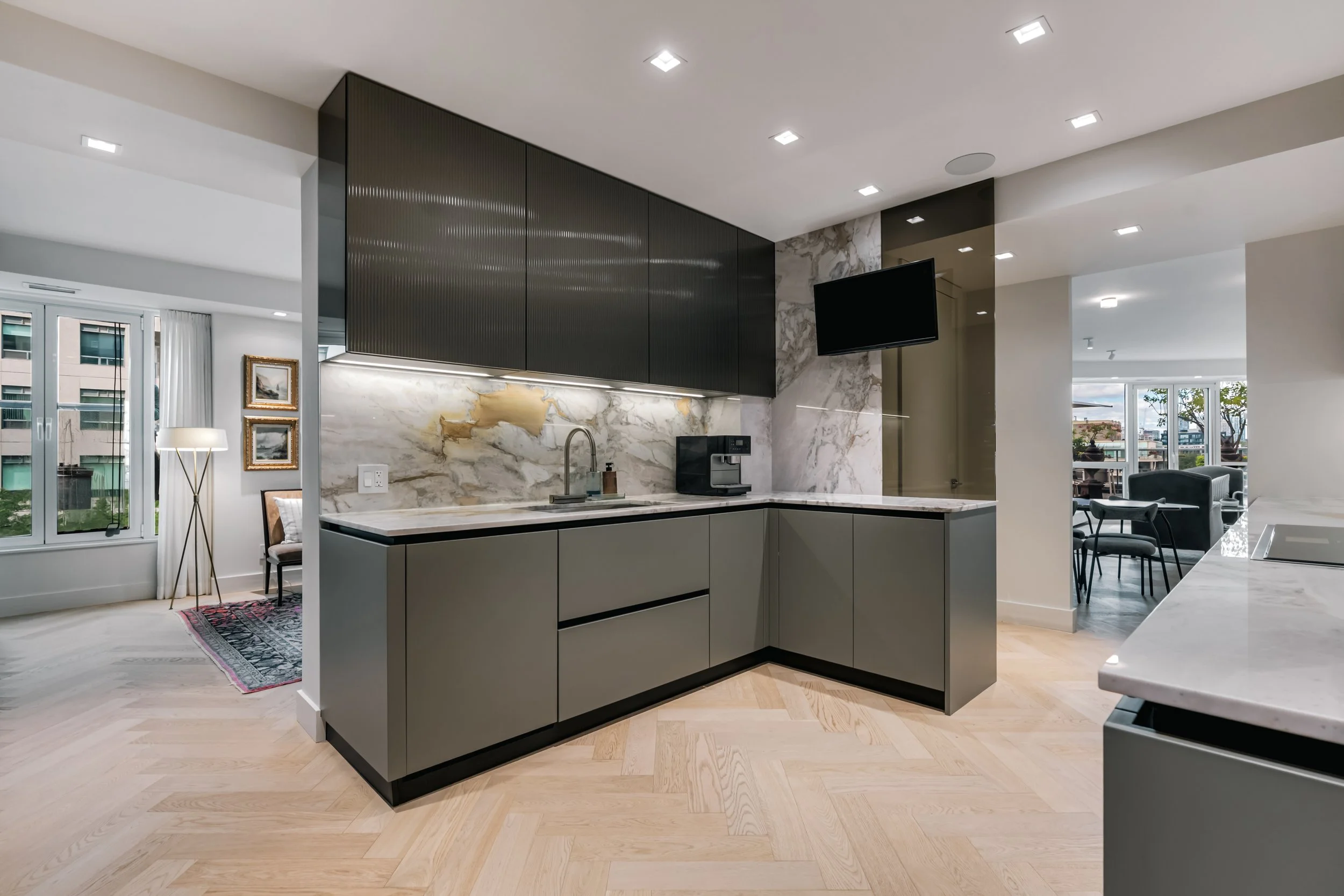
Start Here - What's Your Situation?
Downsizing looks different depending on where you are in the process. Find yourself below.
-
![]()
"I know it's time, but I don't know where I'd go."
Where Toronto's Downsizers Actually Move - the real migration patterns, neighbourhood by neighbourhood.
-
![]()
"I'm not sure whether it's time yet."
When to Downsize - the signals that matter, the ones that don't, and the mistake most people make.
-
![]()
"I'm moving from a house to a condo and don't know what to expect."
Downsizing from a House to a Condo - fees, floor plans, storage, and what actually changes day to day.
-
![]()
"I need to sell the family home."
Selling the Family Home - pricing, preparing, and timing a house you have lived in for decades.
-
![]()
"I want to stay in my neighbourhood - just somewhere smaller."
Downsizing Without Leaving Your Neighbourhood - where it's genuinely possible, and where it isn't.


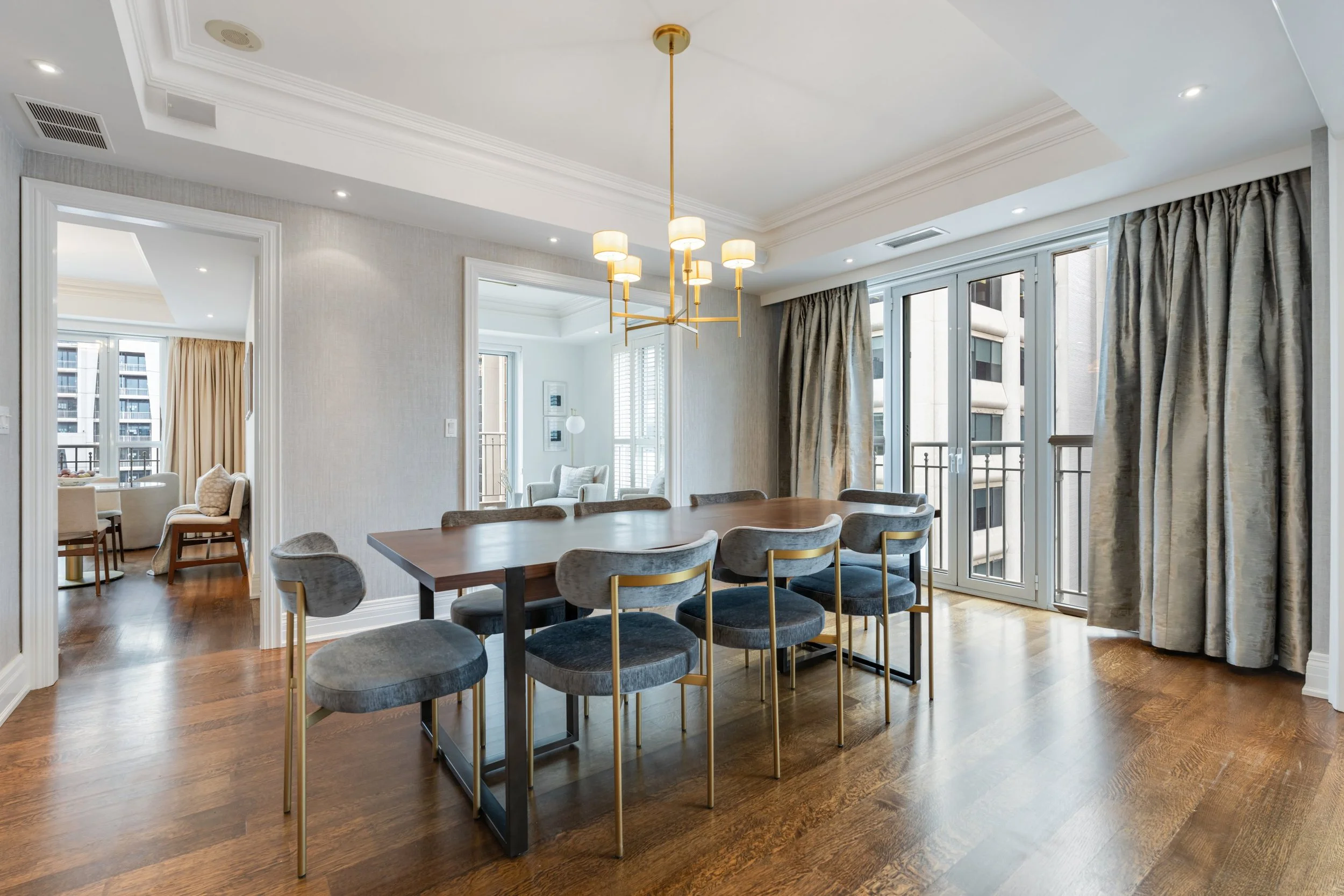
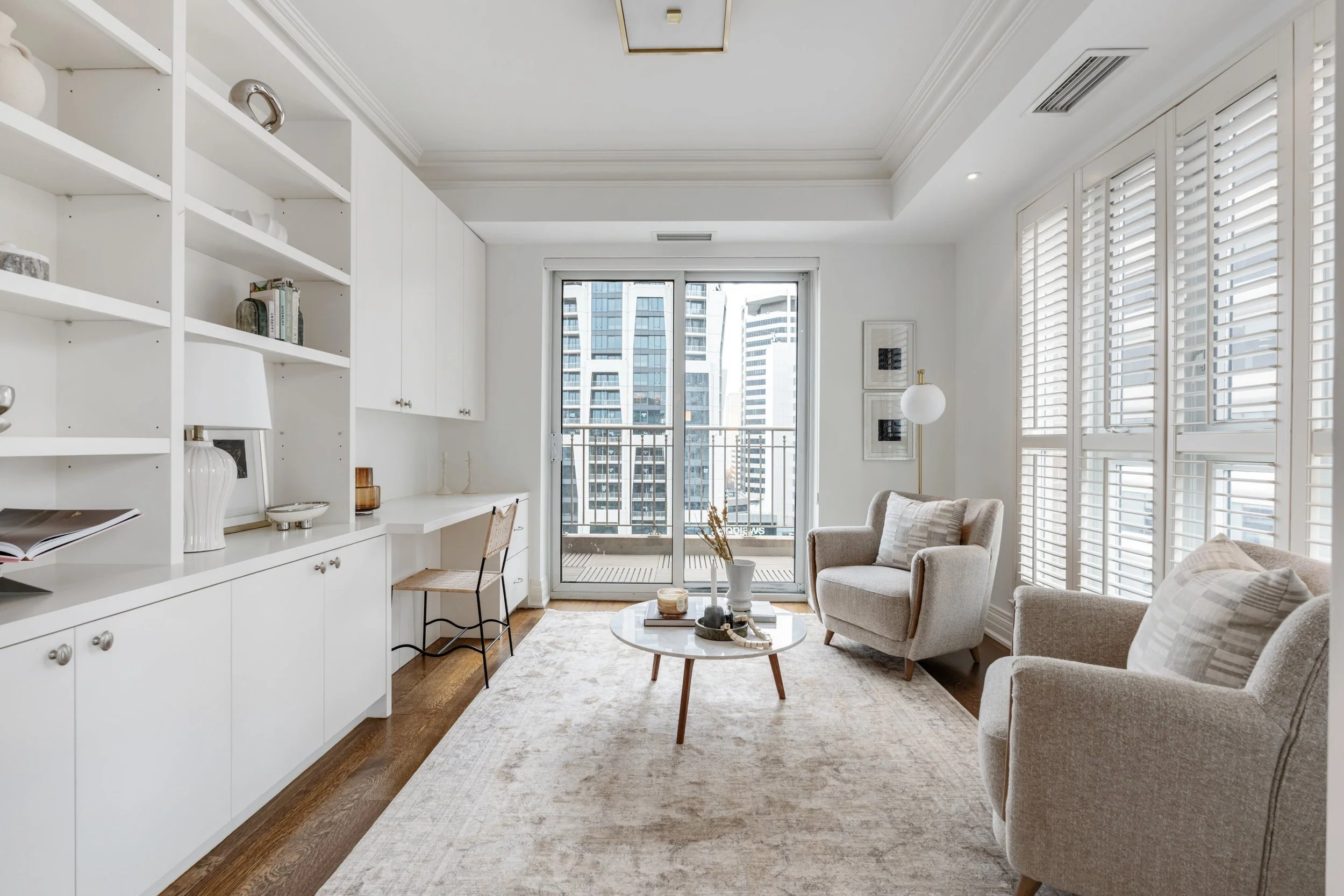
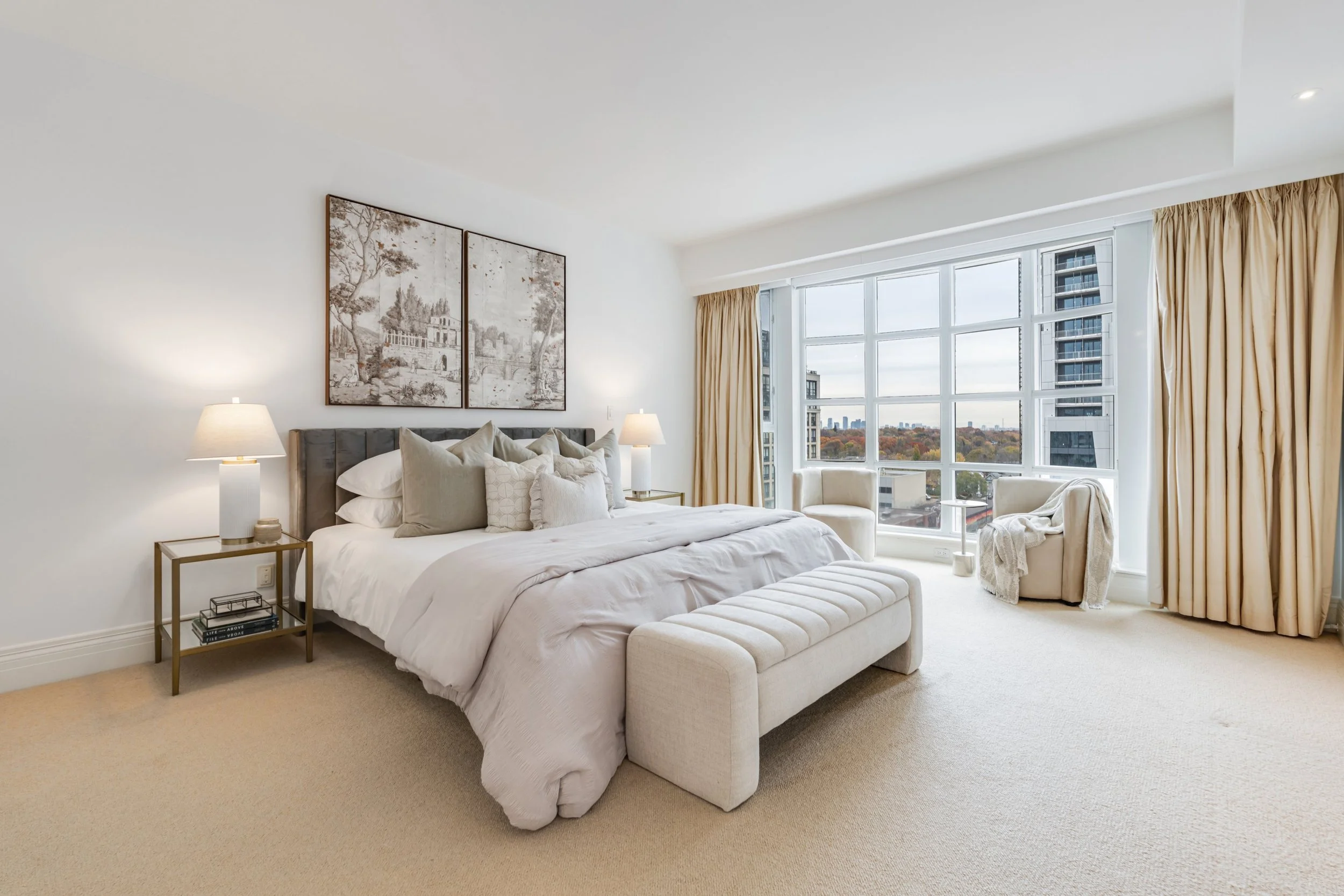
What Downsizing Really Means at This Level
Most downsizing advice is written for someone selling a modest house and moving to a retirement residence. That is not the move we are describing.
The clients we work with are typically selling a family home in Forest Hill, Rosedale, Lawrence Park, or Chaplin Estates - often a house they have owned for twenty or thirty years, where they raised a family - and buying a substantial residence somewhere more convenient. The new home might be 2,500 square feet instead of 6,000. It is still a significant property. It is simply a different kind of life.
None of this is doing with less. It is choosing what you want your daily life to consist of, at a stage when you finally get to choose.
Here is the trade, plainly:
-
No more roof, furnace, gutters, or landscaping. A property manager and condo corporation handle the building; you handle your own front door.
-
No shoveling snow in January. No spring cleanup. For many people this alone is worth the move.
-
The square footage you give up buys proximity; to restaurants, transit, culture, and the parts of the city you actually use.
-
If you travel, or want to, a condominium makes leaving for six weeks a non-event.
-
Selling a large family home and buying a smaller residence typically frees up significant capital. What you do with it is a conversation for your financial advisor, but the option is real.
Where Toronto's Downsizers Actually Go
There are patterns, and after two decades of transactions across all eleven of Toronto's luxury neighbourhoods, they are remarkably consistent.
Rosedale families frequently downsize into Yorkville; it is close, it is walkable, and the building quality matches what they are leaving. Forest Hill downsizers often stay closer to home, moving to South Hill or into smaller Forest Hill properties. Summerhill residents frequently do not leave at all, moving from a Victorian house into one of the neighbourhood's boutique low-rise buildings a few streets away.
Each move has its own logic, and the right one depends on what you want your day to look like.
What Changes When You Move to a Condominium
Toronto has more than 2,700 condominium buildings, and they vary enormously. If you have owned a house for decades, condominium ownership works differently in ways worth understanding before you start looking.
-
Condo fees, maintenance fees, typically cover heating, water, building insurance, and the amenities and services the building provides. What you lose in monthly predictability on the property tax side, you gain in never receiving a $40,000 roof estimate.
-
Every condominium corporation maintains a reserve fund for major repairs. A well-funded reserve means the building can replace elevators and windows without a special assessment. A thin one means owners get a bill. This is the single most important thing to check before buying, and it is why the status certificate is not a formality.
-
In a house, you order a home inspection. In a condominium, the status certificate tells you the corporation's financial health, the reserve fund position, whether special assessments are pending, and any litigation the condo board is involved in. Have your lawyer review it properly.
-
Two units of identical square footage can live completely differently. After a house, ceiling height, natural light, storage, and how the space flows matter more than the number on the listing.
-
Furniture built for a house with twelve-foot ceilings rarely works in a condominium. Measure before you decide what comes with you.
Most Downsizing is Two Transactions, Not One
This is the part people underestimate. You are usually selling a house and buying a home; two transactions, in the same market, often within months of each other.
That raises real questions. Do you sell first or buy first? How do you time them so you are not carrying two properties or renting in between? How do you price a house that no one outside your family has been inside for thirty years?
There is no universal right answer. Selling first gives you certainty about your budget and negotiating strength as a buyer. Buying first secures the home you want in a market where the right unit may not come along twice. Which is right depends on your financial position, your risk tolerance, and how specific your requirements are.
What matters is that both sides are planned together rather than handled as separate events. That is genuinely where an experienced team earns its keep; and it is why we handle both halves of a downsizing move as a single strategy.
Paul & Christian’s Downsizing Track Record
Here are some reviews from our clients:
"We couldn’t have asked for better representatives to sell our home than Paul and Christian. They were professional, responsive, and completely transparent about strategy. Even in a quiet August market, Paul and Christian kept showing activity strong and communicated constantly. They handled every detail — staging advice, marketing, negotiations — with care, and always made us feel like their top priority. Selling a home can be stressful, but Paul and Christian made the process smooth and, of course, delivered a great result. We’d recommend them without hesitation to anyone buying or selling in Toronto’s luxury market."
"The Paul and Christian Team, at Sotheby’s International Realty Canada, managed the listing and sale of our home with sound advice, solid expertise and outstanding professionalism. They walked us through each step of our sale, reassuring us that we were priced appropriately to capitalize on our greatest personal investment while remaining competitive and realistic. This ensured that our home was priced in the most attractive price range that would bring the greatest attention possible, resulting in an effective and efficient sale for our home. Selling luxury homes takes great experience, reach and coverage. Sotheby’s offers premium marketing expertise, and gorgeous collateral, necessary in today’s competitive real estate market. Without a doubt, the Paul and Christian Team provided us with the confidence and experience that we needed to sell our home, every step of the way."

Meet Your Downsizing Specialists: Paul Maranger & Christian Vermast
Paul Maranger and Christian Vermast have guided downsizing moves across all of Toronto's luxury neighbourhoods for two decades, backed by $1 billion in career sales and the Sotheby's International Realty global network. Because the team works actively in each Toronto neighbourhoods, they give a genuinely neutral read on which fits your priorities; and access to both listed and off-market inventory in each.
Downsizing clients need something different from a typical seller. You are managing two transactions at once. You are selling a home that carries thirty years of life in it, which is a different conversation than selling an investment property. And you are buying into a market, luxury condominiums and smaller heritage homes, where the best inventory frequently trades quietly, before it is ever publicly listed.
We work both halves of the move as one plan, and we know the smaller-home inventory across these neighbourhoods because we transact in it constantly.

Frequently Asked Questions About Downsizing in Toronto
-
For most people at this level, yes - but the value is rarely purely financial. Downsizing frees up home equity, eliminates the maintenance burden and cost of carrying a large property, and converts square footage into location and services. The costs of moving are real (commission, legal fees, land transfer tax on the purchase), so the financial case depends on your specific properties. The lifestyle case is usually clearer: most clients tell us the thing they value most is what they stopped having to manage.
-
Most people downsize later than they should. The practical signals are maintaining rooms you never enter, a house that generates more obligation than pleasure, and a daily life that has quietly relocated to another part of the city. Waiting too long usually means fewer options and decisions made under pressure rather than on your own terms. See our full guide on when to downsize.
-
There is no universal answer. Selling first gives you budget certainty and stronger negotiating position as a buyer. Buying first secures the right home in a market where suitable inventory is limited, but carries the risk of holding two properties. The right sequence depends on your financial position, your risk tolerance, and how specific your requirements are. This should be planned as one strategy rather than two separate decisions.
-
The patterns are consistent. Rosedale families frequently move to Yorkville. Forest Hill downsizers often stay nearby, in South Hill or smaller Forest Hill properties. Summerhill residents frequently stay in Summerhill, moving into boutique low-rise buildings. Yorkville is the most common destination overall, because its condominium depth and walkability suit exactly what downsizers are looking for. See the full migration map.
-
Not necessarily. Several Toronto luxury neighbourhoods have genuine smaller-home inventory - Summerhill, Yorkville, Casa Loma, South Hill, and Cabbagetown all support downsizing in place. Others, including Lawrence Park and the Bridle Path, are dominated by large detached homes and make it harder. Adjacent-neighbourhood moves (Forest Hill to South Hill, for instance) often deliver the same daily life at a smaller scale. See downsizing without leaving your neighbourhood.
-
The status certificate is the most important document. It shows the condominium corporation's financial health, the reserve fund position, whether any special assessments are pending, and any litigation involving the condo board. A well-funded reserve means major repairs get done without surprise bills to owners. Have your lawyer review it properly - it matters more than the amenities.
-
Real estate commission on the sale, legal fees on both transactions, land transfer tax on the purchase (Toronto buyers pay both municipal and provincial), moving costs, and the incidental expenses of furnishing and setting up a new home. Across both transactions the total is meaningful and should be built into planning from the outset. Your accountant can help you understand the tax implications alongside these direct costs.
-
Waiting too long, and treating the sale and the purchase as separate events. Waiting narrows your options and forces decisions under circumstance rather than on your terms. Handling the two transactions separately usually costs money, timing, or both. The clients who come through it best start the conversation a year or two before they think they need to.

Explore the Full Downsizing Guide
Where Toronto's Downsizers Actually Move - the real migration patterns across all eleven luxury neighbourhoods
When to Downsize - the signals that matter and the mistake most people make
Downsizing from a House to a Condo - fees, status certificates, floor plans, and what changes day to day
Selling the Family Home - pricing, preparing, and timing a home you have lived in for decades
Downsizing Without Leaving Your Neighbourhood - where it's genuinely possible
Working with Paul & Christian Associates
Whether you are buying, selling, or comparing neighbourhoods before you decide, we are happy to talk. We do not run discovery calls as sales pitches - they are working conversations about what you want and how to get the best representation for downsizing your home.
Get a custom valuation for your home - most useful if you are considering downsizing within 12 months
Start your home search with us - for downsizers actively looking
Read Paul Maranger and Christian Vermast's full bio - to understand how the team operates